
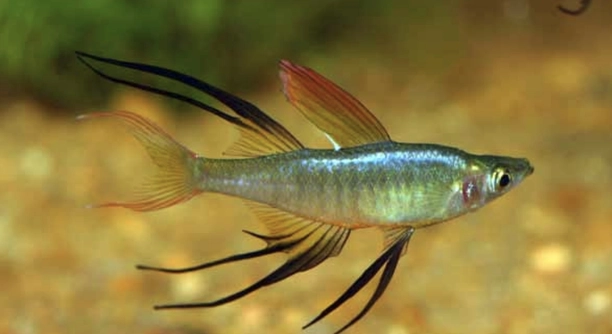
Have you ever admired the calm beauty of threadfin rainbowfish but struggled to find peaceful tankmates that won’t cause them stress?
Threadfins rarely fight with certain quiet tankmates due to their gentle temperament and need for low-stress environments. Choosing compatible companions helps maintain harmony, prevents aggression, and allows these delicate fish to thrive in community aquariums.
Adding the right species ensures balance in your aquarium while keeping your threadfins safe, comfortable, and stress-free alongside compatible companions.
1. Corydoras Catfish
Corydoras catfish are a great match for threadfins because they are peaceful, bottom-dwelling fish that rarely interact with mid-level swimmers. They help keep the tank tidy by eating leftover food that falls to the bottom. Their calm nature makes them unlikely to bother delicate threadfins, allowing both species to coexist with little conflict. Corydoras prefer being in groups, which adds activity to the lower tank levels without overwhelming the more fragile fish. They also tolerate a wide range of tank conditions, making them easy to care for alongside threadfins. Their gentle presence makes them a natural companion.
These catfish are often seen foraging along the substrate, using their whisker-like barbels to search for food. They keep busy without intruding on threadfins, which creates a balanced environment where each fish type stays in its comfort zone.
Corydoras also bring an added layer of charm to aquariums with their social behavior. Watching them group together and swim in synchronized patterns can be soothing, especially since their movements are slow and non-aggressive. This makes them both visually pleasing and practical. Their adaptability to community setups ensures that threadfins can live without unnecessary stress while still sharing their space. A tank with corydoras feels lively, yet remains calm.
2. Harlequin Rasboras
Harlequin rasboras are peaceful schooling fish that move gracefully through the middle and upper levels of a tank. They do not chase or nip at threadfins, which makes them a reliable choice for community aquariums.
These rasboras are active, but their activity remains controlled and smooth, preventing stress for threadfins that prefer calmer environments. A group of rasboras brings color and movement, but they avoid aggression and rarely disrupt the natural behavior of threadfins. Their small size and gentle swimming style ensure they stay compatible with more sensitive fish. Additionally, rasboras thrive in similar water conditions as threadfins, so maintaining both together is simple. They school in groups of six or more, which makes them feel secure while creating a visually appealing display. This group behavior also draws attention away from threadfins, reducing the chances of any tension. Together, the two species create a lively but harmonious community.
3. Neon Tetras
Neon tetras are small, schooling fish that prefer to stay with their group. Their gentle swimming style and calm nature make them a safe match for threadfins, as they do not display territorial or aggressive behaviors.
When kept in groups of at least six, neon tetras feel secure and move together smoothly across the tank. This reduces the likelihood of them bothering threadfins, as they remain focused on their own shoaling behavior. Their bright blue and red stripes add color without creating tension, blending well with the delicate appearance of threadfins. These tetras thrive in similar water parameters, which helps simplify tank maintenance. Compatibility in diet and environment also makes them a practical choice for community setups. By swimming in their group, they keep attention away from threadfins, giving them peace.
Neon tetras also help create a sense of activity that balances the stillness of threadfins. Their calm but steady movement can make the aquarium feel more complete without disturbing the overall harmony. Threadfins stay comfortable around them, as neon tetras rarely interact directly and instead keep to their own patterns. Their peaceful nature, combined with their ability to thrive in a variety of tank conditions, ensures they remain one of the most reliable companions for threadfins.
4. Cherry Barbs
Cherry barbs are small, vibrant fish that remain calm when kept in groups. Unlike some barbs, they are not known for fin-nipping, which makes them a safe choice alongside threadfins. Their colors also brighten the aquarium without overwhelming sensitive tankmates.
These fish are most comfortable in shoals, which helps reduce any nervous behaviors. In a community tank, cherry barbs keep to themselves and swim steadily without aggressive chasing. Their gentle activity creates a balanced atmosphere, especially in tanks with threadfins that need peaceful surroundings. They share similar water requirements and diets, so keeping both species together is easy. Males show brighter red colors, while females remain lighter, which adds variety to the aquarium without disrupting harmony. Their slow, measured swimming style blends well with threadfins, allowing both species to thrive together without unnecessary stress or competition.
5. Otocinclus Catfish
Otocinclus catfish are quiet algae eaters that stay small and gentle. They focus on cleaning surfaces and rarely disturb other fish. Their presence keeps the aquarium healthier while providing company for threadfins without adding stress or conflict.
These catfish prefer living in groups and spend most of their time attached to glass, plants, or decorations. Their peaceful lifestyle ensures they remain unnoticed by threadfins. Since they do not compete for space or food, the balance of the tank stays steady and calm.
6. Ember Tetras
Ember tetras are tiny schooling fish that move gracefully through the water without bothering other species. Their orange glow brings soft color, and their preference for group swimming keeps them focused on each other instead of threadfins. This makes them an excellent, stress-free choice for mixed tanks.
7. Endler’s Livebearers
Endler’s livebearers are active but non-aggressive, making them suitable tankmates for threadfins. Their small size and lively patterns add visual interest without causing trouble. They coexist peacefully and bring energy while keeping the aquarium environment stable, balanced, and safe for more delicate fish.
FAQ
What water conditions do threadfins prefer?
Threadfins thrive in clean, slightly acidic to neutral water with a pH between 6.5 and 7.5. They prefer temperatures around 72–82°F. Regular water changes and proper filtration are essential to maintain stable conditions and prevent stress or illness.
Can threadfins live with aggressive fish?
Threadfins are peaceful and do not handle aggression well. Aggressive fish can chase or nip at them, leading to stress, injuries, or even death. Keeping them with quiet, non-territorial species is the best way to ensure their safety and overall health.
How many tankmates should I keep with threadfins?
Threadfins feel more secure in groups of at least six. Adding multiple compatible tankmates ensures a balanced aquarium environment. However, overcrowding can lead to stress and poor water quality, so it’s important to maintain the right number of fish based on tank size.
Do threadfins eat live plants or decorations?
No, threadfins are primarily mid-water swimmers that focus on small food particles and flakes. They do not harm live plants or decorations, which makes them ideal for planted aquariums and setups with intricate décor.
What is the best diet for threadfins and their tankmates?
Threadfins thrive on a mix of high-quality flake food, micro pellets, and occasional live or frozen foods such as brine shrimp. Most compatible tankmates, like tetras or corydoras, also accept similar foods, which simplifies feeding while providing balanced nutrition.
How can I reduce stress in a community tank?
Providing plenty of hiding spots, maintaining stable water parameters, and keeping compatible species together reduces stress. Threadfins especially benefit from open swimming areas and peaceful tankmates. Observing behavior daily helps detect any signs of tension or illness early.
Are threadfins sensitive to water changes?
Yes, sudden changes in water parameters can shock threadfins. Gradual water changes of 10–20% weekly are ideal. Using a water conditioner and monitoring temperature and pH ensures minimal stress and keeps them healthy alongside other tankmates.
Can I mix different schooling fish with threadfins?
Yes, mixing species like neon tetras, harlequin rasboras, and ember tetras works well. They swim in groups and rarely display aggression, which allows threadfins to move freely. Choosing species with similar water requirements and temperaments ensures harmony in the tank.
How do I know if my threadfins are happy?
Healthy threadfins swim actively, school together, and show vibrant colors. They explore their environment without hiding excessively. Stress or illness often shows as clamped fins, lethargy, or loss of appetite. Observing their behavior daily helps maintain a calm, thriving aquarium.
Are there any signs that a tankmate is incompatible?
Yes, chasing, fin-nipping, or aggressive displays indicate incompatibility. If a species causes stress or injuries to threadfins, it should be removed or separated. Keeping peaceful, small, and quiet fish ensures a safe and stable environment for all tank inhabitants.
How can I encourage natural behavior in threadfins and their companions?
Providing open swimming space, gentle water flow, and plants or decorations for exploration encourages natural activity. Threadfins and other peaceful tankmates will show schooling, foraging, and social behaviors, which indicates a well-balanced aquarium and a stress-free habitat.
Is lighting important for threadfins and tankmates?
Moderate lighting is best. Bright or harsh lights can stress sensitive species, while dim lighting encourages calm swimming and natural behavior. Using timers for consistent light cycles helps maintain routines and reduces tension among all tank inhabitants.
Can threadfins breed in a community tank?
Breeding in a community tank is possible but uncommon. They need calm conditions, slightly acidic water, and hiding places for fry. Tankmates that are small and peaceful may coexist, but the fry could still be at risk from other fish if precautions are not taken.
How do I maintain water quality with multiple species?
Regular partial water changes, careful feeding, and proper filtration are essential. Avoid overstocking, monitor water parameters frequently, and remove uneaten food promptly. This helps maintain clear, stable water for threadfins and all compatible tankmates, reducing disease risk and stress.
What is the best tank size for threadfins and quiet tankmates?
A minimum of 30 gallons is recommended for a small group of threadfins and their companions. Larger tanks allow for more space, hiding spots, and swimming room. This prevents territorial disputes and ensures each species can thrive in a peaceful, balanced environment.
Are there seasonal changes I should consider for threadfins?
Maintaining stable temperature and water conditions year-round is crucial. Avoid sudden fluctuations from room temperature changes or seasonal variations. Consistent care ensures threadfins remain healthy and compatible tankmates do not exhibit stress-related behaviors due to environmental changes.
Do decorations affect threadfins’ behavior?
Yes, plants, driftwood, and rocks provide shelter and reduce stress. Threadfins prefer open swimming areas but benefit from hiding spots near decorations. Properly placed décor balances activity and rest, helping both threadfins and their quiet companions maintain natural, calm behavior.
How often should I check tankmates’ compatibility?
Observing behavior daily is important, especially after introducing new species. Even peaceful fish can display unexpected aggression. Early detection of tension allows corrective action, such as rearranging the tank or separating incompatible species, ensuring threadfins remain safe and stress-free.
Can threadfins live with bottom-dwelling fish?
Yes, bottom dwellers like corydoras and otocinclus are ideal. They occupy different levels and focus on cleaning or foraging without interfering with threadfins. This vertical separation helps maintain harmony while supporting a healthy, well-structured aquarium environment for all species.
What is the best way to introduce new tankmates?
Acclimate new fish slowly using a drip or float method to avoid shock. Introduce them in small groups if possible. Monitor behavior for signs of aggression or stress. A calm introduction reduces tension and helps threadfins accept new, compatible tankmates smoothly.
How do I handle health issues in a mixed tank?
Quarantine new fish before introducing them. Observe all species for signs of disease, such as discoloration, unusual swimming, or lethargy. Treat illnesses promptly with suitable medications while ensuring the treatment is safe for threadfins and other peaceful tankmates. Regular maintenance helps prevent problems.
Can I keep different types of threadfins together?
Yes, multiple threadfin species often coexist peacefully if they share similar water requirements. Keeping them in groups allows natural schooling and reduces stress. Ensuring compatible behavior and adequate space prevents aggression and maintains a balanced, healthy aquarium environment.
Are threadfins sensitive to water flow?
Threadfins prefer moderate water movement. Strong currents can stress them, while very still water may reduce activity. Balancing flow ensures comfort for threadfins and other peaceful species, supporting natural swimming patterns and maintaining overall harmony in the tank.
What plants work best with threadfins and quiet tankmates?
Soft-leaved plants like java fern, anubias, and hornwort provide hiding spots without obstructing swimming space. Floating plants add cover and diffuse light, creating a calm environment. These plants support natural behavior and reduce stress for threadfins and their compatible companions.
How long do threadfins typically live?
Threadfins can live 4–6 years with proper care. Providing stable water conditions, compatible tankmates, and a balanced diet supports longevity. Regular observation and preventive maintenance ensure they stay healthy, vibrant, and active alongside other peaceful species in the aquarium.
What signs indicate the tank is well-balanced?
Fish swim naturally, school appropriately, and show bright colors. No aggression, stress, or hiding occurs frequently. Water parameters remain stable, and both threadfins and tankmates eat normally. A well-balanced tank promotes healthy growth, activity, and harmony among all species.
Are there common mistakes to avoid with threadfins?
Overcrowding, introducing aggressive species, and neglecting water quality are common issues. Ignoring compatibility or improper feeding can cause stress. Paying attention to behavior, providing adequate space, and maintaining stable conditions ensures threadfins coexist peacefully with quiet tankmates, supporting long-term aquarium health.
How can I enhance the appearance of the aquarium?
Use a mix of mid-water swimmers like threadfins and schooling species, along with bottom dwellers and plants. Layered décor and open swimming space create depth and visual interest. Thoughtful design ensures harmony while highlighting the beauty and behavior of all fish.
What is the role of hiding spots in compatibility?
Hiding spots reduce stress, prevent aggression, and give shy fish a retreat. Threadfins and quiet tankmates use these areas to feel secure, which supports natural behavior. Properly arranged shelters maintain a calm environment and minimize conflict in community tanks.
Can temperature fluctuations affect compatibility?
Yes, sudden changes can trigger stress or aggression. Threadfins and other sensitive species are most compatible when water temperature is stable. Using heaters or thermometers helps maintain consistent conditions, ensuring all tankmates remain peaceful and healthy.
How do I prevent overfeeding in a mixed tank?
Feed small amounts multiple times a day, observing which fish eat first. Remove uneaten food to prevent decay. Proper portioning maintains water quality and reduces competition, keeping threadfins and quiet companions safe and healthy.
What is the best lighting schedule?
Eight to ten hours of moderate lighting supports natural activity. Timers create consistency, which reduces stress. Proper lighting highlights colors without overstimulating sensitive fish, allowing threadfins and their companions to swim naturally.
Are there benefits to grouping different peaceful species?
Yes, diverse groups create visual interest, occupy multiple tank levels, and reduce boredom. Peaceful interaction allows each species to display natural behavior while maintaining a calm, balanced environment. Threadfins thrive alongside compatible fish that complement their temperament.
How often should I test water parameters?
Weekly testing of pH, ammonia, nitrite, and nitrate is recommended. Regular checks prevent hidden issues that could stress threadfins or their tankmates. Early detection helps maintain a stable, healthy environment for all fish.
Can I use artificial plants with threadfins?
Yes, soft artificial plants provide hiding spots and decoration without altering water chemistry. They are easy to clean and maintain, helping threadfins feel secure while adding visual interest and supporting compatibility with quiet species.
What is the ideal tank layout for threadfins and companions?
Provide open swimming areas in the middle, hiding spots near the bottom, and gentle water flow. Place decorations and plants to balance activity and rest zones. This layout reduces stress, encourages natural behavior, and maintains harmony among all species.
How can I monitor compatibility over time?
Observe daily interactions, feeding behavior, and swimming patterns. Look for signs of stress, chasing, or hiding. Adjust stocking levels, décor, or separation if needed. Regular monitoring ensures threadfins remain safe and peaceful tankmates continue to coexist.
Is quarantine necessary for new fish?
Yes, quarantining new arrivals prevents disease and stress. Keep them separate for at least two weeks, monitor health, and gradually introduce them to the main tank. This protects threadfins and other peaceful companions while maintaining a stable, healthy aquarium.
What equipment is essential for a threadfin community tank?
A reliable filter, heater, thermometer, and water testing kit are critical. Decorations, plants, and hiding spots support behavior. Proper equipment maintains water quality, temperature stability, and comfort, ensuring threadfins and compatible tankmates remain healthy and calm.
How do I handle aggression if it arises?
Separate aggressive fish immediately. Rearrange décor or provide additional hiding spaces. Monitor interactions closely until harmony returns. Preventing repeated aggression protects threadfins and ensures all species coexist peacefully in the aquarium.
What role does schooling behavior play in compatibility?
Schooling reduces stress and promotes natural swimming patterns. Fish like tetras and rasboras focus on their group rather than threadfins. This behavior minimizes conflict and maintains a balanced environment in community tanks.
Are there seasonal lighting adjustments for threadfins?
Maintain consistent light cycles year-round. Minor adjustments can mimic natural day lengths, but sudden changes may stress threadfins or companions. Timers help keep lighting steady, supporting calm behavior and routine activity patterns.
How important is tank size for long-term compatibility?
Larger tanks allow more space, reduce territorial disputes, and provide distinct swimming zones. Adequate size ensures threadfins and tankmates coexist comfortably while expressing natural behavior, preventing stress and maintaining overall harmony.
Can I mix male and female threadfins?
Yes, males and females usually coexist peacefully. Providing group sizes and hiding spots minimizes aggression during mating or displays. Balanced ratios reduce stress and help maintain calm interactions in community tanks.
What is the lifespan of common quiet tankmates?
Most compatible species, like tetras, rasboras, and corydoras, live 3–5 years with proper care. Maintaining stable water conditions, proper diet, and a peaceful environment supports longevity alongside threadfins.
How do I ensure all fish receive enough food?
Feed small amounts in multiple locations. Observe feeding behavior to prevent dominant species from taking all food. Using sinking and floating options ensures threadfins and bottom-dwellers like corydoras or otocinclus get adequate nutrition without stress.
Can water hardness affect compatibility?
Yes, threadfins prefer soft to moderately hard water. Matching tankmates with similar requirements prevents stress, disease, and compatibility issues. Regular testing and adjustment maintain stable conditions for all species.
What plants provide shade without obstructing swimming?
Floating plants like duckweed or water lettuce diffuse light and offer cover while leaving open swimming areas. They create calm zones for threadfins and quiet species without restricting movement or causing territorial disputes.
How often should I clean the tank with multiple species?
Weekly partial water changes of 10–20% keep water quality high. Remove uneaten food and debris. Proper maintenance ensures threadfins and tankmates remain healthy, active, and stress-free in a balanced community aquarium.
Are there signs of compatibility issues besides aggression?
Yes, hiding, clamped fins, or loss of appetite indicate stress. Even without direct attacks, incompatible behavior can harm threadfins. Monitoring daily and adjusting tank setup or species ensures a safe environment for all.
How do I safely introduce bottom dwellers with mid-water fish?
Add bottom dwellers first, allowing them to settle. Introduce mid-water swimmers like threadfins gradually. Providing hiding spots and open swimming areas reduces conflict and maintains peaceful coexistence.
Can compatible tankmates help reduce algae?
Yes, species like otocinclus catfish feed on algae, keeping surfaces clean. This reduces maintenance and contributes to a healthier, more balanced environment for threadfins and other peaceful species.
Is temperature uniformity more important than pH stability?
Both matter, but sudden temperature swings can shock fish more quickly than minor pH changes. Maintaining steady conditions in combination with balanced pH ensures threadfins and tankmates remain healthy and stress-free.
What signs show that the aquarium setup is ideal?
Fish swim actively, interact calmly, and display vibrant colors. No hiding, chasing, or fin-nipping occurs. Plants, décor, and open areas are used naturally. Stable water parameters and peaceful coexistence indicate a well-planned, compatible tank.
How do I prevent overcrowding?
Calculate fish numbers based on adult size and tank volume. Avoid adding too many species at once. Proper stocking ensures threadfins and quiet tankmates have space to swim and interact without stress.
Are there seasonal dietary changes needed?
No major changes are required. A consistent diet with flakes, pellets, and occasional live or frozen foods supports health. Monitoring feeding habits ensures threadfins and companions receive adequate nutrition year-round.
What is the best substrate for threadfins and tankmates?
Fine sand or smooth gravel is ideal. Bottom dwellers can forage safely, and threadfins can swim without injury. The substrate supports plants, reduces stress, and maintains a harmonious environment for all species.
Can stress affect coloration in threadfins?
Yes, stressed threadfins may lose brightness or develop clamped fins. Maintaining peaceful tankmates, stable water parameters, and adequate space preserves natural coloration and healthy behavior.
How do I balance tank aesthetics and compatibility?
Use a mix of mid-water, bottom-dwelling, and peaceful species with plants and decorations that create visual layers. Open areas allow swimming, hiding spots reduce stress, and a variety of colors enhances appearance without disturbing harmony.
Are air pumps necessary for threadfins?
Moderate aeration can help maintain oxygen levels but is not mandatory if filtration provides sufficient water movement. Gentle flow supports comfort and natural swimming patterns for threadfins and other peaceful tankmates.
How long does it take for new tankmates to adjust?
Adjustment may take a few days to a week. Observing behavior ensures new species settle without stressing threadfins. Providing hiding spots and gradual introductions helps smooth the transition for all fish.
Can I mix livebearers with threadfins?
Yes, small, peaceful livebearers like Endler’s are compatible. They are active but non-aggressive, occupy different tank levels, and coexist without interfering with threadfin behavior, adding color and movement without stress.
How do I prevent disease in a mixed tank?
Quarantine new fish, maintain clean water, avoid overfeeding, and monitor behavior. Early detection and treatment prevent spread, protecting threadfins and quiet tankmates from illness and maintaining overall tank health.
Are certain decorations better for community tanks?
Rounded rocks, driftwood, and soft plants reduce injury risk. Decorations that create hiding spots without blocking swimming space help maintain peaceful interactions and a visually appealing, safe environment for threadfins and compatible species.
Can temperature drops at night affect compatibility?
Minor drops are natural, but large swings can stress threadfins and companions. Using a heater or insulating the tank ensures stable temperatures, reducing aggression and promoting calm, healthy behavior.
How do I encourage schooling in tetras or rasboras?
Keep them in groups of six or more. Sufficient swimming space and stable water conditions help them stay together naturally. Their schooling behavior diverts attention from threadfins, reducing stress and maintaining harmony in the aquarium.
Is it better to mix only small fish with threadfins?
Yes, smaller, non-aggressive fish reduce competition and stress. Large or territorial species can intimidate threadfins, disrupting their calm behavior. Keeping similar-sized, gentle tankmates ensures a balanced, peaceful environment.
How often should I prune plants in the tank?
Regular trimming prevents overcrowding, maintains open swimming areas, and reduces hiding spots for potential aggressors. Proper plant care supports natural behavior for threadfins and their peaceful companions.
**Can light-colored
Threadfin rainbowfish are delicate and peaceful fish that benefit greatly from carefully chosen tankmates. Their calm nature means that aggressive or overly active fish can cause unnecessary stress, which may lead to illness or erratic behavior. Selecting quiet companions that occupy different areas of the tank helps maintain balance and ensures that threadfins can swim freely without feeling threatened. By providing a stable and harmonious environment, these fish display their natural schooling behavior, vibrant colors, and graceful movements. Small, peaceful species such as corydoras, tetras, and otocinclus catfish create a layered ecosystem where each fish can thrive without interference. This careful planning is especially important in community aquariums, where interactions between multiple species can quickly become stressful if compatibility is ignored.
Maintaining the right water conditions, feeding routines, and tank setup is equally important for long-term success. Threadfins prefer slightly acidic to neutral water and stable temperatures, and their tankmates generally share similar requirements. Consistent water changes, proper filtration, and monitoring of water parameters reduce the likelihood of disease and help keep all fish healthy. Adding hiding spots, plants, and gentle water flow provides security and encourages natural behavior. Even when using peaceful species, observing interactions regularly ensures that no individual fish dominates or becomes aggressive. A well-planned layout allows bottom dwellers, mid-water swimmers, and schooling fish to coexist peacefully. Over time, a properly maintained community tank will not only look attractive but will also support the wellbeing of threadfins and their companions.
Choosing compatible tankmates is about more than just preventing aggression; it also creates a calm and visually appealing environment. Quiet, non-territorial fish allow threadfins to focus on swimming and socializing naturally, while their companions maintain activity at other levels of the tank. A diverse selection of species adds movement, color, and interest without creating conflict. Paying attention to fish behavior, feeding habits, and overall health ensures that the aquarium remains balanced and stress-free. Over time, this careful selection and monitoring will lead to a thriving, harmonious tank where threadfins and their peaceful tankmates coexist successfully. Proper care, patience, and observation are key to achieving a community tank that is both safe and enjoyable for all species, providing a stable environment that allows each fish to show its best qualities and live comfortably for years.

Hello,
If you enjoy the content that we create, please consider saying a "Thank You!" by leaving a tip.
Every little bit helps us continue crafting quality advice that supports the health, happiness, and well-being of pets around the world, for pets of all shapes, sizes, and species.
We really appreciate the kindness and support that you show us!