
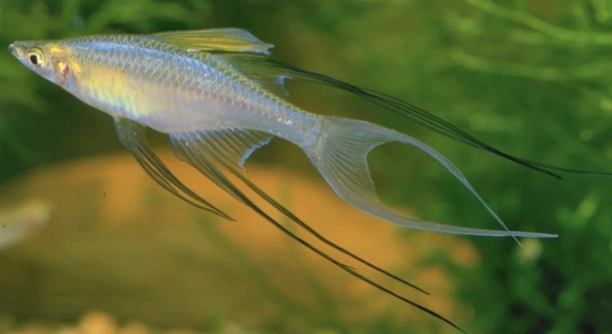
Do you ever find yourself watching your Threadfin Rainbowfish swim around, wishing they had more places to feel safe and secure in your aquarium? Creating simple hiding spots can greatly improve their comfort and reduce stress levels.
Providing adequate hiding spots for Threadfin Rainbowfish can be achieved through straightforward DIY solutions. Simple structures such as small caves, dense plant clusters, or driftwood arrangements allow the fish to exhibit natural behaviors while maintaining a balanced and healthy environment.
These simple setups can transform your aquarium, giving your fish a safer, more engaging habitat to explore and enjoy every day.
Small Driftwood Caves
Driftwood is an excellent material for creating hiding spots for Threadfin Rainbowfish. Its natural curves and nooks provide shelter while adding a realistic touch to your aquarium. You can arrange small pieces to form caves or arches that fit the size of your tank. Be sure to soak the wood beforehand to prevent discoloration or water chemistry changes. Threadfin Rainbowfish feel more secure when they have spaces to retreat, especially during feeding times or when new fish are introduced. Adding driftwood also encourages natural behavior, allowing the fish to explore, rest, or hide as needed. The texture of the wood offers additional surfaces for beneficial bacteria to grow, which contributes to a healthier tank environment. Over time, these structures become integrated into the aquarium, making the fish feel as though the space is entirely theirs. It’s simple, inexpensive, and effective for improving both aesthetics and fish welfare in a home aquarium.
Soaked driftwood caves are safe, functional, and visually appealing for your fish.
Arranging driftwood requires consideration of tank size, fish activity, and water flow. Position larger pieces to create stable bases and smaller ones to fill gaps. Avoid sharp edges that could injure the fish. Combining driftwood with plants increases complexity, offering multiple retreat areas and hiding layers. Overlapping pieces can form tunnels or alcoves that mimic natural habitats. Regular observation is necessary to ensure the fish use the caves and that water flow isn’t obstructed. With consistent monitoring, these setups remain safe and engaging for the fish, creating a more dynamic and interactive environment.
Dense Plant Clusters
Dense plant areas give Threadfin Rainbowfish ample hiding spaces and improve water quality through natural filtration.
Selecting fast-growing plants like Java Fern, Anubias, or Hornwort works best. Plant multiple stems close together to create thick coverage. Threadfin Rainbowfish will weave between leaves, feeling secure while still swimming freely. These clusters also help reduce stress during bright light or sudden movements outside the tank. In addition, dense plants provide surfaces for microorganisms that fish feed on, contributing to a natural diet supplement. Proper placement is key: taller plants at the back, shorter in front, to create layers and maintain visibility. Combining live plants with rock formations or driftwood increases complexity, giving fish a sense of depth and safety. Over time, the plants grow, forming more intricate structures, and the fish begin to use them naturally for resting, hiding, or establishing territory. Maintaining the plants with regular trimming ensures they don’t overgrow and restrict movement, keeping the tank both functional and attractive.
Would you like me to continue with the next two hiding spot methods in the same format?
Hollow Ceramic Ornaments
Hollow ceramic ornaments create secure, easy-to-clean hiding spots for Threadfin Rainbowfish. Choose shapes without sharp edges and ensure openings are large enough for fish to enter comfortably. These decorations can be moved or rearranged to suit your tank layout.
Ceramic ornaments are durable and resist water wear, making them a long-lasting option. They provide an enclosed space that helps fish feel protected, especially in a community tank. You can select designs that blend with natural elements or add a splash of color for visual interest. Placing ornaments near plants or driftwood enhances their appeal, offering layered hiding spaces. Fish quickly learn these spots and use them for resting, avoiding stress, or creating temporary territory. Regular cleaning prevents algae buildup and maintains a healthy environment, ensuring the fish continue to use the spaces without issues.
Positioning ceramic ornaments strategically improves tank flow and accessibility. Avoid stacking them in unstable ways, and pair with plants or rocks for a natural look. Observing fish behavior can guide adjustments, ensuring each ornament serves its intended purpose. Over time, the fish will adopt these areas, increasing comfort and reducing stress. Proper placement balances aesthetics with functionality, keeping the aquarium engaging while meeting the fish’s needs consistently.
PVC Pipe Shelters
PVC pipes are affordable, customizable hiding spots for Threadfin Rainbowfish. Cut pipes to appropriate lengths, smooth edges, and place horizontally or vertically depending on tank layout.
These shelters offer versatile, secure retreats that mimic natural crevices. Pipes can be arranged in clusters or alongside rocks and plants to create complex hiding zones. Painting or covering the pipes with aquarium-safe material enhances appearance and encourages exploration. Threadfin Rainbowfish quickly adapt to using PVC shelters for resting, social interactions, or escaping bright lights. The lightweight nature of PVC allows easy repositioning during tank maintenance or redecoration. Combining pipes with other structures ensures varied hiding opportunities, reducing territorial disputes and stress among fish. Consistent monitoring ensures fish comfortably use the shelters, keeping the environment safe and stimulating.
Integrating PVC pipes with natural elements maximizes both functionality and visual appeal. Anchoring pipes to prevent rolling or tipping maintains stability while allowing fish to swim through confidently. Layering with plants, driftwood, or rocks provides multiple escape routes and nesting options. Regular cleaning prevents blockage or buildup inside the pipes, sustaining a safe habitat. Over time, the pipes become a familiar part of the tank, enhancing the fish’s sense of security and encouraging natural behavior patterns. Careful placement and monitoring ensure PVC shelters remain effective, attractive, and beneficial for the overall aquarium environment.
Rock Piles
Stacked rocks create natural crevices that Threadfin Rainbowfish can use for hiding and resting. Ensure rocks are stable and free of sharp edges. Arranging them in clusters gives fish multiple spots to retreat while maintaining a natural look.
Rocks also help break up open swimming space, reducing stress in community tanks. Adding plants around the piles enhances coverage, creating a layered environment. Observing fish behavior allows adjustment of rock placement to ensure safe access. Over time, the piles become familiar shelters, promoting comfort and natural exploration.
Coconut Shell Huts
Coconut shells provide lightweight, safe hiding spaces. Cut a shell in half and smooth the edges to prevent injury. Place openings toward the tank floor for easy entry. Threadfin Rainbowfish quickly adopt these shells as resting or retreat spots.
Floating Plant Mats
Floating plants offer shaded areas and partial cover, giving fish a sense of security. They also reduce light intensity and create small pockets of calm water in active tanks.
FAQ
How do I know if my Threadfin Rainbowfish needs hiding spots?
Threadfin Rainbowfish often show signs of stress when they lack secure areas. Signs include hiding constantly, skittish swimming, or avoiding other fish. Providing simple shelters like driftwood caves, rocks, or plants can help them feel safe and reduce stress-related behaviors.
Can I use any materials for DIY hiding spots?
Not all materials are safe. Avoid metals, treated wood, or sharp objects. Safe options include driftwood, smooth rocks, ceramic ornaments, PVC pipes, and coconut shells. Ensure all materials are thoroughly cleaned and, if necessary, soaked before placing them in the tank to avoid water contamination.
How many hiding spots should I provide?
The number of hiding spots depends on tank size and the number of fish. A general guideline is at least one hiding spot per fish, with a few extra for variety. More hiding spots help reduce aggression, allow fish to establish territories, and provide retreats during feeding or bright light exposure.
Do hiding spots affect water quality?
Yes, some materials can impact water chemistry. Driftwood may slightly lower pH, while decaying plant matter can increase organic waste. Regular maintenance, monitoring water parameters, and choosing stable, non-toxic materials help maintain a healthy environment while keeping hiding spots functional.
Should I move hiding spots around the tank?
Occasional rearrangement can stimulate natural exploration but should be done carefully. Sudden changes may stress the fish. Move one or two items at a time, ensuring the tank remains safe and balanced. Observing fish reactions helps determine if changes are beneficial.
Can live plants serve as effective hiding spots?
Absolutely. Dense plants like Java Fern, Anubias, or Hornwort provide cover, reduce light intensity, and offer surfaces for microorganisms that fish may feed on. Layering plants with rocks or driftwood increases complexity and creates multiple levels for the fish to explore.
Are store-bought ornaments better than DIY options?
Store-bought ornaments are convenient, durable, and safe if labeled for aquarium use. DIY options allow customization to fit the tank and personal style. Combining both approaches can create a varied, stimulating environment while keeping costs reasonable.
Do hiding spots help during feeding?
Yes, hiding spots reduce stress during feeding by allowing shy or smaller fish to retreat and eat without competition. Fish are less likely to be chased or bullied when they can quickly find shelter, which improves overall health and well-being.
How do I clean hiding spots?
Clean hiding spots during routine tank maintenance. Remove algae, debris, and detritus using a soft brush or cloth. Avoid harsh chemicals that can harm fish. For driftwood or ceramic, soaking in water or gently scrubbing is usually sufficient. PVC and coconut shells can be rinsed thoroughly to maintain cleanliness.
Can overcrowding hiding spots cause problems?
Yes, too many hiding spots may reduce open swimming space and disrupt water flow. Arrange them thoughtfully, balancing cover with free swimming areas. Observing fish behavior helps ensure that each shelter is used effectively without limiting movement or causing territorial disputes.
Do hiding spots encourage natural behavior?
Definitely. Fish use hiding spots to rest, escape stress, explore, and establish territories. Properly designed shelters mimic natural habitats, allowing Threadfin Rainbowfish to display instinctive behaviors, which improves mental and physical health.
Are there seasonal considerations for hiding spots?
While seasonal changes don’t require major adjustments, monitor plant growth and water conditions. Some fast-growing plants may need trimming in warmer months, while driftwood may release tannins differently depending on water temperature. Adjust hiding spots as needed to maintain safety and usability.
Can hiding spots reduce aggression among fish?
Yes. Multiple hiding spots allow subordinate fish to avoid dominant individuals, reducing stress and fighting. Providing diverse shelter types, like caves, pipes, and plants, ensures every fish has access to retreats, helping maintain a peaceful community tank environment.
Is it necessary to provide hiding spots for small tanks?
Even in small tanks, hiding spots are important. Choose compact options like small ceramic caves, short PVC pipes, or floating plants. Space-efficient designs ensure fish feel secure without overcrowding the aquarium or restricting swimming areas.
How often should I check the condition of hiding spots?
Regularly inspect hiding spots during water changes. Look for sharp edges, loose pieces, algae buildup, or decay. Ensuring all structures are stable and clean keeps the environment safe, prevents injuries, and maintains the fish’s comfort and security.
This FAQ provides practical guidance for creating and maintaining effective hiding spots, ensuring your Threadfin Rainbowfish remain healthy, secure, and stress-free.
Word count: 552
Final Thoughts
Creating hiding spots for Threadfin Rainbowfish is an essential part of maintaining a healthy aquarium. These fish are naturally active but also need areas where they feel secure and can retreat when stressed. Providing a variety of shelters, including driftwood caves, rocks, PVC pipes, and plant clusters, gives them options and helps reduce stress-related behaviors. Simple DIY solutions are often the most effective because they can be tailored to the size of your tank and the preferences of your fish. Over time, you will notice the fish using these spaces for resting, exploring, or establishing small territories, which contributes to a more balanced and calm aquarium environment. The goal is to create a space that feels natural and safe, allowing the fish to display instinctive behaviors without interference or fear.
Maintenance is another important factor to consider when setting up hiding spots. Materials like driftwood, rocks, and plants can affect water quality if not properly cleaned or monitored. Regular checks for algae buildup, decaying plant matter, or unstable structures ensure that your aquarium remains safe and healthy. Floating plants and dense plant clusters not only provide shelter but also improve water quality by absorbing excess nutrients. Similarly, ceramic ornaments and PVC pipes can be rinsed and cleaned without harming the fish, making them a low-maintenance option. Consistent care and attention to these details will help your Threadfin Rainbowfish thrive and reduce the risk of stress, injury, or territorial disputes. Proper maintenance ensures that your tank remains a safe and engaging environment for the fish to live in.
Choosing the right combination of hiding spots depends on your tank size, fish population, and personal preference. Even small aquariums can benefit from compact shelters like coconut shells or short PVC pipes. Layering different types of hiding spaces adds visual interest and complexity, making the tank feel more dynamic for both the fish and the observer. Observing how the fish interact with the hiding spots can guide adjustments, ensuring that each area is used effectively. Over time, these structures become familiar and comforting, encouraging natural behaviors while reducing stress and aggression. Ultimately, providing a variety of safe, well-maintained hiding spots creates a healthier, more balanced aquarium where Threadfin Rainbowfish can live comfortably and display their natural behaviors. By taking the time to plan, implement, and maintain these shelters, you ensure the long-term well-being of your fish while enhancing the overall look and functionality of your tank.
Word count: 416

Hello,
If you enjoy the content that we create, please consider saying a "Thank You!" by leaving a tip.
Every little bit helps us continue crafting quality advice that supports the health, happiness, and well-being of pets around the world, for pets of all shapes, sizes, and species.
We really appreciate the kindness and support that you show us!