
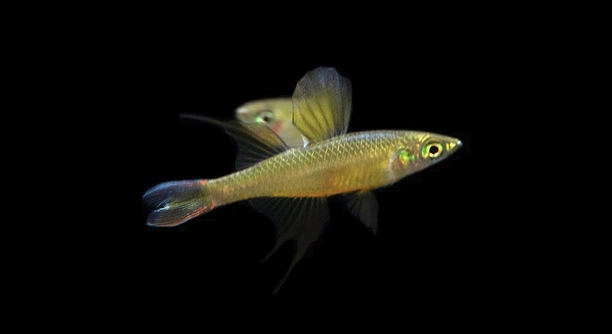
Threadfin Rainbowfish are small, colorful freshwater fish that brighten aquariums with their shimmering scales. Observing their daily habits can be relaxing, and enthusiasts often notice the subtle behaviors that make these fish unique and fascinating.
Threadfin Rainbowfish do not tuck their fins while sleeping. They typically rest near the bottom or within plants, maintaining their fins in a natural, relaxed position. This behavior ensures stability and readiness to respond quickly to environmental changes.
Learning about their sleep habits helps maintain a healthy environment and better care for these delicate, vibrant fish in home aquariums.
Typical Sleeping Behavior of Threadfin Rainbowfish
Threadfin Rainbowfish usually rest in groups, often near the bottom of the tank or among plants. Their fins remain extended naturally, and they show minimal movement during sleep periods. Observing them at dusk or early night reveals how they slow their swimming and find secure spots to rest. Unlike some species that fold fins or hide completely, Threadfin Rainbowfish prefer to keep a relaxed posture. Maintaining proper lighting and quiet conditions helps support their natural resting behavior. Tank decorations, plants, and hiding spots create a safe environment, allowing the fish to feel secure while they rest. Regular feeding schedules and stable water parameters also contribute to healthy sleep cycles. Over time, owners notice patterns in their activity and rest times. Understanding these behaviors is useful for monitoring health. Any sudden changes in resting habits, fin posture, or swimming patterns can indicate stress or environmental issues needing attention from the caretaker.
Their fins remain naturally extended even during sleep, showing they do not tuck them under their body.
Monitoring sleep helps detect early signs of stress or illness in Threadfin Rainbowfish, ensuring they stay healthy and active. Observing their daily rest routines allows for adjustments in tank setup.
Environmental Factors Affecting Sleep
Lighting and noise levels significantly influence how Threadfin Rainbowfish sleep.
Consistent water temperature, proper filtration, and gentle flow are critical. Bright lights or sudden noises can disrupt rest and cause stress. These fish thrive in stable conditions, so keeping a predictable schedule helps maintain normal sleep patterns. Dense plants and secure hiding spaces give them comfort during rest. Overcrowding can also interfere, as crowded tanks reduce available safe spots. Providing adequate space, calm conditions, and regular feeding routines supports natural sleep. Observing their behavior regularly helps identify any environmental issues. By adjusting lighting, noise, and tank setup, caretakers can promote optimal rest. A healthy sleeping environment leads to better activity, coloration, and overall well-being, ensuring the fish remain vibrant and lively in the tank. Proper monitoring and adjustments help prevent stress-related behaviors and maintain the long-term health of Threadfin Rainbowfish.
Feeding and Rest Patterns
Threadfin Rainbowfish generally feed during the day and rest at night. Their sleep schedule aligns with light cycles, and they are most active in the morning and late afternoon, slowing down as evening approaches.
Feeding times affect their rest. Providing small, frequent meals helps maintain energy and promotes regular sleep. Overfeeding can lead to sluggishness or stress, which may disrupt sleep behavior. They prefer a varied diet including flakes, small pellets, and occasional live or frozen foods. Observing their feeding response gives insight into health and activity levels. A consistent feeding routine supports natural resting patterns and overall well-being, preventing stress and promoting stable energy levels throughout the day.
Rest periods often occur in secure areas of the tank. Fish may hover near plants or decorations while remaining alert. Maintaining these quiet zones allows them to sleep without disturbances, reducing stress and supporting natural behavior.
Tank Setup for Healthy Sleep
Proper tank setup is essential for Threadfin Rainbowfish sleep.
The tank should include plants, hiding spaces, and gentle water flow. Stable temperature and clean water prevent stress, while consistent lighting supports their natural day-night cycle. Overcrowding can disrupt rest, so maintaining appropriate stocking levels is crucial. Decorations and plants provide shelter and comfort, allowing the fish to rest without feeling exposed. Regular monitoring of water parameters, including pH and ammonia levels, helps maintain an environment conducive to healthy sleep. A thoughtfully arranged tank encourages natural behavior, supporting both activity and rest periods effectively.
Recognizing Sleep Signs
Threadfin Rainbowfish slow their movements and hover near plants or decorations when resting. Their fins stay naturally extended, and they show minimal response to gentle disturbances, indicating a calm sleep state.
Some fish may shift position slightly while resting but maintain a relaxed posture. Observing these subtle cues helps understand their sleep habits and overall comfort in the tank.
Adjusting Light for Rest
Lighting directly affects sleep patterns in Threadfin Rainbowfish. Dimming lights gradually in the evening helps them transition into rest, while a consistent schedule maintains their natural day-night rhythm. Sudden changes in light can cause stress and disrupt sleep cycles, so keeping a predictable lighting routine is important for their well-being.
Common Sleep Disruptions
Loud noises, rapid water movement, or overcrowding can disturb Threadfin Rainbowfish sleep. Minimizing these factors supports calmer, healthier rest.
FAQ
Do Threadfin Rainbowfish need total darkness to sleep?
No, they do not require complete darkness. They respond well to dimmed lighting that mimics natural evening conditions. A gradual decrease in light helps them slow down and find a comfortable spot to rest, reducing stress and promoting natural sleep cycles.
Can they sleep while swimming?
Yes, Threadfin Rainbowfish often remain semi-active even during rest. They hover gently or drift near plants without fully tucking their fins. This behavior allows them to stay alert to changes in the tank, balancing rest with safety instincts.
How long do they usually sleep?
Threadfin Rainbowfish typically rest during nighttime hours, roughly eight to ten hours, depending on light cycles and tank conditions. Their sleep duration can vary slightly with age, health, and tank environment, but they maintain consistent rest patterns when conditions are stable.
Do they hide completely while sleeping?
They rarely hide entirely. Threadfin Rainbowfish prefer secure areas like among plants or decorations, maintaining a relaxed posture with extended fins. Complete hiding is uncommon unless they feel stressed or threatened, in which case providing more shelters can help reduce anxiety.
What signs indicate disturbed sleep?
Disturbed sleep can be noticed by erratic swimming, fin clamping, or excessive hiding. Sudden changes in behavior, increased aggression, or lethargy may indicate stress, poor water quality, or environmental disturbances affecting their rest. Monitoring these signs helps maintain a healthy tank environment.
Does water temperature affect sleep?
Yes, water temperature plays a role. Stable temperatures between 24–28°C (75–82°F) support regular activity and rest cycles. Sudden drops or spikes can stress the fish, leading to disrupted sleep patterns and lower energy during active periods. Consistency is key for their overall health.
Can diet impact their sleep?
Feeding directly influences energy levels and rest patterns. Overfeeding or feeding high-fat foods late in the day may cause restlessness at night. Providing small, balanced meals at consistent times encourages stable energy levels, allowing them to follow natural sleep rhythms.
Are there behavioral differences between young and adult fish?
Younger Threadfin Rainbowfish tend to rest less consistently and may be more active during nighttime hours. Adults develop more predictable sleep patterns, often choosing specific resting spots and maintaining a calm posture during sleep periods. Recognizing these differences helps manage care appropriately.
How do tank companions affect sleep?
Other fish in the tank can influence rest. Aggressive or overly active species may disrupt Threadfin Rainbowfish sleep, causing stress or forcing them to hide excessively. Providing sufficient space and peaceful companions ensures they can rest comfortably without disturbances.
Is it normal for fins to twitch while sleeping?
Occasional fin movements are normal. Slight twitches may occur due to water flow or muscle adjustments. As long as the fish maintains a relaxed posture and shows no signs of distress, these movements are part of natural sleep behavior.
Can sleep problems indicate health issues?
Yes, irregular sleep, lethargy, or unusual hiding can be early signs of illness or poor water conditions. Regular observation and timely adjustments to diet, water quality, or tank setup help prevent long-term problems and maintain healthy fish behavior.
How can I create a sleep-friendly environment?
Provide plants and decorations for shelter, maintain stable water parameters, and follow a consistent lighting schedule. Minimizing noise, avoiding overcrowding, and feeding at regular times create optimal conditions for Threadfin Rainbowfish to rest naturally and safely.
Do they need a separate nighttime feeding?
No, they thrive on daytime feeding. Nighttime feeding is unnecessary and may disrupt natural sleep patterns. Offering food during active hours ensures energy levels are maintained while keeping their rest periods undisturbed.
Can stress affect their sleep long-term?
Yes, chronic stress from poor tank conditions, aggressive tankmates, or inconsistent routines can lead to long-term sleep disruption. Ensuring stability and comfort in their environment supports healthy rest, vibrant coloration, and overall well-being.
What role do plants play in sleep?
Plants provide secure resting areas and reduce exposure to bright lights or tank activity. They help fish feel safe while resting, which promotes natural behavior and reduces stress during sleep periods. Adequate coverage encourages relaxed postures and normal sleep cycles.
Are there seasonal changes in sleep patterns?
In stable indoor aquariums, seasonal changes have minimal effect. However, slight variations in temperature or light duration may influence rest slightly. Maintaining consistent tank conditions ensures predictable sleep behavior year-round, supporting the health and activity of Threadfin Rainbowfish.
How can I tell if their sleep is sufficient?
Consistent activity during daylight, vibrant colors, and calm resting behavior at night indicate adequate sleep. Lethargy, fin clamping, or excessive hiding suggests insufficient rest or stress, signaling a need to check tank conditions and routines.
Do they sleep in groups or alone?
Threadfin Rainbowfish often sleep near other members of their species. Group resting provides security, but individual fish may choose separate spots if preferred. Observing patterns helps determine comfort levels and tank layout needs.
Is it harmful if they wake up frequently?
Frequent waking can indicate stress, poor water quality, or disturbances. While occasional brief movements are normal, repeated interruptions may affect health. Addressing environmental factors helps restore uninterrupted rest and overall well-being.
Do older fish sleep differently than younger fish?
Older fish usually develop predictable resting spots and calmer sleep patterns. They may show less movement during rest, relying more on familiar areas for safety, while younger fish remain more active and exploratory even during sleep periods.
Can fin condition affect sleep comfort?
Yes, damaged or unhealthy fins may make resting uncomfortable. Maintaining proper water conditions, diet, and minimizing aggressive interactions helps preserve fin health, ensuring fish can rest naturally without stress or discomfort.
How important is routine for their sleep?
A consistent daily routine, including feeding, lighting, and activity periods, is vital. Predictable schedules support natural rhythms, reduce stress, and encourage restful sleep, contributing to overall fish health and longevity.
Do they respond to touch while sleeping?
Light disturbances may cause brief movement, but healthy Threadfin Rainbowfish usually resume rest quickly. Avoid frequent handling or tapping on the tank, as it can disrupt sleep and increase stress over time.
Can sleep issues affect growth?
Yes, inadequate rest can influence growth and development. Proper sleep supports metabolism, energy balance, and immune function, making consistent rest important for young and adult fish alike.
Are there differences in sleep behavior between males and females?
Males may display slightly more active patterns, especially during feeding times or in the presence of females. Both genders, however, maintain similar resting postures, with extended fins and minimal movement during sleep.
How do water changes affect sleep?
Major water changes or fluctuations in parameters can temporarily disrupt sleep. Gradual changes and maintaining stable conditions help the fish adjust without affecting their natural rest patterns.
What is the best way to observe sleep without causing stress?
Watch quietly from outside the tank or use dim lighting to minimize disturbances. Avoid tapping or moving decorations, as these actions may startle the fish and interrupt rest.
Can tank size influence sleep quality?
Yes, larger tanks with sufficient space and hiding areas allow Threadfin Rainbowfish to rest comfortably. Overcrowded or poorly structured tanks can lead to stress, restless behavior, and disrupted sleep cycles.
Do they need different sleep conditions than other tropical fish?
Their sleep requirements are similar to many small tropical species, focusing on stable lighting, temperature, and secure resting areas. Specific care adjustments for their natural behaviors enhance comfort and reduce stress during rest periods.
Are there signs of deep sleep?
Deep sleep is indicated by minimal movement, relaxed fins, and a calm posture near shelter. They remain alert to major disturbances but show reduced responsiveness to minor environmental changes.
Can changing tank decorations affect sleep?
Yes, moving plants or hiding spots can disrupt familiar resting areas. Gradual rearrangement allows fish to adapt while maintaining comfort during sleep periods.
Do they sleep more in groups or alone?
Group sleeping provides security, but individual preference may vary. Observing patterns helps create a balanced environment with enough safe spaces for all fish.
How does feeding timing affect nighttime activity?
Feeding close to nighttime may keep them active longer and delay sleep. Scheduling meals during active daylight hours ensures they can rest naturally at night.
Is it normal for them to shift positions while sleeping?
Yes, slight adjustments occur to maintain balance or comfort. As long as movement is minimal and posture remains relaxed, this is part of normal sleep behavior.
Can stress from new tankmates disrupt sleep?
Introducing new or aggressive fish can cause temporary sleep disruption. Monitoring behavior and providing hiding spaces reduces stress and helps them resume normal rest patterns quickly.
Are sleep disruptions reversible?
Most disruptions caused by environmental changes, stress, or routine issues can be corrected. Restoring stable conditions and monitoring behavior helps Threadfin Rainbowfish return to normal sleep cycles over time.
Do they sleep differently in planted tanks versus bare tanks?
Planted tanks offer secure resting areas, encouraging calm and extended rest. Bare tanks may lead to increased alertness and shorter sleep periods due to perceived exposure. Plants and decorations improve comfort and reduce stress during sleep.
Can illness mask normal sleep behavior?
Yes, sick fish may rest excessively, appear lethargic, or show irregular patterns. Monitoring for illness signs and maintaining proper care ensures sleep reflects natural behavior rather than health issues.
Do they ever enter a deep rest similar to hibernation?
Threadfin Rainbowfish do not hibernate. They maintain light rest periods at night while staying alert to the environment. Their sleep is restorative but always allows for quick response to potential threats.
Is there a difference between tank-lit and natural sunlight?
Artificial lighting can mimic natural cycles effectively. Consistent schedules and gradual dimming help maintain sleep patterns. Direct sunlight may cause temperature fluctuations, so controlled lighting is preferable for stable rest.
Do sleep patterns change with age?
Young fish sleep less predictably, often adjusting to tank conditions. Adults develop more consistent patterns, resting in familiar spots with calm, extended fins, reflecting natural behavior established over time.
Can changing water chemistry affect sleep immediately?
Yes, sudden shifts in pH, hardness, or other parameters can disturb rest. Gradual adjustments prevent stress and maintain stable sleep behavior.
Do fin injuries impact sleeping posture?
Yes, damaged fins may cause awkward resting positions or limit movement. Maintaining clean water, gentle handling, and proper nutrition helps prevent injuries and ensures comfortable rest.
How can I tell if sleep is improving?
Regular calm resting, consistent activity during the day, and minimal stress behaviors indicate improved sleep. Observation over days or weeks provides insight into the effectiveness of environmental adjustments.
Are nighttime tank activities disruptive?
Yes, tapping, loud noises, or rapid movements near the tank can interrupt rest. Minimizing disturbances supports natural sleep and reduces stress-related behaviors.
Do they adjust to irregular light cycles?
They can adapt, but irregular lighting may stress the fish and disrupt natural sleep rhythms. A stable, predictable cycle ensures consistent rest and better overall health.
Does tank water flow affect sleep?
Gentle flow supports oxygenation without disturbing rest. Strong currents can prevent calm resting and cause stress. Adjusting filters or flow patterns helps maintain a peaceful sleeping environment.
Is it normal for them to wake briefly during the night?
Brief waking is natural, usually to adjust position or respond to minor changes. Frequent disturbances, however, may indicate environmental stress or discomfort requiring attention.
Can sleep affect coloration?
Yes, rested fish display brighter, more vibrant colors. Inadequate rest or stress can dull coloration and impact overall health, reflecting the importance of proper sleep conditions.
How important is hiding space for sleep?
Hiding spaces reduce stress and provide comfort, allowing natural resting postures. Adequate cover ensures calm sleep and supports overall well-being, especially in community tanks with multiple species.
Do males and females sleep differently?
Males may show slightly more activity during rest periods, particularly in the presence of females. Both maintain relaxed fins and calm postures, but small behavioral differences may be observed in certain social settings.
Is temperature fluctuation stressful at night?
Yes, rapid temperature changes can disturb rest and stress Threadfin Rainbowfish. Maintaining stable, appropriate temperature supports uninterrupted sleep and overall health.
Can sleep patterns predict health issues?
Consistent deviations from normal sleep may indicate stress, illness, or poor water conditions. Early detection through observation allows timely adjustments to prevent long-term problems.
Do they prefer specific resting heights in the tank?
They typically rest mid to lower levels, often near plants or substrate. Providing options allows choice and supports comfort, promoting natural resting behavior.
Does diet timing influence sleep quality?
Yes, feeding during active daylight hours ensures energy is available when needed and prevents late-night activity that may interfere with rest. Consistent routines help maintain natural sleep cycles.
Are stress behaviors reversible with improved conditions?
Yes, stabilizing environment, reducing disturbances, and ensuring proper care can restore normal sleep behavior, fin posture, and activity levels.
Do they need complete still water to rest?
No, gentle movement is acceptable. Strong currents may disrupt rest, but light water flow supports oxygenation and comfort during sleep.
Can sudden noise cause long-term sleep issues?
Repeated disturbances can create stress, affecting sleep and overall health. Minimizing noise near the tank helps maintain stable rest patterns.
Do they recognize safe resting spots?
Yes, over time, fish choose familiar locations that provide security. Moving decorations can temporarily disrupt this, but they adapt quickly if environment remains stable.
Are sleep disruptions more common in small tanks?
Limited space increases stress and reduces available hiding spots. Larger, well-structured tanks promote calmer, uninterrupted sleep and healthier behavior overall.
Can illness mimic sleep disturbances?
Yes, lethargy, unusual hiding, or fin clamping may appear as sleep disruption but often indicates health issues. Proper care and observation help distinguish the cause.
Do they require less sleep in larger groups?
Group resting provides security and may reduce perceived need for hiding. They still require consistent night rest to maintain health and activity.
Is observing sleep important for tank management?
Yes, monitoring sleep offers insight into environmental suitability, stress levels, and overall fish health, allowing proactive adjustments to improve well-being.
Can sleep deprivation affect breeding behavior?
Yes, inadequate rest may reduce energy for mating, stress hormone balance, and overall vitality. Stable, calm environments support both sleep and reproductive health.
Do they sleep differently during illness recovery?
Ill or recovering fish may rest more or choose hidden spots. Monitoring behavior ensures interventions are effective and recovery progresses without unnecessary stress.
Can artificial lighting schedules be adjusted for better sleep?
Yes, simulating gradual dawn and dusk supports natural rhythms. Abrupt light changes can cause stress and disrupt rest, while consistent schedules enhance well-being.
Does tank location influence sleep?
Placing the tank in a quiet, low-traffic area minimizes disturbances. Avoiding vibrations, loud sounds, or direct sunlight ensures calmer resting periods.
Are their fins always extended while sleeping?
Yes, fins remain naturally extended. Clamping may indicate stress, poor water quality, or illness, not normal sleep behavior. Observing fin posture helps assess comfort.
Can water chemistry affect sleep patterns?
Fluctuations in pH, ammonia, or hardness can disturb rest. Maintaining stable water parameters ensures consistent, healthy sleep behavior and reduces stress.
Is it normal for them to shift sleep spots occasionally?
Yes, minor changes occur based on comfort, light, and tank activity. Consistency in environment helps them establish preferred resting areas over time.
Do they prefer quieter areas for sleeping?
Yes, calmer zones with minimal disturbance encourage relaxed posture and uninterrupted rest, reducing stress and promoting healthy behavior.
Can sudden feeding changes affect sleep?
Altering feeding schedules or amounts may increase nighttime activity. Maintaining consistent, balanced meals ensures natural sleep cycles and reduces restlessness.
Do they exhibit light sleep stages?
Yes, subtle fin movements and slight alertness indicate lighter sleep stages. Deep rest occurs in secure areas with minimal movement, reflecting natural behavior.
How long does it take to correct disrupted sleep?
Restoration depends on the cause. Adjusting lighting, water quality, and tank setup can normalize sleep within days to weeks, depending on stress levels and individual fish adaptation.
Are there signs of excessive sleep?
Prolonged inactivity, lack of feeding response, or persistent hiding may indicate illness or stress rather than natural extended rest. Observing overall behavior helps distinguish the cause.
Can tankmates’ activity influence sleep?
Yes, active or aggressive species may disturb resting fish. Providing hiding areas and selecting peaceful companions ensures Threadfin Rainbowfish can rest without interruptions.
Does age influence response to disturbances?
Younger fish may react more strongly to noise or movement, while adults often tolerate minor disturbances better. Understanding age differences helps manage environment effectively.
Is it normal for fish to stretch fins while sleeping?
Yes, occasional fin adjustments are normal. They maintain relaxed posture, and slight movements ensure comfort and balance during rest.
Can lighting color impact sleep?
Subtle light changes, such as softer or warmer tones, are generally well-tolerated. Avoid intense or harsh lighting at night to prevent stress and disruption of rest.
Are there seasonal variations in sleep even indoors?
Indoor conditions minimize seasonal effects, but slight changes in ambient temperature or daylight may influence activity slightly. Consistent tank management ensures stable sleep year-round.
Do sleep patterns correlate with feeding behavior?
Yes, consistent daytime feeding supports regular energy cycles, allowing natural nighttime rest. Irregular feeding may cause nighttime activity and restless sleep.
Can stress from tank maintenance affect sleep?
Yes, sudden water changes or frequent cleaning may temporarily disrupt sleep. Performing tasks calmly and gradually reduces stress and maintains rest cycles.
How important is observation for ensuring proper sleep?
Monitoring resting behavior, fin posture, and activity levels allows early detection of stress or illness. Consistent observation ensures a healthy, calm environment for Threadfin Rainbowfish.
Are there differences in sleep between males and females in social settings?
Males may show slightly more vigilance or movement in the presence of females, but both genders maintain extended fins and calm resting postures during sleep.
Does tank decoration height matter?
Varied heights provide options for resting. Mid to lower-level decorations allow fish to choose preferred spots, supporting comfort and security during sleep.
Can frequent tank disturbances lead to long-term stress?
Yes, repeated disruptions from noise, movement, or aggressive tankmates can cause chronic stress, affecting sleep, coloration, and overall health. Minimizing disturbances is essential.
Do they sleep differently in groups of different sizes?
Larger groups may feel safer and show calmer sleep patterns, while very small groups may increase alertness. Providing appropriate social structure supports natural resting behavior.
Is nighttime feeding recommended for sleep improvement?
No, feeding at night may disrupt rest.
Final Thoughts
Threadfin Rainbowfish are small, active fish that brighten any aquarium with their colors and gentle movements. Observing them over time reveals interesting patterns, especially when it comes to resting and sleeping. Unlike some other species, they do not tuck their fins while sleeping, and this is completely normal. Their fins remain naturally extended, which allows them to maintain balance and stay alert to their surroundings even during rest. Watching them settle among plants or hover near the bottom is a simple way to understand how they find comfort and security in their environment. Over time, noticing these small behaviors helps improve care and ensures they are thriving in a tank. A calm, quiet environment with gentle water flow encourages restful behavior and reduces stress. Understanding these natural patterns is an important part of maintaining a healthy aquarium and supporting the overall well-being of the fish.
Providing a proper tank setup is essential for their comfort during rest. Threadfin Rainbowfish need plants, decorations, and hiding spaces where they can feel secure. A well-structured tank reduces stress and promotes natural behavior, especially during sleep. Lighting plays a major role in regulating their activity and rest. Gradually dimming lights in the evening helps signal that it is time to rest, while a consistent day-night cycle maintains normal sleep patterns. Overcrowding or aggressive tankmates can disrupt sleep and increase stress, so ensuring adequate space and compatible companions is crucial. Stable water conditions, including temperature, pH, and filtration, contribute to healthy sleep patterns and overall vitality. Regular monitoring of these factors allows you to make small adjustments as needed to create a stable and comfortable environment. Following these guidelines supports not only sleep but also activity, feeding, and coloration, which are indicators of fish health.
Observing sleep habits also provides insight into potential issues before they become serious. Changes in posture, fin clamping, or unusual hiding behavior can indicate stress, illness, or environmental problems. Early detection of these signs makes it easier to address concerns, whether it involves adjusting lighting, water parameters, or tank layout. Diet and feeding schedules are also closely linked to rest, as consistent daytime feeding encourages normal nighttime behavior. Overfeeding or irregular meal times may interfere with rest and energy levels. Taking note of these patterns and providing a calm, predictable environment allows Threadfin Rainbowfish to establish regular sleep cycles. Proper care ensures they remain vibrant, active, and healthy, while their calm resting behavior can be a source of quiet enjoyment for the observer. Overall, paying attention to sleep habits is a practical way to enhance the well-being of Threadfin Rainbowfish and maintain a thriving aquarium environment.

Hello,
If you enjoy the content that we create, please consider saying a "Thank You!" by leaving a tip.
Every little bit helps us continue crafting quality advice that supports the health, happiness, and well-being of pets around the world, for pets of all shapes, sizes, and species.
We really appreciate the kindness and support that you show us!