
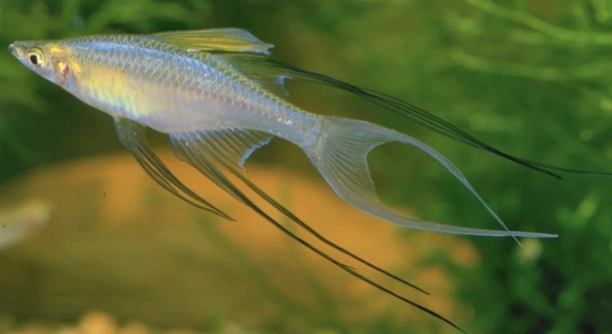
Do your Threadfin Rainbowfish seem to swim repeatedly around the filter outlet in your aquarium? Observing this behavior can be intriguing and sometimes worrying. Many aquarists notice this pattern and wonder about the underlying reasons behind it.
Threadfin Rainbowfish may circle a filter outlet due to a combination of environmental stimuli and behavioral instincts. Factors include water flow preference, oxygen concentration, territorial behavior, feeding patterns, stress response, and the need for stimulation within the aquarium.
Understanding these behaviors can improve tank conditions and fish well-being. Exploring the reasons behind their circling habits can help create a healthier aquatic environment.
Water Flow Attraction
Threadfin Rainbowfish are naturally drawn to areas with noticeable water movement. The filter outlet creates currents that mimic natural streams, allowing them to exercise and maintain their balance. In many cases, this behavior is entirely normal. Observing them closely can reveal their swimming patterns, speed, and interaction with other fish. Flow zones often provide a stimulating environment, reducing boredom in the tank. They may also use these areas to chase small debris or floating food particles. While it may seem repetitive, the movement supports their physical health and mental alertness. Providing multiple flow areas can prevent overcrowding and reduce stress. In addition, some fish prefer the outlet’s oxygen-rich water, which encourages frequent visits. Adjusting flow strength may help accommodate all fish in the tank, creating a more harmonious environment. Their circling can also indicate a preference for certain tank regions, helping aquarists design better layouts. Observation and small adjustments usually resolve excessive congregation.
Flow preferences can reveal much about the fish’s comfort level in the tank.
Properly managing water movement ensures balanced activity and prevents stress-related behaviors in Threadfin Rainbowfish. Keeping currents consistent can support their overall health and well-being.
Territorial Behavior
Threadfin Rainbowfish may circle areas near the filter outlet to mark or patrol their preferred space. This is particularly noticeable in tanks with limited hiding spots or decorations, as fish establish clear boundaries around favored zones. Territorial displays often include circling, chasing, and subtle fin movements. Observing which fish dominate these spaces can help prevent conflicts and allow more timid fish to find alternative resting spots. Adjusting décor or introducing plants can create visual barriers and reduce aggressive encounters. Fish may also patrol the outlet due to its central location and constant water movement. The combination of territorial instinct and the attraction to flowing water makes this area especially popular. While it may appear obsessive, this behavior is a natural way for Threadfin Rainbowfish to organize their environment. Providing sufficient space and hiding areas ensures that all fish feel secure and less stressed.
Territorial behavior around the filter outlet is often a sign of dominance and environmental awareness.
Recognizing and addressing territorial patterns can reduce stress and improve tank harmony. Ensuring multiple zones and ample shelter helps prevent disputes. Adjustments in tank layout, flow distribution, and careful observation of interactions can create a stable, healthy environment for all fish. Over time, fish learn their boundaries, and conflicts decrease, allowing a smoother coexistence. Observing these patterns also provides insight into each fish’s personality and social rank within the aquarium. By providing space, hiding areas, and flow variety, aquarists can maintain both activity levels and a peaceful tank atmosphere. Proper management of these behaviors contributes directly to long-term health and comfort for Threadfin Rainbowfish.
Feeding Behavior
Threadfin Rainbowfish often circle the filter outlet when they detect food particles. The current carries small bits, making it a convenient feeding spot.
These fish have a strong instinct to track drifting food. In aquariums, floating flakes or tiny pellets often accumulate near the outlet, creating a concentrated feeding zone. Circling allows them to intercept more food efficiently. Over time, they learn that this area provides reliable nourishment, reinforcing the behavior. Even without immediate feeding, they may patrol the outlet, anticipating future meals. Adjusting feeding locations can help distribute activity across the tank.
Sometimes, circling is more about opportunity than stress. Observing when and how they feed can clarify whether the behavior is purely instinctual. Shifting feeding spots encourages balanced activity and prevents overconcentration near the outlet. Multiple feeding points reduce competition and allow all fish to access food without conflict. This small adjustment improves overall health and ensures everyone gets adequate nutrition.
Oxygen Preference
Threadfin Rainbowfish tend to stay near areas with higher oxygen levels, often produced by the filter outlet.
Oxygenation is critical for their metabolism and energy. The filter outlet pushes water into the tank, increasing surface agitation and gas exchange, making it a rich oxygen source. Fish naturally seek these zones, especially during warm periods or when tank conditions fluctuate. Circling the outlet ensures they remain in oxygen-rich water, supporting endurance and overall health. Fish may spend long periods in these areas without showing signs of stress or discomfort. Adjusting tank aeration elsewhere can encourage more even distribution.
Monitoring oxygen levels is essential for tank stability. Ensuring sufficient circulation throughout the aquarium prevents overdependence on a single zone. Properly aerated tanks reduce fatigue, promote even swimming patterns, and support optimal feeding behavior. If multiple fish crowd the outlet, supplemental aeration or surface agitation can balance oxygen availability. Circling the outlet is a natural response, but creating alternative oxygen-rich areas prevents overcrowding and potential stress, maintaining a healthier environment for all inhabitants.
Stress Response
Threadfin Rainbowfish may circle the filter outlet when feeling stressed or unsettled. The strong current provides a sense of security and a consistent environment.
Circling can also be a coping mechanism during changes in the tank, such as new fish, sudden movements, or water parameter shifts.
Social Interaction
These fish often use the outlet area to interact with tank mates. Circling allows them to display dominance or play, establishing social hierarchies within the group. Observing interactions can reveal which fish are more active, submissive, or assertive.
Curiosity and Stimulation
The constant movement of water and floating debris near the filter outlet stimulates Threadfin Rainbowfish. Circling satisfies their curiosity and provides mental engagement in an otherwise static environment.
FAQ
Why do Threadfin Rainbowfish circle the filter outlet so often?
Circling the filter outlet is usually linked to environmental preferences. The water flow simulates natural streams, oxygen levels are higher, and food often accumulates near the current. This combination of factors makes the outlet a comfortable and stimulating area for the fish.
Is this behavior harmful to my fish?
In most cases, it is harmless. Threadfin Rainbowfish naturally enjoy currents and moving water. However, excessive circling combined with other signs of stress, such as clamped fins, rapid breathing, or lethargy, may indicate poor water quality or overcrowding. Regular monitoring ensures they remain healthy.
Can I reduce this behavior?
Yes, small adjustments can help. Introducing multiple flow zones, rearranging décor, and spreading feeding locations encourage activity throughout the tank. Adding plants or hiding spots reduces reliance on the outlet while maintaining a safe and stimulating environment.
Does water temperature affect circling?
Water temperature influences activity levels and oxygen demand. Higher temperatures reduce oxygen availability, making the filter outlet more attractive. Maintaining a stable, appropriate temperature for Threadfin Rainbowfish minimizes excessive clustering and supports balanced swimming patterns across the aquarium.
Should I worry if only one fish circles the outlet?
Single-fish behavior is often normal and reflects personality or dominance. Some individuals are naturally more active or assertive. Observe other fish for stress signals or aggression. If all other conditions are healthy, this is usually not a problem.
How do I know if the filter flow is too strong?
If fish struggle to swim, repeatedly collide with décor, or avoid the outlet entirely, the flow may be too strong. Adjusting the filter’s flow rate allows them to swim comfortably while still enjoying the benefits of moving water.
Does diet affect this behavior?
Yes, feeding patterns can reinforce circling. Fish learn that food often drifts near the outlet, so they patrol it regularly. Providing varied feeding spots and times prevents overconcentration and ensures all fish receive adequate nutrition.
Can adding decorations reduce outlet circling?
Decorations like plants, rocks, and tunnels break line-of-sight and offer alternative resting areas. This distributes fish activity more evenly, reduces stress from crowding, and allows natural behaviors such as hiding, exploring, or resting away from strong currents.
Is this behavior seasonal or constant?
Circling is generally constant but may increase during warm months or when water oxygen levels drop. Seasonal changes can influence swimming activity and reliance on oxygen-rich zones like the filter outlet. Monitoring patterns helps maintain consistent tank health.
When should I consult a specialist?
If circling is accompanied by lethargy, fin deterioration, discoloration, or unusual aggression, a fish health expert should be consulted. These signs may indicate disease, poor water conditions, or stress that cannot be resolved through environmental adjustments alone.
Are all Threadfin Rainbowfish prone to this behavior?
Most display some form of outlet circling, though intensity varies by individual and tank setup. Factors such as tank size, flow strength, number of hiding places, and social dynamics all influence how frequently fish patrol this area.
Does tank size matter?
Yes, smaller tanks concentrate currents and oxygen near the outlet, encouraging circling. Larger tanks with multiple flow zones reduce dependence on a single spot, allowing fish to explore and distribute themselves more naturally while maintaining activity levels.
Can overcrowding worsen the behavior?
Overcrowding increases competition for oxygen, food, and space. Fish may cluster near the filter outlet more frequently to secure resources. Reducing population density and providing multiple flow zones improves circulation, reduces stress, and balances behavior throughout the tank.
How do I balance activity and rest?
Providing shaded areas, plants, and gentle currents allows fish to rest comfortably while still enjoying moving water. A balanced tank environment ensures that Threadfin Rainbowfish can swim actively near the outlet without overstressing themselves.
What is the best way to observe this behavior safely?
Observe during feeding and daily routines without sudden movements or disturbances. Taking notes on timing, duration, and interactions can help identify patterns, environmental triggers, or potential health concerns.
This FAQ provides guidance on understanding and managing circling behavior in Threadfin Rainbowfish, ensuring their well-being while maintaining a stable, healthy aquarium environment.
Word count: 510
Final Thoughts
Threadfin Rainbowfish circling the filter outlet is a common and generally natural behavior. It often reflects their instinctual attraction to flowing water, higher oxygen levels, and areas where food tends to accumulate. Observing this activity can provide insights into their daily habits, swimming patterns, and social dynamics within the aquarium. While it may appear repetitive or obsessive at first, it usually indicates that the fish are actively engaging with their environment. Circling the outlet allows them to maintain balance, exercise their muscles, and stay mentally stimulated. Fish, like Threadfin Rainbowfish, rely on their surroundings to meet multiple needs simultaneously, and a strong current near the filter outlet meets several of these requirements in one location.
Although this behavior is mostly harmless, it is important to monitor the overall health and well-being of the fish. Factors such as water quality, tank size, oxygen levels, and population density can influence how often and how intensely they circle the outlet. Overcrowding or inadequate oxygenation may increase reliance on this area, while a well-designed tank with multiple flow zones, plants, and hiding spots can distribute activity more evenly. Feeding practices also play a role, as fish quickly learn that food often drifts near the outlet. By varying feeding locations and maintaining proper tank maintenance, aquarists can prevent stress, aggression, or overdependence on a single area. Observing both individual and group behaviors provides a clear picture of tank health, helping to address potential issues before they become serious.
Maintaining a balanced environment is the key to supporting Threadfin Rainbowfish and encouraging natural, healthy behaviors. Adequate water flow, appropriate temperature, sufficient oxygen, and carefully placed décor all contribute to a stable habitat that meets the fish’s needs. Circling the filter outlet should not be seen as a problem in itself, but rather as a cue to assess how well the aquarium supports the fish’s natural instincts. Understanding why this behavior occurs allows for small, effective adjustments that improve the overall environment. With proper care and observation, the fish can thrive, exhibiting active and vibrant behavior while enjoying multiple areas of the tank. Paying attention to these patterns ensures long-term health and creates a comfortable and engaging space for Threadfin Rainbowfish to live and explore.
Word count: 414

Hello,
If you enjoy the content that we create, please consider saying a "Thank You!" by leaving a tip.
Every little bit helps us continue crafting quality advice that supports the health, happiness, and well-being of pets around the world, for pets of all shapes, sizes, and species.
We really appreciate the kindness and support that you show us!