
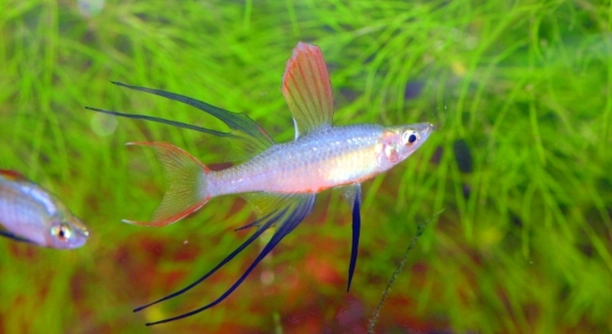
Do you ever notice small changes in your Threadfin Rainbowfish but are unsure what they mean? Observing their behavior closely can reveal interesting patterns that hint at what is happening in your aquarium.
Threadfin Rainbowfish exhibit several distinct behaviors and physical changes when mating. Males often display brighter colors, engage in fin flaring, and swim closely around females. These actions, along with territorial movements and courtship displays, indicate readiness to reproduce.
Knowing these early signs helps you maintain a healthy environment and support your fish’s natural breeding habits in the tank.
Color Intensification in Males
Male Threadfin Rainbowfish often develop much brighter colors when preparing to mate. Their scales reflect more light, appearing almost metallic, which helps attract females. You may notice a sudden increase in reds, blues, and silvers along the body and fins. This change is subtle at first but becomes more pronounced over a few days. During this period, males may swim more actively around the tank, positioning themselves near plants or open spaces where females can see them easily. They often display flared fins, which emphasizes their colors further. Observing these shifts can give a clear signal that your male is ready for courtship. Color changes are usually accompanied by more energetic movements, chasing other males away from prime spots. Providing stable water conditions and proper nutrition helps maintain these vivid hues, ensuring your males show their best appearance. Bright coloration is a reliable visual cue for predicting upcoming mating behaviors.
Male coloration intensifies to attract females and show dominance, a key indicator of reproductive readiness in the tank.
These color changes are often paired with specific behaviors like fin flaring and increased swimming patterns. Males may circle females, hover near plants, or stake out sections of the tank, demonstrating both fitness and availability. Monitoring these signs closely allows you to prepare the tank for breeding. Ensuring clean water, adequate hiding spots, and sufficient food supports these behaviors. Females tend to respond to the most vibrant and active males, so providing the right environment can influence successful pairings. Over time, the intensity of the colors may fluctuate, depending on mood, health, and social interactions. Understanding these patterns helps you anticipate spawning and manage interactions between fish, reducing stress and promoting natural reproductive behaviors. Regular observation will make it easier to recognize when males are actively courting, allowing timely adjustments in the tank setup to maximize breeding success.
Increased Courtship Displays
Courtship displays become noticeable as males actively approach females and perform repeated swimming patterns around them.
During these displays, males may wiggle, circle, or hover near females while spreading their fins. These behaviors signal interest and encourage females to respond.
Courtship behaviors are consistent and ritualized, often repeating several times daily. Males may chase rivals away to secure the female’s attention, establishing temporary territories. Females may react by swimming nearby, staying hidden, or showing readiness through subtle movements. Watching these interactions helps you identify which fish are likely to spawn. Tank setup impacts how freely these displays can occur. Open areas with some planted regions allow males to show off while giving females space to respond naturally. Courtship displays can also indicate overall health; active and colorful males performing these routines are more likely to succeed in mating. Recognizing these signs early provides the chance to optimize conditions, like adjusting lighting, adding fine-leaved plants for egg-laying, or ensuring minimal disturbances. By observing their behavior carefully, you can support a smoother breeding process and enhance the chances of successful spawning in your aquarium.
Chasing and Territorial Behavior
Males start chasing each other and guarding specific areas of the tank. These behaviors are meant to secure a female’s attention and show dominance over rivals.
Chasing is often frequent and intense, with males swimming rapidly after each other or nudging to assert control. They select favorite spots near plants or open areas where females usually swim, and they will defend these locations aggressively. Territorial disputes may last for several minutes, and sometimes multiple males will compete over the same space. Observing which males dominate certain areas can give insight into potential breeders. These behaviors are natural and generally not harmful if the tank has enough space. Ensuring proper hiding spots reduces stress on less dominant fish.
Territorial behavior often coincides with displays of color and fin flaring. Watching these interactions provides clear signs of reproductive activity.
Even subtle movements like circling a female or flaring fins while chasing rivals indicate readiness for mating. The combination of chasing, defending space, and showing off visually creates a hierarchy, where dominant males have the best chance to attract females. Less dominant males may retreat or focus on other areas, balancing aggression and safety. Over time, these interactions stabilize as males learn their ranks. Observing patterns over several days provides a more complete picture of mating readiness. Proper tank size, hiding areas, and compatible group sizes reduce stress and ensure all fish can display natural behaviors without injury. Understanding these interactions helps manage breeding conditions effectively.
Nesting and Egg-Laying Preparations
Males often choose areas near plants or flat surfaces for potential egg-laying spots, showing early preparation.
They may hover, fan fins, and clean surfaces while females observe. These areas become central points for future spawning, and males work to make them appealing.
Males and females both engage in preparatory behaviors before actual spawning. Males often fan water over chosen surfaces to remove debris and increase oxygen flow, while females may explore these areas, testing for suitability. Eggs are usually deposited on fine-leaved plants or smooth surfaces where attachment is easy. Providing ample plants and clean substrate encourages natural spawning and reduces competition stress. Watching these preparations helps anticipate actual egg-laying and ensures you can provide optimal conditions. Recognizing where males focus their efforts also aids in separating eggs for protection, improving survival rates in the tank.
Pair Swimming
Males and females often swim together closely, moving in sync around the tank. This behavior signals the formation of temporary bonds during mating periods.
The synchronized swimming allows males to guide females toward preferred spawning sites. It also helps females become comfortable with the chosen area and reduces stress.
Fin Flaring
Males repeatedly flare their fins to appear larger and more attractive. This display is a clear indicator of mating intent.
Fin flaring is combined with brightened coloration and circling movements. Watching this behavior helps identify which males are actively courting females.
Increased Feeding
During mating periods, Threadfin Rainbowfish often show heightened interest in food. This ensures energy levels remain high for breeding activities.
How can I tell if my Threadfin Rainbowfish are ready to mate?
You can recognize readiness by observing several behaviors. Males often show brighter colors and flare their fins regularly. They may chase other males, guard certain areas, and swim closely with females. Females respond by exploring the same areas or staying near active males. Watching their interactions over several days gives a clearer picture of mating readiness.
What is the role of color in mating behavior?
Color intensification is one of the most obvious signals. Males develop vivid reds, blues, and silvers along their bodies and fins. Brighter colors indicate health, dominance, and readiness to breed. Females are naturally attracted to these displays, which helps ensure that the fittest males have higher chances of successful spawning. Maintaining good water quality and nutrition helps males sustain these colors during courtship periods.
Why do males chase each other?
Chasing is a form of territorial and dominance behavior. Males establish preferred spots in the tank, often near plants or open areas suitable for spawning. They chase rivals away to secure these spaces and to attract females. This behavior is normal and signals active reproductive readiness. Providing enough space and hiding areas prevents excessive stress or injury among males.
What does synchronized swimming indicate?
When males and females swim together closely, it signals a temporary mating bond. The behavior helps guide females toward suitable spawning areas and reduces stress during courtship. Observing which pairs swim in sync helps identify likely mating partners, giving insight into which fish will be spawning soon.
Why do males flare their fins?
Fin flaring serves both as a visual display of strength and a mating signal. Males often combine flaring with bright coloration and circling movements around females. This behavior draws attention to their fitness and dominance, making them more attractive to potential mates while also reinforcing their claim over territory.
How can tank conditions affect mating?
Water quality, temperature, and tank setup are critical. Clean water with stable parameters supports vibrant coloration and active behavior. Providing plants and open spaces allows males to establish territories and females to explore safely. Poor conditions may reduce courtship displays, increase stress, or prevent successful spawning altogether.
What is the significance of egg-laying preparations?
Before spawning, males choose areas near plants or smooth surfaces and begin cleaning them. Fanning water over these surfaces increases oxygen flow and makes the sites more appealing to females. Females inspect these areas before depositing eggs, and males continue guarding the chosen spots to maximize reproductive success.
Why does feeding behavior change during mating?
Both males and females often show increased appetite. Reproductive activities demand more energy, so higher feeding helps maintain stamina. Providing a nutritious diet during this period supports healthy spawning and ensures that fish have the energy to engage in courtship behaviors, chase rivals, and prepare nesting areas.
How can I support successful breeding?
Ensuring adequate space, hiding spots, plants for egg-laying, and a clean environment is key. Observe male behaviors like color changes, fin flaring, chasing, and synchronized swimming. Supporting natural behavior through proper nutrition and stable water conditions improves the likelihood of successful spawning and reduces stress on all fish in the tank.
When should I intervene in aggressive behavior?
Aggression is normal, but if chasing leads to injury or constant stress, intervention is needed. Separating overly aggressive males, adding more hiding spaces, or increasing tank size can help balance interactions. Observing behaviors carefully allows you to intervene only when necessary, supporting natural mating patterns while protecting the well-being of all fish.
How long does the mating process usually take?
The process from initial displays to egg-laying can span several days. Males establish territories, perform courtship displays, and guide females to chosen sites. Females inspect these areas before spawning. Monitoring the tank consistently allows you to anticipate key moments, ensuring eggs and fry are protected once spawning occurs.
What signs indicate successful spawning has occurred?
After spawning, eggs are usually visible on plant leaves or flat surfaces. Males may continue guarding these sites for a short time. The presence of healthy, attached eggs and reduced chasing between males and females signals that mating has successfully taken place. Proper care at this stage ensures high survival rates for the offspring.
This FAQ section covers most common questions about Threadfin Rainbowfish mating behaviors. Observing color, chasing, fin flaring, and nesting preparation allows you to predict and support successful breeding in a tank environment.
Observing Threadfin Rainbowfish as they prepare to mate can be a rewarding experience. Their behaviors are often subtle at first, but paying close attention reveals clear patterns. Males display brighter colors, flare their fins, and chase rivals, while females explore potential egg-laying areas. Each action has a purpose, from attracting mates to securing safe spots for spawning. Understanding these behaviors helps you provide a supportive environment that encourages natural reproductive activity. By watching them regularly, you can notice changes that signal readiness and make adjustments in the tank as needed. This includes ensuring clean water, proper nutrition, and sufficient space to reduce stress and allow fish to interact naturally.
Supporting healthy breeding also involves preparing the tank with plants, open areas, and surfaces suitable for egg attachment. Males often fan water over leaves or flat surfaces to improve oxygen flow and make the area more attractive to females. These preparatory behaviors are important signals that spawning may soon occur. Observing which males dominate certain spots and how females respond can provide insight into likely breeding pairs. Providing enough hiding spaces for less dominant males and females prevents injury and allows all fish to participate in natural behaviors. By creating a balanced and stable environment, you increase the chances of successful mating and healthy offspring.
Keeping track of these behaviors over time is essential for understanding your fish and supporting their reproductive health. Mating activity can fluctuate based on environmental conditions, health, and social interactions, so consistency in observation and care is important. Adjustments such as improving water quality, offering nutritious foods, and maintaining suitable tank structure can make a significant difference in encouraging natural behaviors. Being attentive also allows you to anticipate spawning, protect eggs, and ensure that fry have a safe start. Ultimately, the process requires patience and attention, but the reward is a thriving, active aquarium where your Threadfin Rainbowfish can reproduce naturally and display the full range of their fascinating behaviors. This awareness helps you enjoy the subtle signs of their activity and maintain a healthy, balanced environment for all the fish in your care.

Hello,
If you enjoy the content that we create, please consider saying a "Thank You!" by leaving a tip.
Every little bit helps us continue crafting quality advice that supports the health, happiness, and well-being of pets around the world, for pets of all shapes, sizes, and species.
We really appreciate the kindness and support that you show us!