
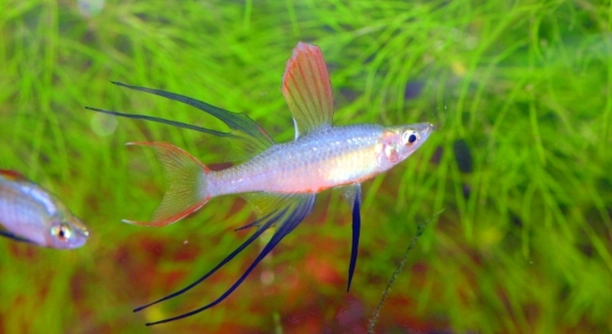
Do you enjoy watching your aquarium thrive while your fish interact with their environment? Threadfin rainbowfish are colorful, active, and can form bonds with their owners. Observing their behavior can be both relaxing and rewarding.
Threadfin rainbowfish can be gradually trained to accept food directly from a hand. This process requires consistency, patience, and careful observation of the fish’s responses. Positive reinforcement and a calm approach are essential to achieve successful feeding.
Understanding how to hand-feed these fish can enhance your aquarium experience and strengthen the connection between owner and fish in practical ways.
Preparing Your Threadfin Rainbowfish for Hand Feeding
Before attempting hand feeding, it is important to create a comfortable environment for your fish. Start by ensuring the tank is clean and water parameters are stable. Threadfin rainbowfish are sensitive to sudden changes, so maintaining a routine feeding schedule helps them feel secure. Observing your fish at different times of the day will help you understand their behavior and activity patterns. Begin introducing your hand slowly into the tank, keeping movements gentle and predictable. Start by offering food near the hand rather than directly from it. Using small portions will prevent the fish from becoming overwhelmed or stressed. Over time, they will associate the presence of your hand with feeding, reducing fear and hesitation. Consistency is crucial; sudden changes in routine or aggressive movements can delay progress. Patience and careful attention to the fish’s reactions ensure a positive feeding experience for both you and your rainbowfish.
Gradually, the fish will approach your hand willingly, recognizing it as a source of food.
Hand feeding strengthens observation skills and can reveal subtle behaviors. Over time, these small interactions enhance trust and provide a more engaging aquarium experience.
Techniques for Encouraging Hand Feeding
Start by offering food directly near the hand, allowing the fish to sniff and explore without pressure.
Introducing hand feeding should be done in small, controlled sessions. Begin with slow movements and a consistent feeding routine to avoid startling the fish. Offering a variety of suitable food types helps identify preferences. Observe their reactions carefully, adjusting speed and approach based on comfort levels. Repeated positive experiences will gradually build familiarity, encouraging the fish to take food directly from the hand. Avoid rushing the process, as forcing interactions can cause stress and setbacks. Rewarding even tentative approaches with small food amounts reinforces desired behavior. Over several sessions, the fish will start recognizing your hand as a safe source of food. Tracking progress and adjusting techniques as needed ensures that each feeding session remains calm and productive. With regular practice, hand feeding can become a natural part of your aquarium care, making your interactions more personal, rewarding, and insightful.
Common Challenges with Hand Feeding
Threadfin rainbowfish can be shy at first, making hand feeding a slow process. Sudden movements or inconsistent schedules may frighten them, causing hesitation.
Shyness is the main reason rainbowfish resist hand feeding initially. They may swim away or freeze when a hand approaches. Over time, consistent, calm movements and gentle offerings of food reduce fear. Ensuring the tank is quiet and free of sudden disturbances also helps. Some fish take longer than others, so patience is necessary. Avoid forcing the hand too close too soon, as this can cause stress and regress progress. Small, repeated positive interactions encourage familiarity and trust, helping the fish gradually accept hand feeding.
Another challenge is overfeeding, which can occur when trying to coax the fish. Excess food not only affects water quality but also decreases the fish’s responsiveness. Managing portions carefully ensures hand feeding remains effective and safe. Monitoring reactions and adjusting feeding techniques according to individual behavior is key. Stress reduction, calm handling, and proper food placement make the process smoother. Gradually, the fish become more confident, reducing resistance and making hand feeding a routine, enjoyable activity.
Benefits of Hand Feeding
Hand feeding promotes trust and interaction between owner and fish, strengthening the bond.
Engaging in hand feeding offers insight into fish behavior that is otherwise hard to observe. Owners can notice subtle signs of stress, excitement, or health issues early, which helps in proper care. Hand feeding also stimulates the fish mentally, providing variety beyond automated feeding methods. Consistent practice allows the fish to anticipate feeding times, creating a predictable routine that reduces anxiety. Observing their responses fosters a closer connection, encouraging attentive care. This interactive approach improves both the well-being of the fish and the satisfaction of ownership.
Regular hand feeding can improve overall health, as it encourages natural foraging behavior and ensures each fish gets adequate nutrition. By adjusting feeding techniques to suit individual fish, owners can address picky eaters or shy individuals effectively. Incorporating hand feeding into daily care adds structure and interaction, reducing stress in a controlled way. Over time, the fish may show increased confidence and responsiveness, making them more active and engaging in the aquarium. A consistent approach enhances both physical health and behavioral enrichment, resulting in a more balanced and rewarding aquarium environment.
Signs Your Fish Are Ready
Fish approaching your hand without hesitation shows readiness for direct feeding. Calm swimming and interest in food indicate growing trust.
Acceptance of food from a hand is gradual. Fish may initially nibble near the hand before taking food directly. Watching for relaxed body language helps gauge comfort.
Tips for Successful Hand Feeding
Consistency and patience are key. Offer food at the same time and place daily. Keep movements slow and predictable to prevent startling the fish. Using small portions ensures they focus on the hand rather than darting for multiple pieces. Avoid sudden noises or tank disturbances during feeding, as these can trigger stress and hesitation. Gradually, the fish associate your hand with a safe source of food. Positive reinforcement with repeated, gentle sessions strengthens trust. Tracking each fish’s response helps adjust techniques for shy or dominant individuals. Over time, hand feeding becomes a routine, enjoyable interaction that improves both fish behavior and owner engagement.
Foods That Work Best
Small flakes or finely chopped live foods are ideal for hand feeding.
FAQ
Can all Threadfin Rainbowfish be hand-fed?
Not all fish will take food from a hand. Individual personalities vary, and some may remain cautious despite repeated attempts. Younger fish or those raised in less stressful environments tend to adapt more quickly. Patience and careful observation increase the likelihood, but some may prefer feeding from the tank or a feeder.
How long does it take for fish to learn hand feeding?
The time frame varies. Some fish may start nibbling within a few days, while others may take weeks. Consistency and calm movements are crucial. Short, regular sessions are more effective than infrequent or rushed attempts. Gradually increasing the proximity of your hand helps fish gain confidence.
What types of food are easiest for hand feeding?
Small flakes, finely chopped live foods, or tiny pellets are ideal. The food should be manageable for the fish to take directly from your hand. Avoid large or hard foods that may intimidate them or cause frustration. Using food that the fish already enjoy increases willingness to participate.
Should I wear gloves when hand feeding?
Gloves are not necessary unless you have sensitive skin or open cuts. Fish respond better to gentle, clean hands. Avoid using scented lotions or soaps that may leave residues, as these can deter the fish or cause stress. Washing hands with plain water before feeding is usually sufficient.
How do I prevent overfeeding during hand feeding?
Offer small amounts at a time and monitor consumption. Only provide what the fish can eat within a few minutes. Overfeeding can pollute the water and lead to health issues. Hand feeding also allows you to notice which fish are eating less, so adjustments can be made.
What if my fish are still scared of my hand?
Start by placing food near the hand without touching it to the fish. Gradually move closer over several sessions. Remain patient and calm. Avoid forcing contact, as sudden pressure can cause stress. Consistent, gentle exposure is key to building trust over time.
Can hand feeding improve fish behavior?
Yes, it can increase confidence and reduce skittishness. Fish learn to associate your presence with positive experiences, which encourages curiosity and interaction. Over time, hand-fed fish may become more active and attentive, making observation and care easier.
Is hand feeding stressful for the fish?
If done correctly, it should not be stressful. Slow, predictable movements and familiar food reduce anxiety. Signs of stress include rapid swimming, hiding, or refusal to eat. Adjust techniques to match individual comfort levels. Stress can be minimized by maintaining routine and a calm environment.
How often should hand feeding be done?
Hand feeding can be included once or twice daily alongside regular tank feeding. Short, consistent sessions are more effective than long, infrequent ones. The goal is interaction and trust-building, not replacing the entire feeding routine.
Can hand feeding help with health monitoring?
Yes, it provides a close view of fish behavior, appetite, and body condition. You can detect early signs of illness, such as discoloration, lethargy, or fin damage. Early intervention improves treatment outcomes and supports overall well-being.
Are there risks to hand feeding?
Risks are minimal when done carefully. Potential issues include overfeeding, water contamination, or accidental injury if movements are sudden. Observing fish reactions and maintaining hygiene prevents most problems, ensuring a safe and enjoyable experience for both owner and fish.
Can multiple fish be hand-fed at the same time?
Yes, but it requires careful management. Some fish may dominate, while others hesitate. Offering multiple small portions and moving slowly helps distribute food evenly. Observe interactions and adjust to ensure shy individuals get a chance to feed without stress.
What if a fish loses interest in hand feeding?
Pause and return to regular feeding for a few days. Reintroduce hand feeding slowly, using smaller amounts or preferred food types. Changes in behavior may result from stress, illness, or tank conditions, so assessing overall environment is important.
Does tank size affect hand feeding success?
Smaller, less crowded tanks make hand feeding easier because fish are more likely to notice and approach the hand. In larger tanks, fish may be more dispersed, requiring patience and repeated attempts to build recognition and trust.
Can hand feeding be done with other fish species in the same tank?
Yes, but results vary. Some species may be shy or aggressive, affecting interactions. Monitor carefully to ensure all fish have access to food and that hand feeding does not cause competition or stress. Individual responses should guide the approach.
Are there tools to help with hand feeding?
Tweezers or feeding sticks can assist initially if fish are nervous. These tools allow gradual exposure without the hand entering the water fully. Over time, most fish adjust and can take food directly from the hand, making tools unnecessary.
How do I know if hand feeding is successful?
Success is indicated when fish approach the hand confidently, take food without hesitation, and return for repeated sessions. Consistent, calm behavior and reduced fear responses show that trust has been established, making hand feeding an enjoyable part of aquarium care.
Can hand feeding be used for training other behaviors?
Yes, it can reinforce movement patterns, reduce fear of new objects, or encourage swimming near certain areas. Food as positive reinforcement helps shape behavior gradually, enhancing both interaction and enrichment within the tank.
Does hand feeding require special preparation of the tank?
No extensive changes are needed, but keeping water clean and stable is important. Removing sudden distractions, maintaining routine lighting, and ensuring plants or decorations do not obstruct approach improves results and reduces stress during sessions.
Is hand feeding suitable for all ages of Threadfin Rainbowfish?
Younger fish are often more adaptable, but adults can learn as well. Patience and observation are critical for older fish, who may take longer to become comfortable. Adjusting techniques to age and temperament improves outcomes for all individuals.
How can I track progress in hand feeding?
Observe behavior, approach distance, and food acceptance over sessions. Taking notes or photos helps monitor changes, allowing technique adjustments. Tracking ensures that shy or slow learners are supported, while reinforcing successful strategies for confident fish.
What are common mistakes in hand feeding?
Rushing the process, offering too much food, or making sudden movements are common errors. Ignoring shy behavior or forcing interaction can cause stress and setbacks. Following a calm, consistent approach ensures positive results and reduces frustration for both fish and owner.
How long should each hand feeding session last?
Short sessions of five to ten minutes are sufficient. The goal is interaction, not full feeding. Multiple short sessions are more effective than one long session, allowing fish to remain calm and focused while gradually building trust.
Can hand feeding replace regular feeding routines?
No, it should complement, not replace, regular feeding. Hand feeding provides enrichment, trust-building, and observation opportunities, but balanced nutrition requires consistent daily feeding according to established guidelines.
Are there signs a fish prefers not to be hand-fed?
Yes, persistent avoidance, hiding, or refusal to eat near the hand indicate discomfort. Respecting these signs prevents stress and allows alternative feeding methods while maintaining fish welfare.
Final Thoughts
Hand feeding Threadfin Rainbowfish can be a rewarding part of aquarium care when approached with patience and consistency. These fish are naturally active and curious, but they can also be cautious, making gradual exposure essential. Starting with small movements and short feeding sessions allows the fish to become familiar with your hand without feeling threatened. Over time, they may begin to approach more confidently, associating your presence with a safe source of food. Observing their behavior during these sessions helps identify comfort levels and any stress signals. Using small portions and appropriate food types ensures that the experience remains positive and does not negatively affect water quality. Consistency in timing and technique is key, as sudden changes or aggressive movements can slow progress. By taking these steps, owners can build a strong foundation for trust and cooperation between themselves and their fish.
Patience is the most important factor when hand feeding. Some Threadfin Rainbowfish may take days or even weeks to respond, while others may be quicker to adapt. Avoid forcing interaction, as this can cause stress and discourage future attempts. It is important to maintain a calm and quiet environment during feeding, free from sudden disturbances or loud noises. Gradual exposure combined with gentle, predictable movements helps fish recognize that your hand poses no threat. Tracking progress over time, noting changes in behavior and willingness to feed, allows owners to adjust their techniques to match individual temperaments. Even small successes, such as a fish nibbling near the hand, indicate progress and should be acknowledged. Over time, repeated positive experiences encourage the fish to become more comfortable, ultimately allowing them to take food directly from the hand with minimal hesitation.
Incorporating hand feeding into regular aquarium care provides both practical and behavioral benefits. It allows for close observation of fish health, appetite, and overall behavior, which can help detect early signs of illness or stress. Regular interaction also encourages mental stimulation, preventing boredom and promoting natural foraging behavior. While not all fish will take food from a hand, the process strengthens the bond between owner and fish, creating a more engaging aquarium experience. By respecting individual differences and moving at a pace comfortable for the fish, hand feeding becomes a safe and enjoyable activity. Ultimately, the practice demonstrates the value of patience, consistency, and careful observation in fish care, resulting in healthier, more confident, and responsive Threadfin Rainbowfish.

Hello,
If you enjoy the content that we create, please consider saying a "Thank You!" by leaving a tip.
Every little bit helps us continue crafting quality advice that supports the health, happiness, and well-being of pets around the world, for pets of all shapes, sizes, and species.
We really appreciate the kindness and support that you show us!