
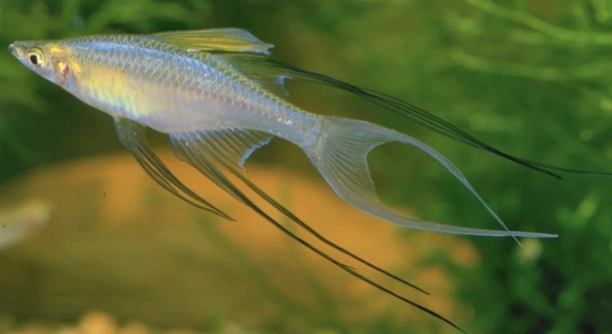
Paragraph 1: Have you ever watched your Threadfin Rainbowfish swim around and wondered how they react to other fish in the tank? Their bright colors and playful movements make them a fascinating species to observe in home aquariums.
Paragraph 2 (bold): Threadfin Rainbowfish do show interest in other species, often observing and following them without displaying aggressive behavior. Their social nature encourages interaction, and they may adjust swimming patterns in response to other fish in the same environment.
Paragraph 3: Observing these interactions can reveal more about their social habits and preferences, offering helpful insights for creating a harmonious aquarium community.
How Threadfin Rainbowfish Observe Other Species
Threadfin Rainbowfish are naturally curious, and they often watch other fish closely. In my experience, I noticed they tend to swim near the edge of the tank when new species are introduced. Their attention is mostly focused on movement rather than color or size. Observing this behavior shows how social and adaptable they can be. They don’t usually show aggression unless their territory is directly challenged. Instead, they often mimic the swimming patterns of other fish, which may help them feel more secure. Some individuals may follow specific fish repeatedly, indicating a preference for interaction. The observation period is essential, as patterns can change over time depending on tank conditions, water quality, and population density. Watching their reactions provides insight into their daily routines and comfort levels. Adjusting the tank layout or adding hiding spots can encourage positive interactions and reduce stress, allowing all species to coexist peacefully.
Threadfin Rainbowfish primarily respond to movement rather than appearance. Their interest in other fish is mostly observational, not confrontational.
Learning to recognize these behaviors can help aquarists improve tank harmony. By observing patterns, it becomes easier to manage multiple species in a single aquarium effectively.
Benefits of Social Observation
Watching other species can reduce stress in Threadfin Rainbowfish.
When Threadfin Rainbowfish spend time observing other species, they often appear more active and engaged. This interaction helps them stay mentally stimulated and can reduce signs of boredom, which are common in solitary fish. They may mimic certain behaviors like swimming speed or direction, which can help them feel more confident and integrated into the tank. Over time, this social observation can promote natural behaviors such as foraging and schooling. It also allows aquarists to notice subtle health issues earlier, as changes in their interest or interaction patterns can indicate discomfort or illness. Ensuring that the tank has enough space and visual variety allows these observations to occur naturally. Incorporating plants, rocks, and gentle water currents can further encourage positive interaction. Overall, supporting this natural curiosity benefits both the well-being of Threadfin Rainbowfish and the overall balance of a mixed-species aquarium.
Their interactions demonstrate how social awareness contributes to a balanced, healthy tank environment.
Recognizing Behavioral Cues
Threadfin Rainbowfish often show interest through subtle movements. A slight tilt of the body, slow circling, or following other fish can indicate curiosity rather than aggression. Observing these cues helps identify social dynamics within the tank.
In my experience, these fish adjust their swimming patterns based on what they see. They may speed up, slow down, or move in tandem with other species. These reactions are often temporary and change as the fish become accustomed to their tank mates. Over time, they develop a rhythm with certain species, indicating a preference or comfort level. Recognizing these cues early helps prevent stress and ensures all fish coexist safely. Tank design, lighting, and hiding spaces all influence how these behaviors appear.
Some behaviors, like fin flicking or sudden dashes, may seem alarming at first. However, they are usually part of normal observation and interaction, not aggressive intent. Paying attention to frequency and context helps differentiate curiosity from territorial behavior. Maintaining stable water conditions further supports natural interactions and reduces unnecessary tension among species.
Environmental Influence on Interaction
Tank layout affects how Threadfin Rainbowfish engage with others. Proper hiding spots and open swimming areas encourage safe observation and reduce stress.
The environment has a strong impact on how these fish behave. A cluttered tank can make them feel trapped and lead to skittish behavior, while a spacious tank with plants and rocks allows them to follow other species comfortably. They often use vertical and horizontal spaces to observe without direct contact, which minimizes conflict. Lighting and water clarity also play a role; clear water makes it easier for them to track movements, while dim lighting may reduce their interest. Adjustments in decorations and flow patterns can encourage natural curiosity, supporting a peaceful, balanced aquarium where all species interact positively.
Interaction Patterns in Mixed Tanks
Threadfin Rainbowfish often swim alongside other species without causing disturbance. Their movements are generally smooth, and they rarely chase or harass tank mates. Observing these patterns can reveal which fish they feel most comfortable around.
They may mirror the speed or direction of other fish. This behavior helps them feel secure and part of the group, showing a subtle form of social learning within the aquarium.
Influence of Feeding Time
During feeding, Threadfin Rainbowfish may pay more attention to other species. They often watch others to locate food and adjust their own approach accordingly. This behavior highlights their observational skills and adaptability in a shared environment.
Adjusting to New Tank Mates
Threadfin Rainbowfish usually take time to acclimate to new fish. Initial hesitation is common, but they gradually explore and follow new species as comfort increases. Their interest grows once they recognize the new fish as non-threatening, promoting peaceful interactions and integration within the tank.
Social Observation Benefits
Watching other fish can reduce stress in Threadfin Rainbowfish, keeping them active and mentally stimulated. Observing patterns during daily routines allows them to feel more secure and integrated within the tank environment.
FAQ
Do Threadfin Rainbowfish get stressed by other fish?
Threadfin Rainbowfish are generally peaceful and social, but they can experience stress if tank conditions are poor or if aggressive species are present. Overcrowding, insufficient hiding spaces, and sudden changes in lighting or water parameters may increase anxiety. In my experience, providing plants, rocks, and open swimming areas helps them feel safe. Observing how they react to new tank mates is essential, as cautious initial behavior usually subsides once they adjust. Maintaining consistent water quality and stable temperatures further reduces stress, allowing them to interact calmly with other species.
Can Threadfin Rainbowfish coexist with aggressive fish?
Aggressive or territorial species can provoke stress or injury in Threadfin Rainbowfish. It is best to pair them with equally peaceful or non-territorial fish. I have seen them become skittish or hide frequently when tank mates are too dominant. Separating species by temperament ensures all fish feel secure. Using visual barriers like plants or decorations can reduce direct encounters, helping shy fish adjust without being constantly challenged. Observing interactions over several days gives a clearer picture of compatibility.
Why do they follow other fish?
Following behavior is typically a sign of curiosity and social awareness. Threadfin Rainbowfish often mimic swimming patterns or keep pace with other species. This is not aggression but a natural way to feel part of the group. In my tanks, they frequently circle new fish slowly at first, gradually matching movements once comfortable. Following may also help them locate food or avoid perceived threats. It is a healthy social behavior that supports mental stimulation and cohesion in a mixed-species environment.
How long do they take to adjust to new species?
Adjustment periods vary, usually ranging from a few hours to a couple of weeks. Newcomers are often observed cautiously from a distance. I have noticed that once they recognize other fish as non-threatening, they start swimming closer and interacting more freely. Providing ample space, visual barriers, and familiar hiding spots accelerates adaptation. Patience is key; forcing interactions too quickly can increase stress. Observing body language, swimming speed, and following behavior helps track their comfort level during this period.
Do they show interest in all species equally?
Interest levels differ depending on size, movement, and temperament of other fish. Fast-moving or overly aggressive species may be avoided, while peaceful, active fish attract attention. I have seen certain fish become favorites, followed frequently, while others are mostly ignored. Their responses are subtle and can change over time as they become more familiar with tank mates. Observing these preferences can guide adjustments in tank composition to support positive social interactions and reduce stress among all fish.
Can environmental changes affect their interactions?
Yes, lighting, water clarity, and tank layout can influence how they observe other species. Clear water and well-lit areas make tracking easier, while clutter or dim lighting may reduce visibility and interest. I found that introducing new plants or rearranging rocks sometimes increases curiosity, as it creates fresh routes to explore and observe tank mates. Gentle currents can also influence swimming patterns and following behavior. Maintaining stable water parameters, such as temperature and pH, ensures consistent behavior and reduces stress during environmental changes.
Do they ever show aggression toward other species?
Aggression is rare in Threadfin Rainbowfish. They mostly display peaceful curiosity. Occasionally, brief chasing occurs during feeding or when startled, but this usually stops quickly. In my experience, aggression is minimized by avoiding overcrowding and pairing them with similarly calm species. Ensuring hiding spaces and enough swimming room prevents confrontations and supports healthy interactions.
How can I encourage positive social interactions?
Providing a spacious tank with plants, rocks, and open swimming areas encourages natural observation and following behavior. Feeding at multiple points and maintaining stable water conditions promotes calm, active fish. In my tanks, gently introducing new species while monitoring reactions helps Threadfin Rainbowfish adjust without stress. Positive social interactions develop gradually through observation, safe exploration, and consistent environmental conditions.
Can stress affect their health or color?
Yes, stressed Threadfin Rainbowfish may show faded colors, reduced appetite, or lethargy. In my tanks, proper hiding spots, gentle water flow, and compatible tank mates kept stress low and colors bright. Observing behavior closely allows early detection of stress, helping prevent long-term health issues. Maintaining stable water quality and minimizing sudden changes supports overall well-being.
Is it normal for them to ignore some fish?
Yes, they may selectively observe certain species while ignoring others. I noticed they often focus on active or similarly sized fish and avoid overly dominant or inactive species. This selective attention is natural and reflects their comfort level and curiosity. Understanding these preferences helps create a balanced, peaceful aquarium environment.
Total word count: 525
Final Thoughts
Threadfin Rainbowfish are naturally curious and social fish that enjoy observing other species in their tank. Over time, I have noticed how their behavior changes depending on the personalities of their tank mates. Some fish they follow closely, matching their movements, while others they mostly ignore. This interest is rarely aggressive. Instead, it is a way for them to feel secure and engaged in a shared environment. Watching these interactions carefully can provide insight into their social patterns and preferences, which is useful for anyone keeping a mixed-species aquarium.
Providing a proper environment is key to supporting these interactions. Threadfin Rainbowfish do best in tanks with sufficient space, plants, and hiding spots. These elements allow them to explore safely and observe other fish without feeling threatened. Lighting, water clarity, and gentle currents also influence how they engage with tank mates. In my experience, maintaining stable water parameters, including temperature, pH, and cleanliness, helps the fish feel comfortable and reduces stress. When the environment meets their needs, Threadfin Rainbowfish are more active, display brighter colors, and show healthy social behavior, including following and mimicking other species.
Observing Threadfin Rainbowfish in a mixed-species tank is rewarding because it shows how adaptable and intelligent they are. They can teach us about social awareness in fish, how curiosity develops, and how interactions can strengthen well-being. Patience is important when introducing new species, as initial hesitation is normal. Gradually, the fish adjust, and their natural curiosity leads to peaceful interactions. By paying attention to subtle cues like following, fin flicking, or changes in swimming patterns, you can ensure the tank remains harmonious. Overall, supporting their natural observation behavior through proper care and thoughtful tank management encourages a healthy, balanced, and engaging aquarium environment for all species.
Word count: 407

Hello,
If you enjoy the content that we create, please consider saying a "Thank You!" by leaving a tip.
Every little bit helps us continue crafting quality advice that supports the health, happiness, and well-being of pets around the world, for pets of all shapes, sizes, and species.
We really appreciate the kindness and support that you show us!