
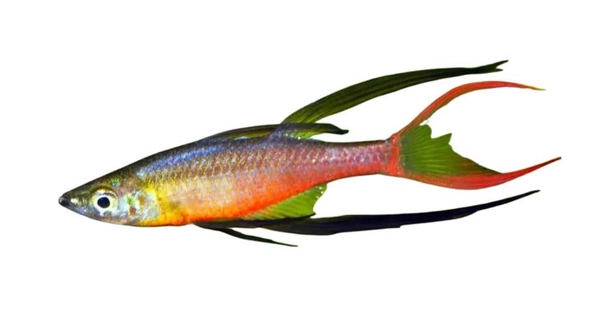
Have you ever noticed your Threadfin Rainbowfish swimming with grace and wondered how much they actually notice in their environment? These small, colorful fish often capture our attention with their gentle movements and bright patterns in aquariums.
Threadfin Rainbowfish can respond to human movement in close proximity. They exhibit increased alertness, often adjusting swimming patterns and positioning. This behavior suggests a sensory awareness of motion, likely mediated by visual stimuli and instinctual responses to potential threats.
Observing these reactions can reveal surprising details about their behavior and how they interact with their surroundings. It provides insight into their natural instincts and daily activity patterns in captivity.
How Threadfin Rainbowfish See Motion
Threadfin Rainbowfish have well-developed eyes that allow them to detect even subtle movements in their environment. When a person approaches the tank, they often notice changes in light, shadows, or shifting reflections on the water’s surface. These fish are naturally alert, and their vision is key to avoiding predators in the wild. In captivity, this alertness manifests as quick turns, slight retreats, or sudden bursts of speed. Their lateral line system, which runs along their sides, also helps detect vibrations and pressure changes. This combination of visual and sensory input allows them to react almost immediately to changes near their tank. Observing these fish can be surprisingly rewarding because their reactions are subtle yet clear once you know what to look for. Small gestures from you can trigger shifts in swimming patterns, showing a level of awareness that goes beyond simple instinct. Watching them adjust offers insight into how sensitive they truly are.
The visual and sensory systems together make these fish highly responsive. Movements near the tank reliably cause observable reactions.
Being attentive to these responses can improve tank management. Understanding how motion affects them helps create a calmer environment, reducing stress. Tank placement, lighting, and interaction frequency can all be adjusted to keep the fish comfortable. Noticing these details allows you to anticipate their behavior and adapt feeding, cleaning, or observation routines accordingly. Over time, it becomes clear that Threadfin Rainbowfish are not just passive decorations but active participants in their environment. Their reactions, though subtle, can be consistent, offering a small but meaningful interaction every time you approach the tank.
How to Observe Without Disturbing
Careful observation involves minimal interference. Approaching the tank slowly helps the fish remain calm and behave naturally.
Maintaining a steady, gentle presence allows Threadfin Rainbowfish to display normal behavior without sudden stress. Rapid or jerky movements can trigger defensive responses, including darting or hiding. Using indirect lighting or observing from a distance often results in a more accurate picture of daily activity. Consistency in observation times also helps, as these fish may become accustomed to certain routines. Small environmental adjustments, such as reducing noise or limiting tank-side reflections, can further improve visibility of natural behaviors. Recording or noting behaviors can reveal patterns over days or weeks, showing which conditions promote calm, fluid swimming and which lead to alert, reactive behavior. Ultimately, respecting their sensitivity allows you to learn more about their natural instincts while ensuring their comfort, creating a more harmonious and engaging aquarium environment.
Reaction Speed and Patterns
Threadfin Rainbowfish respond quickly to sudden movements near the tank. Their swimming changes instantly, often darting to the opposite side or forming tighter groups to feel safer.
These fish display consistent patterns when reacting to motion. Quick hand movements above the tank cause them to swim upward briefly before returning to normal levels. Slow movements often result in minor shifts or pauses rather than full escapes. Group behavior is notable; when one fish reacts, others often follow, showing social coordination. These patterns suggest that their response is not random but a mix of instinct and observation. Over time, you can predict how they will respond based on movement speed and proximity, giving a clearer understanding of their awareness and sensitivity.
Understanding these responses can improve interaction without causing stress. Consistent reactions provide insight into their sensory abilities, helping tailor feeding times or maintenance routines. Observing swimming patterns also allows for better tank arrangements, minimizing sudden surprises and promoting a calmer, healthier environment. Watching these adjustments can make tank care feel more connected and purposeful.
Influence of Tank Environment
Tank setup affects how Threadfin Rainbowfish perceive and react to movement. Open spaces allow free swimming, while plants or decorations provide shelter and impact their responses.
Lighting, reflections, and water clarity all influence reaction sensitivity. Bright overhead lights may make shadows more noticeable, while dimmer conditions can reduce perceived threats. Clear water ensures that visual cues are sharp, helping fish detect motion efficiently. Decorations create hiding spots that can either increase confidence or trigger defensive behavior if approached suddenly. Consistent water flow is important too; irregular currents can confuse them and heighten alertness. Observing how each element changes their behavior highlights the importance of thoughtful tank design.
Adjusting the tank environment carefully allows fish to respond naturally without unnecessary stress. Strategic placement of plants, rocks, and other objects encourages normal swimming patterns while offering safe areas for retreat. This reduces overreaction to human presence and promotes stability in daily routines. By observing how Threadfin Rainbowfish interact with different elements, you can create a more predictable and calm setting. Environmental adjustments also support their overall well-being, making it easier to monitor health and behavior effectively over time.
Signs of Stress
Rapid darting, hiding, or clumping together are common stress signals in Threadfin Rainbowfish. These behaviors usually occur when movements around the tank are sudden or unpredictable.
Color changes and fin clamping can also indicate discomfort. Monitoring these signs helps maintain a calm environment and ensures fish health.
Interaction with Humans
Threadfin Rainbowfish can gradually get used to human presence. Regular, gentle approaches reduce startled reactions over time. Fish may start swimming closer or following slow hand movements, showing increasing comfort with consistent, non-threatening interaction. Patience and observation are key to encouraging natural, calm behavior without causing stress.
Feeding Responses
Movement near the tank often triggers anticipatory behavior. Fish may swim to the surface or cluster near feeding areas when humans approach. This reaction shows their ability to associate presence with food. Predictable routines and calm movements help reinforce positive feeding responses while minimizing unnecessary stress.
Observation Tips
Maintain steady, calm behavior while observing. Sudden movements can cause unnecessary stress and alter natural patterns.
FAQ
Can Threadfin Rainbowfish recognize individual humans?
Threadfin Rainbowfish primarily respond to movement rather than recognizing specific people. Over time, they may become familiar with a person’s regular presence and routine, reducing stress when that person approaches. This familiarity comes from repeated, calm interactions rather than true recognition of identity.
Do they react differently to fast versus slow movements?
Yes, fast movements typically trigger sudden darting or tight schooling behavior, while slow, gentle movements may only cause mild curiosity or small position adjustments. Speed and proximity both influence the intensity of the response, showing the fish’s reliance on visual cues for safety.
How can I reduce stress when approaching the tank?
Approach slowly and avoid sudden gestures. Consistent routines, such as feeding at the same time and in the same spot, help the fish feel secure. Reducing shadows or reflections on the water also minimizes startle responses.
Will they eventually stop reacting to my presence?
They may become accustomed to gentle, non-threatening movements but will never completely ignore sudden or unusual activity. Their instincts remain intact, and even familiar humans can trigger quick responses if movements are abrupt.
Do environmental factors affect reactions to movement?
Absolutely. Lighting, water clarity, and tank decorations influence how fish perceive motion. Clear water and bright lighting make movements more noticeable, while cluttered or dimly lit areas may reduce visibility and alter reaction patterns. Currents can also affect swimming behavior.
Are some fish more sensitive than others?
Individual differences exist. Younger fish or newly introduced individuals often react more strongly, while older, well-adjusted fish may respond more calmly. Group dynamics also play a role, as fish often mirror each other’s responses.
Can I use this behavior to enrich their tank environment?
Yes, controlled interaction can stimulate natural activity and provide mild enrichment. Slow hand movements or gentle object placement encourage exploration without causing unnecessary stress. Observing these interactions can also help track fish health and alertness.
Does tapping on the glass help them recognize humans?
Tapping is generally stressful and should be avoided. It triggers escape responses rather than recognition and can harm trust. Gentle presence and slow movements are more effective for fostering calm interactions.
How does feeding influence their reactions to humans?
Feeding creates an association between human presence and positive experiences. Fish may swim closer or cluster near feeding areas in anticipation, showing learned behavior. Predictable feeding routines reduce anxiety and help them respond calmly.
Are reactions stronger in groups or individually?
Group behavior amplifies responses. When one fish reacts, others often follow, creating a coordinated school movement. Individual fish may appear calmer, but social dynamics make group reactions more noticeable and consistent.
Do they react differently at different times of the day?
Yes, activity levels influence reactions. Fish are often more alert during feeding times or daylight hours and may be less responsive during periods of rest or low light. Consistent observation times help gauge normal behavior.
How long does it take for them to get used to human presence?
Adjustment varies. Some fish may show calm responses within a few weeks of gentle, consistent interaction, while others may take longer. Patience and steady routines are essential to minimize stress and encourage natural behavior.
Can I tell if my fish are stressed by their reactions?
Yes, repeated darting, hiding, fin clamping, or sudden color changes are signs of stress. Observing patterns over time helps distinguish normal alertness from persistent discomfort, allowing for adjustments in environment or handling to ensure their well-being.
Is it safe to reach into the tank around them?
Minimal, slow movements are safest. Sudden or large hand motions can startle fish and increase stress. Any necessary tank maintenance should be done carefully, keeping hand movements predictable and calm to maintain a secure environment.
Do they respond to reflections or shadows?
Reflections, shadows, and changes in light can trigger reactions similar to direct movement. Fish may perceive these visual cues as potential threats, so controlling lighting and minimizing sudden reflections can help reduce unnecessary stress.
Can I track their responses to monitor health?
Yes, observing changes in reaction patterns over time can indicate health or environmental issues. Reduced alertness, excessive hiding, or erratic swimming may signal problems, allowing adjustments to tank care before conditions worsen.
How much space do they need to feel secure when humans are nearby?
Adequate swimming space and shelter options reduce stress. Fish are more comfortable when they can retreat to plants or decorations if startled. Crowded tanks amplify reactions and increase the likelihood of stress-related behaviors.
Do they respond differently to familiar versus new people?
Familiarity mainly affects comfort level. Fish become calmer around consistent, gentle interactions. New people may trigger stronger reactions initially, but with repeated calm exposure, fish often adjust gradually without long-term stress.
What is the best way to observe them without causing stress?
Approach slowly, limit sudden movements, and watch from a consistent distance. Observing during feeding or calm periods provides the clearest view of natural behavior. Minimizing reflections and maintaining a stable tank environment ensures observations are accurate and non-intrusive.
Can reactions to humans indicate intelligence?
These responses show learning and sensory awareness rather than intelligence in the human sense. Associating presence with feeding or adjusting to repeated movements demonstrates memory and adaptability, highlighting their capacity for environmental awareness.
Do reactions change as fish age?
Yes, older fish often react more calmly and predictably. Younger or newly introduced fish show stronger alertness. Age, experience, and social interactions all contribute to differences in response intensity and behavior patterns.
Is it normal for them to follow hand movements slowly?
Yes, slow, deliberate hand movements often attract attention without causing panic. Fish may follow these motions out of curiosity or anticipation of food, showing learned behavior and comfort with gentle interaction.
How do I know if my tank setup affects their reactions?
Observation is key. If fish react excessively or hide frequently, environmental factors like lighting, decorations, or tank size may be contributing. Small adjustments can reduce stress and promote natural behavior.
Can I encourage interaction without stressing them?
Yes, consistent, gentle presence and predictable feeding routines allow fish to respond calmly. Slow, minimal movements and avoiding sudden disturbances create a safe, engaging environment.
Do all species of rainbowfish react similarly?
Responses vary by species. Threadfin Rainbowfish have specific sensitivities and behaviors. Other rainbowfish may react differently depending on size, social behavior, and environmental adaptation. Observing individual species traits helps tailor care and interaction practices.
Are nighttime reactions different from daytime?
Yes, reduced light often decreases sensitivity. Fish may be less responsive at night or during low-light periods, reflecting natural activity cycles and lowered alertness. Observing at different times reveals normal behavioral patterns.
Can sudden noises affect reactions?
Yes, vibrations and loud sounds can startle fish similarly to movement. Minimizing external noise and maintaining stable tank conditions reduces stress and ensures more predictable responses to human presence.
Do reactions indicate their comfort with the tank environment?
Consistent, calm responses suggest a secure and comfortable environment. Frequent stress signals may indicate issues with space, decoration, lighting, or water conditions, requiring adjustments to support fish well-being.
Can I train them to respond to signals?
Yes, through repeated, gentle association with feeding or other routines, fish can learn to associate specific cues with food or attention. Patience and consistency are essential to reinforce positive behavior.
How long should I observe them daily?
Short, consistent periods are best. Fifteen to thirty minutes allows you to notice patterns without causing stress. Frequent, prolonged observation can increase alertness and disrupt natural behavior.
Are there signs that humans are affecting their behavior negatively?
Excessive hiding, darting, clumping, or color changes indicate stress. Noticing these patterns early helps make environmental or routine adjustments to minimize negative impacts.
Do group size and social structure affect reactions?
Yes, larger groups often show stronger, coordinated responses, while solitary fish may react less visibly. Social dynamics influence both the intensity and pattern of reactions to movement.
Can lighting color influence how they perceive movement?
Lighting spectrum affects visibility. Certain colors may highlight shadows or reflections, while others soften visual cues. Adjusting light can reduce startle responses and support calmer, natural behavior.
Is it normal for reactions to vary day by day?
Yes, minor variations in alertness or activity are normal due to feeding cycles, water conditions, or environmental changes. Persistent or extreme changes may indicate stress or health issues.
Does tank decoration placement impact reaction patterns?
Yes, plants, rocks, and other objects offer hiding spots and affect swimming paths. Thoughtful placement allows fish to retreat or explore safely, reducing stress when humans are nearby.
Are reactions linked to feeding schedules?
Yes, fish often anticipate food and adjust swimming accordingly. Consistent schedules reinforce calm responses and reduce excessive startle reactions during regular tank activities.
Can temperature changes alter reactions?
Sudden temperature shifts increase alertness and can stress fish. Stable water conditions maintain predictable behavior and reduce reactive movements near human activity.
Do reactions decrease in older, more experienced fish?
Generally, yes. With time and exposure, older fish often respond more calmly and predictably, showing adaptation to consistent human presence without losing natural alertness.
Can observing these reactions help with breeding?
Yes, understanding stress triggers and comfort zones can improve conditions for breeding. Calm, well-adjusted fish are more likely to display natural courtship and spawning behaviors.
Do reactions vary between males and females?
Males and females may show slight differences in alertness or schooling behavior, though both are sensitive to movement. Observing these patterns helps identify normal behavior and social dynamics.
Are some reactions more instinctual than learned?
Most startle responses are instinctual, driven by predator awareness. Learned behavior occurs when fish associate human presence with food or consistent, non-threatening routines. Both types of reactions shape daily activity.
How can I track long-term behavior changes?
Regular observation, notes, or video recording allows comparison over weeks or months. Monitoring patterns reveals stress, health changes, or adaptation to environmental adjustments, ensuring better care.
Does water quality affect reaction intensity?
Poor water quality can increase stress and make reactions more pronounced. Stable parameters support normal alertness and reduce unnecessary, extreme responses to human presence.
Can I influence their reactions with feeding techniques?
Yes, consistent, gentle feeding routines encourage calm approach behaviors. Abrupt or irregular feeding can heighten alertness and startle responses, impacting overall comfort.
Are reactions stronger in newly introduced fish?
Yes, new fish often display heightened alertness and frequent darting until they adjust to the tank environment and consistent human presence. Patience is key for acclimation.
Do reflections from glass trigger reactions?
Yes, reflections may mimic movement or other fish, prompting alertness. Minimizing reflective surfaces or indirect lighting can reduce unnecessary stress.
How important is observation distance?
Maintaining a consistent, moderate distance ensures accurate assessment of behavior while minimizing startle responses. Close approaches may increase stress and alter normal reactions.
Do they respond to shadows cast on the tank floor?
Yes, shadows can trigger mild or strong startle responses. Predictable lighting and avoiding sudden shadow changes help maintain calm behavior.
Can gentle tapping signal feeding time safely?
Tapping is stressful and generally discouraged. Using hand placement or visual cues is safer for signaling feeding without causing fear or panic.
Is patience essential when monitoring reactions?
Absolutely. Sudden movements or impatience can provoke stress. Steady observation over time reveals patterns and allows fish to adjust comfortably to human presence.
Can reactions reveal health issues?
Yes, unusual lethargy, excessive hiding, or erratic swimming may indicate illness or discomfort. Observing responses over time helps detect potential health problems early.
Do reactions vary with tank mates?
Yes, presence of other species or aggressive tank mates can heighten alertness and influence schooling behavior, affecting how fish respond to human movement.
Are reactions consistent across feeding, cleaning, and observation?
They vary. Feeding may elicit anticipation, cleaning can trigger stress, and calm observation often produces normal swimming patterns. Predictable routines reduce stress during different activities.
How can I ensure interactions remain safe and calm?
Approach slowly, limit sudden gestures, maintain stable water conditions, and provide adequate space. Consistency, gentle movements, and observation allow fish to respond naturally without stress.
Do reactions provide insight into their instincts?
Yes, responses to movement show predator awareness, social coordination, and environmental sensitivity. Observing these behaviors reveals natural instincts and daily survival strategies.
Can interactions be adjusted for shy or timid fish?
Yes, starting with minimal, slow presence and gradually increasing proximity helps shy fish adjust without overwhelming them. Patience ensures comfort and natural behavior.
Are reactions affected by tank size?
Smaller tanks can amplify startle responses, while larger spaces allow escape routes and calmer reactions. Adequate swimming room is crucial for natural behavior.
Can these reactions change with seasonal variations?
Mild seasonal effects may influence activity levels, though controlled indoor tanks minimize drastic changes. Observing patterns helps account for minor shifts in behavior.
Do reactions indicate social bonds within the school?
Yes, coordinated responses often reflect group awareness and social cohesion. Fish monitor each other and adjust behavior collectively when startled or curious.
Are reactions stronger in younger or more active fish?
Younger, more active fish generally show faster, more frequent responses. Maturity and familiarity with the environment typically reduce overreaction, promoting calmer behavior.
Can movement responses indicate emotional states?
To some extent, yes. Stress, curiosity, or anticipation can be inferred from swimming patterns, schooling, and alertness, providing insight into comfort and well-being.
Do reactions change if tank conditions worsen?
Yes, poor water quality, overcrowding, or inadequate lighting increase stress and trigger more frequent, exaggerated responses. Maintaining stable conditions supports normal behavior.
How often should I record observations?
Regular, short observations several times a week are sufficient. This helps track behavior changes without disturbing the fish or causing unnecessary alertness.
Are reactions predictable once fish adjust to humans?
Mostly, yes. Fish develop tolerance to gentle, consistent interactions. Sudden or unusual movement may still trigger instinctive responses. Patterns become more reliable with repeated exposure.
Can reactions be used for enrichment activities?
Yes, slow, controlled hand movements or object placement stimulate natural curiosity, encouraging movement and exploration without stress. Enrichment should be predictable and calm.
Do fish remember previous interactions with humans?
They exhibit memory through learned behavior, such as associating feeding routines with human presence. While not personal recognition, repeated interactions influence responses over time.
Does tank lighting intensity matter for reactions?
Yes, bright or flickering lights can exaggerate startle responses, while consistent, moderate lighting supports calm, natural behavior.
Are reactions consistent across different tanks?
Not always. Tank size, layout, and decoration influence movement perception. Reactions may vary until fish adapt to a new environment.
Can human scent affect behavior?
Minimal effect occurs, as vision and vibration are primary triggers. Sudden hand movements in water are more impactful than scent.
Do reactions vary by water temperature?
Yes, cooler or warmer temperatures outside the preferred range can increase alertness or lethargy. Stable, appropriate temperature reduces stress responses.
How long should each observation session last?
Short, focused sessions of 10–20 minutes allow accurate behavior monitoring without over-stimulating the fish. Prolonged observation can induce alertness and stress.
Can multiple people near the tank cause confusion?
Yes, simultaneous movement by several people can increase stress. Limiting the number of simultaneous approaches helps maintain calm behavior.
Are reactions more intense during feeding times?
Yes, anticipation amplifies alertness. Fish often cluster, swim faster, and follow movement more closely, showing learned association with positive outcomes.
Do reactions indicate their comfort with tank decor?
Yes, fish adjust movement patterns based on available shelter and open spaces. Frequent hiding or avoidance may signal discomfort with layout.
Can fish reactions be influenced by tank mates’ behavior?
Yes, other fish reacting quickly can trigger mirrored responses, amplifying movement and alertness throughout the group.
Are reactions a reliable indicator of overall well-being?
They provide partial insight. Normal, consistent responses suggest good health, while unusual or exaggerated reactions may indicate stress, illness, or poor environmental conditions.
Can reactions be used to train feeding responses?
Yes, consistent hand movements or signals paired with food help fish learn to anticipate feeding calmly. Predictable routines reinforce positive responses.
Do all Threadfin Rainbowfish react the same way?
Individual temperament, age, and prior experience cause variation. While general patterns exist, each fish may respond differently to movement and human presence.
How do I distinguish between stress and curiosity?
Stress is indicated by hiding, rapid darting, fin clamping, or color changes. Curiosity is slower, gentle approach or following movement without fear. Observation over time clarifies the distinction.
Can reactions change with water current adjustments?
Yes, changes in flow can mimic movement or create new pressures, influencing swimming patterns and startle responses. Stable currents support predictable behavior.
Do reactions differ if fish are hungry or satiated?
Hunger often increases attention to humans and activity near feeding zones. Satiated fish may react more calmly and explore surroundings rather than focus on potential food.
Are reactions affected by tank mates’ species?
Yes, more aggressive or fast-moving species can elevate alertness, while calm companions may reduce stress and allow more measured responses.
Can observing reactions improve general tank care?
Yes, noticing patterns helps identify stress triggers, optimize layout, monitor health, and maintain consistent routines, supporting a stable and calm environment.
Do reactions persist even if fish are well-fed?
Yes, instinctual alertness remains. Feeding reduces anticipation-driven responses, but sudden movement can still trigger normal startle behavior.
Can fish adapt to frequent human presence?
Yes, gradual, consistent exposure reduces stress reactions. Abrupt or erratic activity may still elicit quick responses. Adaptation depends on patience and calm interaction.
Do reactions indicate their level of social comfort?
Yes, coordinated responses and schooling patterns reflect social awareness. Strong reactions often result from group dynamics rather than individual fear alone.
Are reactions stronger in younger fish or newly introduced individuals?
Typically, yes. Less experienced fish are more reactive until they become familiar with the environment and consistent human presence.
Can observing reactions help predict behavior during tank maintenance?
Yes, knowing how fish respond allows careful planning for feeding, cleaning, or rearranging decor to minimize stress and maintain calm swimming patterns.
Do reactions vary by gender?
Males may display more active or territorial behavior, while females tend to react slightly more cautiously. Both sexes are sensitive to movement and environmental changes.
Can reactions be used to enrich their environment safely?
Yes, controlled, gentle
Final Thoughts
Threadfin Rainbowfish are small, colorful, and active fish that respond clearly to changes in their environment. One of the most noticeable behaviors is how they react to movement near their tank. Even gentle hand gestures or slow motions can catch their attention. These reactions are not random but are linked to instinct, vision, and the sensory lateral line system along their bodies. Observing how they respond can provide insight into their awareness and natural behaviors. Their reactions vary depending on speed, proximity, and the nature of the movement, which shows a balance between curiosity and caution. Over time, consistent and calm interactions with humans can help fish become more comfortable, reducing stress-related behaviors while maintaining their alertness.
The environment inside the tank plays a large role in how these fish respond. Lighting, decorations, water clarity, and flow all affect the way Threadfin Rainbowfish perceive movement. Open spaces allow them to swim freely, while plants and rocks offer shelter and a sense of security. Fish often use these areas to adjust their behavior when they notice motion. When the tank is well-structured and stable, they tend to react in predictable ways, which makes observation easier and interaction safer. Regular feeding schedules and calm routines also influence their behavior. Over time, fish learn to associate human presence with food or minimal disturbance, which can lead to smoother, less startled reactions.
Watching Threadfin Rainbowfish react to humans is both fascinating and informative. Their responses reflect instincts that have evolved in the wild, combined with learned behavior in captivity. Patterns such as darting, schooling, or following gentle movements indicate their ability to detect changes and respond appropriately. Understanding these behaviors helps in creating a comfortable environment that reduces stress and promotes natural activity. Adjusting tank conditions, handling, and observation techniques based on how the fish respond ensures they remain healthy and active. Paying attention to their subtle movements allows for better care, making interactions with these fish enjoyable and meaningful while supporting their overall well-being.

Hello,
If you enjoy the content that we create, please consider saying a "Thank You!" by leaving a tip.
Every little bit helps us continue crafting quality advice that supports the health, happiness, and well-being of pets around the world, for pets of all shapes, sizes, and species.
We really appreciate the kindness and support that you show us!