
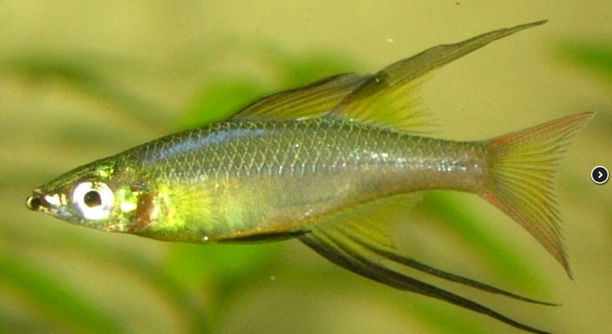
Do your threadfin rainbowfish sometimes twitch their fins unexpectedly, leaving you unsure about their health and comfort in the aquarium? These small, colorful fish can show signs that something in their environment or care needs attention.
Twitching fins in threadfin rainbowfish are commonly caused by stress, poor water quality, nutritional deficiencies, parasite infections, sudden temperature changes, injuries, or aggression from tank mates. Identifying the root cause is essential for timely and effective treatment.
Understanding these causes can help maintain a healthy aquarium environment and prevent further complications for your rainbowfish. Observing their behavior closely is key to keeping them comfortable and thriving.
Stress in Threadfin Rainbowfish
Stress is one of the most common reasons threadfin rainbowfish exhibit twitching fins. Changes in their environment, overcrowding, or sudden loud noises can make them feel unsafe. Even small adjustments in lighting, water flow, or decorations may lead to noticeable fin movements. Stress can weaken their immune system, making them more vulnerable to illness. Observing their behavior closely helps identify if stress is the source. Gentle handling and consistent tank conditions are essential. Providing hiding spots and maintaining a predictable routine can reduce anxiety. Sometimes stress is subtle, like minor water parameter changes, but it still affects their overall health. Monitoring interactions with tank mates is important, as aggressive behavior from other fish can also trigger stress. Ensuring a balanced diet and avoiding sudden feedings can further minimize fin twitching. A calm environment encourages natural behavior, allowing the fish to display normal swimming patterns without rapid movements or nervous energy.
Minimizing stress in rainbowfish requires attention to tank conditions and their social interactions. Calm, stable environments prevent unnecessary fin twitching.
By carefully observing their tank environment and daily behaviors, you can identify stress triggers early. Reducing overcrowding, keeping water parameters consistent, and providing sufficient hiding spaces creates a stable habitat. This reduces twitching and promotes natural, relaxed movement. Regular maintenance and predictable routines help fish feel secure. Even small, gradual changes in light, temperature, or decoration placement prevent sudden stress responses. A well-fed, well-cared-for rainbowfish adapts more easily to its surroundings. Watching their interactions with other fish ensures peaceful coexistence, further reducing stress. By focusing on stability and comfort, twitching fins become less frequent, and your fish can display healthy, calm behavior in the tank consistently.
Poor Water Quality
Poor water quality can cause twitching fins in threadfin rainbowfish because toxins like ammonia and nitrites irritate their skin and gills. Regular testing is essential to prevent problems.
Keeping water clean involves frequent changes, monitoring chemical levels, and using proper filtration systems. Even minor fluctuations can lead to fin twitching, lethargy, or illness.
Maintaining optimal water parameters is crucial for rainbowfish health. Ammonia and nitrite levels should always be at zero, while nitrates remain low. Regular partial water changes remove waste buildup and replenish essential minerals. Filters need cleaning and occasional media replacement to function efficiently. Overfeeding can cause excess waste, degrading water quality quickly, so feeding the right amount is important. Aeration and circulation keep oxygen levels stable, preventing stress-induced twitching. Observing fish behavior and responding to early signs of distress allows for timely corrections. A stable, clean environment ensures rainbowfish swim naturally, exhibit healthy fins, and remain vibrant. Consistent maintenance protects the entire aquarium ecosystem and supports long-term health, minimizing fin twitching caused by chemical imbalances or poor water conditions.
Nutritional Deficiencies
Threadfin rainbowfish with twitching fins may be experiencing nutritional deficiencies. Lack of essential vitamins and minerals can weaken muscles and nerves, causing uncontrolled fin movements. A balanced diet is critical for their overall health.
Feeding rainbowfish a variety of high-quality flakes, pellets, and frozen foods ensures they get proper nutrition. Foods rich in vitamins A, C, and D support fin strength and immune function. Occasional live foods like brine shrimp or daphnia provide protein and stimulate natural hunting behaviors. Over-reliance on a single food type can create deficiencies, leading to twitching or other health issues. Supplements can help if the diet is insufficient. Monitoring growth and coloration provides clues about dietary adequacy.
Providing a diverse and nutrient-rich diet strengthens muscles and prevents twitching. Observing feeding behavior and adjusting portions ensures your fish receive proper care, reducing stress and improving fin condition.
Parasite Infections
External parasites can irritate rainbowfish fins, leading to twitching. Common parasites include ich and flukes, which attach to skin and fins, causing discomfort. Prompt treatment is essential to stop the spread.
Parasite infestations often result from poor quarantine practices or introducing new fish without observation. Signs include flicking against surfaces, faded colors, and rapid fin movements. Medications like antiparasitic baths or medicated foods can remove parasites effectively. Maintaining clean water and isolating infected fish prevents further outbreaks. Regular observation and early detection are critical to minimize stress and physical damage.
Treating parasites involves maintaining water quality, isolating affected fish, and applying appropriate medication. With attentive care, rainbowfish recover quickly, and twitching fins return to normal, ensuring healthier, more comfortable swimming.
Sudden Temperature Changes
Sudden shifts in water temperature can cause threadfin rainbowfish to twitch their fins. Even small fluctuations make them uncomfortable and stressed, affecting their natural swimming patterns.
Maintaining stable water temperature is essential. Using a reliable heater and thermometer ensures consistent conditions, preventing stress-induced fin twitching.
Injuries
Rainbowfish may develop twitching fins after accidental injuries. Bumping into decorations, sharp rocks, or aggressive tank mates can damage fins or muscles. Careful tank setup and monitoring interactions reduce injury risks.
Aggression from Tank Mates
Fin twitching can result from bullying or aggression by other fish. Dominant or territorial species may nip fins, leaving rainbowfish stressed and uncomfortable.
Keeping peaceful tank mates and observing social dynamics helps prevent twitching. Proper spacing and hiding spots reduce confrontations and support calm behavior.
FAQ
What are the main signs of fin twitching in threadfin rainbowfish?
Fin twitching usually appears as rapid, involuntary movements of the fins. You may notice the fins fluttering or shaking even when the fish is not swimming actively. Other signs often accompany twitching, including faded colors, lethargy, or rubbing against tank surfaces. Monitoring these behaviors helps identify underlying issues early.
How can I tell if twitching is caused by stress?
Stress-related twitching often occurs when environmental changes happen, such as sudden noises, overcrowding, or aggressive tank mates. Fish may hide frequently or swim erratically. Stress usually resolves when tank conditions stabilize, hiding spots are provided, and interactions with other fish are calm.
Can poor water quality cause fin twitching?
Yes, poor water quality is a common reason for fin twitching. High ammonia, nitrite, or nitrate levels irritate fins and gills. Regular water testing, partial water changes, and proper filtration prevent chemical imbalances that lead to twitching and other health issues.
What role does diet play in fin twitching?
A lack of essential nutrients can weaken fin muscles and nerves, causing twitching. A varied diet of high-quality flakes, pellets, frozen, and occasional live foods ensures rainbowfish receive necessary vitamins and proteins. Supplements may be useful if deficiencies are suspected.
Are parasites responsible for fin twitching?
External parasites like ich and flukes attach to fins and skin, causing irritation that leads to twitching. Symptoms include flicking against surfaces, faded colors, and visible spots. Treatment involves medicated baths, specialized foods, and isolating affected fish to prevent spread.
Can temperature changes trigger fin twitching?
Yes, threadfin rainbowfish are sensitive to sudden temperature shifts. Rapid drops or increases in water temperature stress the fish, leading to twitching. Using a reliable heater, monitoring water temperature regularly, and avoiding sudden environmental changes can prevent this reaction.
How do injuries affect fin behavior?
Accidental injuries from sharp decorations, rocks, or aggressive fish can cause twitching. Damaged fins or torn tissues may move uncontrollably. Observing interactions and creating a safe tank layout with smooth decorations help reduce the risk of injuries and twitching.
Can aggressive tank mates cause twitching?
Yes, bullying or fin-nipping by dominant species stresses rainbowfish, often resulting in twitching. Providing ample space, hiding spots, and monitoring social interactions helps minimize aggression and ensures calmer, more natural behavior.
When should I consult a veterinarian?
If fin twitching persists despite improving water quality, diet, and environmental conditions, or if accompanied by severe lethargy, swelling, or unusual spots, a veterinarian specializing in fish health should be consulted. Early intervention can prevent long-term damage and restore normal behavior.
Are there long-term effects of untreated fin twitching?
Chronic fin twitching may indicate ongoing stress, infection, or nutritional deficiency. Left untreated, it can lead to weakened fins, slower growth, and increased vulnerability to diseases. Consistent monitoring, preventive care, and proper treatment help maintain rainbowfish health and fin integrity.
What preventive measures reduce the risk of fin twitching?
Maintaining stable water parameters, a balanced diet, minimal stress, and careful selection of tank mates are key. Regular observation and tank maintenance help catch minor problems before they escalate. A stable, well-cared-for aquarium promotes natural behavior and reduces twitching occurrences.
How can I create a calmer environment for my rainbowfish?
Provide hiding spots with plants or decorations, avoid sudden changes in lighting or temperature, and minimize loud noises near the tank. Observing social dynamics ensures peaceful interactions, reducing stress-related fin twitching and supporting overall well-being.
Is twitching always a sign of a serious problem?
Not always. Minor twitching can result from brief stress or excitement. However, persistent or severe twitching often signals an underlying health or environmental issue. Careful observation and early intervention help distinguish between harmless behavior and a problem requiring action.
Can regular tank cleaning prevent fin twitching?
Yes. Regular partial water changes, filter maintenance, and removal of uneaten food prevent chemical imbalances that irritate fins. Clean tanks reduce stress and minimize the risk of twitching caused by poor water quality or parasitic infections.
What should I feed to support healthy fins?
A mixture of high-quality flakes, pellets, frozen foods, and occasional live prey provides protein and essential vitamins. Foods rich in vitamins A, C, and D support fin and muscle strength. Avoid overfeeding, as excess waste degrades water quality and stresses the fish.
How quickly do rainbowfish recover from twitching?
Recovery depends on the cause. Stress-related twitching may resolve within days after improving conditions. Parasite or nutrient-related twitching may take longer, requiring treatment or dietary adjustments. Prompt care and monitoring usually restore normal swimming behavior within one to two weeks.
Are some fish more prone to twitching than others?
Yes. Younger or weaker rainbowfish may twitch more frequently due to immature immune systems or weaker muscle control. Older fish may also show twitching if stressed or experiencing nutritional deficiencies. Proper care ensures all fish maintain healthy, controlled fin movements.
Does lighting affect fin twitching?
Intense or inconsistent lighting can stress rainbowfish, contributing to twitching. Gradual changes in light intensity, consistent day-night cycles, and avoiding sudden flashes help create a calm environment and reduce fin fluttering.
Can I use supplements to prevent twitching?
Yes, vitamin and mineral supplements can support muscle and nerve function if dietary intake is insufficient. Supplements should complement a balanced diet and be administered according to recommended dosages to ensure effectiveness without harming water quality.
What signs indicate improvement after treatment?
Improvement includes reduced fin twitching, brighter coloration, normal swimming, and increased activity. Monitoring these behaviors confirms that stress, diet deficiencies, parasites, or injuries are being successfully addressed. Consistency in care is key to long-term recovery and fin health.
This FAQ section provides guidance to identify, prevent, and treat fin twitching in threadfin rainbowfish, supporting their health and comfort in the aquarium environment.
Threadfin rainbowfish are delicate creatures that respond strongly to their environment. Observing their behavior carefully is essential for maintaining their health. Twitching fins are a visible sign that something may be affecting them, whether it is stress, poor water quality, nutritional deficiencies, parasites, injuries, or aggression from other fish. Each of these factors can cause discomfort and affect their natural swimming patterns. By identifying the root cause early, you can take the necessary steps to create a healthier environment. Small adjustments, such as stabilizing water temperature, providing hiding spaces, or improving diet, can make a significant difference. Regular monitoring of both water conditions and fish behavior helps prevent issues from escalating and ensures that your rainbowfish remain active and comfortable. Consistency in care is a major factor in reducing twitching and promoting overall well-being.
Maintaining a balanced and stable aquarium is key to minimizing fin twitching. Water parameters, including temperature, pH, ammonia, nitrite, and nitrate levels, must be checked regularly and maintained within safe ranges. Using a reliable filter and performing partial water changes help reduce toxins and keep the water clean. A varied diet rich in essential vitamins and proteins strengthens muscles and supports the immune system, helping fish recover from stress or deficiencies. Parasite prevention is equally important; quarantining new fish and observing for signs of infection can protect the entire tank. Creating a peaceful social environment by carefully selecting compatible tank mates reduces aggression-related stress. Even small environmental factors, such as lighting, tank decorations, or sudden noises, can influence the behavior of rainbowfish. Paying attention to these details creates a more stable environment that encourages natural movement and reduces the risk of fin twitching.
Caring for threadfin rainbowfish requires attention, patience, and consistency. Observing daily behaviors allows you to notice changes early and address potential problems before they become serious. Understanding the multiple causes of fin twitching helps guide effective solutions, whether adjusting water quality, providing proper nutrition, treating parasites, or managing social interactions. Recovery may take time, and improvements should be monitored gradually, but with proper care, rainbowfish can regain normal behavior and vibrant health. A well-maintained aquarium not only minimizes fin twitching but also provides a safe and comfortable space for these fish to thrive. Focusing on long-term stability rather than temporary fixes ensures that your rainbowfish remain active, healthy, and stress-free, creating a more enjoyable and rewarding experience for anyone caring for them.

Hello,
If you enjoy the content that we create, please consider saying a "Thank You!" by leaving a tip.
Every little bit helps us continue crafting quality advice that supports the health, happiness, and well-being of pets around the world, for pets of all shapes, sizes, and species.
We really appreciate the kindness and support that you show us!