
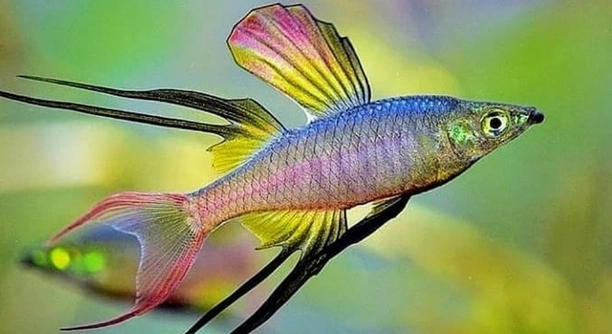
Do you ever notice one of your threadfin rainbowfish suddenly acting nervous while the others swim calmly around the tank? Changes in behavior can be puzzling, especially when your fish has been peaceful and healthy for weeks.
A sudden skittish response in a threadfin rainbowfish is often caused by stressors such as changes in water quality, tank mates, or environmental disturbances. Monitoring and correcting these factors usually helps restore normal behavior and reduces anxiety.
Observing subtle signs in your fish can reveal a lot about their well-being. Paying attention to these details will help maintain a calm and healthy aquarium environment.
Common Causes of Sudden Skittish Behavior
Threadfin rainbowfish can act skittish for a number of reasons, most often linked to their environment. Sudden changes in water temperature, pH levels, or ammonia can create stress. Even minor adjustments in lighting or placement of decorations can unsettle them. Tankmates also play a role; aggressive or overly active fish can make a normally calm rainbowfish anxious. Stress may be compounded if your fish has recently been moved or if there have been loud noises nearby. Overcrowding is another factor that can increase tension in the tank. Monitoring your fish closely will often reveal patterns related to their behavior. Proper filtration, regular water changes, and gentle acclimation of new additions help maintain a stable environment. Observing how your rainbowfish responds over several days can indicate if the behavior is temporary or requires intervention. Identifying and addressing these triggers ensures a healthier, calmer fish population overall.
Stress is usually linked to environmental changes or interactions with other fish, which affect the rainbowfish’s sense of security.
Keeping your tank calm and predictable is key. Small adjustments in water quality, lighting, or tankmates often help your skittish rainbowfish regain comfort. Gradual changes and careful observation are essential to restoring their normal behavior patterns and overall health.
Steps to Help Your Skittish Rainbowfish
Behavioral changes can often be mitigated by creating a stable environment.
Start with consistent water parameters. Temperature, pH, and ammonia levels should remain within the ideal range for rainbowfish. Adding hiding spots or plants can give your fish a sense of safety, reducing anxiety. Avoid sudden movements near the tank, loud noises, and abrupt changes in lighting. Observe your fish’s interaction with tankmates and separate aggressive individuals if necessary. A routine feeding schedule and regular water maintenance also promote security and well-being.
It is helpful to introduce changes gradually. When adding new fish, acclimate them slowly to reduce stress. Monitor the tank daily, noting any behavioral shifts and adjusting the environment accordingly. Even small improvements in water quality, hiding spaces, or social dynamics can significantly decrease skittish behavior. Consistent care and observation allow your rainbowfish to regain confidence and exhibit normal activity. Over time, they typically become more relaxed and active, blending smoothly with other tankmates while reducing sudden darting or hiding. Maintaining this balance is crucial to long-term health and comfort in your aquarium.
Observing Tank Conditions
Poor water quality can make rainbowfish skittish quickly. High ammonia, nitrites, or sudden pH swings create stress. Regular testing and consistent maintenance are essential to prevent these issues and keep your fish comfortable and healthy.
Filtration and water changes play a big role in stability. A properly filtered tank removes waste, preventing toxic buildup that can cause sudden anxiety. Partial water changes of 20–30% weekly help maintain chemical balance. Temperature fluctuations can also trigger skittish behavior, so keeping a stable heater setting is important. Pay attention to decorations, plants, and substrate—moving them suddenly can startle your rainbowfish. Observing daily allows you to notice subtle changes before stress becomes severe.
Lighting and placement affect how secure your rainbowfish feel. Bright lights or reflections can cause hiding or darting behavior. Gentle, consistent lighting helps fish feel safer. Positioning the tank away from heavy foot traffic or loud appliances reduces stress. Adding hiding spots with plants or small decorations gives fish areas to retreat when nervous. Even minor adjustments to tank layout or light timing can improve behavior, encouraging calm swimming and social interaction with other fish. A consistent environment is key to preventing repeated skittish reactions.
Feeding and Nutrition
A poor diet can increase stress and nervousness in rainbowfish. Uneven feeding or low-quality food affects their energy and behavior.
Feed a varied diet including flakes, pellets, and occasional live or frozen foods. High-quality nutrition supports their immune system, reduces stress, and encourages regular swimming patterns. Avoid overfeeding, which can pollute water and create aggression. Observe which foods your rainbowfish prefers and ensure all fish receive enough. Rotating diet options helps maintain health and interest in feeding. Feeding at the same time daily adds predictability, which reduces anxiety.
Proper feeding practices also reinforce routine and comfort. Small, frequent meals are better than large infrequent ones. Remove leftover food to maintain water quality. Consistency in diet and portion sizes prevents hunger-related stress and overcompetition among tankmates. Monitoring eating habits helps spot health issues early, as changes in appetite often accompany skittish behavior. Balanced nutrition combined with a calm environment makes your rainbowfish more confident and relaxed over time, reducing sudden darting or hiding. Observing how your fish interact during feeding also provides insight into their overall well-being.
Social Dynamics in the Tank
Aggressive or overly active tankmates can make a rainbowfish skittish. Even normally calm fish may react nervously when others dominate swimming areas or chase them.
Grouping rainbowfish with compatible species reduces stress. Avoid housing them with overly aggressive or much larger fish that disrupt their swimming patterns.
Illness and Health Issues
Parasites, infections, or internal health problems can cause sudden nervous behavior. A skittish rainbowfish may also show signs like faded color, clamped fins, or reduced appetite. Observing closely helps determine if medical attention is necessary.
Checking for visible signs of disease is important. Mild infections can be treated quickly, preventing more severe stress-related behaviors. Isolating affected fish in a quarantine tank ensures the rest of the group remains calm and healthy. Proper nutrition, clean water, and careful observation are key to preventing future health issues that trigger skittish behavior in rainbowfish. Early intervention often restores normal activity and reduces anxiety.
Environmental Enrichment
Adding plants, caves, or other hiding spaces gives rainbowfish safe areas.
Monitoring Behavior Over Time
Tracking daily activity and interactions helps identify triggers. Consistent observation is essential to maintain a calm, healthy aquarium environment.
FAQ
Why is my threadfin rainbowfish suddenly hiding more than usual?
Hiding is usually a response to stress or perceived threats. Changes in water quality, aggressive tankmates, or sudden environmental disturbances can make your fish feel unsafe. Adding plants, caves, or other hiding spots provides comfort while you investigate potential stressors.
Could water quality really make my rainbowfish skittish overnight?
Yes. Threadfin rainbowfish are sensitive to ammonia, nitrites, and sudden pH or temperature changes. Even a small spike in toxins can trigger darting, hiding, or unusual swimming patterns. Regular testing and consistent maintenance are essential for stability and calm behavior.
Are certain tankmates more likely to trigger nervous behavior?
Aggressive or overly active fish often make rainbowfish anxious. Even slightly dominant fish can disrupt their swimming space, causing skittish reactions. Choose peaceful species and monitor interactions, separating any fish that repeatedly stress your rainbowfish.
Can feeding routines affect their behavior?
Yes. Irregular feeding or poor-quality food can increase anxiety. A balanced, varied diet with consistent meal times encourages normal swimming and reduces stress. Avoid overfeeding, as leftover food can pollute water and worsen skittish behavior.
Is illness a common cause of sudden nervousness?
Health issues, including parasites or infections, can lead to skittishness. Look for signs like clamped fins, faded color, or reduced appetite. Prompt treatment and isolation in a quarantine tank can prevent further stress and protect the rest of your fish.
Does lighting impact how my rainbowfish behave?
Bright or fluctuating lighting can cause nervous behavior. Consistent, gentle lighting makes fish feel safer. Avoid sudden changes or reflections in the tank, and provide shaded areas with plants or decorations to reduce stress.
How long will it take for my rainbowfish to calm down?
Recovery time varies. Minor stress from environmental changes may resolve in a few days. Chronic stressors, like poor water quality or aggressive tankmates, require more intervention. Consistent care, monitoring, and environmental stability are key for restoring confidence.
Can rearranging the tank cause temporary skittishness?
Yes. Moving decorations or changing the layout can disorient your fish. Introduce changes gradually, allowing your rainbowfish to adjust. Providing hiding spaces helps them regain confidence while exploring the new setup.
Should I consider a quarantine tank for new fish?
Absolutely. Introducing new fish without quarantine can expose your rainbowfish to stress or disease. A quarantine period helps ensure new additions are healthy and reduces potential disruptions to established social dynamics.
What are the signs that stress is resolved?
Calmer swimming, normal appetite, and less darting or hiding indicate your rainbowfish feels secure. Regular observation helps confirm that environmental adjustments, diet, and tankmate management have been effective. Consistency is key to long-term behavioral stability.
How often should I check water quality?
Daily visual checks and weekly chemical testing are ideal. Monitoring parameters like ammonia, nitrites, nitrates, and pH ensures the environment remains stable. Small, regular adjustments prevent sudden stress and help maintain calm behavior.
Are plants and decorations just for hiding, or do they serve other purposes?
They offer both comfort and stimulation. Plants and decorations mimic natural habitats, reduce territorial disputes, and encourage exploration. Even small changes in decor can improve overall well-being, making rainbowfish more confident and active.
Is it normal for only one fish to act skittish while others are fine?
Yes. Individual temperament, age, or prior experiences can make one rainbowfish more sensitive. Observe interactions, and make environmental improvements to support the skittish fish without disrupting the others.
How do I know if behavior changes are temporary or a serious problem?
Monitor for additional signs like appetite loss, color fading, or lethargy. Temporary nervousness usually resolves with environmental adjustments. Persistent or worsening behaviors may indicate illness or chronic stress, requiring intervention and careful observation.
Can water temperature swings cause skittish behavior?
Even small fluctuations can trigger stress. Rainbowfish prefer stable temperatures within their ideal range. Sudden heating or cooling may cause darting, hiding, or erratic swimming, so using a reliable heater and thermometer is important.
Are there subtle signs of stress I might miss?
Yes. Flaring fins, brief hiding, increased gill movement, or rapid darting are often early indicators. Watching your fish daily helps detect issues before stress escalates into more severe behavioral problems.
How can I make the tank environment more predictable?
Consistent lighting, feeding, and water maintenance routines reduce stress. Keeping decorations and plants relatively stable while providing safe hiding spots helps rainbowfish feel secure, promoting normal swimming and social behavior.
Can overstocking the tank contribute to skittishness?
Overcrowding increases competition, territorial disputes, and stress. Ensure your tank has enough space per fish and avoid adding too many new individuals at once. A balanced population supports calmer, healthier behavior.
What should I do if all else fails?
If behavior remains skittish despite optimal water quality, proper diet, compatible tankmates, and environmental enrichment, consulting a veterinarian experienced with fish is recommended. Professional advice can help identify underlying health or behavioral issues that are not immediately visible.
Final Thoughts
Threadfin rainbowfish are naturally active and social, but sudden skittish behavior is a clear signal that something in their environment or health may need attention. Observing their behavior closely is the first step to understanding what might be causing anxiety. Even minor changes, like a new tank decoration, a different water temperature, or a new fish addition, can trigger nervous responses. Being aware of these triggers helps you address them quickly before stress becomes more serious. Regular monitoring of water parameters, including ammonia, nitrite, nitrate, and pH levels, is essential. Maintaining stable water conditions is one of the most effective ways to reduce skittish behavior. Changes should be introduced gradually, allowing fish time to adapt without feeling threatened.
Diet and nutrition also play a major role in behavior. A consistent feeding routine using high-quality, varied food supports both physical health and mental well-being. Overfeeding or inconsistent feeding schedules can create tension, while a balanced diet helps fish feel secure and maintain energy for normal activity. Adding live or frozen foods occasionally can stimulate natural foraging instincts, providing both nutrition and enrichment. Feeding at the same time each day helps rainbowfish feel more predictable and less anxious. Observing how your fish respond during feeding can also give you insight into their overall health. A fish that eagerly eats and explores the tank is generally more comfortable, while a sudden drop in appetite or avoidance of food may indicate stress or illness.
Creating a calm and enriched environment is equally important. Hiding spots such as plants, caves, or decorative structures give rainbowfish safe places to retreat when they feel nervous. The layout of the tank should remain mostly consistent, as sudden changes in decorations or lighting can increase anxiety. Tankmates should be chosen carefully, with attention to temperament and size to avoid aggression or territorial disputes. Monitoring social interactions can help you notice early signs of stress and take action if necessary. Over time, with proper care, attention to diet, and a stable environment, skittish rainbowfish usually regain confidence. Observing them daily, keeping routines consistent, and maintaining clean, stable water creates a safe space where your fish can thrive, swim actively, and interact normally with their tankmates. This approach supports both their long-term health and overall comfort in the aquarium.

Hello,
If you enjoy the content that we create, please consider saying a "Thank You!" by leaving a tip.
Every little bit helps us continue crafting quality advice that supports the health, happiness, and well-being of pets around the world, for pets of all shapes, sizes, and species.
We really appreciate the kindness and support that you show us!