
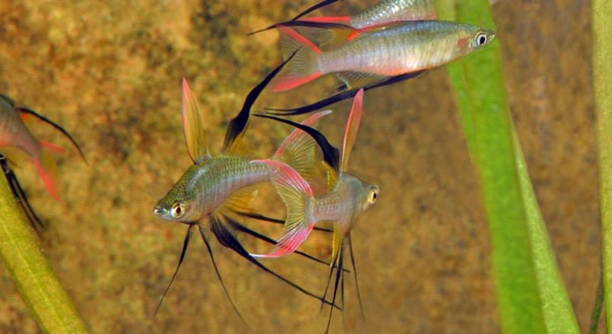
Have you ever wondered how delicate Threadfin Rainbowfish handle life in simpler aquariums? These small, shimmering fish are loved for their colors and active behavior, yet many hobbyists question whether low-tech setups suit them.
Threadfin Rainbowfish can adapt to low-tech aquariums, provided basic conditions like stable water parameters, adequate space, and consistent feeding are maintained. While not as demanding as some species, careful monitoring ensures their health and coloration remain optimal.
Understanding their adaptability will help you create a comfortable environment. Small adjustments can make a noticeable difference in their well-being and overall enjoyment of your aquarium.
Tank Conditions for Low-Tech Setups
Keeping Threadfin Rainbowfish in a low-tech aquarium is simpler than most people think. They do best in tanks with gentle filtration, stable temperatures, and plenty of swimming space. While they tolerate modest plant growth, adding floating plants helps reduce stress. Avoid sudden changes in water chemistry, as these fish are sensitive to spikes in ammonia or nitrite. A tank of at least 20 gallons is recommended for a small group, since these fish are active swimmers and enjoy open water. Decorations like driftwood or smooth rocks can provide hiding spaces without overcrowding the tank. Feeding should be consistent, offering a mix of high-quality flake, micro-pellets, and occasional live or frozen foods. Monitoring water regularly is essential; even low-tech setups need weekly partial water changes to keep fish healthy. Lighting should be gentle, highlighting their colors without causing stress.
Low-tech tanks require attention to basic needs, not complex equipment. Simple care ensures thriving, colorful fish.
Maintaining stability in water temperature and chemistry is vital. Even though these fish are somewhat adaptable, they can become stressed if changes occur too quickly. Regular observation allows early detection of illness or behavioral shifts. Choosing appropriate plants and decorations reduces hiding competition and supports natural behavior. Feeding small portions multiple times a day mimics their natural foraging habits.
Diet and Feeding
A balanced diet is key to keeping Threadfin Rainbowfish healthy. They enjoy a variety of foods, from high-quality flakes to frozen brine shrimp.
Feeding them several small meals daily helps maintain their energy and vibrant colors. Overfeeding should be avoided, as leftover food can foul water quickly.
Supplementing their diet with live or frozen options occasionally encourages natural hunting behavior and supports overall health. While flakes are convenient, they may lack certain nutrients, so rotating food types ensures a more complete diet. Observing their eating habits also helps detect any early signs of illness, like reduced appetite or picky behavior. Even in a low-tech setup, proper nutrition promotes growth, coloration, and activity levels. A diet that meets these needs reduces stress and keeps the fish lively, making the tank more visually appealing and easier to manage over time.
Social Behavior and Tank Mates
Threadfin Rainbowfish are peaceful and do best in groups of at least six. They interact actively, swimming together and showing off their colors, which reduces stress. Aggressive or very large fish should be avoided to prevent bullying and injury.
Keeping them in small schools encourages natural behavior and helps maintain a calm environment. Mixing them with other peaceful species of similar size works well, but be careful with slow-moving or shy fish, as they may be intimidated. Observing their interactions daily helps identify stress or compatibility issues early. They thrive when there is enough space for everyone to swim freely without overcrowding. Decorations like plants or rocks can create small zones for retreat, but avoid cluttering the tank, which limits movement.
Proper group size and compatible tank mates are essential for mental and physical health. Social interaction supports color vibrancy, feeding behavior, and overall activity levels.
Water Quality Management
Stable water conditions are crucial for keeping Threadfin Rainbowfish healthy. Sudden changes in temperature or pH can cause stress and illness. Testing water weekly helps detect any imbalances before they become serious problems.
Even in low-tech setups, regular water changes prevent the buildup of toxins. Removing debris, uneaten food, and waste helps maintain oxygen levels and prevents algae overgrowth. Avoid using harsh chemicals, and focus on natural methods like gentle filtration and live plants. Observing fish behavior is a practical indicator of water quality; lethargy, faded colors, or clamped fins may signal a problem. Maintaining consistent temperature, around 74–78°F, ensures their metabolism and immune system function properly.
Choosing the right filtration system and performing partial water changes consistently can dramatically improve fish health. Patience and routine maintenance are key in low-tech tanks, reducing stress and enhancing longevity. Proper water management ensures thriving, active fish and a balanced, visually appealing aquarium.
Lighting and Plant Considerations
Moderate lighting works best for Threadfin Rainbowfish, highlighting their colors without causing stress. Too much light can encourage algae growth and make fish nervous, while too little light can dull their natural coloration and reduce plant growth.
Live plants provide hiding spots and improve water quality. Fast-growing species like Java fern or hornwort are low-maintenance and help absorb excess nutrients, keeping the tank balanced and comfortable for the fish.
Tank Size Recommendations
A minimum of 20 gallons is recommended for a small school of Threadfin Rainbowfish. Larger tanks are better for more active swimming and stable water conditions. Choosing the right size ensures proper social interaction and reduces stress caused by overcrowding.
Observation and Maintenance
Regular observation is important. Watch for changes in behavior, appetite, and color to catch problems early. Small adjustments during maintenance can prevent larger issues and support long-term fish health.
FAQ
Can Threadfin Rainbowfish live in a low-tech tank?
Yes, they can live in a low-tech tank as long as basic conditions are met. Stable temperature, regular partial water changes, and a consistent feeding routine are essential. They don’t need complex filtration or CO₂ systems, but monitoring water quality ensures they remain healthy.
How many Threadfin Rainbowfish should I keep together?
A minimum of six fish is recommended. They are schooling fish and feel safer in groups. Smaller numbers can lead to stress, hiding, or aggression. A larger group encourages natural swimming patterns and reduces boredom or lethargy.
What tank size is appropriate?
A 20-gallon tank works for a small school, but larger tanks are ideal. Threadfin Rainbowfish are active swimmers and need space to move. Larger tanks also help maintain stable water parameters, reducing stress and promoting overall health.
What temperature range is best?
They thrive in 74–78°F (23–26°C). Sudden changes in temperature can cause stress and illness. Using a reliable heater and monitoring with a thermometer ensures the tank stays within the safe range.
Do they need live plants?
Live plants are helpful but not strictly necessary. They provide hiding spots, improve water quality, and reduce stress. Low-maintenance plants like Java fern, hornwort, or Anubias work well in low-tech setups without requiring extra care.
What should I feed them?
A varied diet is ideal. High-quality flakes or micro-pellets form the base, supplemented with frozen or live foods like brine shrimp or daphnia. Multiple small feedings per day mimic natural foraging and maintain their color and energy. Avoid overfeeding to prevent water quality issues.
Are they compatible with other fish?
Threadfin Rainbowfish are peaceful. Suitable tank mates are other small, non-aggressive species like tetras or guppies. Avoid large or aggressive fish that may bully them. Observing interactions helps identify stress or compatibility issues early.
How often should water be changed?
Even in low-tech tanks, weekly partial water changes of 20–30% are recommended. This removes waste, prevents toxin buildup, and maintains stable water chemistry. Cleaning the substrate and removing uneaten food improves overall tank health.
What signs indicate stress or illness?
Look for faded colors, clamped fins, lethargy, or loss of appetite. Sudden hiding or erratic swimming can also signal stress. Early detection allows prompt adjustments in water quality, diet, or tank environment, preventing serious health problems.
Can they breed in a low-tech tank?
Yes, but breeding may require slightly warmer water and dense plants for egg-laying. Removing adults after spawning can prevent egg predation. Low-tech setups can support fry survival if water conditions remain stable and food is suitable.
How do I maintain water quality without high-tech equipment?
Regular partial water changes, live plants, and gentle filtration are enough. Avoid chemicals unless necessary. Monitoring fish behavior and performing routine maintenance helps maintain balance and ensures a healthy environment for the school.
Is lighting important for their health?
Moderate lighting enhances coloration and supports plant growth. Too much light causes stress and algae overgrowth, while too little light dulls their colors and slows plant growth. Adjust intensity and duration to balance fish comfort and plant health.
Can they live in soft or hard water?
They tolerate a range of water hardness, but moderate water is best. Extreme soft or hard water can stress them and reduce coloration. Testing water periodically helps maintain proper parameters and ensures a comfortable environment.
Do they require a specific pH level?
A slightly neutral to slightly alkaline pH (6.5–7.5) works best. Sudden swings in pH can stress the fish, so regular monitoring is important. Low-tech setups often maintain stable pH with regular water changes and natural substrates.
How often should I feed live foods?
Live or frozen foods should be offered 1–2 times per week. They provide extra nutrition and encourage natural hunting behavior. Most of the diet can still consist of flakes or pellets, which ensure consistent nutrient intake.
Can I keep them with shrimp or snails?
Yes, small shrimp and snails are usually safe companions. They coexist peacefully, and fish typically ignore them. Just ensure the tank has enough hiding spots to protect invertebrates from curious or fast-moving fish.
Do they need a strong current?
No, they prefer gentle water flow. Strong currents can stress them and reduce their natural swimming behavior. A low-flow filter or placement of decorations to break current works well in low-tech tanks.
How long do Threadfin Rainbowfish live?
With proper care, they can live 4–5 years or more. Stable water, good diet, and a stress-free environment contribute to longevity. Regular observation helps maintain health and prevent premature deaths.
Are there color differences between males and females?
Yes, males are more vibrant, especially during breeding periods. Females are generally paler but healthy and active. Group dynamics and proper diet help maintain male coloration while keeping females comfortable.
What common mistakes should I avoid?
Overcrowding, overfeeding, sudden water changes, and aggressive tank mates are the most common mistakes. Paying attention to tank size, diet, and water quality prevents stress and ensures the fish thrive in a low-tech setup.
This FAQ covers the essential aspects of caring for Threadfin Rainbowfish in a low-tech aquarium, ensuring a safe and vibrant environment for your fish.
Final Thoughts
Threadfin Rainbowfish are surprisingly adaptable for small, low-tech aquariums. Their bright colors and active swimming behavior make them enjoyable to watch, but they still need stable conditions and consistent care. Even without advanced equipment, these fish can thrive if basic needs are met. Maintaining steady water temperature, a balanced diet, and a clean environment are the most important factors. Regular partial water changes and gentle filtration help prevent stress and keep the tank healthy. Observing their behavior daily also allows you to notice early signs of illness or discomfort, which is easier to manage in a smaller, low-tech setup.
Social interaction is crucial for Threadfin Rainbowfish. They do best in groups of six or more, which allows them to display natural swimming patterns and reduces stress. Group living also encourages their colors to stay vibrant, as they feel more secure when surrounded by other fish. Tank mates should be peaceful, of similar size, and able to coexist without bullying. Overcrowding or placing aggressive species in the same tank can cause unnecessary stress and health problems. Decorations like driftwood, rocks, and live plants can provide hiding spaces, but they should not restrict swimming space. Proper group dynamics and a comfortable environment contribute to overall well-being and a more visually appealing aquarium.
Even in a low-tech setup, nutrition plays a vital role in their health. A varied diet of flakes, micro-pellets, and occasional live or frozen foods ensures they get the nutrients needed for growth and color development. Overfeeding should be avoided, as leftover food can quickly deteriorate water quality. Moderate lighting enhances their colors without causing stress or algae overgrowth, while live plants improve water quality and provide safe zones for resting. With consistent care, attention to water parameters, and the right social environment, Threadfin Rainbowfish can thrive in simpler aquariums. Their lively presence and shimmering colors make them a rewarding species to keep, even for aquarists who prefer low-tech, hands-on setups.

Hello,
If you enjoy the content that we create, please consider saying a "Thank You!" by leaving a tip.
Every little bit helps us continue crafting quality advice that supports the health, happiness, and well-being of pets around the world, for pets of all shapes, sizes, and species.
We really appreciate the kindness and support that you show us!