
Paragraph 1 (35 words):
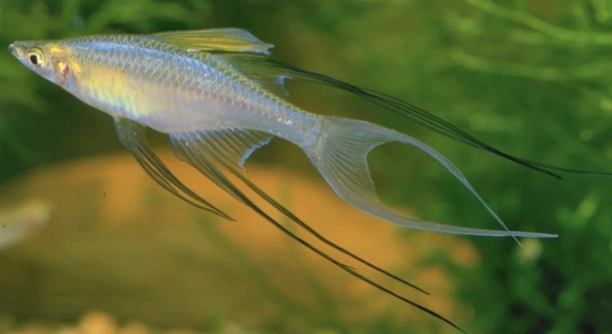
Threadfin rainbowfish are small, lively fish that brighten up any aquarium. Watching their colors fade can be disappointing, but with proper care, these fish can regain their vibrant, full-bodied hues and look stunning once again.
Paragraph 2 (40 words, bold):
Encouraging threadfin rainbowfish to display full colors requires a combination of optimal water conditions, balanced nutrition, and appropriate lighting. Stress reduction and proper tank companions also play a significant role in promoting healthy pigmentation and overall vitality in these fish.
Paragraph 3 (20 words):
Learning these steps can improve your fish’s appearance and well-being, making your aquarium a more colorful and lively environment.
Water Quality and Tank Conditions
Maintaining excellent water quality is key to helping threadfin rainbowfish show their full colors. These fish thrive in slightly acidic to neutral water with stable temperature and regular filtration. Changing 20–30% of the water weekly helps remove waste and prevents harmful ammonia or nitrate buildup. Tank size also matters; these active fish need enough space to swim freely. A crowded tank can stress them and dull their colors, so aim for at least a 20-gallon tank for a small group. Adding live plants and hiding spots gives them security and reduces stress. Avoid sudden temperature changes or aggressive tank mates, as both can impact their health. Monitoring pH, temperature, and water hardness with simple testing kits ensures the conditions remain stable. Clean substrate and proper aeration further contribute to their comfort. When conditions are consistent, threadfin rainbowfish tend to display richer, brighter colors naturally, making them a stunning addition to any aquarium.
Regular water changes and a stable environment significantly improve coloration and reduce stress in your fish.
Keeping the tank clean, maintaining proper temperature, and providing a calm environment are essential. A balanced ecosystem promotes natural behavior and enhances vibrant hues. Using gentle filtration, consistent lighting, and regular monitoring ensures the fish remain healthy. Overcrowding or poor water can cause fading, so plan tank layout carefully. Plants, rocks, and open swimming areas help fish feel secure while allowing them to interact naturally. Observing their behavior and adjusting water parameters when needed can make a noticeable difference. Even small improvements in care can lead to brighter, more vivid colors, creating a lively display in your aquarium. Over time, the fish adapt to their environment, showing stronger patterns and richer shades. Patience and attention to detail are important.
Nutrition and Feeding Practices
High-quality nutrition is essential for vibrant coloration. Feeding a variety of foods, including live, frozen, and high-quality pellets, provides necessary nutrients and carotenoids. Avoid overfeeding, as excess food pollutes the water and stresses the fish.
A proper diet enhances natural pigments and overall health. Supplementing with occasional live foods, such as brine shrimp or daphnia, can stimulate activity and improve coloration. Vegetables like blanched spinach or zucchini add essential vitamins and fiber. Feeding small amounts multiple times a day ensures fish consume nutrients efficiently without fouling the tank. Consistency in diet helps the fish maintain energy and prevents color fading. Introducing color-enhancing foods gradually allows the fish to adapt, improving their appearance over time. Observing how fish respond to different foods can guide adjustments to optimize pigmentation. Pairing nutrition with clean water and minimal stress produces the best results. Over weeks, bright stripes and shimmering scales become more noticeable, reflecting both health and care. Proper feeding also supports growth, immune function, and reproductive health, contributing to a vibrant and active aquarium population.
Lighting and Aquarium Setup
Proper lighting directly affects threadfin rainbowfish coloration. Natural-spectrum lighting helps their pigments show, while dim or inconsistent light can dull their colors. Position lights to avoid overheating but still provide enough brightness for plants and fish.
Consistent lighting cycles mimic natural day and night patterns, encouraging fish to display full colors. LED lights with adjustable intensity work well, giving you control over brightness without stressing the fish. Avoid placing tanks in direct sunlight, which can cause algae growth and temperature fluctuations. Including a mix of open swimming areas and shaded spots helps fish feel secure. Plants, rocks, and driftwood can create a visually appealing environment while providing shelter. Observing fish during different lighting conditions shows how color intensity changes, helping you fine-tune your setup. Proper lighting combined with healthy water conditions ensures the fish look their best consistently.
Tank decorations influence behavior and coloration. Hiding spots reduce stress, and reflective surfaces can enhance brightness. Open swimming areas allow natural displays, while plants soften harsh lighting. Placement and spacing of decorations directly impact comfort and visual appeal.
Stress Reduction Techniques
Minimizing stress is crucial for maintaining vibrant colors in threadfin rainbowfish. Avoid overcrowding, aggressive tank mates, and sudden changes in water parameters. Stress can weaken their immune system and dull pigmentation.
Regular observation helps identify signs of stress, such as hiding, loss of appetite, or faded colors. Maintaining a calm environment with gentle filtration and minimal sudden movement prevents anxiety. Feeding at consistent times and providing secure areas encourages natural behavior. If introducing new fish, quarantine them to reduce the risk of disease and aggression. Using live plants and smooth substrates also contributes to a stable, stress-free environment. Over time, these efforts allow fish to display their brightest, healthiest colors consistently.
A consistent routine is key. Feeding, water changes, and lighting should follow a schedule. Small, steady adjustments are better than sudden changes, which can shock the fish. Observing behavior daily helps detect subtle stress signals before they affect color or health.
Tank Companions
Choosing compatible tank mates is important for threadfin rainbowfish. Avoid aggressive species that may stress them. Peaceful fish of similar size help maintain a calm environment, allowing rainbowfish to display their colors fully.
Overcrowding or incompatible companions can lead to hiding or dull coloration. Small schooling fish often work well, encouraging natural activity and social behavior without conflict.
Temperature and Water Stability
Maintaining stable water temperature between 24–28°C supports both health and coloration. Sudden fluctuations can stress the fish, causing color fading or lethargy. Using a reliable heater and thermometer helps keep conditions steady. Regular monitoring and gradual adjustments prevent shocks that might affect pigmentation and overall vitality.
Observation and Adjustment
Watching your fish daily allows you to notice changes in behavior or color. Subtle adjustments to diet, lighting, or tank setup can quickly improve their appearance.
FAQ
How often should I feed my threadfin rainbowfish to maintain vibrant colors?
Feeding small amounts two to three times a day is ideal. A mix of high-quality pellets, frozen foods, and occasional live foods ensures they receive proper nutrients. Overfeeding can pollute the water and stress the fish, which may dull their colors. Feeding consistently at the same times each day helps maintain their energy levels and encourages natural activity, which also promotes brighter pigmentation. Observing how the fish respond to different foods allows you to adjust portions and variety effectively.
What type of lighting works best for showing their full colors?
Natural-spectrum LED lights are the most effective. They highlight pigments without causing stress or overheating the tank. Maintaining a consistent day-night cycle, roughly 10–12 hours of light, helps fish display colors naturally. Avoid direct sunlight, which can cause algae growth and temperature swings. Adding shaded areas with plants or decorations allows the fish to choose where to swim, reducing stress and promoting better coloration. Adjustable lights also let you experiment with brightness to enhance the fish’s appearance.
Which tank mates are suitable for threadfin rainbowfish?
Peaceful, similarly sized fish are the best choice. Avoid aggressive or territorial species that can intimidate or stress rainbowfish. Small schooling fish, such as danios or other rainbowfish species, often work well. Introducing tank mates slowly and monitoring interactions helps prevent conflicts. A well-planned social environment encourages natural behavior, reduces hiding, and allows rainbowfish to display their vibrant colors. Overcrowding should be avoided to maintain water quality and minimize stress.
How important is water quality for coloration?
Water quality is crucial. Stable temperature, proper pH, and clean water allow the fish to maintain bright colors. Weekly partial water changes and regular filtration prevent harmful chemical buildup. Monitoring ammonia, nitrate, and nitrite levels ensures a safe environment. Stress from poor water conditions can lead to faded pigmentation and health issues. Clean substrate, gentle water flow, and aeration also help fish feel secure, contributing to brighter coloration and active behavior.
Can diet alone improve the colors of my rainbowfish?
Diet plays a large role, but it works best with good water quality and low stress. Foods rich in carotenoids, like shrimp or specialized color-enhancing flakes, help deepen red and orange pigments. Live or frozen foods stimulate activity and natural foraging, which can make colors appear more vivid. Consistent feeding routines and variety prevent nutritional deficiencies and support overall health. Observing changes over time shows how diet impacts their appearance and energy levels.
How do I reduce stress in my aquarium to improve coloration?
Provide hiding spots, maintain consistent water parameters, and avoid aggressive tank mates. Gentle filtration and calm lighting reduce stress. Observing fish for signs like hiding or loss of appetite helps you identify stress sources quickly. Small, gradual changes to the tank environment prevent shocks, allowing colors to improve naturally. Creating a stable, secure habitat encourages natural swimming and social behaviors, which enhances vibrant hues.
How quickly can I expect my fish to regain full coloration?
Improvement varies depending on water quality, diet, stress levels, and age of the fish. Some show noticeable changes within a few weeks, while others take months. Consistency in care and observation is essential. Making gradual adjustments in lighting, feeding, and tank setup produces the best long-term results. Patience is key, as stress reduction and proper nutrition gradually restore pigmentation and overall vitality.
Do live plants affect their coloration?
Yes. Live plants reduce stress by offering hiding spots and stabilizing water parameters. They create natural lighting effects and improve oxygen levels. A planted tank encourages natural behavior, which can enhance the vibrancy of colors. Proper plant placement combined with open swimming areas allows rainbowfish to display their best appearance.
What signs indicate my rainbowfish are healthy and colorful?
Bright, consistent coloration, active swimming, and regular feeding behavior indicate good health. Healthy fish explore their environment, interact with tank mates, and show clear, vibrant stripes. Dull colors, hiding, or lethargy can signal stress, poor water quality, or nutritional deficiencies. Monitoring behavior and color regularly helps maintain optimal conditions.
Are there supplements that enhance color safely?
Color-enhancing foods or occasional carotenoid-rich supplements can boost pigmentation safely when used correctly. Avoid overuse, as excess supplements do not improve color and can disrupt water quality. Balanced nutrition combined with clean water, proper lighting, and low stress is more effective than relying solely on supplements.
Final Thoughts
Caring for threadfin rainbowfish requires attention to several factors, but the results are very rewarding. Maintaining clean, stable water is the foundation for healthy fish and vibrant colors. Regular water changes, proper filtration, and careful monitoring of temperature, pH, and hardness help prevent stress and illness. Stress-free fish are more likely to swim actively and display their natural, bright colors. It is easy to underestimate how much the environment affects their appearance, but even small improvements, like adding plants or creating hiding spots, can make a noticeable difference. Observing the fish closely allows you to notice changes in behavior or coloration, which can indicate when adjustments are needed. Over time, consistent care leads to healthier, happier fish that display their full spectrum of colors naturally.
Nutrition is another key factor in promoting vivid colors. Feeding a balanced diet that includes high-quality flakes or pellets, frozen or live foods, and occasional vegetable matter ensures that the fish receive all the essential nutrients. Carotenoids in foods, such as shrimp or specialized color-enhancing flakes, support red and orange pigmentation. Offering small, frequent meals prevents overfeeding and reduces water pollution, which also keeps stress low. Variety in diet encourages natural foraging behavior and keeps fish active, which can enhance their overall appearance. While diet alone is not enough to maintain brilliant colors, it works hand in hand with water quality, lighting, and a calm tank environment. Patience is important, as noticeable changes in coloration may take several weeks or even months.
Finally, reducing stress and providing a stable environment play a large role in helping threadfin rainbowfish show their best colors. Avoiding aggressive tank mates, providing open swimming areas, and keeping a consistent day-night cycle all help fish feel secure. Adjustments in lighting, tank decorations, and temperature should be gradual to prevent sudden shocks that could dull their colors. A well-planned tank layout with a mix of shaded areas and open space encourages natural behavior, which also contributes to healthy pigmentation. Observing the fish regularly and responding to subtle changes ensures that your aquarium remains a supportive environment. By combining proper water care, balanced nutrition, and stress reduction techniques, threadfin rainbowfish can reach their full color potential, creating a visually striking and lively aquarium. Consistent attention and patience result in fish that are both healthy and truly beautiful.

Hello,
If you enjoy the content that we create, please consider saying a "Thank You!" by leaving a tip.
Every little bit helps us continue crafting quality advice that supports the health, happiness, and well-being of pets around the world, for pets of all shapes, sizes, and species.
We really appreciate the kindness and support that you show us!