
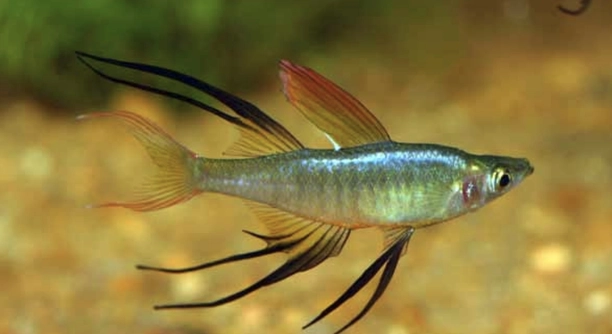
Have you ever noticed your threadfin rainbowfish acting differently and started to wonder if they can experience changes in their mood? These beautiful fish bring color and calmness to aquariums, but their behavior may sometimes seem unusual.
Threadfin rainbowfish cannot become depressed in the same way humans do, but they can show stress and behavioral changes when conditions are poor. Stress may result from overcrowding, inadequate water quality, lack of enrichment, or insufficient dietary variety.
Learning about their needs can help you provide the best care, creating a healthier and more peaceful environment for your rainbowfish.
Understanding Stress in Threadfin Rainbowfish
Threadfin rainbowfish are sensitive creatures, and their environment plays a big role in how they behave. While they cannot feel depression like humans, they do react to stress in noticeable ways. Poor water quality, sudden changes in temperature, and overcrowding can all cause them to show unusual behavior. Stress may appear as loss of color, lack of appetite, hiding, or even aggressive reactions. These behaviors are not always signs of sickness but rather a response to their surroundings. By observing them closely, you can recognize when something feels off and make adjustments to support their overall well-being.
Stress in rainbowfish is most often linked to their environment. A balanced and stable tank helps reduce these issues and keeps them active. Paying attention to water conditions and their social interactions will make a significant difference in how they respond daily.
A clean tank with stable water parameters can help threadfin rainbowfish thrive. Adding plants, hiding spaces, and a well-planned diet supports their natural behavior and reduces stress. These small adjustments can encourage brighter colors, active swimming, and better feeding responses, creating a healthier and more peaceful aquarium for them.
Key Factors That Influence Their Behavior
Changes in behavior are commonly influenced by conditions in their habitat. If your rainbowfish appear stressed, it is usually linked to poor care or a lack of proper attention to their environment.
The main factors that influence the behavior of threadfin rainbowfish include water quality, diet, and social structure. These fish require stable water conditions with consistent temperature and pH levels. Any sudden shifts can lead to stress, which may cause them to hide or lose energy. Diet also plays an important role. A varied menu with high-quality flakes, live food, and frozen options helps them stay healthy and active. Social structure is equally important since they are schooling fish and need the comfort of a group to feel secure. When kept in small numbers, they may become timid or less active. Understanding these influences ensures their care remains consistent, helping you maintain both their health and happiness.
Signs of Stress in Threadfin Rainbowfish
When threadfin rainbowfish feel stressed, they often show it through their behavior. You may notice duller colors, less movement, reduced appetite, hiding more often, or occasional fin clamping. These small changes can signal that something is not right.
One of the clearest signs of stress in threadfin rainbowfish is color fading. Their usually bright fins and shimmering bodies may lose vibrancy when they feel uncomfortable. Another sign is irregular swimming patterns, such as darting quickly, hovering in one spot, or staying near the surface. Refusing food for more than a day is another strong indication. These signs are important because they show you how your fish are reacting to their environment. If these behaviors continue, it means you need to adjust their care to help them feel safe again.
Hiding is also a common behavior when threadfin rainbowfish are stressed. They may spend more time near plants, behind decorations, or at the bottom of the tank. While hiding can be normal at times, consistent hiding is not. Stressed rainbowfish may also interact less with their group, becoming isolated or shy. These patterns show discomfort and should not be ignored. Observing closely helps you notice small differences before they grow into bigger problems for their health.
How to Reduce Stress in Threadfin Rainbowfish
The best way to reduce stress in threadfin rainbowfish is by keeping their environment consistent. Regular water testing, stable temperature, and gentle filtration create a secure space. Cleanliness matters, and providing plenty of plants and open swimming areas helps them feel comfortable and safe.
Feeding a varied diet is also important for reducing stress. Threadfin rainbowfish need both quality flakes and supplements like brine shrimp or daphnia. This variety supports their energy and keeps them active. Keeping them in a proper group size, usually six or more, prevents loneliness and makes them feel secure. Adding natural decorations like driftwood and live plants can create hiding spots while still leaving room for swimming. A balanced mix of space and shelter encourages natural behavior. When their environment matches their needs, stress levels drop, and their colors, appetite, and activity noticeably improve.
Tank Conditions That Support Healthy Behavior
Clean water is essential for threadfin rainbowfish. Weekly water changes, proper filtration, and testing pH and ammonia levels prevent stress. Consistent water temperature between 74–80°F keeps them active, comfortable, and less prone to sudden health problems.
Space is equally important for their well-being. A minimum 20-gallon tank with open swimming areas and plants for cover helps them feel secure. Overcrowding often leads to stress, so giving them room to move freely supports natural schooling behavior and reduces unnecessary conflict.
Importance of Social Groups
Threadfin rainbowfish thrive when kept in groups. Having at least six together helps reduce shyness and encourages more natural interactions. Smaller numbers can cause them to become withdrawn, less active, and more prone to stress. Schooling makes them feel safe, secure, and more vibrant in their appearance.
Diet and Feeding Habits
A balanced diet keeps threadfin rainbowfish healthy. Offering a mix of quality flakes, frozen food, and live options supports their growth and energy. Feeding small amounts twice daily ensures they receive enough nutrition without polluting the water.
FAQ
Can threadfin rainbowfish feel sadness like humans?
Threadfin rainbowfish cannot feel sadness the way people do. However, they do respond strongly to their surroundings. When stressed, they may lose color, become less active, or eat less. These changes show discomfort but are not the same as human emotions.
What are the main causes of stress in threadfin rainbowfish?
Stress often comes from unstable water conditions, poor diet, overcrowding, or a lack of hiding spaces. Even small shifts in temperature or water quality can cause them to act differently. Consistency is the key to keeping them calm and healthy.
How can I tell if my threadfin rainbowfish is stressed?
Signs of stress include fading colors, clamped fins, hiding more often, refusing food, or swimming in odd patterns. These behaviors should not be ignored. Observing small changes early can help you adjust their environment before problems get worse.
Do threadfin rainbowfish need to live in groups?
Yes, threadfin rainbowfish are schooling fish. They feel secure in groups of six or more. When kept alone or in pairs, they may become shy and less active. A larger group encourages natural swimming and helps them display their full colors.
Can poor diet cause stress in threadfin rainbowfish?
Yes, diet plays a large role in their overall health. A lack of variety or poor-quality food can weaken them, making stress more likely. Providing high-quality flakes, frozen, and live foods supports their energy and helps them stay active.
Why does my threadfin rainbowfish hide all the time?
Constant hiding can be a sign of stress or fear. It may happen if the tank is overcrowded, water parameters are unstable, or they do not feel safe. Adding plants, decorations, and keeping them in groups can reduce this behavior.
Do threadfin rainbowfish change color when stressed?
Yes, their colors often fade when stressed. A healthy rainbowfish shows vibrant fins and a shimmering body. If you notice dullness, it usually means they feel uncomfortable. Correcting water quality, diet, or tank setup can help restore their natural brightness.
What tank size is best for threadfin rainbowfish?
A 20-gallon tank is usually the minimum for a small group. More space is always better since they enjoy open swimming areas. Crowded or undersized tanks can cause stress and limit their natural schooling behavior. Space supports both health and comfort.
How often should I feed threadfin rainbowfish?
Feeding them small portions twice a day works best. This prevents overeating and keeps the water clean. Overfeeding not only pollutes the tank but also affects their health. Balanced feeding ensures they get the nutrition they need without extra waste.
Can threadfin rainbowfish get sick from stress?
Yes, prolonged stress can make them more vulnerable to illnesses such as ich or fin rot. Stress weakens their immune system, making infections more likely. Keeping water conditions stable and providing proper care helps prevent sickness caused by ongoing stress.
Do threadfin rainbowfish get along with other fish?
They are generally peaceful and do well in community tanks. However, they should be kept with other gentle species. Aggressive tank mates can cause them stress, making them hide or lose energy. Choosing compatible fish keeps the aquarium balanced.
Why is my threadfin rainbowfish not eating?
Loss of appetite is often linked to stress, illness, or poor water quality. If your fish skips food for more than a day, check tank conditions first. A varied diet with high-quality food usually encourages them to start eating again.
Do threadfin rainbowfish need plants in their tank?
Yes, plants help them feel safe and reduce stress. Live plants also improve water quality and provide natural hiding spaces. Rainbowfish often swim among plants, using them for both comfort and security. A mix of open space and cover works best.
What water temperature is ideal for threadfin rainbowfish?
They thrive in temperatures between 74–80°F. Fluctuations outside this range can cause stress and weaken their immune system. Using a reliable heater and thermometer ensures stability, giving your rainbowfish the comfort they need to remain active and healthy.
Can threadfin rainbowfish live alone?
No, living alone is not suitable for them. They are schooling fish and rely on group interaction for security. A single rainbowfish often becomes shy, stressed, and less colorful. Keeping them in a proper group helps them stay healthy and confident.
Final Thoughts
Caring for threadfin rainbowfish is about more than just keeping them in a tank. These delicate fish rely on stable water conditions, proper space, and a supportive environment to thrive. While they cannot feel depression in the same way humans do, they can show signs of stress when something is off in their care. Stress appears through changes in behavior, loss of color, or shifts in appetite. By paying attention to these signals, you can make small changes that have a big impact on their comfort. It is not always about large adjustments; even simple improvements in water quality or diet can help them feel safe again. Observing closely and acting quickly ensures they continue to live peacefully and remain active.
A big part of supporting rainbowfish is understanding their natural needs. They are schooling fish, which means they are happiest in groups, not alone. Isolation often leads to shyness, low activity, or hiding. Creating a tank that allows them to swim freely together while also providing safe spaces helps reduce stress. Tank conditions should stay consistent, from water temperature to filtration. Stability is important for their well-being because sudden shifts can unsettle them. Alongside this, diet plays a key role. A balanced menu of flakes, frozen foods, and live foods keeps them healthy and more resilient to stress. This combination of environment and nutrition forms the foundation of their care. When these areas are managed carefully, rainbowfish show their best colors and behavior.
Keeping threadfin rainbowfish is also a rewarding experience when their needs are met. Their graceful movements and shimmering fins bring calmness and beauty to an aquarium. Seeing them swim together with energy is a sign that they are comfortable and well cared for. Although they may not feel emotions as humans do, they can still reflect the quality of their environment through their actions. Providing a secure tank, proper diet, and group interaction allows them to thrive. The goal is not just to keep them alive but to ensure they live in a setting that encourages natural behavior. With consistent attention and thoughtful care, your threadfin rainbowfish can remain active, colorful, and stress-free, making your aquarium a healthier and more vibrant space overall.

Hello,
If you enjoy the content that we create, please consider saying a "Thank You!" by leaving a tip.
Every little bit helps us continue crafting quality advice that supports the health, happiness, and well-being of pets around the world, for pets of all shapes, sizes, and species.
We really appreciate the kindness and support that you show us!