
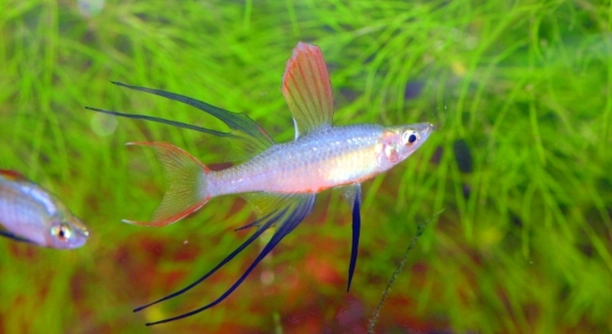
Do your threadfin rainbowfish sometimes rest motionless on leaves instead of swimming actively in the tank? Observing this behavior can be surprising and slightly worrying for aquarium enthusiasts who want their fish to thrive in a healthy environment.
Threadfin rainbowfish lying on leaves is often a response to stress, water quality issues, or illness. Ensuring proper tank conditions, temperature, and diet can prevent this behavior and support their overall well-being and activity levels.
Understanding why your fish exhibit this behavior can improve your aquarium care routine. Small adjustments in water maintenance and environment can make a significant difference for your rainbowfish.
Common Reasons for Lying on Leaves
Many threadfin rainbowfish rest on leaves due to stress or environmental changes. Water quality is a major factor; high ammonia or nitrite levels, or low oxygen, can make fish less active. Temperature fluctuations may also cause them to conserve energy by resting on leaves. Overcrowding in the tank can increase stress and reduce swimming activity. In addition, sudden changes in lighting or decorations may make them feel insecure, prompting them to stay close to foliage. Sometimes, the fish are simply resting after active periods, using leaves as a comfortable support. Illnesses, including parasites or bacterial infections, can also make fish lethargic. Observing other signs like discoloration, clamped fins, or lack of appetite can help identify if health issues are involved. Regular tank maintenance, stable temperatures, and proper feeding routines can encourage normal behavior and prevent prolonged periods of lying on leaves.
Addressing water and tank conditions promptly often resolves resting behavior. Simple adjustments can restore your fish’s activity.
Noticing these behaviors early allows you to make small changes before problems worsen. Consistent monitoring is key to maintaining a healthy environment.
How to Improve Activity Levels
Increasing oxygen levels and ensuring proper filtration can encourage movement. Regular partial water changes help maintain ideal conditions for rainbowfish.
Providing ample swimming space and balanced nutrition improves their energy. Live plants, hiding spots, and consistent lighting can make fish feel secure and stimulate natural behaviors. Ensuring the tank is not overcrowded reduces stress and encourages active swimming. Feeding small, frequent meals instead of large portions prevents digestive issues that may cause lethargy. Observing fish regularly helps catch early signs of illness, allowing timely intervention. Avoid sudden changes in water temperature or chemistry, as rainbowfish are sensitive to fluctuations. Stress-free environments promote normal behavior and reduce the tendency to rest on leaves. Combining these approaches supports both physical health and natural activity patterns, giving your threadfin rainbowfish a better quality of life. Regular maintenance, proper diet, and stable tank conditions work together to encourage more consistent swimming and reduce prolonged leaf resting.
Observing Health Indicators
Watching your rainbowfish closely helps identify early signs of illness. Changes in color, fin position, or appetite often indicate stress or disease. Monitoring these signs allows timely adjustments to water quality, diet, and tank conditions, preventing minor issues from becoming serious problems.
Pale colors, clamped fins, or labored breathing are common indicators that your fish may be unwell. Parasites, bacterial infections, and poor water conditions can all cause these symptoms. Regularly checking water parameters such as pH, ammonia, nitrite, and nitrate levels can help prevent health issues. If multiple fish show unusual behavior, consider quarantine and treatment options to avoid spreading illness. Proper observation and quick action are key to maintaining a healthy aquarium and reducing prolonged periods of inactivity on leaves.
In addition to physical signs, behavior changes can provide insights into well-being. Fish that hide excessively, refuse food, or remain isolated often experience stress. Providing a stable environment, avoiding sudden changes, and maintaining good hygiene can reduce these risks. Ensuring a proper diet with high-quality flakes, pellets, or frozen foods supports their immune system. These steps collectively improve overall activity levels and reduce the likelihood of leaf-resting behaviors. Observing both behavior and appearance allows timely interventions to maintain a healthy, active aquarium.
Adjusting Tank Environment
Proper tank setup directly influences rainbowfish activity. Maintaining ideal temperature, clean water, and adequate space supports normal behavior.
Introducing plants, smooth decorations, and open swimming areas creates comfort while preventing stress. Balanced lighting encourages natural patterns and activity. Frequent water testing ensures ammonia, nitrite, and nitrate levels remain safe. Providing gentle filtration and avoiding strong currents prevents fatigue and leaf resting. Tank size and population density also matter; overcrowding leads to stress and lethargy. Consistent feeding routines with nutritious food maintain energy levels. Adjustments to the environment, combined with attentive observation, help fish remain active, healthy, and engaged in their habitat.
Feeding and Nutrition
Providing a balanced diet helps maintain energy and overall health. Poor nutrition can lead to lethargy and prolonged resting on leaves, affecting activity levels.
Including a mix of high-quality flakes, pellets, and occasional frozen foods ensures proper vitamins and minerals. Overfeeding should be avoided to prevent water quality issues.
Stress Reduction Techniques
Minimizing sudden changes in lighting, temperature, or tank layout reduces stress in rainbowfish. Calm environments encourage natural activity and reduce leaf-resting behavior. Avoid loud noises near the aquarium and maintain a consistent routine.
Water Quality Maintenance
Regular water changes and testing are essential. Proper pH, ammonia, nitrite, and nitrate levels support health and prevent lethargy. Consistent filtration ensures clean water and reduces stress. Maintaining a stable environment is crucial for keeping rainbowfish active and healthy.
Recognizing Illness Early
Observing behavior and physical changes allows prompt detection of illness. Early intervention can prevent serious health issues and restore normal activity levels in your rainbowfish.
FAQ
Why are my threadfin rainbowfish lying on leaves all the time?
This behavior is often a response to stress, poor water quality, or illness. High ammonia, nitrite, or nitrate levels can cause lethargy. Temperature fluctuations, overcrowding, or sudden changes in the tank layout may also lead your fish to rest on leaves instead of swimming actively.
Is it normal for them to rest on leaves occasionally?
Yes, occasional resting on leaves is normal, especially after periods of activity. Rainbowfish may use leaves as a comfortable spot to rest and conserve energy. This behavior becomes concerning only when it is prolonged or accompanied by other signs of stress or illness.
How can I tell if my fish are sick?
Signs of illness include pale or faded colors, clamped fins, labored breathing, loss of appetite, or hiding excessively. Observing your fish regularly can help detect problems early. If multiple fish exhibit unusual behavior, consider testing water quality and assessing tank conditions.
What water conditions are ideal for threadfin rainbowfish?
They thrive in clean, well-filtered water with a temperature between 24°C and 28°C (75°F–82°F). pH should be slightly acidic to neutral, around 6.5–7.5. Regular testing for ammonia, nitrites, and nitrates is essential to maintain a stable, healthy environment.
How often should I clean the tank?
Partial water changes of 20–30% weekly are recommended. Clean the substrate and remove uneaten food to prevent ammonia buildup. Maintaining a consistent cleaning routine supports water quality, reduces stress, and encourages natural swimming behavior.
Can diet affect their behavior?
Yes, poor nutrition can cause lethargy and leaf-resting behavior. A balanced diet with high-quality flakes, pellets, and occasional frozen foods provides necessary nutrients and helps maintain energy levels. Avoid overfeeding, as it can lead to water quality issues and inactivity.
Do tank decorations influence resting behavior?
Decorations and plants can provide comfort and security. Fish often rest on leaves if they feel safe. Overcrowding or lack of hiding spots can increase stress, causing them to remain on leaves more often. Arrange plants and decorations to offer both open swimming areas and sheltered spots.
How can I reduce stress in my rainbowfish?
Minimize sudden changes in lighting, water temperature, and tank layout. Keep a calm environment by avoiding loud noises or excessive handling. Consistent feeding schedules, proper tank mates, and maintaining ideal water conditions also reduce stress and promote activity.
When should I consider medication or quarantine?
If fish display persistent lethargy, discoloration, or abnormal swimming, it may indicate illness. Quarantine affected fish to prevent spreading disease. Seek advice on appropriate medications for parasites, bacterial infections, or fungal issues to restore health.
Will they recover from prolonged leaf resting?
Yes, with proper care and a stable environment, most rainbowfish recover. Address water quality, nutrition, tank conditions, and stress factors. Once conditions improve, they typically resume normal swimming and activity levels.
Are there any preventive measures to avoid this behavior?
Maintaining stable water parameters, providing a balanced diet, avoiding overcrowding, and offering plants or decorations for security all help prevent prolonged leaf-resting behavior. Regular monitoring allows early detection of stress or health issues, keeping fish active and healthy.
Can temperature fluctuations cause lethargy?
Absolutely. Threadfin rainbowfish are sensitive to sudden temperature changes. Keep the water consistently within the recommended range, using a reliable heater and thermometer, to reduce lethargy and encourage normal swimming patterns.
Does the number of fish in the tank matter?
Yes, overcrowding can increase stress, competition for food, and reduce swimming space, leading to more time resting on leaves. Maintain an appropriate population density to promote healthy behavior and minimize stress-related inactivity.
How long does it take for rainbowfish to recover?
Recovery time varies depending on the cause. Minor stress or water quality issues may resolve within days, while illness or prolonged poor conditions may take weeks. Consistent care and monitoring accelerate recovery and restore normal activity.
Can tank lighting affect their behavior?
Yes, sudden changes in lighting can stress fish. Provide a consistent day-night cycle, ideally 10–12 hours of light, to encourage natural activity and reduce excessive leaf resting. Avoid direct sunlight, which can heat water and disrupt conditions.
What are signs of a healthy, active rainbowfish?
Healthy rainbowfish display vibrant colors, swim actively in the tank, interact with other fish, and feed readily. They rest occasionally but do not remain motionless for long periods. Regular observation ensures early detection of any changes in behavior or health.
This FAQ covers common causes and solutions for threadfin rainbowfish resting on leaves, offering practical tips to maintain a healthy, active aquarium. Proper monitoring, nutrition, and environment adjustments are key to preventing prolonged inactivity.
Word count: 507
Final Thoughts
Threadfin rainbowfish lying on leaves is a behavior that can signal a variety of underlying issues, ranging from stress to health problems. Observing your fish closely is essential to understand what may be causing this inactivity. Minor environmental factors, such as water quality, temperature fluctuations, and overcrowding, are often responsible. Even slight changes in these conditions can make the fish feel insecure or uncomfortable, prompting them to rest on leaves more than usual. Ensuring a stable, well-maintained tank environment is the first step in encouraging more natural behavior. Regular testing of water parameters, such as ammonia, nitrite, nitrate, and pH, along with consistent partial water changes, helps maintain clean water and reduces stress levels. Additionally, paying attention to the placement of decorations and plants provides both comfort and space for swimming, making the tank feel safe while still allowing freedom of movement.
Diet and nutrition also play a significant role in the activity levels of rainbowfish. Fish that are underfed or fed an unbalanced diet may become lethargic and spend more time resting. Offering a mix of high-quality flakes, pellets, and occasional frozen foods ensures they receive the necessary vitamins and minerals to remain active and healthy. Overfeeding should also be avoided, as uneaten food can degrade water quality and lead to stress, which may worsen leaf-resting behavior. Monitoring the fish during feeding times allows you to observe their appetite and energy levels, providing additional insight into their overall health. Combined with environmental stability, proper nutrition forms a foundation for reducing prolonged inactivity and promoting more consistent swimming behavior.
Health monitoring is another essential factor in preventing and addressing leaf-resting behavior. Physical signs, such as pale colors, clamped fins, or labored breathing, can indicate illness or stress. Early detection allows for timely intervention, whether through adjusting tank conditions, isolating affected fish, or seeking appropriate treatment. Providing a calm and consistent environment, avoiding sudden changes in lighting or temperature, and maintaining proper population density also reduce stress and support natural activity patterns. While occasional resting on leaves is normal, prolonged or frequent inactivity should be addressed promptly. Paying attention to these factors helps ensure your rainbowfish remain active, healthy, and comfortable, creating a balanced and thriving aquarium environment.
Word count: 409

Hello,
If you enjoy the content that we create, please consider saying a "Thank You!" by leaving a tip.
Every little bit helps us continue crafting quality advice that supports the health, happiness, and well-being of pets around the world, for pets of all shapes, sizes, and species.
We really appreciate the kindness and support that you show us!