
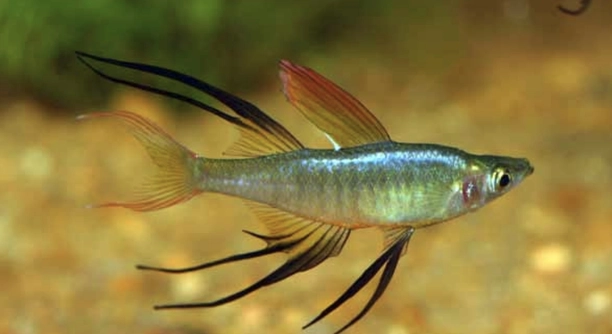
Do your Threadfin Rainbowfish seem to have lost their usual energy in the tank? Observing your fish closely can reveal early signs of trouble. Sometimes, sudden inactivity signals environmental or health issues needing prompt attention.
When a Threadfin Rainbowfish stops swimming, common causes include poor water quality, insufficient oxygen, temperature fluctuations, illness, improper diet, stress from tank mates, or physical injury. Each factor must be systematically assessed to restore the fish’s health and normal behavior.
Checking these conditions carefully can prevent further health decline. Understanding the causes will help you maintain a healthier, more active aquatic environment for your fish.
Water Quality Issues
Poor water quality is often the first thing to check when your Threadfin Rainbowfish stops swimming. High levels of ammonia, nitrites, or nitrates can stress fish and make them lethargic. Even small changes in pH can cause discomfort and unusual behavior. Fish are highly sensitive to their environment, and regular testing is necessary to ensure stable conditions. Using a reliable water test kit, check the tank’s chemical balance. Partial water changes can quickly improve water conditions and reduce harmful compounds. Temperature fluctuations can also worsen water quality effects. Removing uneaten food and debris prevents toxic buildup. Overcrowding can amplify these issues, making monitoring the number of fish in the tank essential. Maintaining clean water not only helps your Threadfin Rainbowfish swim normally but also boosts immunity, reducing the likelihood of disease outbreaks. A consistent maintenance routine is key to long-term health.
Maintaining clean and stable water helps prevent stress and keeps your fish active. Regular checks are essential.
A properly managed tank encourages swimming behavior and supports your fish’s overall wellbeing. Stable water parameters reduce stress, minimize disease risk, and create a safe habitat. Clean water helps the gills function properly, allowing efficient oxygen intake. Fish may stop swimming if water quality declines suddenly, and this behavior signals immediate attention. Routine partial water changes, debris removal, and monitoring chemical levels protect the tank environment. Observing fish behavior during water tests can indicate specific problems, such as sluggish movement from high nitrate levels or hiding from sudden pH changes. Tank accessories, like filters and aeration systems, are important to maintain balance. Even subtle improvements in water quality can restore normal activity in Threadfin Rainbowfish. Consistency is vital; frequent but moderate interventions work better than drastic changes.
Diet and Feeding Practices
Feeding inconsistencies can affect swimming behavior. Overfeeding or underfeeding may make your fish sluggish and less active.
A balanced diet tailored to Threadfin Rainbowfish is essential for energy and overall health. Avoid excessive flakes or pellets that can pollute the water. Offer small, frequent meals including live or frozen foods for variety. Poor nutrition weakens immune responses, making fish more prone to inactivity. Monitor eating habits to detect potential illness early. Adjusting feeding amounts and frequency helps restore normal behavior and vitality.
Fish need proper nutrition to maintain muscle function and swimming strength. Inadequate diets can cause lethargy, loss of color, or unusual hiding. Overfeeding leads to waste buildup, impacting water quality and indirectly affecting activity levels. Observing your fish during meals helps identify appetite changes linked to illness. Incorporating live or frozen foods mimics natural feeding patterns, improving engagement and movement. Supplementing with high-quality flakes or pellets ensures essential vitamins and minerals. Consistent feeding schedules create predictable routines, reducing stress. Awareness of diet’s role in activity allows early intervention if a fish stops swimming. By adjusting food types and amounts carefully, you can maintain both water cleanliness and fish health. Proper nutrition encourages normal swimming and supports immune function, making fish less vulnerable to environmental or health challenges. Monitoring behavior alongside feeding helps maintain a balanced and thriving tank environment.
Temperature Fluctuations
Sudden changes in water temperature can shock Threadfin Rainbowfish. Even a few degrees difference may cause stress, leading to reduced swimming or hiding in the tank. Stable temperatures are essential for their metabolism and overall health.
Maintaining a consistent temperature between 24°C and 28°C helps your fish stay active. Rapid drops can slow metabolism, making fish sluggish, while sudden increases increase oxygen demand, causing stress. Use a reliable heater and thermometer to monitor conditions daily. Avoid placing the tank near windows or vents, which can create fluctuations. Gradual adjustments are necessary when changing water to prevent thermal shock. Consistency allows normal feeding, swimming, and behavior patterns, reducing the risk of disease.
Temperature directly impacts oxygen levels and digestion. Fish may stop swimming if the tank becomes too cold or too warm. Even minor changes can affect activity levels. Monitoring daily ensures a stable environment. Use a thermometer and adjust heater settings as needed. Avoid exposing the tank to drafts, sunlight, or air conditioning, which can trigger sudden changes. Gradual water additions prevent sudden temperature shifts. Keeping the water temperature stable promotes swimming, feeding, and normal behavior. Stress from fluctuations weakens immunity and can make fish vulnerable to illness. Proper temperature management is key to maintaining an active, healthy Threadfin Rainbowfish.
Stress from Tank Mates
Aggressive or overly active tank mates can intimidate Threadfin Rainbowfish, causing them to hide or swim less. Stress can result from bullying, competition, or overcrowding, affecting overall health.
Stress triggers hormonal changes that reduce activity and feeding. Overcrowded tanks or incompatible species create tension, forcing your fish to conserve energy and hide. Monitor interactions carefully, and separate aggressive fish if necessary. Providing hiding spots like plants or decorations allows the rainbowfish to feel secure. Adequate swimming space reduces territorial disputes and encourages normal movement. Observing daily behavior helps identify persistent stress and allows timely interventions.
Reducing stress involves careful planning of tank composition and layout. Each fish has its own temperament, and some species may not coexist peacefully. Introducing new fish gradually helps minimize aggression. Spacing decorations strategically allows safe zones, preventing dominance by aggressive individuals. Consistent feeding routines reduce competition and tension. Avoid sudden changes in lighting or water flow, which can heighten stress. Stress management also improves immunity, reducing vulnerability to disease. Paying attention to behavioral cues ensures Threadfin Rainbowfish remain active and healthy. A well-planned tank promotes harmony, normal swimming, and long-term wellbeing for all fish.
Illness and Disease
Visible signs like clamped fins, discoloration, or unusual spots indicate potential illness. Sick Threadfin Rainbowfish often reduce movement or stop swimming entirely, requiring immediate attention to prevent worsening conditions.
Quarantining affected fish and testing water quality are important first steps. Treatment may involve medication specific to bacterial, fungal, or parasitic infections. Early intervention improves recovery chances. Observing appetite and behavior helps track improvement.
Physical Injury
Injuries from sharp decorations or aggressive tank mates can limit swimming ability. Torn fins, bruises, or other visible wounds require prompt care to avoid infection. Proper tank setup and careful handling reduce the risk of injury, allowing the fish to regain normal activity.
Oxygen Levels
Low oxygen in the tank can cause Threadfin Rainbowfish to float near the surface or remain inactive. Aeration, water movement, and proper filtration are key to maintaining sufficient oxygen levels. Regularly monitoring ensures fish receive enough oxygen to swim actively and stay healthy.
Environmental Changes
Sudden changes in the tank, such as lighting shifts, new decorations, or water chemistry adjustments, can stress fish. Threadfin Rainbowfish may react by stopping movement temporarily until conditions stabilize. Gradual introductions help minimize disruption and support normal behavior.
FAQ
Why has my Threadfin Rainbowfish stopped swimming suddenly?
A sudden halt in swimming can indicate stress, illness, or environmental issues. Poor water quality, low oxygen levels, temperature changes, aggressive tank mates, and improper diet are common triggers. Observing behavior, testing water, and checking tank conditions help identify the cause. Early intervention improves recovery chances.
How can I improve water quality for my fish?
Regular water testing is essential to detect ammonia, nitrite, nitrate, and pH levels. Partial water changes, cleaning debris, and ensuring proper filtration maintain a healthy environment. Avoid overfeeding, and remove uneaten food promptly. A stable, clean tank encourages swimming and prevents disease.
What temperature is ideal for Threadfin Rainbowfish?
Maintaining water between 24°C and 28°C supports metabolism and activity. Sudden fluctuations can stress fish, causing lethargy. Use a reliable heater and thermometer, avoid drafts or direct sunlight, and adjust water gradually during changes to prevent shock.
Can diet affect swimming behavior?
Yes. Overfeeding or underfeeding impacts energy levels. Provide a balanced diet of high-quality flakes, pellets, and occasional live or frozen foods. Small, frequent meals maintain energy and reduce waste buildup, improving water quality and encouraging activity.
What signs of illness should I watch for?
Clamped fins, discoloration, unusual spots, sluggish movement, or loss of appetite indicate potential illness. Early detection is critical. Quarantine affected fish, test water quality, and consider appropriate medication based on symptoms. Monitoring behavior helps track recovery.
Could tank mates cause my fish to stop swimming?
Aggressive or overly active fish can intimidate Threadfin Rainbowfish, forcing them to hide or conserve energy. Ensure compatible species, provide hiding spots, and maintain adequate swimming space. Observing interactions helps reduce stress and promotes normal activity.
How can I increase oxygen levels in the tank?
Adequate aeration through air pumps, water movement, and filtration ensures oxygen reaches all areas. Low oxygen can cause surface-gasping or inactivity. Regularly check equipment, clean filters, and avoid overstocking the tank to maintain healthy oxygen levels.
Are injuries from decorations or tank mates a concern?
Yes. Sharp objects or aggressive fish can tear fins or cause bruising, limiting swimming. Carefully arrange tank decorations, remove hazardous items, and monitor fish interactions. Treat visible wounds promptly to prevent infection and restore normal movement.
What should I do if my fish stops swimming after environmental changes?
Sudden shifts in lighting, water chemistry, or decorations can temporarily stress fish. Introduce changes gradually, monitor behavior, and provide hiding spots. Patience and consistency help the fish adapt and regain normal swimming patterns.
How often should I monitor my Threadfin Rainbowfish?
Daily observation is ideal. Watch for activity changes, appetite, and appearance. Checking water quality regularly, maintaining feeding schedules, and monitoring interactions ensures early detection of problems and promotes a healthy, active tank.
Can stress make my fish stop swimming permanently?
Prolonged stress weakens immunity and can lead to chronic inactivity or illness. Identify sources of stress like aggressive tank mates, poor water conditions, or overcrowding. Correcting these factors restores activity and supports long-term health.
Is it normal for Threadfin Rainbowfish to rest occasionally?
Short periods of inactivity are normal, especially at night or after feeding. Extended or unusual lethargy signals underlying issues such as illness, poor water quality, or stress, requiring investigation. Regular observation helps distinguish normal rest from concerning behavior.
How can I prevent future swimming issues?
Maintain stable water parameters, provide a balanced diet, choose compatible tank mates, avoid sudden environmental changes, and monitor for signs of illness. Consistent care and observation reduce stress, promote activity, and ensure long-term health for Threadfin Rainbowfish.
When should I consult a veterinarian?
If symptoms persist despite correcting water quality, diet, temperature, or stress factors, a veterinarian can provide accurate diagnosis and treatment. Early professional intervention improves recovery and prevents serious complications, ensuring the fish returns to normal activity.
Can multiple factors cause inactivity at once?
Yes. Water quality, diet, temperature fluctuations, tank mates, oxygen levels, and stress often interact. Assess each factor systematically to identify contributing issues. Addressing all potential causes simultaneously increases the likelihood of restoring normal swimming behavior.
How long does it take for a fish to recover after issues are resolved?
Recovery time varies based on the problem’s severity, the fish’s health, and the interventions applied. Minor issues may resolve within days, while illness or injury may require weeks. Consistent monitoring and proper care support faster recovery and return to normal swimming.
Are some Threadfin Rainbowfish more sensitive than others?
Individual fish vary in temperament and tolerance to stressors. Younger, smaller, or newly introduced fish are often more sensitive. Observing each fish’s behavior allows tailored care and early intervention to prevent prolonged inactivity.
Can I use water conditioners to help inactive fish?
Water conditioners can neutralize harmful chemicals and improve overall water quality, supporting fish recovery. Use as directed, combined with regular maintenance, partial water changes, and monitoring to enhance tank conditions and encourage normal swimming.
Does tank size affect swimming behavior?
Yes. Overcrowded tanks restrict movement and increase stress. Threadfin Rainbowfish require adequate space for swimming and territory. Ensuring appropriate tank size, proper stocking levels, and open swimming areas promotes activity and reduces conflict among fish.
How do I know if inactivity is temporary or serious?
Observe behavior patterns, appetite, and response to environment changes. Short-term inactivity may be normal rest or minor stress. Persistent lethargy, unusual appearance, or refusal to eat signals serious issues requiring intervention. Consistent observation and monitoring water parameters help distinguish the two.
What equipment helps maintain active fish?
Reliable heaters, air pumps, filters, and thermometers stabilize water temperature, oxygen levels, and cleanliness. Well-maintained equipment ensures consistent conditions, reduces stress, and supports normal swimming behavior. Regular checks and cleaning prevent malfunctions that could impact fish health.
Can lighting affect my fish’s activity?
Yes. Sudden or extreme changes in lighting can stress fish. Consistent light cycles mimic natural conditions, support normal behavior, and encourage swimming. Gradual adjustments during tank rearrangements prevent unnecessary stress.
Is it safe to treat multiple issues at once?
Addressing several factors simultaneously can be safe if done carefully. Correct water quality, diet, temperature, and stressors while monitoring fish closely. Gradual interventions prevent shock and increase the likelihood of restoring normal activity without additional stress.
How do I track improvements in my fish?
Monitor swimming patterns, appetite, coloration, and interactions with tank mates. Keep a log of changes in water parameters, feeding, and behavior. Documenting progress helps determine effective interventions and ensures your Threadfin Rainbowfish returns to full activity.
Can seasonal changes impact my tank?
Yes. Temperature fluctuations, sunlight exposure, and humidity shifts can affect water conditions. Adjust heaters, lighting, and aeration accordingly. Monitoring and maintaining stability during seasonal transitions prevents stress and supports consistent swimming behavior.
What is the most common reason for inactivity?
While many factors interact, poor water quality and stress from tank mates or environmental changes are frequently observed. Addressing these factors promptly usually restores normal swimming and improves overall fish health.
Are there signs that indicate recovery?
Increased swimming activity, brighter coloration, regular feeding, and interaction with other fish indicate recovery. Gradual improvement shows that water conditions, diet, or stress interventions are effective, allowing your Threadfin Rainbowfish to regain full health.
How long should I observe changes before taking action?
Immediate intervention is recommended if inactivity is sudden or accompanied by visible symptoms. For minor changes, a few hours to a day of observation can help distinguish temporary rest from concerning behavior. Continuous monitoring ensures timely responses.
Can tank decorations affect swimming patterns?
Yes. Crowded or sharp decorations can block swimming paths or cause injury. Strategic placement provides safe zones and open swimming areas, reducing stress and encouraging natural activity. Regularly review tank layout for optimal space.
What role does filtration play in swimming behavior?
Efficient filtration maintains water quality and oxygenation, which directly impacts activity. Poor filtration can lead to toxic buildup, reduced oxygen, and stress, causing inactivity. Consistent maintenance ensures a healthy, active environment.
Is it normal for fish to stop swimming at night?
Yes. Fish often rest at night, reducing activity temporarily. Persistent inactivity during daytime or feeding indicates a problem. Observing patterns helps distinguish normal resting behavior from concerning lethargy.
Can multiple environmental changes cause long-term inactivity?
Yes. Sudden adjustments in temperature, water chemistry, lighting, or tank layout can compound stress. Gradual introductions and consistent monitoring reduce long-term inactivity and promote recovery.
How do I know if my interventions are effective?
Signs of effectiveness include increased swimming, improved appetite, brighter coloration, and reduced hiding. Tracking water parameters, feeding, and behavior confirms that changes are positively impacting the fish’s health.
What should I prioritize first?
Start with water quality, temperature stability, and oxygen levels. Addressing these foundational factors often resolves inactivity. Once basic conditions are stable, focus on diet, tank mates, and stress reduction to maintain long-term health.
Can stress from handling impact swimming?
Yes. Frequent or rough handling causes stress, leading to hiding or reduced activity. Minimize handling, use gentle nets, and avoid unnecessary tank disruptions to support normal swimming.
How often should I perform maintenance to prevent inactivity?
Regular maintenance, including water changes, filter cleaning, and debris removal, prevents environmental stress. Weekly checks combined with daily observation help maintain stable conditions, reducing the risk of inactivity and illness.
Are there behavioral cues that indicate water issues?
Gasping at the surface, erratic swimming, or clustering near aeration points suggests low oxygen or poor water quality. Early detection allows prompt corrective actions, restoring normal activity.
Can tank overcrowding cause health problems?
Yes. Overcrowding increases stress, waste buildup, and competition for resources. Maintaining proper stocking levels ensures adequate swimming space and reduces the likelihood of inactivity or disease.
How do I handle multiple sick fish?
Quarantine each affected fish, treat according to symptoms, and maintain optimal tank conditions. Addressing all affected individuals separately prevents disease spread and supports recovery for each fish.
What long-term practices help prevent inactivity?
Consistent water quality checks, balanced diet, compatible tank mates, gradual environmental changes, and stress monitoring maintain an active and healthy tank. Observation and preventive measures reduce the likelihood of prolonged inactivity in Threadfin Rainbowfish.
Can I reintroduce a fish after illness?
Yes, after full recovery and observation in quarantine, reintroduce slowly to the main tank. Monitor interactions and behavior to ensure compatibility and prevent recurrence of inactivity.
How important is tank location?
Tank placement affects temperature stability, light exposure, and noise levels. Choose a stable, low-traffic area to minimize stress and encourage normal swimming behavior.
Can water flow affect swimming?
Yes. Strong currents can tire fish, while stagnant water reduces oxygen. Adjust flow to match Threadfin Rainbowfish preferences, supporting healthy activity and reducing stress.
Are some fish naturally less active?
Individual temperament varies. Some fish may swim less frequently, but sudden inactivity or refusal to feed is a sign of stress or health issues. Consistent observation helps differentiate natural behavior from concerning changes.
How can I maintain consistent care routines?
Set a schedule for feeding, water testing, and maintenance. Consistency reduces stress, encourages activity, and supports long-term health. Tracking routines ensures nothing is overlooked and problems are addressed promptly.
Do seasonal water changes help?
Yes. Regular changes prevent chemical buildup, maintain oxygen levels, and stabilize conditions. Adjust timing and temperature gradually to prevent shock and maintain normal swimming behavior.
Can diet supplements improve recovery?
High-quality vitamin and mineral supplements can support immune function, enhance energy, and improve recovery from inactivity caused by stress or illness. Use as directed for best results.
Is observation the most effective prevention method?
Yes. Daily monitoring of behavior, appetite, swimming, and water conditions allows early detection of problems, helping prevent long-term inactivity and promoting overall health.
Can sudden noise or vibrations stress fish?
Yes. Loud sounds or vibrations can startle Threadfin Rainbowfish, causing hiding or temporary inactivity. Minimize disturbances near the tank to maintain consistent activity.
How do I balance multiple recovery steps?
Address environmental, dietary, and stress-related factors simultaneously but gradually. Monitor responses, and adjust interventions as needed to avoid overwhelming the fish while promoting recovery.
Does tank lighting affect feeding behavior?
Yes. Consistent lighting schedules encourage regular feeding and swimming. Abrupt changes in brightness can stress fish, reduce appetite, and contribute to inactivity. Gradual adjustments help maintain normal behavior.
Can filtration changes affect swimming?
Yes. Installing or modifying filters can alter water flow, oxygenation, and temperature distribution. Observe behavior after changes and adjust to maintain a stable, active environment.
Are some stress factors unavoidable?
Certain stressors like introducing new fish or minor maintenance are unavoidable. Minimizing frequency and combining with safe hiding areas reduces impact on activity levels.
How important is quarantine for new fish?
Quarantining prevents disease introduction, reduces stress, and allows observation of swimming and feeding behavior. Proper quarantine supports long-term health and prevents inactivity in the main tank.
Can algae growth affect activity?
Excessive algae reduces water quality, competes for oxygen, and can harbor pathogens. Regular cleaning and maintenance prevent negative effects on swimming and overall health.
Should I track behavior over time?
Yes. Logs of activity, feeding, water parameters, and interactions help detect trends, allowing timely interventions before inactivity becomes severe. Monitoring supports long-term wellbeing.
What role does tank size play in recovery?
Adequate swimming space promotes activity and reduces stress. Small or overcrowded tanks increase the risk of inactivity, disease, and aggression. Adjust stocking levels and tank layout for optimal conditions.
Can stress from other animals impact swimming?
Yes. Pets like cats or dogs near the tank can startle fish, causing hiding or reduced movement. Minimize disturbances to maintain consistent activity levels.
Is daily observation enough?
Daily checks of swimming, feeding, and interactions are sufficient for most tanks. Combined with regular maintenance, this helps prevent inactivity and supports overall health.
How do I know if water conditioners are effective?
Test water parameters before and after use. Improved chemical balance and reduced harmful compounds indicate effectiveness, contributing to normal swimming behavior and overall health.
Can changes in water hardness affect activity?
Yes. Sudden shifts in hardness or mineral content can stress fish, affecting swimming and feeding. Gradual adjustments and consistent monitoring maintain stability and normal behavior.
How long should I maintain quarantine for new or sick fish?
Quarantine for at least two weeks or until the fish shows consistent health and activity. Observing feeding, swimming, and behavior ensures readiness for introduction to the main tank.
Can seasonal temperature changes cause stress?
Yes. Temperature drops or rises with seasonal changes affect metabolism and activity. Adjust heaters and monitor closely to maintain a stable environment for normal swimming behavior.
Are some fish more prone to inactivity?
Younger, newly introduced, or less robust fish often show inactivity sooner under stress or poor conditions. Close observation and proactive care help maintain consistent activity.
Is gradual water replacement better than full changes?
Yes. Partial, gradual water changes prevent shock, maintain stable conditions, and encourage swimming. Sudden full changes can stress fish and worsen inactivity.
Can tank noise or vibrations cause long-term stress?
Repeated exposure to loud sounds or vibrations can lead to chronic stress, reduced swimming, and weakened immunity. Minimizing disturbances promotes recovery and normal activity.
How do I know if recovery is complete?
Full recovery is indicated by consistent swimming, feeding, interaction with tank mates, and bright coloration. Continued observation ensures the fish remains healthy and active.
Does tank maintenance frequency impact activity?
Yes. Regular cleaning, water changes, and filter maintenance prevent poor water quality, stress, and inactivity. Consistent routines support normal behavior and long-term health.
Are oxygen supplements necessary?
They can help in tanks with low oxygen or during high temperatures. Use carefully alongside aeration and water movement to maintain healthy swimming behavior.
Can temporary inactivity indicate stress adaptation?
Yes. Fish may stop swimming briefly when adjusting to new conditions. Persistent inactivity, however, signals an underlying issue requiring intervention. Observing patterns helps differentiate normal adaptation from concerning behavior.
How do I minimize stress during tank rearrangement?
Move decorations gradually, maintain stable water parameters, and provide hiding spots. Minimizing sudden changes reduces stress and supports normal swimming.
Is feeding at the same time daily beneficial?
Yes. Consistent feeding schedules encourage routine activity, reduce stress, and maintain predictable swimming patterns. It also helps monitor appetite and detect potential issues early.
Can overstocking cause prolonged inactivity?
Yes. Crowded tanks increase stress, competition, and waste buildup, causing fish to hide or swim less. Maintaining appropriate stocking levels supports normal activity and health.
How do I know if diet changes are effective?
Improved swimming, appetite, and coloration indicate a positive response. Monitor behavior after introducing new foods to ensure the fish benefits from dietary adjustments.
Can tank position near windows affect activity?
Direct sunlight or drafts can alter temperature and lighting, stressing fish. Placing the tank in a stable environment promotes consistent swimming behavior and reduces inactivity.
Are there behavioral signs that indicate oxygen deficiency?
Gasping at the surface, lethargy, and clustering near water flow suggest low oxygen. Prompt aeration and circulation adjustments restore normal activity.
Can aggressive tank mates cause permanent behavioral changes?
Chronic stress from aggressive fish can lead to prolonged inactivity, hiding, or suppressed feeding. Separating aggressive individuals and providing hiding spots helps recovery and restores normal behavior.
Does tank cover impact swimming?
Yes. Open-topped tanks reduce stress from external disturbances but require proper oxygenation. Covers must balance safety and environmental stability to support active swimming.
How do I prioritize multiple care adjustments?
Address foundational issues first: water quality, oxygen, and temperature. Once stable, focus on diet, tank mates, and stress reduction. Systematic adjustments promote recovery and prevent further inactivity.
Is monitoring interactions with new fish essential?
Yes. Introductions can cause stress, hiding, or aggression. Observe behavior carefully to ensure compatibility and maintain normal swimming activity.
Can inadequate filtration cause long-term inactivity?
Yes. Poor filtration leads to chemical buildup, low oxygen, and stress. Upgrading or maintaining filters supports consistent swimming and overall health.
How do I know if my fish is stressed from environmental changes?
Signs include hiding, clamped fins, reduced swimming, or color changes. Gradual adjustments and monitoring help reduce stress and restore normal behavior.
Are Threadfin Rainbowfish sensitive to sudden light changes?
Yes. Sudden brightness or darkness can startle fish
Final Thoughts
Threadfin Rainbowfish are sensitive creatures, and their swimming behavior often reflects their overall health and comfort in the tank. When they stop swimming or show signs of lethargy, it is usually an indication that something in their environment or care routine requires attention. Observing fish closely and regularly allows you to notice early signs of stress, illness, or discomfort. Even small changes, such as slight shifts in water temperature, overfeeding, or the introduction of new tank mates, can affect activity levels. Addressing these issues promptly helps ensure the fish remain healthy and active, which is essential for their wellbeing. Regular observation also allows you to track patterns in behavior, appetite, and interactions with other fish, making it easier to identify potential problems before they become serious. Consistency in monitoring is a simple but effective way to prevent long-term inactivity or health complications in your Threadfin Rainbowfish.
Maintaining a clean and stable tank environment is crucial. Water quality, temperature, oxygen levels, and tank layout all contribute to the fish’s ability to swim and thrive. Using a reliable water test kit, performing regular partial water changes, and monitoring filtration systems are fundamental steps for maintaining a healthy tank. Tank size and population density are also important factors, as overcrowding can create stress and reduce swimming space. Providing hiding spots, gentle water flow, and consistent lighting further supports natural behavior and reduces tension within the tank. A balanced diet, including high-quality flakes, pellets, and occasional live or frozen foods, ensures the fish have the energy needed for swimming and normal activity. Paying attention to diet, feeding schedules, and water quality simultaneously helps create an environment that supports overall health.
Even when problems arise, many causes of inactivity are preventable or correctable with careful attention and intervention. Stress from aggressive tank mates, minor injuries, environmental changes, or temporary illness can often be addressed effectively when caught early. Using quarantine tanks, monitoring behavioral changes, and providing proper treatment for illness or injury allows fish to recover safely. Recovery may take time, and patience is necessary, but consistent care and monitoring will usually result in a return to normal swimming behavior. By prioritizing a stable environment, proper nutrition, and regular observation, you create the conditions for Threadfin Rainbowfish to thrive. Understanding these factors and responding to issues promptly ensures long-term health, reduces stress, and supports active, natural swimming, making it possible for these colorful fish to live vibrant, healthy lives in your aquarium.

Hello,
If you enjoy the content that we create, please consider saying a "Thank You!" by leaving a tip.
Every little bit helps us continue crafting quality advice that supports the health, happiness, and well-being of pets around the world, for pets of all shapes, sizes, and species.
We really appreciate the kindness and support that you show us!