
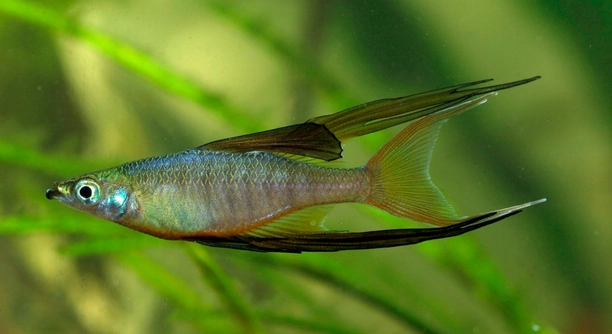
Have you ever noticed your threadfin rainbowfish rubbing against decorations in your aquarium? This behavior can be puzzling and sometimes concerning for fish keepers who want to ensure a healthy environment. Observing closely can reveal important clues.
Threadfin rainbowfish often rub on decor due to irritation caused by parasites, rough surfaces, or poor water conditions. This behavior can indicate stress, skin discomfort, or attempts to remove unwanted irritants from their scales and fins.
Understanding these underlying causes will help you maintain a healthier tank environment and improve the overall well-being of your fish. Proper care adjustments can make a noticeable difference in their behavior.
Common Causes of Rubbing Behavior
Threadfin rainbowfish may rub on decorations for several reasons, often related to their environment or health. One of the main causes is skin irritation from parasites, such as ich or flukes. Even minor infestations can make them uncomfortable, prompting them to scrape against surfaces. Another factor is rough or sharp decorations that may unintentionally scrape their scales. Poor water quality is also a frequent issue; high levels of ammonia, nitrites, or nitrates can stress the fish, leading to unusual behaviors. Overcrowding in the tank can increase competition and stress, making them more likely to rub against objects. In some cases, nutritional deficiencies might contribute, as weak skin or fins are more prone to irritation. By observing when and how often your fish rub against decor, you can identify patterns and address potential problems before they escalate, creating a healthier, more comfortable tank environment.
Maintaining clean water and smooth decorations can significantly reduce rubbing behavior in your rainbowfish.
Regular monitoring of water parameters, tank cleanliness, and fish health helps prevent skin irritation and stress. Identifying issues early keeps fish comfortable and improves their overall well-being.
Preventive Measures and Solutions
Adjusting tank conditions can reduce rubbing and improve fish comfort.
Maintaining a stable environment is key for preventing rubbing behavior. Begin by testing water parameters frequently, ensuring ammonia, nitrite, and nitrate levels remain safe. Smooth or rounded decorations can prevent accidental scratches, while proper spacing between objects reduces accidental bumps. Quarantining new fish or plants can help avoid introducing parasites. A balanced diet rich in vitamins and minerals supports healthy skin and scales. Avoid overcrowding by following recommended stocking guidelines, giving each fish enough space to swim freely. Regular partial water changes and gentle filtration maintain cleanliness and reduce stress. Observing fish daily for changes in behavior or appearance allows early intervention if irritation or disease develops. Small adjustments to feeding schedules and tank layout can also improve comfort and prevent rubbing. By combining these preventive steps, your threadfin rainbowfish can thrive with minimal discomfort, staying active and healthy in their aquarium habitat.
Identifying Parasites and Skin Issues
Parasites are a frequent cause of rubbing in threadfin rainbowfish. Look for small white spots, redness, or torn fins. Early detection allows prompt treatment and prevents the problem from spreading to other tank mates.
Parasites like ich or flukes attach to the fish’s skin, causing irritation. Infected fish often scrape against decor to relieve discomfort. Symptoms may include rapid gill movement, lethargy, or loss of appetite. Quarantining affected fish and using appropriate treatments can control infestations. Maintaining clean water and reducing stress also helps prevent parasite outbreaks, supporting overall fish health.
Skin issues may also stem from bacterial or fungal infections, often triggered by injuries or poor water conditions. These problems create discomfort, leading to rubbing behavior. Providing a balanced diet, smooth decorations, and stable water parameters minimizes the risk and keeps fish comfortable.
Adjusting Tank Environment
Water quality and decoration choices directly impact rubbing behavior. Keeping ammonia and nitrite levels low reduces stress and irritation for rainbowfish.
Smooth, rounded decorations are safer for fish to interact with. Sharp or rough surfaces can scratch their scales, causing pain and further rubbing. Proper placement ensures fish have enough swimming space and minimizes accidental collisions. Temperature stability and appropriate lighting also contribute to a stress-free environment. Frequent water testing, partial water changes, and gentle filtration maintain optimal conditions. Adjusting tank layout with both hiding spots and open swimming areas encourages natural behavior while protecting sensitive skin. Small environmental improvements can make a noticeable difference in fish comfort and activity levels.
Diet and Nutrition
A poor diet can weaken a rainbowfish’s skin, making it more prone to irritation. Providing varied, nutrient-rich food supports healthy scales and fins, reducing rubbing behavior.
Include high-quality flakes, pellets, and occasional live or frozen foods. Vitamins and minerals improve overall fish health and comfort.
Stress and Overcrowding
Stress from overcrowding or aggressive tank mates can lead rainbowfish to rub against decorations. Crowded conditions increase competition for space and food, causing tension. Providing adequate swimming space, compatible companions, and hiding spots helps reduce stress. Observing behavior patterns allows adjustments to maintain a calm, healthy environment for all fish.
Monitoring Behavior
Regular observation helps detect early signs of illness or discomfort. Track rubbing patterns, appetite, and activity levels to identify potential issues promptly.
Using Safe Decorations
Choosing smooth and rounded decor prevents accidental injuries. Avoid sharp or rough objects, and arrange decorations to provide both hiding places and open swimming space, keeping fish safe and comfortable.
FAQ
Why are my threadfin rainbowfish rubbing on decorations?
Rubbing usually happens because of irritation on the skin or fins. Common causes include parasites, rough surfaces, or poor water quality. Fish may also scrape to relieve stress or minor injuries. Observing the frequency and location of rubbing helps identify the underlying reason.
Can poor water quality cause this behavior?
Yes. High ammonia, nitrite, or nitrate levels irritate fish and stress them. Even slightly unbalanced pH or temperature fluctuations can make them uncomfortable. Regular testing and partial water changes help maintain stable conditions and prevent rubbing caused by irritation.
Are parasites the main reason for rubbing?
Parasites are often a significant factor. Ich, flukes, and other skin parasites attach to the fish and cause itching or discomfort. Quarantining new fish, treating infestations promptly, and maintaining a clean tank environment help manage these problems.
How can I tell if my fish has a skin infection?
Look for redness, swelling, white patches, or frayed fins. Fish may also appear lethargic, lose appetite, or swim abnormally. Early detection allows treatment before the condition worsens or spreads to other fish.
Does diet affect this behavior?
A poor diet can weaken skin and fins, making fish more prone to rubbing. Providing varied food rich in vitamins and minerals strengthens scales, supports healing, and reduces discomfort-related behavior. Live or frozen foods add nutrients and encourage natural activity.
Can stress cause my fish to rub?
Yes, stress from overcrowding, aggressive tank mates, or frequent environmental changes can trigger rubbing. Ensuring proper tank size, compatible companions, and hiding spots can reduce stress, making fish less likely to scrape against surfaces.
Do decorations really affect their behavior?
Sharp or rough decorations can scratch the fish’s skin, prompting rubbing. Smooth, rounded decorations and proper placement provide safe surfaces, encourage swimming, and minimize accidental injuries that lead to scraping.
How often should I check water parameters?
Frequent testing is essential. Weekly checks of ammonia, nitrite, nitrate, and pH levels help detect issues early. Temperature should also remain stable, as sudden changes can irritate fish and encourage rubbing behavior.
Is rubbing always a sign of disease?
Not always. Occasional rubbing can be normal if the fish interacts with decorations or surfaces lightly. Persistent or aggressive scraping is more concerning and often indicates irritation, infection, or stress requiring intervention.
What steps can I take to reduce rubbing?
Maintain clean water, provide smooth decor, feed a balanced diet, and ensure a stress-free environment. Quarantine new fish, treat parasites promptly, and observe behavior to catch problems early. Small adjustments can significantly improve comfort and reduce rubbing incidents.
Can rubbing cause long-term damage?
Yes. Continuous scraping can damage scales, fins, or skin, making fish vulnerable to infections. Addressing the root cause quickly protects health, improves behavior, and prevents further irritation or stress.
Should I separate rubbing fish from others?
If rubbing is linked to infection or parasites, temporary separation helps prevent spread. Otherwise, adjusting tank layout and decorations is usually enough. Monitor the fish closely until the behavior decreases and skin heals.
Are there any safe treatments for irritated skin?
Treatment depends on the cause. Parasites often require specific medications, while bacterial or fungal issues may need medicated baths or tank treatments. Always follow dosage instructions carefully to avoid harming the fish or tank ecosystem.
How can I prevent rubbing in the future?
Preventive steps include stable water parameters, smooth decorations, balanced nutrition, stress reduction, and regular observation. Early intervention for parasites, injuries, or dietary deficiencies ensures fish remain comfortable and healthy.
Can rubbing indicate stress unrelated to health?
Yes. Fish may scrape simply from environmental stressors like sudden noises, temperature changes, or tank rearrangement. Reducing disturbances and providing predictable, calm conditions helps minimize this type of rubbing behavior.
Does rubbing behavior differ between individual fish?
Yes, some fish may be more sensitive to irritation or stress than others. Observing each fish individually allows tailored care, helping identify which ones need extra attention or environmental adjustments.
Is it normal for young fish to rub more than adults?
Juvenile rainbowfish can be more prone to rubbing, especially as they explore their surroundings or adjust to new tanks. Careful observation and proper conditions help reduce excessive rubbing in younger fish.
Can overfeeding affect rubbing behavior?
Overfeeding itself doesn’t directly cause rubbing, but it can worsen water quality, increasing stress and irritation. Feeding appropriate amounts and removing uneaten food maintains clean water and reduces skin discomfort.
How long does it take for rubbing behavior to stop?
This depends on the cause. Addressing water quality, parasites, or skin issues can reduce rubbing within days to weeks. Consistent care and monitoring are essential for recovery and long-term prevention.
Are there specific signs that indicate rubbing is serious?
Persistent rubbing, open wounds, frayed fins, rapid breathing, or loss of appetite suggest a serious problem. Immediate attention, including water adjustments, treatment, or veterinary consultation, can prevent worsening conditions.
What role does tank size play in rubbing?
Small or overcrowded tanks increase stress, limiting swimming space and causing more rubbing. Providing sufficient space according to species needs allows natural movement and reduces irritation or aggressive interactions.
Can rubbing lead to secondary infections?
Yes. Scrapes or damaged scales create entry points for bacteria and fungi, leading to secondary infections. Promptly addressing the initial cause of rubbing prevents further health complications.
Is it necessary to remove decorations if fish keep rubbing?
Not always. Evaluate which objects are causing scratches or stress. Replacing sharp or rough items with smoother decorations is usually sufficient, maintaining a safe and engaging environment for the fish.
How can I track improvements after adjustments?
Observe rubbing frequency, fin condition, swimming patterns, and appetite. Documenting changes weekly helps assess the effectiveness of interventions and ensures fish remain comfortable and healthy.
Are there long-term strategies to prevent rubbing?
Consistently maintaining stable water conditions, providing proper nutrition, safe decor, adequate space, and monitoring stress levels creates an environment that minimizes rubbing long-term. Early detection and intervention are key to ongoing fish health.
What are the most common mistakes fish keepers make regarding rubbing?
Neglecting water quality, overcrowding, using rough decorations, or ignoring early signs of parasites often worsen rubbing. Timely observation, maintenance, and preventive care significantly reduce these issues and improve fish comfort.
How do I know if my interventions are working?
A noticeable reduction in rubbing, healthier fins, and improved swimming or appetite indicate that environmental or treatment adjustments are effective. Regular monitoring ensures continued improvement and long-term fish well-being.
Can rubbing affect other fish in the tank?
Yes. Parasite-related rubbing or stress behaviors can impact tank mates. Maintaining good hygiene, quarantining new arrivals, and observing behavior helps protect all fish and reduce cross-contamination.
Should I change the tank layout to prevent rubbing?
Adjusting layout can help by reducing sharp surfaces, creating open swimming areas, and adding hiding spots. Minor changes often improve comfort without causing additional stress to the fish.
Does rubbing ever stop on its own?
Occasional light rubbing may be normal, but persistent or aggressive rubbing usually requires intervention. Ignoring it can worsen skin issues or stress, so monitoring and adjustments are recommended.
Is professional help ever necessary?
Yes. If rubbing continues despite improving water quality, treating parasites, and adjusting the environment, consulting a veterinarian or aquatic specialist ensures proper diagnosis and treatment.
Can lighting affect rubbing behavior?
Sudden changes in lighting or overly bright tanks can stress fish, leading to rubbing. Stable, moderate lighting helps maintain calm behavior and reduces irritation-related scraping.
Do all threadfin rainbowfish exhibit rubbing behavior?
Not all. Some individuals are more sensitive to irritation or stress. Observing individual differences allows better care and tailored interventions for those prone to rubbing.
How important is quarantine for preventing rubbing?
Quarantining new fish prevents parasite introduction, reduces stress, and allows observation for early signs of rubbing or illness. It’s a crucial step in maintaining a healthy, stable tank.
Can rubbing indicate dietary deficiencies?
Yes. Lack of essential vitamins or minerals weakens skin and fins, increasing irritation. A varied, nutrient-rich diet strengthens scales and reduces rubbing behavior.
Is rubbing more common during breeding periods?
During breeding, fish may rub more due to territorial behaviors or increased activity. Providing adequate space and hiding spots helps minimize discomfort or injuries.
Does temperature fluctuation contribute to rubbing?
Yes. Sudden changes in water temperature stress fish and can irritate skin. Maintaining consistent, species-appropriate temperatures helps reduce rubbing incidents.
How do I balance multiple causes of rubbing?
Address water quality, diet, tank layout, and stress factors simultaneously. Observing fish behavior, adjusting care, and treating potential infections together creates a comprehensive solution.
Can rubbing affect growth or development?
Persistent stress or skin damage can slow growth and impact overall health. Prompt intervention ensures fish remain healthy and develop normally.
Are live plants beneficial for reducing rubbing?
Yes. Live plants provide hiding spots and softer surfaces for scraping. They also improve water quality, supporting healthier skin and reducing irritation-related rubbing behavior.
How do I prevent rubbing after moving fish to a new tank?
Acclimate fish slowly, maintain stable water conditions, and provide smooth decorations. Monitor behavior closely to ensure they adjust without excessive rubbing.
Can rubbing indicate aggression from other fish?
Yes. Aggressive interactions can stress fish, causing them to scrape against surfaces. Separating aggressive fish or providing hiding areas reduces rubbing caused by stress.
Is it normal for fish to rub during molting or growth?
Young fish or those shedding skin may rub more. Monitor closely to ensure rubbing doesn’t cause injury, and maintain a safe environment.
Can rubbing indicate poor filtration?
Yes. Inadequate filtration can reduce water quality, leading to irritation and stress. Proper filter maintenance supports healthy fish and minimizes rubbing behavior.
Are there signs that rubbing is harmless?
Occasional gentle rubbing without visible skin damage, frayed fins, or stress is usually harmless. Persistent or aggressive rubbing requires attention to underlying causes.
How do I prioritize interventions for rubbing?
Start with water quality, followed by parasite control, decor safety, stress reduction, and diet improvements. Addressing multiple factors together ensures the best outcome.
Does rubbing affect lifespan?
Chronic irritation, stress, or untreated infections from rubbing can reduce lifespan. Early intervention and preventive care help maintain long-term health.
Can rubbing be seasonal or environmental?
Yes. Changes in temperature, light cycles, or water conditions may trigger temporary rubbing. Stable conditions and proper care help minimize seasonal or environmental effects.
Is it normal for older fish to rub more than younger ones?
Older fish may rub more if skin or fins weaken with age. Observing individual health and adjusting care helps prevent irritation and injury.
Are there natural remedies for rubbing?
Some aquarium-safe treatments, like salt baths or herbal remedies, may help mild skin irritation. Always research compatibility with threadfin rainbowfish and follow safe dosage guidelines.
Does rubbing behavior affect breeding success?
Excessive rubbing can stress fish and damage fins, which may reduce breeding readiness. Ensuring comfort and a healthy environment improves reproductive outcomes.
How do I know if rubbing is related to water hardness?
Sudden changes in hardness or very soft or hard water can irritate fish. Testing and gradually adjusting water hardness to recommended levels reduces rubbing behavior.
Can rubbing indicate overcrowding in community tanks?
Yes. Too many fish increase competition and stress, prompting rubbing. Adjusting stocking levels or providing hiding spots helps reduce irritation and conflict.
Should I remove tank mates if one fish keeps rubbing?
Only if aggression or parasite spread is suspected. Otherwise, environmental adjustments and care improvements are usually enough to address rubbing without separation.
Is rubbing always visible?
Not necessarily. Some fish may experience irritation internally or on less visible skin areas. Monitoring behavior closely helps detect subtle issues before they worsen.
Can rubbing lead to secondary stress behaviors?
Yes. Continuous discomfort may cause lethargy, reduced appetite, or abnormal swimming. Early intervention prevents escalation and maintains overall health.
How do I maintain long-term prevention after treatment?
Consistent water testing, balanced diet, safe decorations, adequate space, and routine observation keep fish comfortable and prevent recurrence of rubbing behavior.
What are the most reliable indicators of recovery?
Reduced rubbing frequency, healthy fins and scales, normal swimming, and consistent appetite all indicate that interventions are working and fish are recovering well.
Is professional water testing necessary?
It can be helpful for detecting subtle imbalances not visible with home kits. Accurate readings ensure optimal water quality and reduce stress-related rubbing.
Can rubbing affect social behavior among rainbowfish?
Yes. Stress from irritation may reduce social interaction, make fish hide more, or cause aggression. Addressing the cause restores normal behavior and group harmony.
Are all remedies suitable for every tank setup?
No. Treatments depend on tank size, filtration, and fish species. Always ensure any intervention is safe for your specific aquarium ecosystem.
Does rubbing indicate discomfort even without visible wounds?
Yes. Fish may experience itching or irritation internally or on hidden skin areas. Persistent rubbing should not be ignored even if no damage is visible.
Can environmental enrichment reduce rubbing?
Yes. Hiding spots, plants, and smooth decorations allow natural behavior, reduce stress, and minimize rubbing caused by boredom or irritation.
How do I balance parasite treatment with other tank fish?
Quarantine affected fish if possible. If treating the whole tank, select medications safe for all inhabitants, following instructions closely to prevent harm.
Is rubbing behavior more common in small tanks?
Smaller tanks increase stress, crowding, and contact with decorations. Larger, properly stocked tanks reduce rubbing incidents and allow fish to swim freely.
Can rubbing indicate poor water circulation?
Yes. Stagnant or uneven water can irritate fish. Proper filtration and circulation ensure healthy conditions and reduce rubbing behavior.
Does rubbing vary by time of day?
Some fish may rub more during activity peaks or feeding times. Observing patterns helps identify triggers and optimize tank conditions.
Are certain threadfin rainbowfish more prone to rubbing?
Individual sensitivity varies. Some may be more affected by parasites, water conditions, or stress, requiring closer observation and care.
Can rubbing indicate temperature-related stress?
Yes. Both sudden changes and prolonged unsuitable temperatures irritate fish. Maintaining species-appropriate temperatures reduces rubbing and stress.
How long should I observe before taking action?
Persistent rubbing over several days or accompanied by other symptoms warrants intervention. Occasional light rubbing may not require immediate action.
Is rubbing linked to lighting cycles?
Sudden changes in lighting or overly bright conditions may stress fish, prompting rubbing. Consistent, moderate lighting promotes calm behavior.
Can rubbing indicate hidden injuries?
Yes. Fish may have minor abrasions not easily visible. Addressing water quality, decor, and stress reduces further damage.
How often should I reassess tank conditions?
Weekly checks of water parameters, decorations, and behavior help maintain a healthy environment and prevent rubbing-related issues.
Are there any signs rubbing is completely harmless?
Gentle, infrequent rubbing with no fin damage, normal appetite, and activity usually indicates minor, harmless interaction with surfaces.
Can rubbing affect tank stability?
Indirectly, yes. If caused by parasites or poor water quality, it may spread issues to other fish, impacting overall tank health.
Should I track individual fish behavior?
Yes. Individual observation helps identify sensitive fish, early signs of illness, and the effectiveness of interventions for those prone to rubbing.
Does rubbing require immediate medication?
Not always. Correcting environmental factors may resolve behavior. Medication is needed when parasites, infections, or persistent irritation are confirmed.
Can rubbing indicate aging-related sensitivity?
Older fish may rub more due to weaker skin or fins. Adjusting care ensures comfort and prevents further injury.
Is rubbing always noticeable to casual observation?
Not necessarily. Subtle scraping or minor irritation may go unnoticed. Regular monitoring ensures early detection and intervention.
Do stress and irritation often occur together?
Yes. Environmental stress and physical irritation frequently interact, increasing rubbing. Addressing both factors provides the most effective relief.
Can rubbing affect reproduction in rainbowfish?
Excessive stress or injuries from rubbing can reduce breeding readiness. Maintaining comfort and health supports normal reproductive behavior.
Are some tank mates more likely to cause rubbing?
Aggressive or overly active companions may stress rainbowfish, prompting rubbing. Choosing compatible species reduces incidents.
Does rubbing indicate immediate danger?
Occasional gentle rubbing is not always dangerous. Persistent or aggressive scraping signals irritation, infection, or stress needing attention.
How do I ensure rubbing behavior doesn’t recur?
Consistently maintain water quality, safe decorations, balanced nutrition, adequate space, and monitor stress. Early intervention prevents recurring issues and supports long-term health.
Is rubbing behavior linked to activity levels?
Active fish may rub more, especially during exploration or play. Ensuring safe surfaces prevents injury while allowing natural movement.
How do I differentiate normal interaction from harmful rubbing?
Normal rubbing is light and infrequent. Persistent, aggressive, or damaging rubbing, especially with other symptoms, indicates underlying problems requiring intervention.
Can rubbing indicate hidden tank issues?
Yes. It may signal water quality problems, parasites, overcrowding, or environmental stress. Addressing the root cause protects all fish.
Are there seasonal factors affecting rubbing?
Temperature or light changes may trigger temporary rubbing. Maintaining stable conditions reduces seasonal stress.
How do I track recovery after treatment?
Monitor rubbing frequency, fin condition, swimming patterns, and appetite. Improvement in these areas signals successful intervention and recovery.
Can rubbing behavior be influenced by sudden changes in tank layout?
Yes. Rearranging decorations may temporarily increase rubbing. Smooth transitions and gradual changes help fish adapt without injury.
Is rubbing more common in newly introduced fish?
Yes. New arrivals may rub as they adjust to unfamiliar environments. Providing hiding spots and stable conditions reduces stress-related rubbing.
Can rubbing behavior spread between fish?
If caused by parasites, it may. Observing interactions and quarantining affected individuals prevents spread.
Does rubbing affect feeding behavior?
Persistent irritation may reduce appetite or distract fish during feeding. Resolving the cause restores normal feeding patterns.
Are there signs rubbing is improving?
Reduced frequency, healthier fins, normal swimming, and consistent appetite indicate improvement and effective interventions.
Can rubbing indicate tank imbalance beyond water quality?
Yes. Overcrowding, aggressive tank mates, or unsuitable decorations may all contribute. Correcting these factors prevents persistent rubbing behavior.
How do I balance multiple causes of rubbing at once?
Address environmental, dietary, and health factors together. Regular monitoring and observation help determine which adjustments are effective.
**Is
Final Thoughts
Observing your threadfin rainbowfish rubbing on decorations can be concerning, but it is often a signal from the fish that something in their environment or health needs attention. This behavior is usually related to irritation, stress, or discomfort, which can result from a variety of factors including parasites, poor water quality, or unsuitable tank decor. Understanding the possible causes allows you to take practical steps to address the issue and improve your fish’s overall well-being. Maintaining a consistent routine of monitoring water parameters, providing safe and smooth decorations, and feeding a balanced diet are simple but effective ways to reduce rubbing behavior. Paying attention to subtle changes in your fish’s behavior or appearance can help detect early signs of irritation or illness, allowing for timely intervention before problems escalate. Even small adjustments, such as rearranging decorations to create more open swimming space or adding hiding spots, can significantly improve their comfort and reduce stress-related rubbing.
Rubbing behavior is not always a sign of serious illness, but it should never be ignored. Occasional scraping may be part of natural exploration, but persistent or aggressive rubbing often indicates an underlying issue that requires attention. Parasites and skin infections are common contributors, and prompt treatment is essential to prevent further complications. Quarantining new fish before introducing them to the main tank can prevent the introduction of parasites and reduce stress for existing fish. A high-quality, varied diet supports strong scales and fins, helping your fish resist irritation and recover more quickly if they are already affected. Environmental factors such as overcrowding, aggressive tank mates, or sudden changes in temperature or lighting can also contribute to rubbing. By observing patterns in behavior and addressing the specific cause, you can create a calmer, healthier environment where your rainbowfish are less likely to engage in damaging rubbing behavior.
Consistency in care is key to long-term success with threadfin rainbowfish. Monitoring water quality regularly, maintaining smooth and safe decorations, and providing a stress-free environment all contribute to the health and happiness of your fish. Stress, irritation, and minor injuries can often be prevented or corrected with careful attention and timely intervention. Tracking your fish’s behavior over time allows you to see improvements and adjust care as needed. While it may take some trial and error to determine the exact cause of rubbing in your tank, applying the strategies discussed—such as maintaining clean water, providing balanced nutrition, and ensuring a stable environment—can greatly reduce the frequency of this behavior. Ultimately, being observant, patient, and proactive ensures that your threadfin rainbowfish remain healthy, active, and comfortable, and allows you to enjoy a thriving aquarium with minimal stress for both you and your fish.

Hello,
If you enjoy the content that we create, please consider saying a "Thank You!" by leaving a tip.
Every little bit helps us continue crafting quality advice that supports the health, happiness, and well-being of pets around the world, for pets of all shapes, sizes, and species.
We really appreciate the kindness and support that you show us!