
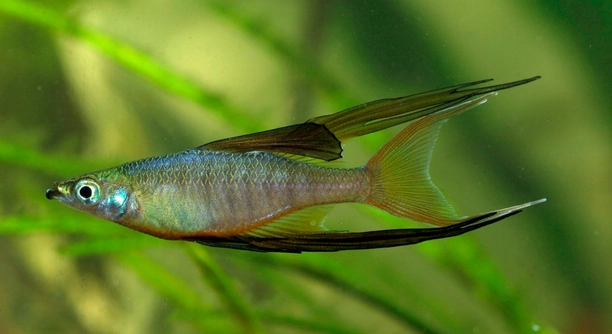
Do your Threadfin Rainbowfish often seem calm and less active than you expect, leaving you wondering how to bring out their lively behavior?
The most effective way to make Threadfin Rainbowfish more active is by creating the right environment. Balanced water parameters, proper tank mates, consistent feeding, and enrichment encourage natural swimming patterns and reduce stress, resulting in livelier fish.
Small changes in their care can transform your aquarium, making it more vibrant while also supporting the overall health and wellbeing of your fish.
Adjusting the Tank Environment
Threadfin Rainbowfish thrive in clean, stable environments where conditions closely resemble their natural habitat. A well-maintained aquarium with proper lighting, gentle water flow, and plenty of open swimming space will encourage more activity. Water parameters are critical—maintain a pH between 6.0 and 7.5, and keep the temperature steady at 74–82°F. These fish prefer soft to moderately hard water, so test levels regularly to avoid stress. Plants play an important role, offering shaded spots for rest and open areas for movement. Adding live plants also improves oxygenation and creates natural hiding spaces, which helps your fish feel more secure. Secure lids are essential, as rainbowfish are known to jump when startled. Ensuring your aquarium is peaceful and free from sudden disturbances further promotes activity. A calm, natural setup not only brings out their shimmering colors but also motivates them to swim more freely and confidently in their space.
Creating a balanced environment is not difficult, but consistency is key. Simple adjustments, like adding more live plants or rearranging decorations, can make a noticeable difference in their activity.
When your aquarium mimics their natural surroundings, your Threadfin Rainbowfish will display brighter colors and remain more engaged. This healthier setup also lowers stress and boosts their overall energy.
Feeding and Diet
Threadfin Rainbowfish become noticeably more active when their diet is varied and nutritionally balanced. These fish enjoy live or frozen foods, such as daphnia, mosquito larvae, and brine shrimp, which stimulate natural hunting instincts. High-quality flakes or micro-pellets can be included, but rotating their meals helps maintain excitement during feeding time.
A diet rich in proteins and vitamins supports their immune system and encourages more frequent swimming. Live foods especially encourage bursts of movement, as the fish chase and capture their prey. For best results, feed them small portions twice daily rather than one large feeding. This prevents overeating, reduces waste, and keeps your fish alert throughout the day. Offering different food textures and sizes can also prevent boredom. By combining variety with moderation, you help ensure that your Threadfin Rainbowfish remain healthy, engaged, and consistently active, bringing more vibrancy and liveliness into your aquarium.
Choosing the Right Tank Mates
Threadfin Rainbowfish are peaceful, but their activity can depend on who they share a tank with. Avoid aggressive or fin-nipping species, as these cause stress and inactivity. Gentle, schooling fish help them feel safe, boosting their natural swimming patterns.
Keeping Threadfin Rainbowfish in small groups of six or more allows them to interact naturally, which makes them more active and social. Suitable companions include other small rainbowfish, rasboras, or peaceful tetras. These species provide gentle movement without intimidating your rainbowfish. Avoid large or overly territorial tank mates, as they can discourage open swimming. Balanced communities encourage harmony, which leads to increased activity throughout the aquarium. When selecting companions, focus on compatibility in size, temperament, and water requirements. This ensures your Threadfin Rainbowfish thrive while interacting confidently within the group. A well-chosen mix of species can enhance their colors, energy, and overall presence in your tank.
Peaceful communities also help distribute attention during feeding. Instead of hiding or staying still, Threadfin Rainbowfish actively compete for food alongside their companions. This playful competition promotes liveliness and prevents stress caused by isolation. With the right balance of species, your aquarium becomes more engaging, energetic, and visually appealing.
Creating Enrichment Opportunities
Adding enrichment keeps Threadfin Rainbowfish engaged. Simple decorations, floating plants, and natural hiding places encourage exploration. Rotating elements occasionally gives them new spaces to investigate. This keeps their environment stimulating while also preventing boredom and inactivity in a confined aquarium setting.
Aquarium enrichment does not need to be complex. Adding driftwood, rock formations, or tall plants allows them to weave through obstacles and swim more actively. Even small adjustments, like rearranging decorations, create new pathways and hiding spots. Floating plants also provide shaded areas, reducing stress and encouraging playful exploration. For extra activity, use gentle bubble walls or small sponge filters to create light currents they can swim against. Changing scenery once in a while helps maintain curiosity, ensuring their behavior remains dynamic. By incorporating these features, you provide your Threadfin Rainbowfish with an environment that promotes consistent activity and highlights their natural beauty.
Maintaining Water Quality
Clean water is essential for active Threadfin Rainbowfish. Regular water changes prevent toxin buildup, while stable temperature and pH help maintain their energy levels. Poor water quality leads to stress, making them sluggish and less likely to swim freely.
Using a reliable filter ensures consistent circulation and oxygenation, both of which encourage movement. Testing water parameters weekly helps you quickly correct imbalances. Even small fluctuations can affect their comfort. Keeping conditions stable supports their health, bringing out livelier behavior and brighter coloration in your aquarium.
Managing Stress Levels
Stress directly impacts the activity of Threadfin Rainbowfish. Overcrowding, loud noises, or frequent disturbances can make them hide rather than swim actively. Provide a calm environment with plenty of space, soft lighting, and gentle companions to reduce stress and promote natural behavior.
Encouraging Natural Behaviors
Threadfin Rainbowfish display more energy when they can follow instincts. Swimming in schools, exploring plants, and chasing live foods help maintain activity. Supporting these behaviors keeps them engaged and allows their natural vibrancy to shine in your aquarium every day.
FAQ
Why are my Threadfin Rainbowfish staying near the bottom of the tank?
Threadfin Rainbowfish may stay near the bottom if they are stressed, unwell, or adjusting to new surroundings. Poor water quality, incorrect temperature, or lack of hiding spaces can also cause this behavior. Ensuring proper tank conditions often encourages them to swim more freely.
How many Threadfin Rainbowfish should I keep together?
These fish are schooling species and feel most secure in groups. Keeping at least six together promotes natural behavior and reduces stress. When they swim in groups, they display brighter colors and remain more active, adding vibrancy to your aquarium.
Do Threadfin Rainbowfish need live food to stay active?
Live food is not strictly necessary, but it stimulates their hunting instincts, which boosts activity. Supplementing their diet with live or frozen options like daphnia or brine shrimp provides variety and excitement. Balanced feeding encourages better health and livelier swimming behavior overall.
Why are my Threadfin Rainbowfish not eating?
Loss of appetite often signals stress, illness, or unsuitable water conditions. Double-check temperature, pH, and ammonia levels. If water quality is fine, try offering different food types. Sometimes switching from dry flakes to live or frozen food helps reignite their interest in eating.
Do Threadfin Rainbowfish jump out of the tank?
Yes, Threadfin Rainbowfish are known jumpers, especially when startled. A secure lid is essential to prevent accidents. Stress, overcrowding, or sudden movements near the tank can increase this risk. A calm, well-planted environment reduces their urge to leap outside the aquarium.
Can Threadfin Rainbowfish live with bettas?
While possible, this pairing is not always ideal. Bettas may display territorial aggression, stressing the Threadfin Rainbowfish. If attempted, the tank should be spacious with plenty of hiding spaces. Always monitor interactions carefully, as stress reduces rainbowfish activity and overall wellbeing.
Why do my Threadfin Rainbowfish sometimes chase each other?
Chasing is normal among Threadfin Rainbowfish and usually relates to social interaction or mild competition. Males often display this behavior more during feeding or when establishing dominance. As long as it is not aggressive, chasing signals healthy interaction and natural activity within the group.
What temperature makes Threadfin Rainbowfish most active?
They thrive best between 74–82°F. Cooler water often slows their metabolism, making them less active, while temperatures above their range can cause stress. Maintaining a stable mid-range temperature encourages consistent swimming patterns and helps sustain their natural energy throughout the day.
Do Threadfin Rainbowfish need strong water flow?
A strong current is unnecessary and can tire them out. Gentle circulation is ideal, as it promotes oxygenation and keeps the water fresh without overwhelming them. Balanced water movement provides stimulation while allowing them to swim freely without struggling against the flow.
Why are my Threadfin Rainbowfish hiding instead of swimming openly?
Hiding behavior usually points to stress from unsuitable tank mates, poor water quality, or lack of security in the tank setup. Adding plants and ensuring a peaceful community helps them feel safe. When comfortable, they will venture out and become more active.
Can lighting affect their activity levels?
Yes, lighting plays a role in how active they are. Bright, harsh lighting may discourage swimming, while moderate, natural-style lighting encourages movement. Floating plants can soften light exposure, making the environment calmer. Proper lighting not only promotes activity but also enhances their shimmering colors.
How do I know if my Threadfin Rainbowfish are stressed?
Signs of stress include clamped fins, hiding, loss of appetite, or dull coloration. Inactivity is also common when they feel uneasy. Regular water checks, gentle companions, and stable conditions are the best ways to reduce stress and restore their active behavior.
Why do my Threadfin Rainbowfish lose their colors sometimes?
Dull coloration can result from stress, poor diet, or low-quality water. A nutrient-rich diet, stress-free environment, and stable tank conditions usually restore their colors. Active, healthy rainbowfish show brighter hues, which indicate that their needs are being properly met in the aquarium.
Do Threadfin Rainbowfish need a large tank to stay active?
Yes, space is important. A cramped aquarium limits swimming opportunities, leading to inactivity. A 20-gallon tank or larger gives them enough room to school, explore, and swim freely. More space allows their activity to increase naturally and keeps them healthier overall.
Are Threadfin Rainbowfish suitable for beginners?
Yes, they are relatively easy to care for if basic needs are met. They require stable water parameters, a balanced diet, and peaceful companions. With proper care, beginners can enjoy their active, graceful swimming and the shimmering beauty they bring to an aquarium.
Final Thoughts
Caring for Threadfin Rainbowfish is a rewarding experience when their needs are fully understood. These delicate fish are admired for their slender bodies, shimmering colors, and graceful swimming patterns. Yet, their beauty truly shines when they are active and comfortable in the aquarium. Many factors play into their energy levels, such as water quality, diet, tank mates, and enrichment. When one of these areas is overlooked, their behavior often becomes subdued. By paying attention to these details, aquarists can encourage a healthier lifestyle for their fish while also creating a more vibrant display. Observing their activity is not just about enjoyment, but also an indication of whether their environment is suitable for long-term wellbeing. A calm, consistent approach to care provides them with security and allows them to display their natural movements. The liveliness of these fish reflects how well their needs are being met.
Threadfin Rainbowfish thrive in setups that balance structure with open space. Live plants, gentle currents, and carefully chosen tank mates contribute to a stable habitat where they feel both safe and stimulated. They are naturally social and flourish when kept in small groups, which encourages interaction and collective swimming. A balanced diet further supports their energy and color, ensuring they remain both healthy and engaged. These fish respond positively to variety, whether it is in the form of food, aquarium layout, or subtle environmental changes. Stability is equally important, as sudden shifts in water parameters or disruptions in their environment can cause stress. Their small size may suggest simplicity in care, but maintaining consistent conditions requires patience and attentiveness. Active rainbowfish are a reflection of the aquarist’s ability to provide both security and stimulation in equal measure. Their wellbeing is closely tied to how carefully these elements are managed on a daily basis.
The activity of Threadfin Rainbowfish offers more than just visual interest; it is an important sign of their overall health. When they swim confidently, display vibrant colors, and interact within their group, it is clear that their environment is meeting their needs. Keeping them active ensures they remain resilient, less prone to illness, and better adjusted to aquarium life. For aquarists, their movement creates a sense of liveliness within the tank, making the aquarium feel dynamic and full of energy. Taking time to observe their behavior allows adjustments to be made before issues arise, ensuring long-term success. By focusing on proper care, aquarists not only enhance the activity of their Threadfin Rainbowfish but also contribute to a thriving and balanced aquatic community. Their movement becomes a sign of harmony, where beauty and health are visible in every graceful swim.

Hello,
If you enjoy the content that we create, please consider saying a "Thank You!" by leaving a tip.
Every little bit helps us continue crafting quality advice that supports the health, happiness, and well-being of pets around the world, for pets of all shapes, sizes, and species.
We really appreciate the kindness and support that you show us!