
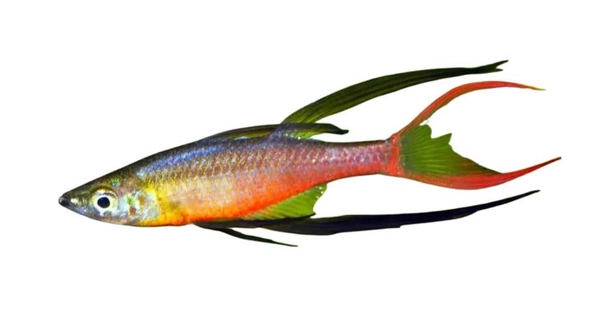
Do you love keeping colorful aquariums but find yourself wondering why your Threadfin Rainbowfish do not always show their brightest hues? Many fish owners notice their rainbowfish looking dull despite proper care routines.
Enhancing Threadfin Rainbowfish coloration involves optimizing diet, water quality, and tank environment. Consistent temperature, lighting, and stress reduction contribute to vibrant pigmentation. Providing high-quality foods rich in carotenoids and maintaining stable water parameters supports long-term, healthy color development.
These seven practical tips will guide you in transforming your rainbowfish’s appearance, improving both their health and the visual appeal of your aquarium.
Maintain Optimal Water Conditions
Keeping water conditions stable is essential for bright Threadfin Rainbowfish colors. These fish thrive in clean, slightly acidic to neutral water, with a pH between 6.5 and 7.5. Temperature should be maintained between 24°C and 28°C. Regular water testing helps monitor ammonia, nitrite, and nitrate levels, which can affect coloration. Performing partial water changes weekly keeps waste levels low and prevents stress. Stress from poor water quality can lead to faded colors or disease. Using a reliable filter ensures proper circulation and oxygenation. Avoid overcrowding, as it increases waste and reduces overall health. Including live plants can help balance the water chemistry and provide natural hiding spots. Monitoring water hardness and keeping it within recommended ranges supports the fish’s natural pigmentation. Ensuring consistent lighting cycles also helps maintain their colors. Small adjustments over time can make a noticeable difference in vibrancy. Consistency is more important than drastic changes.
Even minor fluctuations in water parameters can dull your rainbowfish’s natural color and affect overall health.
Monitoring water weekly and maintaining stable parameters not only enhances color but also prevents disease. Plants, proper filtration, and regular water changes are key. Stable conditions create a stress-free environment, allowing your fish to display their full natural hues. Keeping the aquarium consistent ensures long-term vibrancy and vitality.
Provide a Balanced, Color-Enhancing Diet
Feeding Threadfin Rainbowfish a varied diet supports brighter coloration. High-quality flakes or pellets supplemented with frozen or live foods like brine shrimp or daphnia provide essential nutrients.
A diet rich in carotenoids directly affects pigmentation. These pigments, found in foods like spirulina, krill, and red bell pepper flakes, enhance red and orange tones naturally. Protein supports growth and overall health, while occasional vegetable matter aids digestion. Rotating foods prevents nutritional gaps and keeps fish interested in feeding. Avoid overfeeding, as leftover food can degrade water quality and reduce color vibrancy. Observing how your fish respond to different foods can help you fine-tune their diet for maximum effect. Incorporating small amounts of live foods stimulates natural hunting behaviors and can subtly boost color intensity over time. Consistency in feeding routines ensures the fish receive nutrients steadily without stress from hunger or overfeeding. Combining quality nutrition with stable water conditions amplifies the visual impact of their scales.
A carefully chosen diet can transform dull fish into vibrant displays, showing their natural beauty. Consistency, variety, and color-enhancing foods are essential to support their full coloration potential.
Reduce Stress in the Aquarium
Stress causes Threadfin Rainbowfish to lose their vibrant colors quickly. Avoid sudden temperature changes, overcrowding, and aggressive tankmates.
Minimizing stress requires stable conditions and a calm environment. Sudden loud noises or frequent tapping on the glass can also frighten the fish. Providing plenty of hiding spots using plants or decorations gives them safe spaces to retreat. Maintaining a predictable feeding schedule helps them feel secure, which encourages natural behaviors and coloration. Observing fish behavior regularly helps identify early signs of stress, such as hiding, clamped fins, or faded colors. Correcting these issues promptly prevents long-term health problems and keeps their colors bright. Avoid mixing aggressive species that may chase or nip at them, as this increases stress.
Consistent care and attention to stress reduction allow Threadfin Rainbowfish to maintain vivid colors. Stable water conditions, peaceful companions, and safe hiding areas all contribute to healthier, more colorful fish.
Use Proper Lighting
Proper lighting enhances the natural colors of Threadfin Rainbowfish. Full-spectrum lights simulate daylight and bring out reds, blues, and silvers.
Lighting duration and intensity play a crucial role in coloration. Keeping lights on for about eight to ten hours daily mimics natural cycles without overexposure. Too little light can dull colors, while excessive light encourages algae growth and may stress fish. Placing plants or decorations strategically prevents harsh shadows and provides variation in light levels, allowing the fish to display their full range of colors. LED or fluorescent lights designed for aquariums ensure energy efficiency and consistent output. Choosing lighting that enhances both fish and plant health creates a visually appealing tank. Adjusting intensity gradually avoids shocking the fish. Proper lighting, combined with balanced nutrition and clean water, maximizes the vibrancy of their scales.
Consistent, well-planned lighting not only highlights natural colors but also supports plant growth and fish health. Balancing intensity, duration, and placement helps Threadfin Rainbowfish display their brightest, most striking appearance.
Avoid Overcrowding
Overcrowding reduces water quality and increases stress, both of which dull Threadfin Rainbowfish colors. Keep a proper fish-to-tank ratio to ensure each fish has enough space.
Providing enough swimming room and hiding spots helps reduce aggression and stress. A spacious environment encourages natural behavior, which directly impacts color vibrancy.
Include Live Plants
Live plants improve water quality by absorbing nitrates and providing shelter. They create natural hiding spots that reduce stress and enhance color.
Plants like Java fern, Anubias, and Amazon sword thrive in similar conditions and help maintain a balanced environment. Their presence adds depth and contrast, highlighting the fish’s bright scales. Regular trimming keeps plants healthy, preventing decay that could affect water quality. A planted aquarium also mimics natural habitats, encouraging fish to display brighter and more consistent colors. Combining plants with clean water and proper nutrition maximizes visual appeal and supports overall fish health.
Avoid Aggressive Tankmates
Aggressive species can chase or nip at Threadfin Rainbowfish, leading to stress and color fading. Choose peaceful companions that share similar water requirements.
Maintain Regular Water Changes
Frequent partial water changes prevent waste buildup and maintain optimal water chemistry, essential for vibrant coloration. Clean water supports overall health and reduces stress.
FAQ
How often should I feed Threadfin Rainbowfish to enhance their color?
Feeding small amounts two to three times a day is ideal. Overfeeding can pollute the water and stress the fish, which dulls their colors. Include high-quality flakes, pellets, and occasional live or frozen foods to provide nutrients that boost pigmentation naturally. Rotating food types ensures they receive a balanced diet.
What types of food are best for color enhancement?
Foods rich in carotenoids and natural pigments are most effective. Spirulina flakes, krill, and red bell pepper flakes help bring out red and orange tones. Live or frozen brine shrimp, daphnia, and bloodworms offer protein, supporting growth and scale vibrancy. Avoid low-quality fillers that lack essential nutrients, as they do not contribute to healthy coloration.
Can water temperature affect coloration?
Yes, Threadfin Rainbowfish display their brightest colors in stable temperatures between 24°C and 28°C. Fluctuations or sudden drops can stress them, leading to faded hues. Using a reliable heater and monitoring temperature daily helps maintain consistent conditions that encourage vivid colors.
Does tank lighting make a difference?
Proper lighting is crucial. Full-spectrum LED or fluorescent lights simulate natural daylight and enhance natural scale colors. Keeping lights on for eight to ten hours daily prevents overexposure while maintaining brightness. Positioning plants and decorations strategically avoids harsh shadows and provides areas of gentle light, encouraging natural behaviors.
How do I reduce stress in my rainbowfish?
Stress comes from overcrowding, aggressive tankmates, sudden noise, or poor water conditions. Maintaining a calm environment with stable water parameters, plenty of hiding spots, and peaceful companions helps fish feel secure. Observing their behavior regularly allows early intervention if stress signs appear, such as hiding, clamped fins, or color loss.
Are live plants necessary for color improvement?
Live plants are very helpful. They improve water quality by absorbing excess nitrates and provide natural hiding spaces. Plants like Java fern, Anubias, and Amazon sword thrive under similar conditions and offer visual contrast that highlights fish colors. Maintaining healthy, trimmed plants ensures they do not decay and affect water quality.
How frequently should I change the water?
Weekly partial water changes of 20–30% are recommended. This removes waste and keeps nitrate levels low, reducing stress and supporting vibrant coloration. Regular water testing ensures parameters like pH, ammonia, and nitrite remain within safe ranges, which directly impacts the fish’s ability to maintain bright scales.
What tankmates are safe for Threadfin Rainbowfish?
Peaceful fish that share similar water requirements are ideal. Avoid aggressive species that nip fins or chase rainbowfish, as this causes stress and color fading. Good companions include small tetras, rasboras, and other non-aggressive schooling fish. Ensuring compatible tankmates promotes a calm environment where colors remain vivid.
Can stress from handling affect color?
Yes, frequent or rough handling can stress fish, dulling their colors. Avoid netting unless necessary and minimize direct contact. Use proper techniques during tank maintenance or transfers to keep stress low. A calm and consistent environment supports long-term health and natural coloration.
How long does it take to see color improvements?
With proper diet, water conditions, lighting, and stress reduction, noticeable improvements usually appear within a few weeks. Some subtle changes may take longer, depending on the fish’s age, health, and previous environment. Consistency in care is key to achieving lasting, vibrant coloration.
Do older fish show less color?
Aging can reduce vibrancy slightly, but healthy older fish still display noticeable colors if water, diet, and stress management are maintained. Supporting their health with high-quality nutrition and stable conditions helps preserve as much natural coloration as possible.
Is it necessary to supplement with color-enhancing additives?
While some products exist, a natural approach through high-quality diet, stable water, and proper lighting is usually sufficient. Additives may help in certain cases but are not a replacement for fundamental care. Focus on consistent environment and nutrition first.
How important is tank size for color display?
Sufficient space reduces stress and allows natural swimming patterns, which enhance coloration. Crowded tanks increase waste and aggression, dulling colors. A properly sized tank also supports healthy social behavior, improving both the vibrancy and overall health of the fish.
Can stress from water changes affect color?
Improper water changes, such as sudden temperature shifts or adding untreated water, can stress fish and dull colors. Always match temperature and parameters closely when changing water and perform gradual changes to minimize stress. Regular, careful water maintenance keeps colors bright and consistent.
Does breeding affect coloration?
Breeding can temporarily reduce coloration due to stress and energy use. After successful breeding, proper nutrition and stable conditions help restore vibrancy. Providing safe, calm spaces during breeding ensures minimal stress and quicker recovery of natural colors.
How do I know if color loss is due to illness or stress?
Faded colors combined with lethargy, abnormal swimming, or appetite loss may indicate illness. Isolated color fading with normal behavior usually points to stress or environmental issues. Monitoring both appearance and behavior helps identify the underlying cause and allows timely corrective measures.
Are there seasonal effects on color?
Seasonal changes in room temperature and lighting can influence color. Maintaining consistent water conditions and lighting cycles indoors prevents fading, regardless of external seasons. Artificial light control ensures the fish display their full natural coloration year-round.
How long should lights be on each day?
Eight to ten hours of full-spectrum light daily balances natural cycles without causing stress or promoting algae overgrowth. Gradually adjusting light during seasonal changes or after setup prevents sudden stress, supporting consistent, vibrant coloration in Threadfin Rainbowfish.
Can water hardness influence color?
Yes, maintaining moderate hardness within recommended ranges supports pigmentation. Extreme hardness or soft water can stress fish and reduce color intensity. Testing water regularly ensures levels remain optimal, contributing to long-term vibrancy and overall health.
Is it normal for colors to fade at night?
Yes, colors naturally appear less bright at night or in low light. This is normal and temporary. Maintaining proper day-night cycles with full-spectrum lighting ensures the fish regain full vibrancy during daylight hours.
What combination of care practices ensures the best color?
Consistent diet, stable water conditions, proper lighting, reduced stress, suitable tankmates, and live plants collectively produce the most vibrant coloration. Each factor reinforces the others, and careful attention to all aspects of care ensures long-term, healthy, and bright Threadfin Rainbowfish.
How can I encourage natural behavior for better color?
Providing hiding spots, live plants, and a spacious tank allows fish to swim naturally and display full colors. Feeding live or frozen foods stimulates hunting behavior, which indirectly supports brighter coloration through healthy activity levels. Observing and responding to fish needs maintains optimal color expression.
What should I avoid to protect color?
Avoid overcrowding, aggressive tankmates, sudden environmental changes, poor diet, and overhandling. Neglecting any of these areas can lead to faded colors and stress-related health issues. Maintaining consistent, attentive care ensures Threadfin Rainbowfish remain vibrant and healthy over time.
Can tank decorations affect color display?
Yes, decorations and background colors can enhance visual contrast. Darker backgrounds often make rainbowfish colors appear more vibrant, while reflective surfaces may cause stress. Choosing decorations that complement the fish while providing hiding spots supports both coloration and comfort.
Are there signs of permanent color loss?
Permanent loss is rare but can occur due to chronic stress, poor nutrition, or illness. Prompt corrective measures, including water quality improvements, proper diet, and stress reduction, usually restore most natural coloration. Preventative care is the best approach to avoid permanent fading.
How does social interaction affect color?
Threadfin Rainbowfish are schooling fish. Proper group sizes reduce stress and encourage natural behaviors, which enhances coloration. Keeping at least six or more together ensures social stability, allowing the fish to display their brightest and most consistent colors.
Can water additives improve color?
Some additives enhance pigmentation temporarily but are not substitutes for proper diet and care. Focus on balanced nutrition, stable water, and low-stress conditions first. Additives may supplement care in specific situations but should not replace foundational practices.
How do I maintain color during breeding?
Keep water stable, provide hiding spots, and avoid disturbing the tank. Adequate nutrition before and after breeding helps restore energy and supports color recovery. Limiting stress ensures fish regain their natural brightness quickly after spawning.
Are there differences in coloration between males and females?
Males usually display brighter, more intense colors than females. Ensuring optimal care for both sexes maximizes overall vibrancy, even if natural differences remain. Balanced nutrition and stable conditions benefit all fish regardless of gender.
Is supplemental lighting necessary for planted tanks?
Yes, plants need light to thrive, and proper lighting simultaneously highlights fish colors. Full-spectrum LED or fluorescent lighting provides both plant growth support and enhanced visual appeal for Threadfin Rainbowfish.
How does tank size affect social behavior and color?
Larger tanks reduce stress by providing space for swimming and hiding. Proper spacing and environment allow natural schooling behavior, directly influencing coloration. Overcrowding leads to dull colors and increased aggression.
Can seasonal diet changes help?
Including seasonal foods like fresh vegetables or varying protein sources can improve pigmentation. Rotating high-carotenoid foods ensures nutrients remain consistent, helping maintain vibrant scales throughout the year.
Is color fading reversible?
Yes, most fading caused by stress, diet, or water conditions can be reversed. Correcting the underlying issue and maintaining consistent care usually restores natural coloration over time.
How do I know if my fish are getting enough nutrients for color?
Healthy scales, active swimming, and gradual brightening indicate proper nutrition. Dull, thin, or unevenly colored scales suggest a need for diet adjustment. Monitoring these signs ensures effective care.
Can temperature fluctuations during water changes cause fading?
Yes, sudden drops or spikes can stress fish. Match new water temperature closely to the tank and make gradual changes to avoid sudden stress that impacts coloration.
What is the best combination of practices for long-term color maintenance?
Balanced diet, stable water, proper lighting, low stress, live plants, adequate space, peaceful companions, and careful handling collectively ensure sustained, vibrant coloration in Threadfin Rainbowfish. Each factor reinforces overall health and visual appeal.
How long does it take for a new fish to show its true colors?
Newly introduced fish may take several days to weeks to adjust. Stress from relocation, acclimation, and environment changes can temporarily dull colors. Providing stable water, hiding spots, and proper nutrition encourages faster color expression.
Does tank background color matter?
Yes, darker backgrounds often enhance the visibility of bright scales. Avoid reflective surfaces or overly bright decorations that may stress fish. Complementary colors improve visual contrast and display vibrancy effectively.
Are live foods necessary for color improvement?
Live foods are helpful but not strictly necessary. They stimulate natural hunting behavior and provide additional nutrients that support pigmentation. Combining live, frozen, and high-quality dry foods creates the most balanced diet for vibrant coloration.
How can I prevent long-term color dulling?
Maintain consistent water quality, proper lighting, a balanced diet, reduced stress, and peaceful tankmates. Regular observation and timely intervention prevent conditions that cause lasting fading, ensuring Threadfin Rainbowfish remain bright and healthy.
Do juvenile fish have the same color requirements as adults?
Yes, young fish benefit from proper diet, water conditions, and stress reduction. While coloration develops gradually, consistent care ensures juveniles grow with strong pigmentation and health.
Is it normal for fish to appear dull during acclimation?
Yes, temporary fading occurs when adjusting to new water or environment. Providing stable conditions and minimal stress helps them regain natural coloration within days to weeks.
Can changing tank layout improve color?
Strategic placement of plants and decorations reduces stress, provides hiding spots, and enhances visual contrast. This encourages natural behavior and highlights bright scales. Minor rearrangements can positively impact fish vibrancy.
How important is consistent observation?
Regularly monitoring fish behavior, water parameters, and color changes helps detect issues early. Timely corrections maintain health, reduce stress, and preserve vibrant coloration. Observing interactions also ensures tankmates are compatible.
Can light spectrum affect fish color?
Yes, full-spectrum lighting brings out natural reds, blues, and silvers. Avoid overly blue or yellow lights that distort colors. Proper spectrum supports both plant growth and fish vibrancy.
What is the role of hiding spaces in color maintenance?
Hiding spaces reduce stress by allowing retreat from aggressive or noisy activity. Less stress supports natural color expression and overall well-being. Both live plants and decorations serve this purpose effectively.
How often should I test water parameters for color maintenance?
Weekly testing of pH, ammonia, nitrite, nitrate, and hardness ensures optimal conditions. Early detection of changes prevents stress and color loss, maintaining long-term vibrancy.
Do seasonal changes in lighting affect color?
Indoor seasonal shifts may alter natural light exposure. Using controlled artificial lighting maintains consistent day-night cycles, supporting stable coloration year-round.
Can small tank changes impact color?
Yes, even minor temperature or pH fluctuations can temporarily dull colors. Gradual adjustments minimize stress and preserve bright, consistent scales.
Are there supplements specifically for Threadfin Rainbowfish?
Supplements exist but are secondary to proper diet, water, and stress management. High-quality foods and stable conditions are more effective for long-term color maintenance than additives alone.
Can tankmates influence color indirectly?
Aggressive or stressed companions reduce color intensity in rainbowfish. Peaceful schooling fish and compatible species allow natural behavior, enhancing pigmentation indirectly through reduced stress.
Is there a difference between indoor and outdoor tanks?
Indoor tanks offer controlled conditions, making color maintenance more predictable. Outdoor or semi-outdoor setups may face temperature fluctuations, sunlight variations, and environmental stress, affecting vibrancy. Proper control indoors ensures consistent, bright coloration.
Does breeding behavior temporarily reduce color?
Yes, energy spent on breeding can reduce vibrancy. After breeding, stable conditions and proper nutrition help fish regain full coloration within a few weeks.
How can I encourage natural coloration without additives?
Focus on high-quality diet, consistent water, proper lighting, and low-stress conditions. Live plants, hiding spots, and peaceful tankmates support natural color expression. Gradual improvements appear with sustained care over time.
Are there long-term effects of neglecting color care?
Chronic stress, poor diet, and unstable water can permanently affect pigmentation, weaken the immune system, and reduce overall health. Preventive, consistent care is key to maintaining vibrant, healthy fish.
Can juvenile and adult fish have different lighting needs?
No, both benefit from full-spectrum lighting for eight to ten hours daily. Proper lighting supports pigment development in juveniles and maintains adult coloration.
Does water flow influence color?
Moderate water flow ensures oxygenation and reduces stagnant areas, promoting healthy metabolism and coloration. Too strong flow can stress fish, while low flow may reduce oxygen levels and vibrancy.
Is color fading reversible after illness?
Yes, with treatment, proper nutrition, and stress reduction, most fish regain natural coloration. Prompt attention to illness prevents permanent fading.
Can tank decorations reflect light too much?
Reflective surfaces may stress fish and reduce color vibrancy. Using matte or natural-colored decorations prevents glare and encourages natural color expression.
How can I tell if a fish is healthy based on color?
Bright, even, and vibrant scales indicate good health. Dull, patchy, or uneven coloration may signal stress, illness, or poor nutrition, requiring immediate attention.
Do I need to adjust lighting for heavily planted tanks?
Yes, sufficient light supports plant growth and highlights fish colors. Balance intensity and duration to avoid algae growth and stress.
Can water hardness changes impact pigmentation?
Yes, extremes in hardness may stress fish, dulling colors. Maintaining moderate hardness within recommended ranges supports healthy pigmentation and overall vitality.
Is it normal for colors to shift slightly with age?
Some minor changes are natural, but consistent care maintains most vibrancy. Aging may slightly reduce intensity, but healthy conditions keep colors strong.
How do I prevent color loss during transport?
Use stable, aerated water with matching temperature and minimal handling. Quick acclimation upon arrival reduces stress and preserves natural coloration.
Can live foods alone maintain bright colors?
Live foods contribute but are most effective when combined with high-quality flakes, pellets, and vegetables. A varied diet ensures complete nutrition and consistent color expression.
Are certain tank backgrounds better for color display?
Darker, natural-toned backgrounds highlight bright scales effectively. Avoid reflective or overly bright backgrounds that may stress fish or reduce visual contrast.
Does water clarity affect perceived color?
Yes, clear, well-filtered water allows natural hues to show. Cloudy or dirty water can dull appearance, even if pigmentation is strong internally.
How often should I clean the tank to maintain color?
Regular cleaning and weekly partial water changes prevent waste buildup, maintaining water quality. Consistent cleanliness supports stress-free, brightly colored fish.
Can temperature stress cause permanent color fading?
Extreme or prolonged temperature stress may cause lasting pigment loss. Maintaining stable, appropriate temperatures prevents fading and ensures long-term vibrancy.
How can I monitor subtle color changes?
Take notes or photos weekly to track changes. Early detection of fading allows adjustments in diet, water, or lighting before problems become serious.
Do Threadfin Rainbowfish require special care during seasonal changes?
Ensure indoor temperature and lighting remain stable. Adjust artificial lighting and monitor water parameters to prevent stress and fading, maintaining consistent colors year-round.
Can changing tank decorations improve vibrancy?
Yes, rearranging decorations to provide hiding spots and visual contrast encourages natural behavior and highlights bright scales. Gradual changes avoid stress.
Is stress from aggressive tankmates reversible?
Removing or separating aggressive fish reduces stress, and colors generally return with proper care, clean water, and consistent feeding.
Does partial water change timing matter?
Yes, performing changes at regular intervals maintains stable conditions. Sudden or irregular water changes can stress fish, temporarily dulling colors.
Are there natural supplements for color improvement?
Foods rich in carotenoids, spirulina, and krill act as natural enhancers. They support pigmentation safely without relying on chemical additives.
Can overcrowding permanently affect color?
Chronic overcrowding increases stress and competition, potentially causing long-term fading. Adequate space and proper tankmate selection are essential to preserve vibrant colors.
How can I encourage long-term color retention?
Consistent nutrition, stable water parameters, proper lighting, low stress, live plants, adequate space, and compatible companions collectively ensure Threadfin Rainbowfish remain vibrant throughout their life.
What is the most important factor for color health?
Stable water conditions, proper diet, and low stress are the most influential. Each directly impacts natural pigmentation and overall vitality. Maintaining these consistently supports lasting vibrancy.
Do juveniles need the same hiding spots as adults?
Yes
Final Thoughts
Maintaining vibrant colors in Threadfin Rainbowfish requires consistent care and attention to multiple factors. Water quality is the foundation of their health and coloration. Clean, stable water with proper pH, temperature, and hardness prevents stress and supports strong pigmentation. Regular partial water changes and reliable filtration help keep waste levels low and oxygen levels high. Overcrowding or poor water conditions can lead to faded colors and health problems. Providing enough space for swimming and hiding ensures fish feel secure and reduces stress-related color loss. Even small improvements in water management can make noticeable differences in the brightness and consistency of their scales over time.
Diet is another critical component for sustaining vibrant coloration. Feeding a varied diet with high-quality flakes or pellets, live foods, and frozen options provides essential nutrients that support natural pigmentation. Foods rich in carotenoids, like spirulina, krill, or red bell pepper flakes, enhance reds and oranges, while protein supports overall growth and scale health. Rotating food types ensures that the fish do not develop nutritional gaps and keeps them engaged during feeding. Avoid overfeeding, as excess food can degrade water quality and stress the fish, reducing color intensity. Consistent, high-quality nutrition over weeks and months results in stronger, more vivid coloration, especially when combined with stable water conditions and low-stress environments.
Environmental factors also play a significant role in color expression. Proper lighting highlights the natural hues of the fish, while live plants and decorations create hiding spots that reduce stress and encourage natural behaviors. Peaceful tankmates are important to prevent aggression, which can cause fading. Temperature stability and a predictable day-night lighting cycle help maintain their bright appearance. Even though colors may fluctuate slightly due to age, breeding, or temporary stress, consistent attention to water quality, diet, and environment ensures that Threadfin Rainbowfish remain healthy and vibrant. Following these practices creates an aquarium where the fish can display their full range of natural colors, offering a visually appealing and lively display that reflects both careful management and a balanced ecosystem.

Hello,
If you enjoy the content that we create, please consider saying a "Thank You!" by leaving a tip.
Every little bit helps us continue crafting quality advice that supports the health, happiness, and well-being of pets around the world, for pets of all shapes, sizes, and species.
We really appreciate the kindness and support that you show us!