
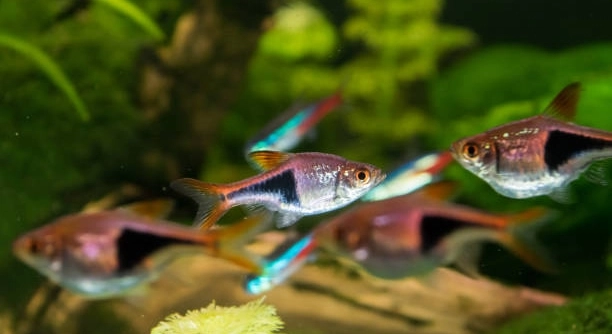
Do you ever notice your rasboras chasing each other around the tank, leaving you wondering what might be causing the sudden tension?
Rasbora conflict is often linked to territorial disputes, overcrowding, improper tank conditions, limited hiding spaces, incompatible tank mates, breeding behavior, and food competition. Each of these factors can increase aggression, disrupting harmony in the aquarium environment.
By learning the most common triggers, you can better manage their behavior and create a calm, balanced space for your rasboras.
Territorial Disputes
Rasboras may appear calm, but like many fish, they can become territorial when their space feels threatened. Males are particularly prone to defending small areas, especially during times of breeding or when establishing dominance. This behavior often involves chasing, nipping, or displaying flared fins as warnings. In smaller tanks, the issue becomes more noticeable because rasboras lack the space to spread out, forcing them into constant contact. Even in larger aquariums, poorly arranged decorations can create hot spots for disputes. Adding plants, caves, or driftwood can help by breaking up open spaces, giving each fish a place to retreat. A well-thought-out tank layout helps reduce visual contact between aggressive individuals and promotes calmer interactions. Understanding that territorial behavior is natural allows you to respond with simple changes, like rearranging décor or increasing available space, to restore balance. In many cases, conflict decreases when each rasbora feels secure in its environment.
Territorial aggression in rasboras is a natural response to confined or unbalanced tank spaces. By modifying the environment, you can reduce disputes and provide comfort to every fish, ensuring fewer stressful encounters.
Aquarium design plays a central role in managing territorial conflicts among rasboras. When tanks are arranged with clear boundaries, fish can claim their own spaces without clashing as often. This not only lowers stress but also helps maintain better water quality since fish are less frantic. Adding live plants is especially helpful because they create both shelter and visual barriers, breaking the line of sight between aggressive individuals. Open swimming zones balanced with covered areas provide a healthier dynamic for the entire group. Another effective method is ensuring your tank is properly sized, as overcrowding often leads to unnecessary competition for territory. By observing your rasboras’ behavior closely, you can make small adjustments that encourage peaceful coexistence. Simple steps like shifting décor or adding more cover can transform the atmosphere of your aquarium.
Overcrowding
Rasboras thrive in groups, but too many in a confined space quickly leads to stress and conflict. A crowded tank restricts swimming areas, limits resources, and increases tension, pushing natural schooling behavior into aggressive interactions.
Overcrowding remains one of the most common causes of stress-related aggression in rasboras. While they are schooling fish that require companionship, placing too many in a small tank often reverses their cooperative nature. When space is limited, rasboras compete for hiding spots, resting zones, and feeding areas. The constant pressure of competition can wear them down, leading to nipping, chasing, and even weakened immune systems. This makes them more vulnerable to illnesses and shortens their lifespan. To prevent this, it is important to provide an aquarium large enough to house the group comfortably. A general guideline is to allow at least two gallons of water per fish, though more space is always better. Pairing sufficient space with thoughtful tank design helps maintain harmony, keeping schooling behavior natural and enjoyable.
Improper Tank Conditions
Poor water quality quickly leads to stress and aggression in rasboras. When ammonia or nitrate levels rise, fish become irritable and more likely to chase or nip. Stable, clean water is essential for keeping them calm and healthy.
Maintaining proper tank conditions is about consistency. Rasboras are sensitive to sudden changes, so stable pH, hardness, and temperature ranges are necessary. Fluctuations make them uneasy, which often translates into conflict within the group. Regular testing allows you to track these changes and act quickly when something is off. Weekly water changes paired with efficient filtration keep levels balanced and oxygen high. Temperature should remain steady, as even small shifts can disturb their natural schooling behavior. Adding live plants also improves water stability and reduces stress. By making tank care a priority, you can reduce unnecessary tension and promote a balanced environment where rasboras display their natural patterns.
Stress from poor conditions often builds gradually, making it easy to overlook at first. Rasboras may begin showing duller colors, less energy, or constant chasing. These signs are early warnings that the water balance is off. The longer the imbalance continues, the more aggressive their interactions become. Proper aeration and consistent cleaning prevent this escalation. Providing a tank with stable, suitable parameters benefits not only rasboras but also any tank mates sharing the space. Attention to detail in water care directly reflects in their behavior and overall well-being. Even subtle improvements in tank conditions can transform aggression into calm schooling, restoring the harmony many aquarists expect from these fish.
Limited Hiding Spaces
Rasboras may be active swimmers, but they still require places to retreat. A tank without sufficient hiding spots leaves them exposed, making them feel threatened and more prone to chase each other for dominance or safety.
Hiding spaces reduce visible stress and lower aggression levels. When fish know they have somewhere to escape, they display calmer and more natural behaviors. Plants, rocks, and driftwood all provide shelter, while also breaking up open spaces. A balanced layout combines open swimming zones with secure resting areas, preventing one fish from monopolizing territory. Adding caves or dense plant groupings ensures weaker fish can avoid constant harassment. Hiding areas also improve breeding behavior by giving pairs quiet spots to spawn. Without these safe areas, rasboras become restless, chasing each other endlessly. Structuring the tank with multiple hideaways not only prevents conflict but also supports their health and longevity.
Incompatible Tank Mates
Placing rasboras with aggressive or fin-nipping species often leads to conflict. They may feel threatened or begin mimicking hostile behavior, which increases stress. Peaceful community fish are always the best choice to keep rasboras calm and cooperative.
Stress from unsuitable companions shows through constant chasing and hiding. When rasboras cannot swim freely, they lose their natural schooling rhythm and become restless. Choosing calm species, like tetras or peaceful bottom dwellers, helps maintain balance and reduces unnecessary conflict inside the aquarium.
Breeding Behavior
Breeding seasons can heighten aggression in rasboras, especially males. They often compete for mates, leading to displays of dominance like chasing and fin-flaring. Providing extra space and cover during this period eases tension and supports healthier breeding behavior without disrupting the group dynamic.
Food Competition
Food scarcity pushes rasboras into aggressive chasing. When meals are not spread evenly, stronger individuals dominate, leaving weaker ones stressed and underfed. Distributing food across different spots in the tank reduces competition and keeps every rasbora well-fed and calmer overall.
FAQ
Why do rasboras chase each other?
Rasboras often chase each other due to natural schooling behavior, but it can also signal stress, overcrowding, or competition. Light chasing is normal and part of their activity, but frequent or aggressive chasing suggests deeper issues in the tank setup that require attention.
Can rasboras live peacefully with other fish?
Yes, rasboras are generally peaceful and do well with calm, non-aggressive tank mates. Good choices include tetras, corydoras, and peaceful bottom dwellers. Avoid aggressive or fin-nipping species, as they can stress rasboras and increase tension within the aquarium.
How do I know if my rasboras are stressed?
Signs of stress include dull coloration, frequent hiding, rapid breathing, or constant chasing. If these behaviors appear alongside aggression, it often points to overcrowding, poor water conditions, or a lack of hiding spaces. Regular observation helps catch problems before they worsen.
What is the ideal tank size for rasboras?
A group of rasboras thrives best in a tank that provides plenty of swimming space. For small species, at least 20 gallons is recommended, while larger groups or bigger rasboras benefit from even more space. Larger tanks encourage natural schooling and reduce conflict.
Do rasboras become aggressive when breeding?
Yes, males often show increased aggression during breeding periods. They may chase rivals to establish dominance and secure mates. Providing extra cover and space during this time allows for less stressful interactions, making breeding more successful and reducing overall tension in the group.
How often should I feed rasboras to avoid conflict?
Rasboras should be fed small amounts two to three times a day. Spreading the food across different areas ensures each fish has access. This prevents stronger individuals from dominating feeding and helps maintain a peaceful environment where weaker fish also get their share.
What type of food reduces aggression in rasboras?
A varied diet of high-quality flakes, micro-pellets, and live or frozen foods reduces competition. Distributing food evenly across the tank prevents fighting over a single source. Variety also keeps them healthy, which naturally lowers stress and reduces aggressive interactions within the group.
Do rasboras fight because of poor water quality?
Yes, poor water conditions are a major factor. When ammonia, nitrites, or nitrates rise, stress levels increase, and rasboras may chase or nip more often. Weekly water changes, regular testing, and strong filtration are essential to keep aggression from escalating due to unhealthy conditions.
Can hiding spaces really make a difference?
Absolutely. Hiding spots reduce visual stress and give weaker rasboras safe areas to retreat. Plants, caves, and driftwood all help. Without cover, fish feel exposed and more likely to clash. A structured layout balances swimming zones with security, creating harmony in the tank.
Are rasboras more aggressive in small groups?
Yes, small groups often experience more conflict. Rasboras are schooling fish and feel safest in groups of six or more. In smaller numbers, they become restless, stressed, and prone to chasing. A larger group spreads aggression and restores their natural, coordinated swimming behavior.
What should I do if aggression continues after changes?
If adjustments like increasing tank size, improving water quality, or adding hiding spaces do not resolve the issue, monitor group dynamics. Sometimes one individual is overly dominant. In that case, rehoming the aggressive fish may be necessary to protect the rest of the group.
Can rasboras live with shrimp or snails?
Yes, rasboras can coexist with shrimp and snails, provided there is enough space. Shrimp need plants or moss to hide, especially when molting, while snails benefit from calm tank conditions. Both companions are peaceful and complement the gentle nature of rasboras.
Do rasboras nip fins like some other fish?
Generally, rasboras are not fin-nippers. If nipping occurs, it usually signals stress, overcrowding, or poor tank conditions. Ensuring proper space, diet, and environmental balance prevents this behavior. In peaceful, well-maintained aquariums, rasboras display schooling rather than fin-nipping tendencies.
How long does it take for aggression to settle after changes?
Improvements usually show within a week, though it may take longer depending on the severity of stress. Consistent care, stable conditions, and proper tank design gradually reduce conflict. Patience is key, as rasboras need time to adjust to new surroundings and regain balance.
Final Thoughts
Rasboras are known for their peaceful schooling nature, but conflict can appear when certain conditions in the tank are unbalanced. Small disputes may seem harmless at first, but constant chasing, fin-nipping, or hiding are signs that should not be ignored. These behaviors often develop from overcrowding, poor water quality, limited hiding spaces, or unsuitable companions. Even natural events like breeding or competition for food can increase tension in the group. Recognizing the underlying causes of conflict helps you respond quickly and prevent stress from escalating. By learning how these fish react to their environment, you can create a balanced tank where aggression is minimal, and schooling behavior remains natural and calm.
Caring for rasboras is not just about keeping them alive, but about ensuring their environment supports their health and well-being. Simple steps such as choosing the right tank size, maintaining water conditions, and arranging plenty of hiding areas make a noticeable difference. Feeding strategies also matter, since food scarcity or poor distribution leads to unnecessary chasing and stress. Each adjustment, no matter how small, has a lasting effect on their comfort. Paying attention to these details is rewarding, as it allows you to observe your rasboras displaying their true colors and natural behavior. Healthy, confident fish will swim gracefully in groups, showing the calm temperament that makes them such popular aquarium species.
Conflict in rasboras does not need to be a constant problem. With thoughtful planning, observation, and steady maintenance, these issues are easy to manage. The key is balance: providing enough space, clean water, compatible companions, and proper nutrition. Once these needs are met, rasboras return to their natural state of schooling together peacefully. This harmony benefits not only them but also any other species sharing the aquarium. A calm, balanced tank creates a more enjoyable experience for both the fish and the keeper. In the end, managing rasbora conflict is about patience, consistency, and care. When their environment reflects these qualities, the result is a thriving group that enhances the beauty and life within your aquarium, making the effort fully worthwhile.

Hello,
If you enjoy the content that we create, please consider saying a "Thank You!" by leaving a tip.
Every little bit helps us continue crafting quality advice that supports the health, happiness, and well-being of pets around the world, for pets of all shapes, sizes, and species.
We really appreciate the kindness and support that you show us!