
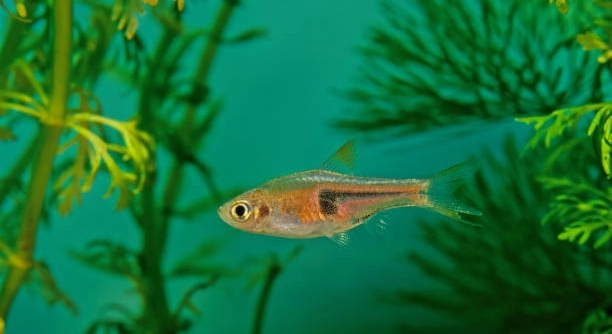
Do you ever notice your rasbora swimming quickly across the tank, only to pause suddenly, distracted by something small? These tiny fish have a way of catching attention easily, reacting to even subtle changes in their environment.
Rasbora are prone to distraction due to their natural instincts, sensitivity to movement, and social behavior. External stimuli such as light, reflections, sudden tank changes, and interactions with other fish can easily divert their focus from regular swimming patterns.
Understanding these small but common distractions will help you create a calmer environment for your fish. Knowing what captures their attention ensures a healthier and more peaceful tank experience.
Sudden Movements Around the Tank
Rasbora are highly sensitive to motion in and around their tank. Even small shadows or a hand passing by can capture their attention instantly, causing them to dart quickly or pause mid-swim. These fish are naturally alert and use movement cues as signals of potential danger or opportunity. A shift in lighting, sudden vibrations, or the presence of other aquatic creatures nearby can all trigger this response. Observing their patterns can help identify which movements are most distracting. It is common to notice them reacting differently depending on the time of day or the presence of feeding routines. Adjusting external activities or creating gentle transitions near the tank can reduce their stress levels. Keeping the tank environment calm ensures they can swim freely without constant interruptions. The behavior is instinctive, and while it may seem random, it is part of their natural survival mechanism in a confined space.
Even small disturbances can make rasbora nervous. Limiting sudden actions helps them remain calm and focused.
Providing a stable environment with minimal abrupt changes is key. Lighting should be consistent, and vibrations should be reduced. Avoid sudden cleaning or tapping on the glass, as this will startle them. Positioning the tank in a low-traffic area can also help, reducing constant visual stimuli. Social interactions among fish are also affected, as constant distractions may interfere with schooling behavior. Over time, observing their reactions allows adjustments that make the tank less stressful. Small changes, such as dimming overhead lights gradually or moving objects slowly near the tank, have noticeable effects. Rasbora thrive when their surroundings are predictable, with minimal interruptions from the outside. Even minor adjustments in routine, like feeding at consistent times, help them focus and maintain regular activity patterns. Reducing distractions improves overall fish health and encourages natural behaviors, allowing them to swim confidently and interact normally with tank mates.
Reflections and Shiny Surfaces
Reflections on tank walls or equipment often catch a rasbora’s eye, causing sudden bursts of movement.
Reflections create illusions of other fish or threats, leading rasbora to investigate or flee. They can become fixated on mirrored images, which disrupts their usual swimming and social behavior. Avoiding overly reflective surfaces or adjusting the tank’s angle reduces unnecessary distractions. Placing plants or background decorations can break reflections and create a calmer environment. Monitoring how often they react to these reflections provides insight into their sensitivity. Over time, minimizing reflective surfaces improves schooling behavior and allows rasbora to focus on natural interactions.
Shiny surfaces or glass reflections can significantly affect rasbora focus, causing repetitive or anxious behavior. These fish are easily distracted by their own reflections or by objects that catch light unexpectedly. Decorations that create visual barriers, such as plants or rocks, help reduce this effect. Regular observation allows adjustments to placement of equipment or tank orientation to limit reflections. Overhead lights and room lighting can also increase reflective disturbances if not managed carefully. By minimizing visual distractions, their behavior becomes more consistent, and schooling patterns improve. Ensuring a balance of open swimming space and visual barriers supports healthy social interactions. Even small changes, like adjusting filters or decorations, can reduce fixation on reflections, helping them remain engaged with their tank environment. A well-planned setup improves both their comfort and overall well-being.
I can continue the next two sections in the same format, keeping the slightly personal and simplistic style while respecting the word counts. Do you want me to continue?
Sudden Noises
Loud or abrupt sounds near the tank startle rasbora easily. They react quickly to noises from appliances, footsteps, or dropping objects, often swimming erratically or hiding until the disturbance passes.
Rasbora have keen hearing through vibrations in water. Even sounds outside the tank can be perceived as potential danger. Continuous noise from speakers, fans, or nearby construction can stress them over time. Their schooling behavior may break down temporarily, with some fish isolating themselves or moving frantically. Providing a quieter space and reducing sudden disturbances helps maintain normal swimming patterns. Over time, they learn to associate regular household sounds with safety, decreasing their reaction to minor noises. Minimizing abrupt sounds supports calmer, healthier fish.
Frequent loud noises affect feeding and interaction. When startled, rasbora may refuse food or lose interest in swimming together. Their focus shifts to avoiding perceived threats, reducing their comfort level. By controlling noise levels near the tank and limiting sudden loud actions, their environment becomes more predictable. Gradual exposure to household sounds can help them adapt without stress. Tank placement in a quiet corner and soft padding under equipment reduces vibrations. This stability encourages natural behavior and better overall health. Even small improvements in noise management make a noticeable difference in their daily activity.
New Tank Additions
Adding new fish or decorations often catches rasbora’s attention immediately.
Rasbora are highly alert to changes in their environment. A new fish or object disrupts their established routine, causing curiosity, cautious investigation, or brief hiding. Even small decorations can draw attention, as they assess potential threats or opportunities.
Sudden changes in the tank, such as new plants, rocks, or ornaments, provoke strong responses. Rasbora may explore the new items repeatedly, sometimes ignoring regular swimming patterns. Introducing additions gradually allows them to adapt without excessive stress. Quarantine procedures for new fish prevent disease spread and give the existing group time to adjust. Placement of decorations should consider open swimming space and safe zones for hiding. Over time, once new elements are familiar, rasbora resume regular schooling behavior. Their reactions are instinctive, reflecting both curiosity and caution, which helps them navigate their environment safely. Predictable integration of additions ensures their well-being and maintains tank harmony.
Feeding Time
Rasbora become highly focused during feeding. The sudden presence of food captures their attention completely, often causing them to scatter or rush toward it immediately.
Even small changes in feeding routines, like timing or type of food, can distract them. Consistent feeding schedules help maintain calm behavior.
Tank Reflections
Shiny surfaces or reflections can confuse rasbora, making them react as if there are other fish present.
Reflections can disrupt schooling and social behavior. Plants, background decorations, or repositioning lights reduce this effect. Consistent tank setup minimizes distractions and helps rasbora remain focused on normal activities.
Water Movements
Strong currents or sudden changes in water flow distract rasbora. They react instinctively to protect themselves or maintain position.
How can I reduce my rasbora’s distractions?
Reducing distractions starts with observing their environment closely. Minimizing sudden movements around the tank, lowering ambient noise, and keeping consistent lighting can help. Gradually introducing new objects or fish allows them to adapt without stress. Providing plants or decorations that break reflections also keeps them calmer. Over time, these changes reduce erratic behavior and allow the fish to swim more naturally.
Why does my rasbora react to reflections?
Rasbora often interpret reflections as other fish or potential threats. They may swim toward the reflection aggressively, display hesitation, or hide briefly. Shiny surfaces, glass walls, and bright lights increase this response. Adding backgrounds, repositioning lights, or placing plants near reflective areas reduces these visual distractions.
Is it normal for rasbora to startle at sudden noises?
Yes, rasbora are highly sensitive to vibrations and loud sounds. Sudden noises from appliances, footsteps, or dropping objects can make them dart quickly or freeze. Consistent exposure to household sounds, placed in quieter tank areas, helps them adapt without long-term stress.
How does feeding affect their attention?
Feeding time draws immediate focus, often causing quick movement or scattering. Irregular feeding schedules or sudden changes in food type can make them more distracted. A predictable feeding routine encourages calmer behavior, allowing them to remain focused and maintain proper schooling patterns.
Do new fish additions impact their focus?
Introducing new fish or decorations disrupts rasbora’s established routines. They may investigate, hide, or swim erratically until they feel safe. Gradual integration of new elements, along with quarantine for new fish, ensures a smooth transition and reduces stress-related distractions.
Can water flow distract my rasbora?
Strong currents or sudden changes in water flow catch their attention immediately. They react instinctively to maintain balance or avoid perceived threats. Adjusting filters, pumps, and water movement gradually ensures a more stable environment, helping them swim normally.
Why do they dart suddenly even without visible triggers?
Rasbora have natural instincts to respond to subtle changes in their environment, including vibrations or shifts in light. Sometimes, small movements outside the tank or internal water currents trigger these reactions. Understanding these responses helps prevent unnecessary stress and supports healthier behavior.
How can I create a distraction-free tank?
A distraction-free tank balances stability and stimulation. Consistent lighting, minimal sudden movements, limited reflections, controlled water flow, and predictable feeding schedules create an environment where rasbora can swim calmly. Gradual adjustments to tank elements and careful observation allow the fish to adapt naturally, maintaining normal activity.
Are certain tank locations better for reducing distractions?
Yes, positioning the tank in low-traffic areas reduces exposure to movement, noise, and vibrations. Avoiding windows with direct sunlight and areas near appliances ensures fewer sudden changes, helping rasbora feel secure and less distracted.
Can stress from distractions affect their health?
Repeated or prolonged distractions increase stress, which can impact feeding, immune response, and schooling behavior. A calm, stable environment reduces stress, supporting their overall health and longevity. Monitoring behavior and adjusting the tank setup prevents long-term negative effects.
What role do tank decorations play in focus?
Decorations act as both barriers and points of interest. Plants, rocks, and ornaments can reduce reflections and provide hiding spots, minimizing unnecessary stress. At the same time, overly cluttered tanks may create additional distractions, so balance is essential.
How long does it take for rasbora to adapt to a calmer environment?
Adaptation varies, but consistent routines and reduced disturbances typically result in noticeable calmer behavior within a few weeks. Observing swimming patterns, reactions to stimuli, and feeding habits helps gauge progress and make further adjustments.
Are younger rasbora more easily distracted than older ones?
Yes, younger fish are generally more sensitive to environmental changes and distractions. As they mature, their focus improves, but consistent tank management remains important to maintain calm and healthy behavior.
Can tank mates influence distraction levels?
Other fish affect attention and schooling. Aggressive or highly active tank mates may increase stress and distraction. Choosing compatible species and monitoring interactions ensures a harmonious environment and helps rasbora maintain focus.
Do lighting changes impact their attention?
Sudden changes in lighting can startle or distract rasbora. Gradual dimming or brightening, along with avoiding direct sunlight or strong overhead lights, supports calmer swimming and reduces unnecessary reactions.
What daily routines help maintain their focus?
Feeding at consistent times, gentle water maintenance, and minimal sudden tank interactions create a predictable environment. These routines reduce stress, maintain schooling behavior, and allow rasbora to remain attentive to normal activities without constant distractions.
How do reflections interact with schooling behavior?
Reflections can disrupt group swimming, making some fish chase mirrored images or break formation. Using plants or repositioning lights stabilizes the visual environment, supporting consistent schooling and minimizing distraction-related stress.
Can soundproofing near the tank improve focus?
Yes, softening vibrations or sounds from nearby appliances or rooms reduces stress responses. Even minor adjustments, such as adding mats under tanks or limiting loud activities, help rasbora remain calm and maintain regular behavior.
Are there signs that distractions are affecting their well-being?
Erratic swimming, hiding for long periods, loss of appetite, or disrupted schooling may indicate excessive distractions. Observing these behaviors allows timely adjustments to the tank environment, improving focus and overall health.
What long-term benefits come from reducing distractions?
Calmer, more predictable behavior improves feeding, schooling, and social interactions. Reduced stress supports immune health and longevity, ensuring that rasbora thrive in their environment. Consistent management of light, noise, reflections, and water movement creates a stable and healthy home.
Rasbora are small fish with delicate habits and strong instincts. Their attention can be easily drawn to changes in their surroundings, from sudden movements and loud noises to reflections and water flow. Observing their behavior closely helps in understanding what captures their focus and how often these distractions occur. Even minor changes, like adding a new decoration or moving a plant, can momentarily disrupt their swimming patterns. These reactions are instinctive, rooted in survival and natural curiosity, which makes them responsive to almost every stimulus in their tank. Being mindful of these tendencies allows an aquarist to create a more stable and calm environment that supports natural behavior. While distractions are common, they can be managed effectively with careful planning and consistent tank routines.
A well-maintained tank that minimizes unnecessary disruptions encourages healthier behavior in rasbora. Providing consistent lighting, stable water flow, and a quiet location reduces stress and prevents overreactions to normal stimuli. Reflections, sudden noises, or abrupt movements can all cause temporary distress, so it is important to address these sources. Adding decorations thoughtfully can help break visual disturbances while still maintaining open swimming areas. Feeding routines also play a role, as predictable schedules prevent the fish from becoming overly excited or stressed. Observing how rasbora interact with their environment allows adjustments that improve their daily activity and social behavior. Over time, these small changes make a noticeable difference in their comfort and focus.
Focusing on these aspects ensures that rasbora can thrive in a controlled and safe space. They respond positively to gradual changes and a consistent environment, which helps them maintain regular schooling and swimming patterns. By reducing distractions and monitoring behavior closely, aquarists can support their fish’s overall health and long-term well-being. Even though rasbora are naturally alert and responsive to stimuli, careful attention to their surroundings allows them to feel secure and engaged. Creating a stable environment is not only beneficial for their behavior but also improves the aesthetic and peaceful nature of the tank. In the end, understanding their tendencies and adjusting the habitat accordingly ensures a balanced, calm, and enjoyable space for both the fish and the person caring for them.

Hello,
If you enjoy the content that we create, please consider saying a "Thank You!" by leaving a tip.
Every little bit helps us continue crafting quality advice that supports the health, happiness, and well-being of pets around the world, for pets of all shapes, sizes, and species.
We really appreciate the kindness and support that you show us!