
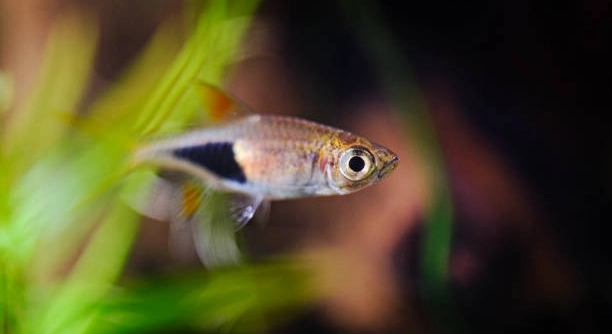
Do you ever notice your rasbora resting at odd angles, sometimes appearing upside down or leaning strangely? These small fish have unique habits that can seem unusual, yet they often reflect natural behaviors in their aquatic environment.
Rasbora may sleep in unusual positions due to factors such as water flow, light levels, and instinctual safety mechanisms. These behaviors allow them to conserve energy, avoid predators, and maintain balance while resting in their habitat.
Understanding why rasbora adopt these positions helps you observe their natural rhythms and ensures their environment supports healthy sleep patterns. Observing these details can improve care and overall fish well-being.
Common Reasons Rasbora Sleep in Odd Positions
Rasbora may rest in unusual positions due to environmental factors and natural instincts. Water flow in the tank can influence how they settle. Strong currents may push them into angled positions, while calmer areas allow more stable resting. Light levels also affect behavior. Dim lighting often encourages deeper rest, while bright lighting can make them hover or cling to surfaces at odd angles. Additionally, instinct plays a role. These fish may position themselves in ways that minimize exposure to potential predators or help them blend into their surroundings. Nutrition and tank setup contribute as well. Poor water quality or sudden changes can cause stress, which may lead to strange sleeping positions. Observing these behaviors consistently helps identify patterns that are normal versus signs of stress or discomfort. Overall, their positions reflect adaptations for comfort, safety, and environmental response, providing insight into their daily needs.
Resting positions vary naturally among individual rasbora, with each fish choosing spots that feel safest and most comfortable.
Monitoring tank conditions, including water flow, light, and quality, is essential for encouraging regular, healthy sleeping behavior. Consistent care helps prevent stress and ensures that your rasbora maintain stable patterns. Observing their positions can guide adjustments to the tank layout, feeding schedule, and environmental enrichment, supporting both their physical health and natural instincts. Recognizing subtle signs in their resting habits allows a more attentive and responsive approach to care, ensuring the fish thrive while displaying their typical behaviors. By tracking patterns over time, you can understand which positions are normal and which may indicate minor issues needing attention. Small adjustments in tank decor or lighting can significantly improve their comfort and well-being, resulting in more relaxed and predictable resting behaviors that reflect a healthy aquatic environment.
Tips to Encourage Comfortable Resting
Provide consistent water conditions, stable temperatures, and gentle currents to help rasbora rest naturally.
Offering hiding spots, low-light areas, and appropriate plant cover encourages more secure and stable sleeping positions. Ensuring the tank mimics their natural environment reduces stress, allowing them to rest without adopting odd or unstable postures. Overcrowding should be avoided, as limited space can force unusual positions. Additionally, maintaining a regular feeding schedule supports energy balance and overall comfort. Keeping decorations and substrate suitable for their size allows rasbora to orient themselves safely and feel secure. Observing interactions among tank mates is also important, as aggressive behavior can disrupt rest and force unusual positions. By combining proper tank management, environmental enrichment, and careful monitoring, you provide conditions that support healthy sleep habits. These adjustments enhance their natural behaviors and allow the fish to rest confidently in positions that reflect comfort rather than stress, improving long-term health and vitality in the aquarium.
Observing Unusual Sleeping Positions
Unusual sleeping positions can indicate stress, illness, or environmental discomfort in rasbora. Regular observation helps identify patterns and potential problems early.
Tracking their positions over time allows you to notice subtle changes. Rasbora may float near the surface, tilt to one side, or wedge themselves between plants or decorations. These positions can be normal if brief, but persistent odd postures often signal a response to water quality, tank setup, or interactions with other fish. Recording the time of day and location helps determine if the behavior aligns with natural resting cycles or indicates stress. Water testing, tank cleaning, and evaluating social dynamics can reveal underlying causes. Small adjustments, such as reducing currents, adding cover, or monitoring feeding, can significantly improve comfort. Understanding their patterns ensures that interventions are appropriate and prevents unnecessary stress while maintaining a healthy environment.
Watching how rasbora react to changes in light, temperature, or tank layout can provide insights into their sleeping preferences and stress tolerance. By noting these details, you can better cater to their needs, supporting natural behavior.
Environmental Adjustments for Better Rest
Adding plants, hiding spots, and calm areas encourages more secure resting positions for rasbora. Consistent water quality and gentle currents support comfort.
Adjusting tank conditions can make a significant difference. Rasbora prefer areas with minimal disturbance, allowing them to rest without feeling exposed. Plants, driftwood, and low-light zones provide shelter and mimic natural habitats, reducing stress and promoting stability. Ensuring proper temperature and pH levels maintains their physiological comfort, while avoiding overcrowding prevents competition for safe spaces. Observing their response to these changes helps determine which modifications are most effective. Over time, these adjustments lead to more predictable and natural resting behaviors, supporting both health and well-being. By creating a stable and enriched environment, rasbora are able to rest confidently, exhibiting positions that reflect comfort rather than tension.
Signs of Stress in Rasbora
Odd sleeping positions can signal stress caused by poor water quality, aggressive tank mates, or sudden environmental changes. Recognizing these signs early allows timely intervention.
Behavior such as hovering near the surface, clinging to decorations, or floating awkwardly may indicate discomfort. Observing patterns consistently helps identify underlying issues affecting rest.
Adjusting Tank Conditions
Maintaining stable water temperature, proper pH levels, and gentle currents encourages rasbora to rest naturally. Providing low-light areas and plants reduces stress, while avoiding overcrowding ensures each fish has a secure space to relax. Monitoring water regularly prevents environmental factors from disrupting sleep patterns.
Feeding and Resting Patterns
Regular feeding schedules help rasbora conserve energy and maintain consistent resting habits. Ensuring meals are balanced supports overall health and reduces stress-related behaviors that can affect their sleeping positions.
FAQ
Why does my rasbora float at an angle while resting?
Rasbora often rest at angles due to water currents, tank layout, or instinctive behavior. Slight tilting can help them conserve energy and stay aware of surroundings. Persistent or extreme angles may indicate stress, water imbalance, or illness, requiring observation and adjustments to their environment.
Is it normal for rasbora to sleep upside down?
Occasional upside-down resting can be natural, especially in calm areas with cover. It can help them remain hidden and feel safe. However, repeated or prolonged upside-down positions may suggest swim bladder issues, poor water quality, or stress from tank mates or sudden environmental changes.
How can I tell if odd sleeping positions are harmful?
Monitor their behavior, feeding, and movement. If rasbora remain in unusual positions for long periods, show reduced activity, or avoid eating, these may be signs of stress or illness. Checking water parameters, tank mates, and overall health can help determine if intervention is needed.
Do tank conditions affect resting positions?
Yes. Water flow, temperature, lighting, and hiding spots directly influence how rasbora sleep. Gentle currents, stable temperatures, dim lighting, and adequate cover encourage natural resting behaviors and reduce stress, leading to more secure and comfortable positions.
Can diet impact how rasbora rest?
A balanced diet supports energy levels and overall health, indirectly affecting resting positions. Overfeeding or poor nutrition can cause discomfort, lethargy, or buoyancy issues, resulting in unusual angles or floating behavior during sleep. Consistent feeding schedules improve stability in rest patterns.
Are all rasbora prone to unusual sleeping positions?
Individual behavior varies. Some rasbora naturally prefer angled or hidden resting spots, while others sleep horizontally. Species differences, tank layout, and social dynamics influence these behaviors, so observing each fish’s normal patterns is key to understanding what is typical versus abnormal.
What should I do if my rasbora shows persistent unusual positions?
First, test water quality, check for temperature fluctuations, and ensure gentle currents. Examine tank mates for aggression and provide additional hiding spots. Adjusting lighting and decorations can help them feel secure. Persistent issues may require veterinary consultation for swim bladder or other health concerns.
Can stress cause unusual sleeping behavior?
Yes. Stress from overcrowding, aggressive tank mates, sudden environmental changes, or poor water conditions often leads to irregular resting positions. Observing stress signals like rapid swimming, hiding, or loss of appetite helps identify underlying causes to correct.
How important is observation for maintaining rasbora health?
Regular observation is essential. Monitoring sleeping positions, feeding, and interactions ensures timely detection of issues. Recognizing normal patterns versus signs of discomfort helps maintain optimal tank conditions, supports natural behavior, and reduces the risk of illness or long-term stress.
Do hiding spots really make a difference?
Absolutely. Plants, rocks, and driftwood offer security and reduce exposure to perceived threats. This encourages stable resting positions, lowers stress levels, and allows rasbora to exhibit natural behaviors. Properly arranged cover enhances both comfort and overall health.
How do lighting levels influence sleep?
Bright light can make rasbora restless, causing hovering or angled positions. Low or dim lighting simulates natural conditions, promoting calm and stable resting behavior. Gradual light transitions also prevent sudden disturbances that may disrupt sleep.
Can multiple factors combine to affect resting positions?
Yes. Water quality, temperature, lighting, diet, tank layout, and social interactions all interact to influence sleeping behavior. Understanding how each factor contributes helps create an environment where rasbora can rest naturally, safely, and comfortably without stress.
How long should rasbora typically rest?
Rasbora usually rest throughout the day in short intervals, often becoming more still during low-light periods. Duration varies by individual, activity level, and environmental conditions. Consistent patterns indicate health, while irregular or prolonged unusual positions may signal issues.
Can unusual positions ever be harmless?
Yes. Some positions, like leaning against plants or floating at a slight angle, are natural resting habits. Observing their regularity, duration, and accompanying behaviors helps distinguish harmless quirks from signs of concern.
What simple changes improve sleeping comfort?
Adjusting water flow, adding plants or decorations, maintaining consistent lighting, feeding properly, and avoiding overcrowding all help. Small, thoughtful changes can significantly reduce stress, encourage natural positions, and support overall rasbora well-being.
This FAQ provides a detailed understanding of why rasbora may sleep in unusual positions, covering environmental, dietary, and behavioral factors that affect their resting habits.
Final Thoughts
Rasbora are small, active fish with distinct resting habits that can sometimes appear unusual to observers. Their sleeping positions, including tilting, floating at angles, or occasionally resting upside down, are often natural behaviors influenced by their environment, instincts, and comfort needs. While these positions may seem strange, they generally reflect the fish’s methods of conserving energy, staying safe, and responding to the surroundings. Maintaining a stable tank environment with appropriate lighting, gentle currents, and adequate hiding spaces helps rasbora exhibit their natural resting patterns. Observing their behavior over time allows you to differentiate between normal habits and signs of stress or discomfort. Simple adjustments, such as rearranging plants, providing low-light areas, or moderating water flow, can significantly improve their comfort and reduce the occurrence of extreme or prolonged unusual positions. Understanding these patterns contributes to a healthier and more harmonious tank environment for both the fish and those caring for them.
Consistent observation is an essential part of rasbora care. By noting when and where they rest, how they interact with other fish, and how environmental factors influence their positions, you gain valuable insight into their overall well-being. Unusual sleeping behavior can indicate potential issues, such as water quality imbalances, temperature fluctuations, or social stress within the tank. Tracking these details helps identify patterns and make informed adjustments to maintain optimal living conditions. A balanced diet and regular feeding schedule also support energy management and overall health, which in turn affect resting habits. Rasbora rely on a sense of security to rest confidently, and small interventions like adding additional cover or reducing disturbances in the tank can improve their comfort. Over time, attentive care and observation help ensure that their resting behavior is a reflection of normal, healthy routines rather than stress-related responses.
Recognizing and understanding rasbora sleeping behavior also deepens the connection between the caretaker and the fish. Observing subtle changes in posture, activity levels, or preferred resting locations provides insight into their needs and preferences. While some unusual positions are harmless quirks, persistent odd behaviors should be addressed to prevent potential health or environmental issues. Maintaining proper water quality, suitable temperature, gentle currents, and appropriate tank layout allows the fish to feel safe and secure while resting. Thoughtful monitoring, combined with timely interventions when needed, creates a supportive environment that encourages natural behavior and well-being. Ultimately, caring for rasbora includes respecting their unique habits, providing a stable and enriching environment, and remaining attentive to their subtle signals. These practices promote not only healthy resting habits but also a thriving, balanced aquarium where rasbora can live comfortably and exhibit their natural behaviors.

Hello,
If you enjoy the content that we create, please consider saying a "Thank You!" by leaving a tip.
Every little bit helps us continue crafting quality advice that supports the health, happiness, and well-being of pets around the world, for pets of all shapes, sizes, and species.
We really appreciate the kindness and support that you show us!