
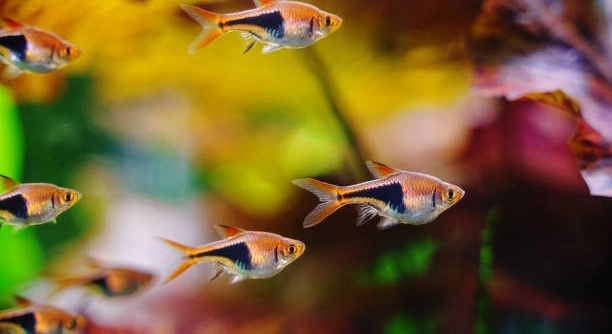
Do you ever find yourself admiring your rasboras but noticing they scatter instead of swimming gracefully together in a school? Their behavior may seem random, yet there are ways to encourage their natural instinct to move as one.
Encouraging rasbora schooling involves creating an environment that promotes safety, comfort, and consistency. Factors such as tank size, lighting, water conditions, and appropriate companions play a direct role. When properly addressed, these conditions increase the likelihood of strong, healthy schooling behavior.
A balanced tank setup and mindful care can transform the way your rasboras interact, revealing their true beauty and group harmony.
Provide Enough Swimming Space
Rasboras need open swimming areas to feel secure enough to school together. A cramped tank makes them scatter, while larger spaces help them move naturally in unison. A tank of at least 20 gallons is often recommended for smaller species, with more space being even better. Decorations and plants should be arranged thoughtfully to leave clear, open areas in the middle where the group can swim freely. If too many objects block their path, rasboras may hesitate to form schools. Keeping open swimming zones encourages confidence, helping them display their natural behavior more often and more beautifully.
A spacious aquarium not only benefits your rasboras but also improves their overall health. When they have room to move freely, stress levels decrease, and their colors often appear brighter. A well-sized tank gives them the comfort they need to feel safe while schooling naturally.
By observing their swimming behavior, you will notice how strongly environment shapes their schooling patterns. A tank that balances plants for shelter and space for movement offers them the freedom to swim together as they would in the wild. With enough room, rasboras are far more likely to show consistent schooling behavior daily.
Maintain Stable Water Conditions
Stable water conditions are key to keeping rasboras healthy and comfortable enough to swim together. Fluctuations in temperature or water quality can make them scatter, reducing their natural tendency to school in groups.
Consistency in water parameters should always be a priority. Rasboras thrive when the water temperature is kept between 74–78°F, with a slightly acidic to neutral pH level around 6.0–7.0. Regular water testing ensures these conditions remain steady. Frequent partial water changes prevent harmful buildup of ammonia, nitrites, and nitrates, which can quickly affect their behavior. Clean, well-filtered water allows them to feel safe and secure in their environment. Stability is the main factor here—rasboras dislike sudden changes. Even minor fluctuations may lead to stress, causing them to swim erratically rather than forming schools. When water quality is consistent and stable, rasboras gain the confidence to display strong schooling habits, enhancing both their well-being and the visual harmony of your aquarium.
Choose Peaceful Tankmates
Rasboras thrive best when kept with calm and peaceful species. Aggressive or overly active fish can cause stress, making rasboras scatter instead of schooling. Ideal tankmates include tetras, corydoras, and small gouramis that respect their swimming space.
When choosing companions, it is important to avoid fin-nippers or territorial fish. These disrupt schooling behavior by creating constant tension in the tank. Rasboras are naturally gentle, and they prefer the company of other calm fish that allow them to feel safe. The presence of similar-sized, non-threatening species encourages them to swim together more confidently. By carefully selecting tankmates, you create a low-stress environment that allows rasboras to display their best behavior. This harmony also makes the aquarium more enjoyable to watch, as the group moves naturally as one.
A mixed but peaceful community setup strengthens their confidence. Instead of hiding or scattering, rasboras learn to trust their environment, which results in consistent and natural schooling. With the right tankmates, they maintain their rhythm, showcasing their unique group behavior daily. This balance supports not only their mental comfort but also their overall health, making the entire aquarium feel calmer and more stable.
Keep Lighting Moderate
Lighting that is too bright makes rasboras uneasy, while very dim lighting can limit activity. Moderate, balanced lighting helps them feel safe and more likely to gather in schools. It also allows them to display their natural colors effectively.
Natural behavior in rasboras is closely tied to how secure they feel. Harsh lighting makes them nervous, often leading them to scatter toward cover, breaking their natural schooling. Using adjustable aquarium lights is a practical way to regulate intensity, creating a setting that closely resembles their natural habitat. Adding floating plants can also help diffuse the brightness, giving them shaded spots while still leaving open space. By combining moderate lighting with cover, you create the balance rasboras need. This approach keeps them active and more willing to swim in unison, strengthening their schooling behavior in a way that looks natural and stress-free.
Keep Group Sizes Larger
Rasboras feel most secure when kept in larger groups. A small number can leave them stressed and scattered, while bigger schools encourage confidence. Keeping at least six to eight together helps them naturally form tighter, more synchronized groups.
The more rasboras you keep, the stronger their schooling instinct becomes. Larger groups reduce fear, making them more active and colorful. When surrounded by their own kind, they feel safer and display their natural behaviors. This creates a healthier and more vibrant aquarium environment overall.
Provide Hiding Spots
Hiding spots are essential for rasboras to feel safe. Plants, driftwood, and caves give them shelter when they sense danger. Once secure, they return to open space and school more often. Balanced coverage encourages comfort without reducing swimming areas.
Offer Consistent Feeding
Feeding rasboras on a schedule helps them feel secure. A mix of quality flakes, micro-pellets, and live or frozen foods encourages natural activity. Routine feeding reduces stress, and comfortable fish are more likely to swim together in steady, organized groups.
FAQ
How many rasboras should be kept together for proper schooling?
Rasboras thrive in groups, and a minimum of six to eight is necessary for them to feel secure. Smaller groups often leave them stressed, resulting in scattered swimming instead of synchronized schooling. In larger numbers, they display more natural, confident, and active group behavior. For best results, many aquarists keep ten or more, as this creates stronger bonds and smoother movement within the group. The sense of safety provided by larger numbers encourages them to swim together more often, making the aquarium more vibrant and lively overall.
Can rasboras school with other species?
Rasboras may occasionally swim alongside other small, peaceful fish like tetras, but true schooling happens primarily with their own kind. Their natural instinct is strongest when surrounded by fellow rasboras. While they can coexist peacefully with other community fish, they generally will not form tight schools with them. Keeping enough rasboras together ensures their natural schooling instinct shows clearly. Other fish may join in loosely, but for synchronized, unified swimming, it is best to focus on having a larger group of rasboras in the aquarium.
What tank size is best for rasbora schooling?
Tank size directly affects how well rasboras can school. For smaller species such as harlequin rasboras, a 20-gallon tank provides enough space. Larger species may require 30 gallons or more to swim comfortably. Open swimming space is crucial, so arranging plants and decorations along the sides and back works best. This leaves the center open for group movement. A larger tank reduces stress, gives them freedom to display natural behaviors, and helps maintain water stability. The extra room ensures they can school without feeling cramped, resulting in a healthier and more active group dynamic.
Do rasboras stop schooling when stressed?
Yes, stress is one of the main reasons rasboras stop schooling. Stress may come from poor water conditions, aggressive tankmates, or sudden environmental changes. Instead of swimming together, stressed rasboras may hide, scatter, or swim erratically. Restoring calm conditions helps them regain confidence. Stable water parameters, peaceful companions, and consistent feeding routines all reduce stress. Once they feel secure again, they naturally return to schooling. Observing changes in their swimming patterns is often the first sign of stress, making it important to address the issue quickly for their health and behavior to return to normal.
Can lighting affect rasbora schooling?
Lighting has a direct impact on how rasboras behave. Bright lighting often makes them nervous, pushing them toward plants or corners. When the lighting is too dim, they may appear less active. Balanced lighting creates a sense of safety and encourages them to gather together. Adding floating plants helps by softening brightness while still leaving space open. Adjustable lighting allows you to set the intensity according to their comfort. With proper lighting, rasboras not only school more often but also show brighter colors, making the aquarium look healthier and more natural overall.
What role does diet play in schooling behavior?
Diet influences both energy levels and comfort. A healthy, varied diet of flakes, pellets, and occasional live or frozen food keeps rasboras active. Poor nutrition can lead to lethargy, reducing their natural activity, including schooling. Feeding them consistently also helps build security, as they expect food at regular times. This stability reduces stress, encouraging them to swim together more naturally. High-quality foods also enhance coloration, making their group movements even more striking. Proper feeding practices not only support their health but also make their natural behaviors more visible in the aquarium environment.
Are rasboras good for beginners who want schooling fish?
Yes, rasboras are an excellent choice for beginners. They are hardy, adaptable, and peaceful, making them easy to care for. Their natural schooling behavior is both fascinating and beautiful to watch. As long as they are kept in suitable groups, in stable water conditions, and with proper tankmates, they display strong schooling instincts. Beginners find them rewarding because they are active yet not demanding. With the right setup, even new aquarists can enjoy the beauty of synchronized swimming. Their resilience and easygoing nature make them a reliable introduction to keeping schooling fish successfully.
Why do rasboras sometimes scatter instead of schooling?
Scattering usually means they feel unsafe or stressed. This could result from sudden movements outside the tank, aggressive tankmates, or unstable water conditions. In smaller groups, scattering is also more common since they do not have enough companions to feel secure. Providing a larger group, consistent care, and calm surroundings reduces this behavior. Once rasboras regain their sense of safety, they naturally return to swimming together. Paying attention to their environment and quickly correcting problems helps maintain their schooling behavior and ensures they remain comfortable in their home.
Can rasboras be kept in planted tanks?
Yes, planted tanks are excellent for rasboras. Plants offer both shelter and comfort, helping them feel secure. Tall plants around the edges create hiding spots, while open areas in the center provide schooling space. This combination mimics their natural habitat. Live plants also improve water quality by absorbing nitrates and providing oxygen. The presence of plants softens lighting and reduces stress, which further encourages rasboras to swim together in groups. A thoughtfully planted tank allows them to balance hiding when they feel threatened with returning to open space to school when comfortable.
What signs show that rasboras are schooling properly?
When rasboras school properly, they swim close together in the same direction, maintaining a smooth, synchronized rhythm. Their colors appear brighter, and their movements seem calm and confident rather than frantic. They spend more time in the open areas of the tank, which shows they feel safe. If they scatter often, hide excessively, or appear restless, something in their environment may be off. Proper schooling indicates that conditions are right, stress is minimal, and the group feels secure. This behavior is a reliable sign of their comfort and overall well-being in the aquarium.
Final Thoughts
Encouraging rasbora schooling comes down to creating the right balance in their environment. These fish are naturally drawn to swim together, but they need the right conditions to feel safe and confident. Space, water quality, lighting, and companionship all play a direct role in how they behave. When these factors are stable, rasboras display their natural rhythm, swimming in smooth, synchronized groups that enhance the beauty of the aquarium. It is not about forcing behavior, but instead supporting what they are already inclined to do. A well-thought-out setup gives them comfort, while also making their natural instincts shine through.
Watching a healthy school of rasboras brings both calmness and movement to the aquarium. Their synchronized swimming creates a sense of harmony that reflects the balance in their care. A larger group, consistent feeding, and peaceful surroundings all reinforce their sense of safety. Even small adjustments, like softening light or providing hiding spots, can shift their behavior toward stronger schooling. Over time, you begin to notice how their environment shapes their actions, and how much they rely on stability. When they swim confidently as a group, it is a clear sign that you are meeting their needs. It is a reminder that proper care always results in natural, rewarding behavior.
The beauty of rasboras lies not only in their colors but also in their movement together. Creating the conditions for schooling is both practical and rewarding, as it supports their health while also giving you a more vibrant aquarium. Each detail, from tank size to the choice of companions, plays a role in shaping their comfort. By focusing on stability and balance, you encourage them to show their true behavior. In return, they give you a display of unity and grace that feels effortless. Final care is not about complexity but about paying attention to the small things that matter most. With consistent effort, your rasboras thrive, and their natural schooling becomes a centerpiece of your tank. The result is a calm, balanced environment where both you and your fish can enjoy the benefits of thoughtful care.

Hello,
If you enjoy the content that we create, please consider saying a "Thank You!" by leaving a tip.
Every little bit helps us continue crafting quality advice that supports the health, happiness, and well-being of pets around the world, for pets of all shapes, sizes, and species.
We really appreciate the kindness and support that you show us!