
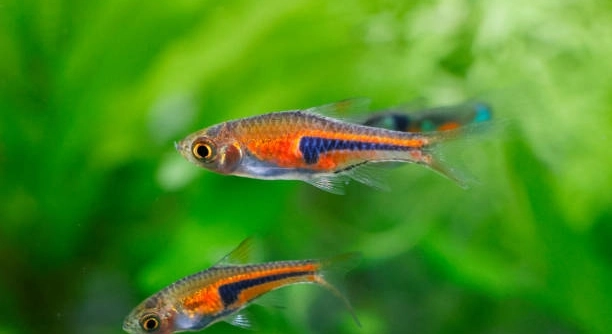
Have you ever watched your rasboras swim gracefully and wondered if they enjoy exploring different areas of their tank environment each day? These small, lively fish often display behaviors that hint at curiosity and movement across layers.
Rasboras are naturally inclined to explore various tank layers due to their social and active nature. While they typically favor the middle level, they also move to upper and lower areas when foraging, socializing, or adjusting to environmental conditions.
Understanding their movement habits can help you create a tank setup that keeps them both stimulated and comfortable in every layer. Would you like me to continue writing the next section of the article in the same style?
Why Rasboras Explore Different Tank Layers
Rasboras are small schooling fish that thrive in groups and love to stay active. Their natural behavior is to swim mostly in the middle layer of the tank, but that doesn’t mean they stay there all the time. They often explore the upper and lower areas, especially when searching for food, checking out their surroundings, or adjusting to changes in light or water flow. Observing their movement across layers can be a sign that they feel comfortable in their environment. A healthy rasbora group will display this activity with confidence and curiosity.
The way rasboras move across the tank is a reflection of their natural instincts. They are used to open waters in the wild, which is why they shift from layer to layer when something catches their interest.
Creating the right environment for rasboras is important if you want to encourage them to use the whole tank. When you include floating plants, open swimming spaces, and hiding areas near the bottom, you allow them to feel secure as they explore. Food placement also plays a role. If food is spread across different parts of the tank, rasboras will move from top to bottom in search of it. Balanced lighting and calm water flow are also key factors. When these conditions are met, rasboras will happily move through multiple layers instead of staying in one zone. Watching this activity can be rewarding and also give you clues about their overall health.
How Tank Setup Influences Rasbora Behavior
A well-planned tank setup encourages rasboras to show their natural behaviors. When the space feels safe, they are more likely to explore across layers.
Aquascaping plays an important role in how rasboras use the tank. Plants at different levels create natural boundaries while still leaving room for open swimming. Floating plants can make the top layer less intimidating, while rooted plants and driftwood provide resting and hiding spots near the bottom. This mix of open and covered spaces builds comfort, allowing rasboras to move freely. The placement of food also helps stimulate exploration. If food consistently falls to the same level, rasboras may limit themselves. However, offering small amounts that reach different layers keeps them active. Water conditions should also be stable, with gentle currents that mimic their natural habitats. When all these elements are balanced, you’ll notice your rasboras confidently shifting from top to bottom, which signals both security and health.
Signs Your Rasboras Are Exploring Properly
Healthy rasboras often move smoothly between layers, showing short bursts of speed followed by calm gliding. When they feel secure, their colors look brighter, and they maintain tight schooling patterns, shifting direction together with ease.
You might notice your rasboras exploring the top layer when food is present or darting upward if the lighting is soft and not too harsh. At the same time, they may visit the bottom layer when there are plants or structures offering cover. Balanced activity across these zones usually shows that your tank setup suits their needs and keeps them engaged.
If rasboras appear only in one layer for long periods, it could signal stress, poor water conditions, or a lack of environmental variety. Lethargy, faded colors, or breaking away from their school are also signs of discomfort. Observing these behaviors closely helps you adjust tank conditions before the situation affects their health.
Encouraging Exploration Through Tank Adjustments
Adding variety to your aquarium helps rasboras feel secure and motivated to move. Plants, driftwood, and floating covers all create balance, letting them use the whole space without feeling exposed or stressed by open water.
A good mix of plant coverage and open swimming areas creates a comfortable layout. Floating plants dim the light above, making rasboras confident enough to reach the top layers. Mid-level plants encourage natural schooling in the center, while rooted plants or caves provide safe retreats near the bottom. Along with these, gentle water flow mimics natural habitats, preventing stagnant areas and giving them stimulation without overwhelming currents. Changing feeding patterns also encourages exploration. Occasionally offering food that spreads into different layers keeps them active across the tank. These adjustments not only improve their comfort but also help you see their full range of natural behaviors every day.
Common Mistakes That Limit Exploration
Overcrowding the tank can make rasboras feel stressed and less likely to move across layers. Limited swimming space reduces their confidence, causing them to cluster in one zone instead of spreading out naturally through the tank.
Strong currents can also discourage exploration. If the filter flow is too powerful, rasboras may struggle to swim comfortably, avoiding certain areas. A calmer setup allows them to explore freely without exhaustion.
Best Tank Mates for Active Rasboras
Choosing peaceful tank mates helps rasboras feel secure enough to move around. Avoid aggressive fish that may chase them into hiding or force them to stay in one zone. Small, non-aggressive species like tetras, guppies, or corydoras work well. These companions complement their activity without adding stress.
Observing Behavior Closely
Watching how rasboras interact with their environment gives insight into their comfort. When they show balanced movement across layers, it usually means the tank conditions support their natural instincts and provide enough variety for healthy exploration.
FAQ
Do rasboras stay in just one part of the tank?
Rasboras are most often seen in the middle layer, but they don’t remain there all the time. They swim upward when food is offered or lighting is comfortable, and they visit the bottom if cover or hiding spaces are available. Balanced movement usually shows that they feel secure.
Why do my rasboras avoid the bottom of the tank?
Avoiding the bottom layer is common when there are no plants, caves, or decorations providing cover. The open space can feel unsafe for them, so they prefer to stay higher up. Adding natural hiding spots near the substrate encourages them to use that area more confidently.
Can poor water quality affect how rasboras explore?
Yes, water quality plays a big role in their behavior. Ammonia spikes, unstable pH, or dirty water can make rasboras stressed, pushing them to limit their movement. When conditions are clean and stable, they will display natural, active swimming patterns across layers.
How many rasboras should be kept together?
Rasboras thrive best in groups of at least six to eight. They are schooling fish, and being in a group gives them confidence to move around freely. Smaller groups may cause stress, leading to hiding, pale colors, or limited exploration across the tank.
Do rasboras need floating plants?
Floating plants are not required, but they make a noticeable difference. The shade helps rasboras feel safe enough to swim near the surface, and the cover reduces harsh lighting. Without floating plants, they may avoid the top layer and stick to the middle.
Why do my rasboras swim only at the top?
If rasboras remain only near the top, it might mean oxygen levels are low in deeper layers, or water conditions below are uncomfortable. It can also happen if feeding is always done at the surface. Checking water quality and spreading food helps balance their behavior.
Can tank mates stop rasboras from exploring?
Yes, aggressive or overly active tank mates can intimidate rasboras. Fish that chase, nip fins, or dominate space make them feel unsafe. Peaceful companions like tetras, guppies, and bottom dwellers encourage them to stay active in all layers without fear of harassment.
Why do rasboras sometimes separate from the school?
Breaking away from the group is not always a problem. Sometimes individuals wander briefly to explore or feed. However, if one fish consistently avoids the school, looks pale, or shows weakness, it may be stressed or unwell and need closer observation.
Do rasboras get bored with their tank setup?
They don’t get bored in the human sense, but a plain, empty tank can limit their activity. Without plants, driftwood, or open swimming zones, they have fewer reasons to explore. A varied layout keeps them stimulated and more willing to shift through layers.
What role does lighting play in their exploration?
Lighting strongly affects how rasboras use their tank. Bright, harsh lights can make them feel exposed, leading them to stay lower. Softer lighting, or shade from floating plants, allows them to use the upper and middle layers more comfortably. Balanced lighting encourages full activity.
How can I tell if my rasboras are stressed?
Signs of stress include dull colors, frantic swimming, refusal to eat, or staying in one small area. They may also scatter instead of schooling. Identifying these changes early and improving conditions helps restore their natural balance and exploration habits.
Do rasboras explore more when young or old?
Young rasboras are often more active and curious, darting through layers with energy. Older ones may slow down slightly but still enjoy moving across the tank if conditions are right. A safe, well-planned setup benefits both ages equally and keeps them engaged.
Will rasboras explore during nighttime?
Rasboras are diurnal, meaning they are most active during the day. At night, they rest quietly in calmer zones, often near plants or the substrate. While they do not explore much in the dark, proper day-night cycles support their natural rhythm.
Is it normal for rasboras to explore more after feeding?
Yes, feeding times trigger more movement across the tank. They chase food at the surface, follow sinking pieces downward, and sometimes dart quickly between layers. This extra activity is normal and helps confirm that your rasboras are alert and healthy.
Can water flow encourage exploration?
Gentle water flow promotes exploration by mimicking natural streams. Rasboras enjoy swimming against light currents, which keep them active. However, strong currents can overwhelm them, causing avoidance of certain areas. Balancing flow creates a healthier environment and encourages full use of the tank.
Why do rasboras sometimes hide instead of exploring?
Hiding is normal if they are startled, if the tank is new, or if conditions are not yet stable. They may also retreat when tank mates are aggressive. With time, a calm environment and proper setup help them return to active exploration.
Final Thoughts
Rasboras are peaceful, active fish that bring constant movement to an aquarium. Their natural tendency is to spend most of their time in the middle layer, but that does not mean they ignore the other areas of the tank. When conditions are right, they explore the surface and bottom zones with curiosity, showing their comfort and trust in the environment. Watching these shifts between layers can be both enjoyable and helpful, as it gives clear signs about their health and happiness. A tank that allows rasboras to move freely across levels is one that mirrors their natural behaviors.
The way you design and maintain the aquarium has a strong influence on how rasboras behave. A balanced setup with floating plants, open swimming areas, and shaded hiding spots provides security without limiting space. These elements encourage them to swim from top to bottom without hesitation. Food distribution also plays an important role. If all the food remains on the surface, rasboras may never explore further down. By letting some food sink or spreading it through the water column, you give them a reason to use every part of the tank. When water quality is stable and the flow is gentle, their confidence grows, and they display a full range of natural activity.
Observing your rasboras closely is the best way to understand them. Their movements tell you more than you might expect. A healthy school will move smoothly, shift layers with ease, and remain close together while showing bright colors. If they seem stuck in one zone, appear pale, or hide for long periods, it may be a signal that something is unbalanced in the tank. Adjusting conditions, adding variety, or rethinking tank mates can quickly improve their behavior. Rasboras thrive in an environment that feels safe, balanced, and stimulating. When these needs are met, they reward you with their natural grace, filling the aquarium with energy and calm beauty at the same time. In the end, creating a space where rasboras feel comfortable exploring every layer is not only good for them but also makes your aquarium more vibrant and rewarding to watch.

Hello,
If you enjoy the content that we create, please consider saying a "Thank You!" by leaving a tip.
Every little bit helps us continue crafting quality advice that supports the health, happiness, and well-being of pets around the world, for pets of all shapes, sizes, and species.
We really appreciate the kindness and support that you show us!