
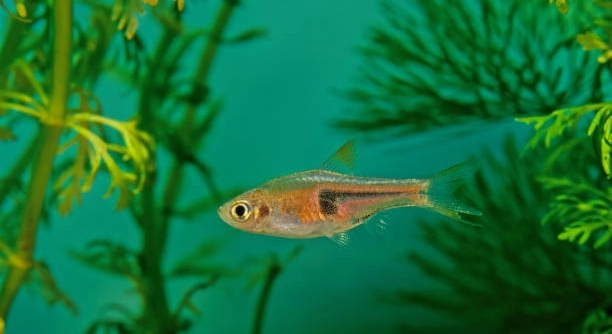
Rasboras are small, peaceful fish that enjoy calm and secure environments. They thrive in aquariums that mimic natural habitats, where plants and decorations offer protection and comfort for daily activities and social interactions.
Rasboras require additional hiding spots during times of stress, illness, breeding, low water levels, aggression from tank mates, sudden environmental changes, or when new members are introduced. These shelters help reduce anxiety and support overall health and natural behaviors.
Providing these extra spaces ensures that your rasboras feel safe and encourages natural behaviors, maintaining a balanced and harmonious aquarium environment for all.
Stressful Situations
Rasboras are sensitive to stress, and too much tension can affect their health and behavior. When the aquarium environment changes suddenly, they may become skittish or hide constantly. Stressful situations can include water parameter fluctuations, loud noises, or frequent handling. Providing additional hiding spots helps them feel secure. Plants, rocks, and small caves act as shelters where they can retreat when feeling uneasy. During these times, rasboras may display subdued colors or reduced activity. Observing their behavior is essential to ensure the tank remains a safe space. Even minor changes in the tank, such as rearranging decorations or adding new equipment, can trigger stress responses. Allowing them time to adapt in a protected environment reduces tension. Proper maintenance and monitoring of water quality are also crucial. Hiding spots not only alleviate stress but support natural behaviors and social interactions. With patience and attention, rasboras will gradually regain confidence in their surroundings, contributing to a healthy and balanced aquarium.
Stress reduction is key to maintaining active and healthy rasboras, helping them thrive in a stable environment with sufficient shelter.
Regularly adding new plants or structures can prevent stress before it escalates, ensuring their long-term well-being. Observing which hiding spots they prefer helps optimize the tank layout.
Illness or Weakness
When rasboras fall ill or feel weak, they often isolate themselves. Hiding spots provide a safe place for recuperation without interference from other fish. Small caves, dense plants, or shaded corners allow them to rest comfortably and avoid unnecessary movement that could worsen their condition. Isolation also helps prevent the spread of disease in community tanks, as affected fish remain separated naturally. During illness, rasboras may reduce eating or display erratic swimming. Providing extra shelters ensures they can regain strength at their own pace. Supplementing with appropriate diet and maintaining water quality are essential alongside hiding spaces. Observing their recovery in these safe areas allows for timely intervention if symptoms persist. Consistent monitoring helps track improvements, and adjusting hiding spot availability can accommodate changes in behavior or energy levels. Supporting fish through illness with adequate shelter enhances survival and encourages natural behaviors during recovery periods. Creating multiple secure areas benefits both individual and group health in the aquarium.
Hiding spots during illness support recovery, reduce stress, and prevent further health complications for weaker rasboras.
Ensuring accessibility and comfort in these shelters encourages feeding, rest, and natural behaviors during recuperation.
Breeding Periods
During breeding, rasboras seek secluded areas to lay eggs and protect fry. Dense plants or small caves are ideal for this purpose, reducing stress and improving breeding success. Providing multiple hiding spots ensures both adults and fry feel secure.
Breeding rasboras become more territorial and cautious, often avoiding open spaces. They prefer sheltered areas to deposit eggs, where eggs are less likely to be eaten. Dense foliage, moss, or small decorative caves offer protection and mimic natural spawning environments. Maintaining stable water conditions and providing proper nutrition further supports the breeding process. Observing their behavior during this period can help adjust hiding spots to meet changing needs, as adults may shift locations depending on perceived safety. These measures increase survival rates and reduce aggressive interactions.
After eggs are laid, fry require extra protection. Additional hiding spots allow young fish to explore without being exposed to adults or other tank mates. Shaded corners, fine-leaved plants, and small caves provide security, encouraging healthy growth. Careful placement of these shelters ensures fry can access food while remaining safe. Regular observation helps identify overcrowded areas or spots that may need more cover. Balancing adult and fry hiding spaces maintains harmony in the tank. Providing multiple secure areas reduces stress and supports natural behaviors for both adults and juveniles during the breeding period.
Aggression from Tank Mates
Aggression from other fish can make rasboras retreat frequently. Hiding spots act as safe zones where they can escape attacks and avoid confrontation.
Rasboras are peaceful fish that can become targets of larger or more aggressive tank mates. Dense plants, caves, and overhangs allow them to retreat quickly and regain composure. Observing the interactions between species is important to determine whether additional shelters are necessary. Overcrowded or poorly structured tanks increase stress and aggression, making adequate hiding spaces essential. Multiple secure areas prevent dominant fish from controlling the entire tank, ensuring weaker individuals have safe retreats. Adjusting the layout and monitoring behavior helps maintain a balanced community and reduces injury risks.
Providing hiding spots not only reduces immediate stress but also encourages natural schooling behavior. Rasboras feel safer moving together when they know escape routes exist. Shelters also help establish territory without conflict, allowing all fish to coexist peacefully. Regularly evaluating the tank layout ensures that hiding areas remain effective as fish grow or social dynamics change. Creating layered environments with plants, rocks, and caves supports both passive and active members of the community. This balance promotes a calmer atmosphere, improves overall health, and allows rasboras to display natural behaviors without constant fear of aggression.
Low Water Levels
Low water levels can make rasboras feel exposed and vulnerable. Providing hiding spots helps them feel secure while they adjust to the reduced space.
Shelters like dense plants, caves, and overhangs give rasboras places to retreat, reducing stress and preventing panic behavior when water levels are lower than usual.
Environmental Changes
Sudden environmental changes, such as temperature fluctuations or new lighting, can unsettle rasboras. Hiding spots allow them to stay calm and avoid unnecessary stress while acclimating to the altered conditions. Maintaining stable water parameters alongside shelters supports their overall well-being.
Introduction of New Members
Adding new fish can disrupt established social structures. Hiding spots give rasboras safe areas to avoid potential confrontations and adjust at their own pace.
FAQ
Why do rasboras need hiding spots even in a peaceful tank?
Even in calm environments, rasboras benefit from having places to retreat. Hiding spots reduce stress, mimic natural habitats, and allow fish to feel secure while exploring or resting. Without shelter, they may become skittish, avoid swimming freely, or show dull colors, signaling discomfort. Providing plants, caves, or decorative structures gives them the choice to retreat when needed. This creates a sense of safety that encourages natural behavior, helps maintain stable social dynamics, and supports overall health in the aquarium. Small adjustments to the tank layout can make a significant difference in their daily comfort.
How many hiding spots are enough for a typical group of rasboras?
The number of shelters depends on tank size, population, and individual fish behavior. Generally, one hiding spot per two to three fish is a good baseline. Overcrowding can increase stress, so more shelters are better than too few. Providing a mix of tall plants, low caves, and shaded corners ensures that shy individuals have adequate protection. Observing how fish use these areas helps determine if additional spots are needed. Multiple retreat options prevent competition over a single safe zone and allow all rasboras to feel secure simultaneously, maintaining a harmonious environment for the group.
What types of hiding spots work best for rasboras?
Rasboras appreciate natural-looking shelters. Live or artificial plants, moss, driftwood, and small rock caves work well. Dense foliage provides cover, while open caves or tunnels allow them to move freely without feeling exposed. Avoid sharp decorations that could injure fins. Layering different heights and textures helps replicate their natural habitat, supporting exploration and reducing stress. Floating plants can also create shaded areas, offering additional security. Changing hiding spots occasionally keeps the environment stimulating and encourages natural behaviors, such as schooling and foraging, while still allowing the fish to feel protected.
Can hiding spots prevent aggression in community tanks?
Yes, hiding spots help reduce conflict. Shy or smaller fish can retreat from dominant tank mates, preventing injury and stress. Multiple shelters allow all fish to establish personal space without constant confrontation. Observing interactions can guide the placement of additional covers to minimize territorial disputes. Strategic distribution of hiding areas across the aquarium ensures that aggressive fish cannot monopolize the entire tank. This supports balanced social structures, allows passive species to thrive, and encourages peaceful coexistence.
Do rasboras need hiding spots during breeding?
Absolutely. During breeding, adults often become more cautious, and fry need protection. Dense plants, moss, and small caves offer secluded areas to lay eggs and shelter young fish. Providing multiple hiding spots ensures that adults and fry can coexist safely without interference. Shelters reduce stress, prevent eggs or fry from being eaten, and create an environment where natural breeding behaviors are expressed. Observing how the fish use these areas helps adjust the tank layout, supporting higher survival rates and promoting healthy growth of juveniles while maintaining adult comfort.
How do I know if my rasboras are using hiding spots enough?
Fish behavior is a key indicator. If rasboras frequently retreat or linger in shaded areas, it shows they value the shelters. Occasional hiding during stressful times is normal, but consistent avoidance of open areas could indicate insufficient cover. Watching schooling patterns, activity levels, and color vibrancy can help determine if hiding spots are meeting their needs. Ensuring multiple shelters are available and accessible allows shy individuals to feel safe without isolating themselves entirely. Adjusting placement or adding new structures can improve overall comfort and promote natural swimming and social behaviors.
Can too many hiding spots be a problem?
While extra shelters are generally beneficial, overcrowding the tank with obstacles can limit swimming space and reduce oxygen circulation. Balance is key: provide enough cover for safety but maintain open areas for movement and interaction. Observing fish behavior helps determine if the current setup supports comfort without restricting activity. A well-structured tank with layered hiding spots encourages exploration, schooling, and healthy exercise, while preventing stress from overcrowding or exposure. Proper placement of shelters ensures a harmonious environment where all rasboras can thrive naturally.
Are live plants better than artificial ones for hiding spots?
Live plants offer benefits beyond cover, such as oxygenation and water filtration. They create natural textures that encourage exploration and mimic natural habitats. Artificial plants can also be effective, especially when they provide dense coverage or are designed for delicate fins. A combination of both types often works best, balancing aesthetics, practicality, and safety. Choosing plants with varied heights and leaf shapes ensures multiple retreat options and maintains a healthy, stimulating environment for rasboras. Monitoring plant growth and maintenance ensures hiding spots remain functional and safe over time.
How often should hiding spots be rearranged?
Occasional rearrangement can refresh the environment, encouraging natural behavior and reducing boredom. However, frequent changes can cause stress. Rearrange slowly and observe fish reactions to ensure they remain comfortable. Adjustments may be needed when adding new fish, modifying tank décor, or changing plants. Maintaining some familiar shelters while introducing new ones provides security while keeping the tank stimulating. Careful planning prevents disruption and supports both exploration and safety, ensuring rasboras feel protected and engaged.
Do hiding spots improve overall health?
Yes. Shelters reduce stress, which directly impacts immunity, growth, and activity levels. Feeling safe encourages normal swimming, feeding, and social behaviors, supporting long-term health. Adequate hiding spots also prevent injuries from aggression, allow recovery during illness, and promote successful breeding. Maintaining well-placed and safe retreats contributes to a balanced, low-stress environment that enhances overall well-being. Observing how fish interact with shelters helps ensure the tank meets their physical and psychological needs, creating a stable and thriving aquatic habitat.
Total word count: 507
Final Thoughts
Providing hiding spots for rasboras is not just a decorative choice but an essential part of creating a healthy and comfortable environment. These small fish are naturally cautious and rely on cover to feel secure, whether they are resting, exploring, or avoiding perceived threats. Without sufficient hiding spaces, rasboras can become stressed, which may affect their behavior, appetite, and overall health. Incorporating a variety of shelters, such as live plants, moss, caves, or decorative structures, allows them to move freely while maintaining a sense of safety. Each fish may have different preferences, so offering multiple options ensures that all individuals in the tank can find a place to retreat. Observing how the fish interact with these shelters can help determine whether the current setup meets their needs and allows for small adjustments when necessary. A well-balanced arrangement encourages natural schooling and swimming patterns while reducing anxiety and promoting long-term well-being.
Hiding spots also play an important role in social dynamics within the tank. In a community environment, even peaceful rasboras may encounter moments of competition or tension. Providing adequate retreats helps reduce potential conflicts and ensures that shy or smaller fish have space to avoid dominant individuals. During periods of environmental change, such as fluctuations in temperature, lighting, or water quality, shelters give fish a secure area to cope with stress while acclimating to new conditions. For breeding or raising fry, hiding spots are particularly critical, as they protect eggs and young fish from accidental predation and create a calm environment for adults. By maintaining these safe zones, fish are more likely to display natural behaviors, interact comfortably with each other, and thrive in a well-structured aquarium.
Overall, investing in hiding spots is a simple yet highly effective strategy to improve the quality of life for rasboras. It requires attention to placement, variety, and maintenance, but the benefits far outweigh the effort. Fish that feel secure tend to exhibit healthier activity levels, brighter coloration, and more predictable feeding patterns. Observing their interactions with shelters can guide future adjustments, ensuring the environment continues to meet their needs as they grow or as tank conditions change. A thoughtful approach to designing and maintaining hiding spaces fosters a balanced, low-stress habitat where rasboras can flourish naturally. Over time, the positive effects become clear in the fish’s behavior and overall health, making the investment in proper shelter an essential part of responsible aquarium care.
Word count: 407

Hello,
If you enjoy the content that we create, please consider saying a "Thank You!" by leaving a tip.
Every little bit helps us continue crafting quality advice that supports the health, happiness, and well-being of pets around the world, for pets of all shapes, sizes, and species.
We really appreciate the kindness and support that you show us!