
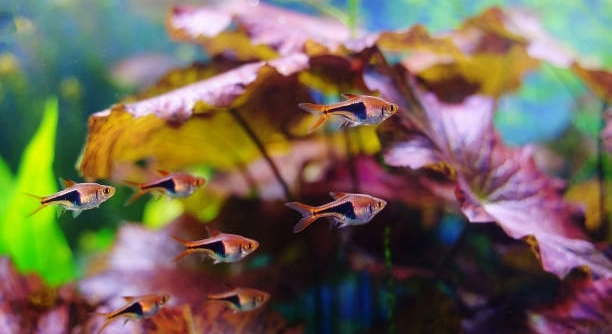
Do you have a tank with Rasbora swimming alongside other fish? Many aquarium enthusiasts enjoy mixing different species for a lively environment. Understanding how Rasbora interact with their tankmates helps create a peaceful aquatic community.
Rasbora can recognize and respond to other species in their tank to some extent. They mainly rely on visual and movement cues to identify different fish but do not form complex social bonds beyond their own kind. Their behavior often depends on the size, activity, and temperament of the other fish present.
Knowing how Rasbora perceive other species can help you choose compatible tankmates. This insight supports a harmonious aquarium where each fish feels comfortable and safe.
How Rasbora Identify Other Fish in the Tank
Rasbora mostly use their sight to recognize other fish around them. They notice differences in shape, size, and movement to decide if another fish is a threat or just a tankmate. Their vision helps them spot fast swimmers or larger species quickly, which can affect how they behave. Rasbora tend to stay closer to fish that move gently and avoid aggressive or very large fish. They also pick up on color patterns, though this is less important than movement. Sometimes, Rasbora will school tightly when unsure, using safety in numbers to feel secure. They rarely interact deeply with other species but remain aware of their presence. This recognition influences their swimming patterns and resting spots in the tank. If the tank has calm, peaceful fish, Rasbora will be more relaxed. Stress can rise if unfamiliar or aggressive species are nearby, so observation helps maintain balance in a mixed tank.
Rasbora do not communicate much with other species but adjust their behavior based on what they see.
This ability to recognize and react to other fish helps Rasbora find safety and keep their stress low. It also means tankmates should be chosen carefully to avoid upsetting them. Calm species that move slowly or stick to their own areas reduce tension. If your tank has very active or larger fish, Rasbora might hide more and school tightly. Watching how your Rasbora react to new tankmates can guide future choices and improve their well-being. Overall, their recognition skills help them survive and stay comfortable in a community tank.
Why Compatibility Matters for Rasbora
Tankmates influence Rasbora’s behavior and health significantly.
Choosing compatible species creates a peaceful tank. Rasbora prefer calm, non-aggressive fish that swim at similar speeds. Fast or territorial fish can stress them, causing hiding or reduced eating. Size matters too—very large fish might see Rasbora as food, while tiny fish could be ignored or bullied. Rasbora also appreciate company from their own kind, which helps reduce stress. Providing plenty of plants and hiding spots supports a comfortable environment. Monitoring fish interactions after adding new species is essential to spot problems early. Keeping water conditions stable and feeding all fish adequately supports harmony. When tankmates fit well, Rasbora show natural behavior and bright colors. This balance enhances the tank’s appearance and health. Careful selection and observation ensure that Rasbora live peacefully alongside others without unnecessary stress or risk.
How Rasbora React to Different Species
Rasbora tend to be cautious around new or unfamiliar species. Their reactions vary from curiosity to avoidance depending on the other fish’s size and behavior.
If the tank has peaceful species, Rasbora swim confidently and often explore open areas. They may swim near other calm fish without signs of stress. However, if larger or aggressive fish are introduced, Rasbora usually become shy, hiding among plants or grouping tightly with their own kind. This behavior helps them feel safer and avoid conflicts. Over time, some Rasbora may get used to certain species but will remain alert.
Rasbora rarely show aggression toward other species. Instead, they focus on schooling with their own kind and avoiding threats. Their behavior changes quickly based on the mood and activity of other fish, making it important to observe how different tankmates affect them. Stress or constant hiding are signs that the tank setup may need adjustment for better harmony.
Signs of Stress in Rasbora from Tankmates
Stress in Rasbora often shows through changes in behavior or appearance.
When Rasbora feel stressed, they might stop eating, hide more often, or swim erratically. Their colors can also fade, and they may become less active than usual. These signs indicate discomfort caused by aggressive or overly active tankmates. If stress continues, it can weaken their immune system and lead to illness. It’s important to provide hiding spots and keep an eye on how Rasbora behave around other species. Sometimes rearranging the tank or separating certain fish helps reduce tension. Early detection of stress helps keep Rasbora healthy and happy.
Common Tankmates for Rasbora
Rasbora do well with other peaceful fish that share similar water needs. Small tetras, guppies, and Corydoras catfish often make good companions.
Avoid aggressive or large fish that may intimidate or harm Rasbora. Keeping tankmates calm helps maintain a peaceful environment for all.
How to Introduce New Species to Rasbora Tanks
Introducing new fish slowly reduces stress for Rasbora. Quarantine the new species first to prevent diseases. Add them during low activity times and watch for any signs of aggression or hiding. Rearrange decorations to create new territories, which can help fish adjust more easily.
Giving Rasbora time to observe newcomers before they fully interact helps maintain balance. If problems arise, separating fish temporarily can prevent long-term stress or injury. Taking these steps ensures a smoother transition and better tank harmony.
Feeding Behavior Around Other Species
Rasbora usually feed quickly and in groups. They may be outcompeted if tankmates are more aggressive eaters.
Do Rasbora recognize individual fish from other species?
Rasbora mostly recognize other fish by their general appearance and movement, not by individual details. They do not form bonds with other species like they do with their own kind. Their recognition is limited to noticing if another fish is a threat or safe to be near.
Can Rasbora live peacefully with aggressive fish?
Rasbora prefer calm environments and usually do not do well with aggressive species. Aggressive fish can stress Rasbora, causing hiding, loss of appetite, or even injury. It’s best to avoid mixing Rasbora with territorial or large aggressive fish to keep the tank peaceful.
How can I tell if my Rasbora is stressed because of other fish?
Signs of stress include fading colors, hiding more often, erratic swimming, and loss of appetite. If you notice these behaviors after adding new species, it could mean your Rasbora feel threatened. Adding plants and hiding spots or removing aggressive fish can help reduce stress.
Do Rasbora communicate with other species in the tank?
Rasbora do not communicate directly with other species. They mainly react to movements and presence rather than signals or sounds. Their social interactions are strongest within their own group, where schooling helps keep them safe.
What are the best tankmates for Rasbora?
Peaceful, small fish that share similar water conditions make the best tankmates. Species like small tetras, guppies, and Corydoras catfish usually get along well. These fish swim calmly and don’t compete aggressively for food or space.
Will Rasbora change their behavior when new fish are added?
Yes, Rasbora often become more cautious or hide more when new fish enter the tank. They might school tighter for safety. Over time, if the newcomers are peaceful, Rasbora may relax and return to normal behavior.
How should I introduce new fish to a Rasbora tank?
Introduce new fish slowly and carefully. Quarantine them first to avoid disease. Add them during calm times and watch how Rasbora respond. Rearranging decorations can help create new territories and reduce stress. If any fish show aggression, be ready to separate them.
Do Rasbora compete for food with other species?
Rasbora feed quickly in groups but can be outcompeted by more aggressive eaters. Offering food in multiple spots and feeding smaller amounts more often can ensure all fish get enough to eat.
Can Rasbora recognize threats from other species?
Yes, Rasbora recognize larger or fast-moving fish as potential threats. This recognition triggers hiding or schooling behavior to stay safe.
Do Rasbora form friendships with fish from other species?
Rasbora do not form friendships with other species. Their social bonds are mainly with their own kind. However, they can tolerate other peaceful fish if the environment is calm and safe.
How important is tank setup for Rasbora and their tankmates?
A well-planted tank with hiding spots helps reduce stress for Rasbora and others. Space to swim and areas to retreat create a balanced environment. Proper tank setup supports peaceful interactions between species.
Are there signs that Rasbora accept new tankmates?
Rasbora that swim openly, show normal coloration, and eat well usually accept new tankmates. If they stop hiding and school normally, it means they feel safe and comfortable.
What happens if Rasbora are kept with very active or large fish?
Rasbora may become stressed and hide constantly around active or large fish. Their natural behavior can change, leading to poor health. It’s better to avoid mixing Rasbora with fish that have very different activity levels or sizes.
How long does it take for Rasbora to adjust to new tankmates?
Adjustment time varies but usually takes a few days to a couple of weeks. Patience and observation during this period are important to spot any problems and make changes if needed.
Can Rasbora recognize fish outside their tank?
Rasbora do not recognize fish outside their immediate environment. Their recognition depends on close visual cues in their tank. Changes outside the tank do not affect their behavior inside.
Rasbora are small, peaceful fish that live well in community tanks with other calm species. They have a simple way of recognizing other fish around them, mainly by how they look and move. While they don’t form strong social bonds with fish of other species, they do pay attention to who is nearby and how those fish behave. This awareness helps them decide when to swim freely or when to hide for safety. Because of this, choosing the right tankmates is important to keep Rasbora comfortable and stress-free.
The best tankmates for Rasbora are other small, gentle fish that share similar water needs. When Rasbora feel safe, they show their natural behavior—swimming actively, schooling together, and displaying their bright colors. On the other hand, aggressive or very active fish can cause Rasbora to become shy or hide too much, which affects their health over time. Providing plenty of plants and hiding spots helps create a peaceful space where Rasbora and their tankmates can live together happily. It also allows the Rasbora to retreat when they feel threatened, helping reduce stress.
When adding new fish to a Rasbora tank, it’s important to do so slowly and carefully. Watching how Rasbora react to newcomers will give clues about whether the new fish will fit in well. If the Rasbora start hiding a lot or lose their bright colors, it may be a sign that the tankmates are not compatible. Making small changes, like rearranging decorations or separating fish temporarily, can help improve the situation. Overall, understanding how Rasbora see and respond to other species helps keep the tank balanced and healthy, ensuring these delicate fish live comfortably alongside others.

Hello,
If you enjoy the content that we create, please consider saying a "Thank You!" by leaving a tip.
Every little bit helps us continue crafting quality advice that supports the health, happiness, and well-being of pets around the world, for pets of all shapes, sizes, and species.
We really appreciate the kindness and support that you show us!