
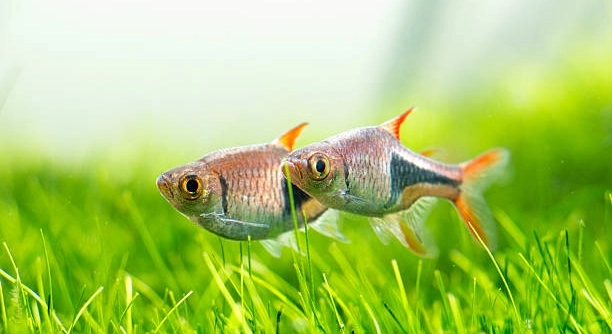
Rasboras are popular small fish often kept in home aquariums. Many hobbyists wonder how these fish adapt to different tank environments. Plants are a common part of their habitat, but some tanks lack them completely.
Rasboras can survive without plants, but their comfort and natural behavior improve when plants are present. Plants offer hiding spots and reduce stress, making the fish feel safer. Without plants, rasboras may show signs of discomfort or increased activity due to lack of shelter.
Knowing how plants impact rasbora well-being helps create a healthier tank environment for these lively little fish.
Why Plants Matter for Rasboras
Plants in an aquarium serve several important roles for rasboras. They provide shelter where the fish can hide when feeling threatened or stressed. This makes them feel safer and more secure. Plants also help improve water quality by absorbing nitrates and producing oxygen, which benefits the fish’s health. Rasboras are naturally timid fish that prefer environments with places to retreat. Without plants, they may swim nervously or try to find other hiding spots, increasing their stress levels. In addition, plants create a natural-looking habitat that resembles the fish’s native environment, which can encourage more natural behavior like schooling and resting. A tank with healthy plants often means happier, less stressed rasboras. Over time, this contributes to a longer, healthier life for the fish. It is clear that plants play a valuable role in supporting rasbora comfort and well-being in captivity.
Plants contribute to a stable and comfortable environment, which directly influences rasbora behavior and health in the aquarium.
Understanding how plants affect rasbora comfort helps tank owners make better decisions about aquarium setups. Many people try keeping rasboras without plants, but they might notice the fish seem more active or restless. This can be a sign of stress caused by lack of hiding spots. Adding plants or other decorations can reduce this stress and create a calmer environment. In some cases, artificial plants might work, but live plants are preferred for their water benefits. Ensuring the tank has adequate lighting and proper water conditions supports plant growth, which in turn supports the fish. Choosing the right types of plants, such as floating plants or dense leafy ones, offers both shade and cover. The overall balance in the tank makes a difference to how comfortable rasboras feel, highlighting the importance of thoughtful aquarium design.
Alternatives to Live Plants in Rasbora Tanks
Artificial plants can provide hiding spots for rasboras without requiring the care live plants need. They offer a simple way to add structure to the tank.
While artificial plants do not improve water quality like live ones, they still help reduce stress by giving rasboras places to hide. Decorations like rocks or caves can also serve as shelter. It is important to ensure these items have no sharp edges to avoid harming the fish. Some tank owners combine both live and artificial plants for a balanced setup. This allows for easier maintenance while still creating a comfortable environment. The goal is to mimic the natural conditions that help rasboras feel secure. Monitoring fish behavior is useful to know if the setup meets their needs. If rasboras are darting around nervously or hiding excessively, more cover might be needed. Even without live plants, careful tank arrangement helps rasboras thrive.
Signs Rasboras Are Uncomfortable Without Plants
When rasboras lack plants, they often become more skittish and restless. They may swim rapidly across the tank or hide behind decorations more frequently. This behavior indicates they feel exposed and stressed without sufficient cover.
Rasboras naturally prefer environments where they can hide easily. Without plants, their instincts push them to seek safety in other tank features or even crowd together tightly for protection. This increased stress can affect their appetite and overall health. Watching for changes in activity or unusual aggression between fish can help identify discomfort. Stress in fish can lead to weakened immune systems and increased susceptibility to illness. Providing adequate cover is crucial for maintaining their well-being. If you notice your rasboras behaving nervously, adding plants or more hiding spots could calm them significantly.
In some cases, rasboras may also develop faded colors or lose their typical shine when stressed. This visual sign reflects discomfort and poor health, so timely intervention is important. Even small changes in tank setup can improve their condition.
Maintaining a Balanced Environment Without Plants
Keeping water quality high is even more important when the tank lacks live plants. Regular water changes and good filtration help maintain a healthy environment for rasboras.
Without plants absorbing nitrates, waste can build up faster. This makes it necessary to test water parameters more frequently and take prompt action if levels rise. Adding bio-media in filters supports beneficial bacteria that break down toxins. Controlling feeding amounts to prevent leftover food also helps keep the tank clean. In a plant-free setup, stability depends heavily on careful maintenance and monitoring. This ensures rasboras remain healthy despite missing natural plant cover. Paying attention to water quality changes and adjusting routines can make a big difference in their comfort and longevity.
Tank Setup Tips for Rasboras Without Plants
Use smooth decorations and plenty of hiding places to make rasboras feel secure. Rounded rocks, caves, and driftwood work well to provide cover.
Lighting should be soft to avoid stressing the fish. Bright, harsh light can make them nervous without plants to hide under.
Feeding Rasboras in a Plant-Free Tank
A balanced diet helps rasboras stay healthy and active. Feed small amounts several times a day to avoid overfeeding. Uneaten food can quickly pollute the water, especially without plants to absorb waste. Keep an eye on their appetite and adjust feeding accordingly to maintain water quality.
Monitoring Behavior for Stress
Watch how rasboras interact and move in the tank. Signs of stress include frantic swimming or hiding excessively. Early detection helps prevent health problems.
Regular observation allows you to make changes to improve their comfort and well-being.
FAQ
Can rasboras live happily without any plants at all?
Rasboras can live without plants, but their happiness often depends on other factors like hiding spots and water quality. Plants naturally provide cover and reduce stress. Without them, you’ll need to create hiding places using decorations like caves or smooth rocks. Keeping water clean is also very important to compensate for the absence of plants. While rasboras may survive, they usually feel more secure and show better behavior with some form of cover.
What types of plants are best if I want to include some for my rasboras?
Soft-leaved plants like Java fern, Anubias, and floating plants are great choices. These plants don’t require intense light or CO₂, making them easier to care for. Floating plants add shade, which helps rasboras feel less exposed. Dense plants also give hiding spots and create a natural environment that encourages calm behavior. Avoid sharp or thick plants that could harm delicate fins.
Are artificial plants a good replacement for live plants?
Artificial plants can offer hiding spots but don’t help with water quality like live plants do. They are low maintenance and don’t require light or nutrients, which is a benefit for busy tank owners. However, they lack the natural feel and benefits of live plants, such as oxygen production and nitrate absorption. Using artificial plants alongside good filtration can be an acceptable compromise.
How often should I clean a tank without live plants?
Cleaning should be more frequent in tanks without plants. Aim for weekly water changes of about 20-30% to keep nitrate levels low. Without plants absorbing waste, toxins build up faster. Regular gravel vacuuming helps remove leftover food and waste. A strong filter is essential to maintain good water quality, as is monitoring ammonia and nitrite levels closely.
Will rasboras be more aggressive if there are no plants?
Rasboras are generally peaceful fish, but stress from lack of cover can lead to increased skittishness or occasional chasing. They might crowd together or dart around nervously without places to hide. Adding decorations or plants reduces stress and aggression, helping maintain harmony in the tank.
Can I use other decorations instead of plants to make my rasboras comfortable?
Yes, smooth rocks, caves, and driftwood can provide good hiding spots. These decorations mimic natural shelters and help fish feel secure. Just ensure there are no sharp edges to prevent injuries. The goal is to create safe spaces where rasboras can retreat when needed.
Does lighting affect how comfortable rasboras feel without plants?
Lighting plays a big role. Bright, harsh lighting can stress rasboras if there is no plant cover to diffuse it. Soft or dim lighting makes the tank feel safer. Using floating plants or decorations to cast shadows can also help reduce light intensity and create a more natural environment.
How do I know if my rasboras are stressed without plants?
Look for signs like frantic swimming, constant hiding, loss of color, or refusing food. Stress can weaken their immune system and make them prone to illness. Regularly observing their behavior and appearance helps catch problems early. Adjusting the tank setup to include more cover or improving water quality usually eases stress.
Is it harder to maintain water quality without live plants?
Yes, live plants naturally absorb harmful chemicals and produce oxygen, helping keep water stable. Without them, waste products build up faster, making water changes and filtration more critical. Monitoring water parameters frequently is necessary to avoid spikes in ammonia, nitrites, or nitrates that harm fish health.
Are there specific rasbora species that tolerate plant-free tanks better?
Some rasbora species are more adaptable and less dependent on dense plant cover. For example, the Harlequin Rasbora can tolerate simpler setups better than very shy species like the Galaxy Rasbora. Still, all rasboras prefer some form of shelter to reduce stress and encourage natural behavior.
What should I do if my rasboras seem unhappy without plants?
Start by adding more hiding spots with decorations or artificial plants. Check water quality and perform more frequent water changes if needed. Adjust lighting to softer levels and watch their behavior for improvement. If stress signs continue, introducing live plants might be the best option for their comfort.
Can plants help with breeding rasboras?
Yes, plants provide safe areas for spawning and shelter for fry. Dense or fine-leaved plants give the eggs and young fish protection from adults and other tank inhabitants. Without plants, breeding success may be lower, and fry survival rates can drop. Live plants improve breeding conditions naturally.
Are there risks of algae problems if I add live plants?
Some algae growth is normal, but healthy live plants can compete with algae for nutrients, helping keep it under control. Proper lighting and balanced feeding reduce algae risks. Overfeeding or too much light without enough plant growth can cause algae blooms. Regular tank maintenance keeps algae in check.
What are the key takeaways for keeping rasboras comfortable without plants?
Focus on creating hiding spots with decorations, maintaining excellent water quality, and managing lighting carefully. Monitor behavior closely and be ready to adjust the setup if stress signs appear. While live plants are ideal, it’s possible to support rasbora well-being without them through thoughtful care.
Rasboras are small, lively fish that usually feel best in environments that offer them some form of shelter. While plants are often the natural choice for creating this comfort, it is possible to keep rasboras without live plants if you take extra care. The absence of plants means you need to think carefully about other ways to make the tank feel safe for these fish. Decorations like smooth rocks, caves, or artificial plants can give rasboras places to hide. These spots help reduce stress and encourage natural behavior. Without cover, rasboras may swim nervously or show signs of discomfort, so creating a calm environment is very important.
Water quality is especially critical in tanks without live plants. Plants help absorb waste and improve oxygen levels, but without them, waste can build up faster. Regular water changes, good filtration, and careful feeding habits become even more important. Testing the water frequently for harmful chemicals like ammonia, nitrites, and nitrates helps keep the tank safe for the fish. Paying close attention to the tank’s condition will help prevent health problems. When you maintain clean water and provide plenty of hiding places, rasboras can adapt well to a plant-free environment. This extra effort ensures that the fish remain healthy and comfortable.
Lighting and tank setup also affect rasbora comfort. Bright, harsh lighting can stress them if there is no plant cover to soften it. Using softer lighting or adding floating decorations to cast shadows can create a more natural feel. Observing your fish regularly will show if they are relaxed or stressed. Signs of stress include rapid swimming, hiding too much, or loss of color. If you notice these signs, consider adding more cover or adjusting the tank conditions. Although live plants provide many benefits, with proper care and setup, rasboras can live comfortably without them. The key is to meet their basic needs for shelter, clean water, and gentle lighting to support their well-being.

Hello,
If you enjoy the content that we create, please consider saying a "Thank You!" by leaving a tip.
Every little bit helps us continue crafting quality advice that supports the health, happiness, and well-being of pets around the world, for pets of all shapes, sizes, and species.
We really appreciate the kindness and support that you show us!