
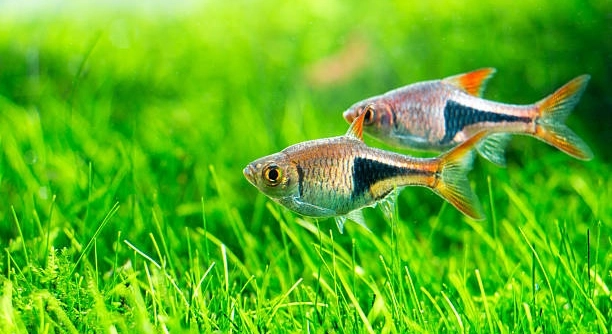
Rasboras are small, colorful fish often kept in home aquariums. Many aquarium owners notice their rasboras interacting with reflective surfaces inside the tank. Observing how these fish react to their own reflection can be quite interesting.
Rasboras do respond to their own reflection, often mistaking it for another fish. They may show behaviors like chasing or displaying territorial actions, but this reaction varies depending on the individual fish and its environment.
Understanding how rasboras behave around reflections can help improve their care and tank setup for a healthier aquatic environment.
How Rasboras See Their Reflection
Rasboras do not have complex self-awareness like humans, so when they see their reflection in the glass or decorations inside the tank, they usually think it is another fish. This can cause a range of reactions. Some rasboras may become curious and swim closer to investigate. Others may show signs of aggression, such as flaring fins or chasing the reflection, treating it like a rival. This behavior is more common in territorial species or during breeding periods. The reaction also depends on the tank setup and how clear the reflection appears. Bright lighting and clean glass can make reflections more noticeable to the fish. If a rasbora becomes stressed by its reflection, it might hide more or swim erratically. Keeping the environment comfortable and limiting reflective surfaces can help reduce any negative effects on their behavior. Observing how your rasboras react gives clues about their comfort level.
Reflections can sometimes trigger stress but can also provide stimulation for rasboras in certain cases.
It’s important to watch your rasboras carefully. If they chase the reflection too much or seem agitated, it might be best to cover reflective areas or rearrange the tank. A balanced environment where they feel safe will promote healthier behavior and reduce unnecessary stress.
Managing Reflection Reactions in Your Aquarium
Many aquarists notice rasboras reacting to reflections, but not all reactions require intervention. Some fish enjoy the interaction as a form of mental stimulation.
To minimize unwanted stress, consider adding plants, rocks, or background covers that break up reflections. These natural barriers can reduce the fish’s ability to see their reflection clearly. You can also adjust lighting to decrease glare on the tank glass. Placing the tank away from direct light sources or using matte backgrounds helps reduce reflection intensity. Providing hiding spots gives rasboras a way to escape if they feel threatened by what they perceive as intruders. Monitoring your fish for signs of distress like constant chasing or hiding is key to maintaining their well-being. When properly managed, reflections can be less of a problem and even add a subtle form of engagement for your rasboras.
Signs of Stress from Reflections
Rasboras showing stress from reflections often display restless swimming or repeatedly chasing the mirrored image. They may also hide more than usual or lose their appetite, signaling discomfort caused by what they think is another fish.
When rasboras become fixated on their reflection, it can cause increased stress levels. This might lead to a weakened immune system or make them more prone to illness. Stress behaviors include darting around the tank, flaring fins, or staying at the bottom or corners of the tank. Over time, this agitation can reduce their overall well-being and lifespan if not addressed. Recognizing these signs early helps in making changes to the environment.
Providing plenty of hiding spots and reducing reflective surfaces helps lower stress. It’s important to observe the fish regularly and act if these behaviors continue. Adjusting tank lighting and decor can create a calmer environment where rasboras feel more secure and less threatened by reflections.
Reflection Interaction and Social Behavior
Rasboras are social fish that usually swim in groups, and reflections can sometimes affect their social interactions. Seeing their own reflection may confuse them or disrupt their normal group behavior.
In some cases, reflections can lead to temporary territorial disputes as rasboras mistake their reflection for a rival. This can cause them to separate from the group or act more aggressively. However, this behavior usually lessens when the fish become accustomed to their environment or when reflection sources are minimized. When reflections are reduced, rasboras tend to return to their natural schooling patterns, which improves their overall happiness and health. Ensuring they have enough companions helps reduce the stress caused by reflections since they focus more on their real tank mates.
Reflection and Tank Size
Smaller tanks often create stronger reflections because the glass is closer to the fish. This can increase the chance of rasboras noticing and reacting to their reflections.
Larger tanks reduce reflection intensity since there is more space between the fish and the glass. This can help lower stress caused by reflections in the aquarium.
How to Reduce Reflection in Your Aquarium
Using a dark or matte background on the tank can significantly reduce reflections. This simple step limits the light bouncing off the glass and makes reflections less visible to the fish. Adding plants or decorations near the glass also breaks up reflective surfaces. Positioning the tank away from bright windows or lights helps minimize glare. These changes create a calmer environment where rasboras are less likely to react to their reflections. Small adjustments can improve the comfort and health of your fish by reducing unnecessary stimulation.
Reflection as Enrichment
Sometimes reflections provide mental stimulation for rasboras, especially if they are kept alone or in small groups.
FAQ
Do rasboras recognize themselves in a mirror?
Rasboras do not have the ability to recognize themselves in a mirror. Their brains are not developed for self-awareness like some larger animals. When they see their reflection, they usually think it is another fish. This can cause them to react by displaying curiosity or aggression, but it is not true recognition of themselves.
Why do rasboras chase their reflection?
Rasboras chase their reflection because they mistake it for a rival or an intruder in their territory. This behavior is common in many fish species. The reflection triggers their natural instinct to defend their space or compete for dominance. Chasing helps them try to drive the “other fish” away, even though it is only their own image.
Can reflections cause stress to rasboras?
Yes, reflections can cause stress, especially if the fish become fixated on chasing or reacting to the mirrored image. Continuous stress can weaken their immune system and lead to health problems. Signs of stress include erratic swimming, hiding, loss of appetite, and fin damage. Reducing reflections in the tank helps lower stress levels.
How can I stop my rasboras from reacting to their reflection?
To reduce reactions, limit reflective surfaces inside and outside the tank. Use a dark background or cover the tank’s back and sides with non-reflective materials. Adding plants and decorations near the glass breaks up reflections. Adjust lighting to avoid direct glare on the tank. These steps help make the reflection less visible and calm your fish.
Is it bad if my rasboras chase their reflection occasionally?
Occasional chasing is usually not harmful and can be a form of mild stimulation. However, constant chasing or aggressive behavior should be addressed. Persistent stress can affect the fish’s health. Watch your rasboras carefully and make changes to the environment if chasing seems to cause distress.
Do all rasboras react the same way to reflections?
No, reactions vary among individual rasboras. Some fish may ignore their reflection completely, while others might show aggression or curiosity. Factors like species, personality, tank conditions, and social setup influence their behavior. Monitoring your fish helps understand how your specific rasboras respond.
Can reflections affect rasboras’ social behavior?
Reflections can disrupt social behavior by causing temporary territorial disputes or confusion. Fish may focus on the reflection instead of their tank mates, which affects schooling behavior. Reducing reflections supports natural group dynamics and helps rasboras interact normally with each other.
Will my rasboras eventually get used to their reflection?
Some rasboras may become less reactive over time as they learn the reflection is harmless. Others may remain interested or stressed. It depends on the individual fish and the tank environment. Providing a stable, low-reflection environment encourages them to adapt more comfortably.
Are reflections useful for enrichment?
In limited cases, reflections can provide mental stimulation for rasboras, especially if kept alone or in small groups. Seeing what looks like another fish may help reduce boredom. However, this should be balanced to avoid causing stress or aggression.
What tank setups help minimize reflection problems?
Using larger tanks, dark backgrounds, and plenty of plants or decorations near the glass reduces reflections. Positioning the tank away from bright light sources and windows also helps. These setups create a calmer environment where reflections are less noticeable to the fish.
Rasboras reacting to their own reflection is a common experience for many aquarium owners. These small fish often mistake their reflection for another fish, which can lead to various behaviors like curiosity, chasing, or even mild aggression. While this reaction is natural, it’s important to understand how it affects the fish’s well-being. Some rasboras may find reflections stimulating, but others can become stressed if the reflection appears too often or too clearly. Being aware of these behaviors helps in creating a comfortable tank environment for your fish.
Managing reflections in the tank is key to keeping rasboras healthy and calm. Simple steps like adding plants, decorations, or a dark background can reduce the intensity of reflections. Adjusting lighting to avoid glare on the glass also makes a difference. Larger tanks tend to produce fewer strong reflections, which can lower stress for your fish. Observing how your rasboras behave will guide you in making these adjustments. When reflections cause stress, changes to the tank setup can improve their mood and overall health.
It’s important to remember that each rasbora may respond differently to reflections. Some might ignore them, while others could react strongly. Providing enough companions for social interaction is another way to reduce the focus on reflections. A well-planned aquarium environment that considers reflections, tank size, lighting, and decoration can help rasboras feel safe and secure. Paying close attention to your fish’s behavior ensures they stay happy and healthy in their home.

Hello,
If you enjoy the content that we create, please consider saying a "Thank You!" by leaving a tip.
Every little bit helps us continue crafting quality advice that supports the health, happiness, and well-being of pets around the world, for pets of all shapes, sizes, and species.
We really appreciate the kindness and support that you show us!