
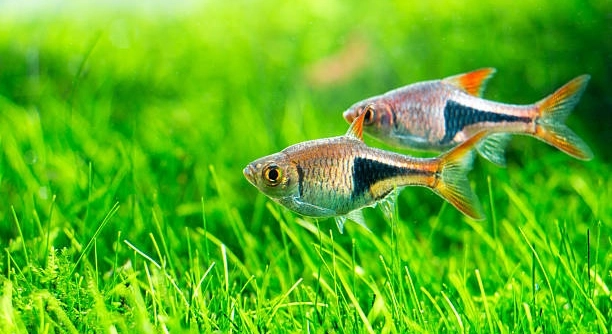
Do you ever find yourself watching your rasboras dart around the tank and wonder what might make them feel unsafe or stressed?
Rasboras may perceive sudden movements, changes in water conditions, aggressive tank mates, loud noises, unusual lighting, human presence, or new decorations as potential threats, often triggering hiding behavior or erratic swimming patterns.
Understanding these perceived threats can help you create a calmer and safer environment for your rasboras to thrive and stay healthy.
Sudden Movements Near the Tank
Rasboras are easily startled by quick or unexpected movements near their aquarium. These small fish rely on visual cues to feel secure, and anything abrupt—like waving hands, fast walking, or sudden shadows—can alarm them. This response is natural; in the wild, sudden movements often signal predators. In a home aquarium, this instinct doesn’t go away. When startled, rasboras may scatter, hide behind decorations, or huddle together near the tank bottom. Over time, repeated scares can lead to stress, which weakens their immune systems and affects their appetite or behavior. It’s best to keep their tank in a low-traffic area where movements are slower and more predictable. Be gentle during feeding, water changes, or tank maintenance. Even tapping on the glass can create panic. Think of their environment as a calm zone. If your rasboras act skittish often, consider what nearby activity might be unsettling them.
Keep tank surroundings quiet and approach slowly when near the glass. Calm movements can make a noticeable difference.
Creating a peaceful space not only helps your rasboras feel safe but also lets them behave more naturally. You’ll see more schooling, brighter colors, and improved health over time when they’re not in a constant state of alert.
Aggressive Tank Mates
Rasboras are peaceful by nature and can feel threatened by larger or more aggressive fish.
Tank mate choice is important when keeping rasboras. Even if a fish isn’t directly attacking them, overly active or territorial species can stress them out. Barbs, cichlids, or fin-nippers often cause rasboras to hide or swim erratically. The constant presence of more dominant tank mates leaves them feeling unsafe, especially if there’s competition for food. Stress signs include dull coloring, clamped fins, or reduced activity. Instead, consider housing rasboras with equally calm species like tetras, corydoras, or other small schooling fish. These options keep their environment cooperative and low-stress. Always observe interactions when adding new fish. Even within the same species, individual temperament can vary. Use plants or decorations to create safe zones so rasboras can retreat when needed. A peaceful tank community supports their mental well-being and prevents long-term stress, which can lead to health issues if ignored.
Unstable Water Conditions
Rasboras are sensitive to changes in water parameters. Sudden shifts in temperature, pH, ammonia, or nitrate levels can feel like threats and lead to stress-related behaviors.
Maintaining stable water quality is one of the most important parts of caring for rasboras. When parameters swing, it can cause them to hide, stop eating, or swim erratically. Using a good water testing kit helps you track levels consistently. Aim to keep temperature around 74–78°F and pH between 6.5–7.0. Perform regular water changes, but make sure the new water matches the tank’s conditions to avoid sudden shock. Also, avoid overfeeding, as leftover food breaks down and affects water quality. Stability is more important than chasing perfect numbers. Make small adjustments over time, rather than large changes all at once, especially after cleaning or filter maintenance.
If your rasboras suddenly act differently, test your water first. A spike in ammonia or a drop in pH may be the cause. Even if nothing looks visibly wrong in the tank, they may be reacting to something you can’t see. A stable environment allows them to stay active, eat regularly, and school peacefully. Keep their routine consistent, and they’ll reward you with calmer behavior and better overall health.
Loud Noises and Vibrations
Rasboras react strongly to loud noises and vibrations because they can sense pressure changes through their bodies. Sudden or continuous noise near the tank can feel like a threat.
Aquariums placed near speakers, TVs, or high-traffic areas may experience more disturbance than we realize. The sound may not seem loud to us, but vibrations transfer through water and create stress for fish. Rasboras may dart suddenly, breathe quickly, or stay motionless at the bottom when exposed to too much noise. Over time, this can harm their health. Avoid placing tanks on shared walls with appliances or heavy foot traffic. If you notice stress behaviors during loud music or vacuuming, it may be a sign they’re reacting to those sounds. A quiet room or a padded surface under the tank stand can help reduce vibrations. Minimizing these external stressors helps your rasboras feel more secure in their environment.
Sudden Changes in Lighting
Rasboras don’t respond well to lights being turned on or off abruptly. The sudden brightness or darkness can trigger a flight response and send them darting around the tank in confusion.
Using a timer or dimming the room lights first can ease the transition. It helps them feel less startled.
Human Presence Near the Tank
Rasboras may view large movements or faces near the glass as threats, especially if they’re not used to frequent activity. Sudden gestures, loud talking, or unfamiliar people can all cause them to hide or scatter. Gradual exposure helps them get comfortable with your presence.
New Decorations or Rearranged Tank
Adding or moving tank decorations can unsettle rasboras. They may not recognize the layout and feel like their territory has been disturbed. Keep changes minimal when possible, and give them time to adjust. Once familiar, they’ll begin to explore again.
What are the most common threats rasboras perceive in their tank?
Rasboras often feel threatened by sudden movements, aggressive tank mates, unstable water conditions, loud noises, abrupt lighting changes, human presence near the tank, and new decorations or rearranged tank layouts. Each of these factors can cause stress responses like hiding, erratic swimming, or loss of appetite.
How can I reduce stress caused by sudden movements?
Keep your movements slow and gentle around the tank. Avoid tapping on the glass or casting sudden shadows. Placing the aquarium in a quieter, low-traffic area helps prevent frequent startle reactions, allowing your rasboras to stay calm and relaxed.
Which fish species are good companions for rasboras?
Peaceful schooling fish like small tetras, danios, and corydoras catfish make suitable tank mates. Avoid aggressive or territorial fish such as barbs or larger cichlids, which can intimidate rasboras and increase their stress levels.
How important is water stability for rasboras?
Very important. Rasboras thrive best in stable water with consistent temperature, pH, and clean conditions. Sudden changes in water chemistry or temperature can cause stress or illness. Regular testing and gradual water changes help maintain stability.
Can loud noises really affect rasboras?
Yes, fish can sense vibrations caused by noise. Loud or continuous sounds from speakers, vacuum cleaners, or heavy footsteps near the tank can disturb them. Placing the tank on a sturdy stand away from noise sources can reduce stress.
What lighting conditions are best for rasboras?
Avoid switching lights on and off abruptly. Use a timer to simulate natural light cycles with gradual transitions. Dim lighting or shaded areas within the tank provide comfort and reduce stress.
How do rasboras react to human presence?
They may perceive sudden, close, or frequent movements near the glass as a threat, especially if they’re shy or new to the environment. Approach calmly and avoid tapping or banging on the tank to help them feel safe.
How do new decorations affect rasboras?
Changing the tank layout or adding new objects can disrupt their sense of territory and security. Introduce decorations slowly, and give your fish time to explore and adjust before making more changes.
What signs show that rasboras are stressed?
Common signs include hiding often, rapid or erratic swimming, loss of color, clamped fins, and reduced appetite. Stress weakens their immune system, making them prone to illness.
What should I do if my rasboras seem stressed?
Check water quality first, as poor conditions are a common stress factor. Ensure stable parameters and reduce noise or sudden movements nearby. Review tank mates and tank setup to create a calm environment. Small changes over time usually improve their behavior and health.
Can rasboras get used to frequent human interaction?
Yes, over time, they can become accustomed to your presence if it’s calm and non-threatening. Consistent gentle interaction, like slow feeding near the tank, helps build trust and reduces stress reactions.
Is it okay to rearrange the tank often?
Frequent rearranging can cause ongoing stress. It’s best to create a stable environment with minimal changes. When rearranging is needed, do it gradually and avoid making too many changes at once.
Do rasboras prefer planted tanks?
Yes, plants provide hiding spots and a sense of security. They mimic natural environments and reduce stress by offering shelter from bright light or active tank mates.
How can I make my tank more comfortable for rasboras?
Maintain stable water conditions, choose peaceful tank mates, avoid loud noises and sudden movements, provide plants and hiding spots, and keep lighting gradual. A calm environment encourages natural behavior and healthier fish.
Are rasboras sensitive to water temperature?
Yes, they prefer temperatures between 74°F and 78°F. Sudden drops or spikes can cause stress. Use a reliable heater and thermometer to keep temperature steady.
What’s the best way to introduce new fish with rasboras?
Quarantine new fish first to avoid disease introduction. Add them slowly and observe interactions closely. Choose compatible species to prevent aggression and stress.
Can stress cause diseases in rasboras?
Yes, prolonged stress lowers immunity and makes them susceptible to infections like ich, fin rot, or fungal diseases. Preventing stress is key to maintaining their health.
How often should I test the water for rasboras?
Test weekly or whenever you notice changes in behavior. Frequent checks help catch problems early before they affect your fish.
What should I do if my rasboras stop eating?
Check water quality and tank conditions immediately. Stress or illness often causes appetite loss. Adjust their environment, reduce disturbances, and consider consulting a vet if the issue persists.
Are there signs that rasboras feel safe and comfortable?
Yes, healthy rasboras swim actively in schools, show bright colors, eat regularly, and explore the tank freely. Calm behavior indicates they feel secure in their habitat.
Taking care of rasboras means understanding what makes them feel safe and what might cause them stress. These small fish are sensitive to many things in their environment, such as sudden movements, water quality changes, loud noises, and aggressive tank mates. Recognizing these factors helps in creating a calm and comfortable home for them. When rasboras feel secure, they behave more naturally, showing their bright colors and active schooling behavior. It also supports their overall health and reduces the chance of illness caused by stress.
Keeping water conditions stable is one of the most important parts of caring for rasboras. Small changes might not seem like a big deal to us, but these fish can sense shifts in temperature, pH, or water cleanliness very easily. Regular water testing and slow, careful water changes are necessary to avoid shocking them. Along with good water care, choosing peaceful tank mates and limiting loud noises or vibrations around the tank will help maintain a peaceful environment. Even how you handle the tank matters — slow, gentle movements and avoiding sudden light changes make a difference.
Finally, creating a secure space with plenty of plants and hiding spots encourages rasboras to explore without fear. Avoid making frequent or drastic changes to their surroundings. Instead, introduce new decorations or fish gradually, allowing time for adjustment. Paying attention to their behavior and body language can give early signs of stress or discomfort. With careful attention and a calm environment, rasboras will thrive and provide enjoyment for a long time. This thoughtful approach makes all the difference in their well-being.

Hello,
If you enjoy the content that we create, please consider saying a "Thank You!" by leaving a tip.
Every little bit helps us continue crafting quality advice that supports the health, happiness, and well-being of pets around the world, for pets of all shapes, sizes, and species.
We really appreciate the kindness and support that you show us!