
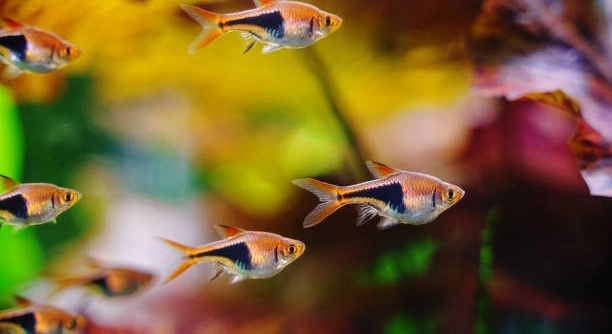
Do you ever find yourself watching your Rasbora and noticing it seems to be watching you right back from the corner of the tank?
Rasboras may watch from the corner due to a mix of environmental awareness, social behavior, and curiosity. These fish often scan their surroundings for movement and change, especially when they associate humans with feeding or activity.
Understanding this behavior can help you adjust their tank environment and daily routine to support their natural instincts and comfort.
Why Rasboras Choose Corners Over Open Space
Rasboras are small, active fish that often prefer to stay near the edges of their tank. This behavior might look unusual, but it’s fairly normal for them. Corners can give them a sense of safety, especially if the tank is large or brightly lit. These areas feel more secure because there is less exposure, and Rasboras, like many small fish, naturally seek shelter to avoid threats. Even in calm tanks, their instincts still guide them to stay close to cover. If the tank has little hiding space or too much movement, they may cluster more in corners. Watching from the corner doesn’t always mean stress, but it can suggest they are being cautious or adjusting to their space. They may also be reacting to your movements outside the tank, especially if they recognize feeding times or patterns.
A small group of Rasboras might huddle in one area to feel safer, especially when startled by noise or sudden movement.
If you notice this behavior often, try to observe what’s happening around the tank. Loud sounds, tapping on the glass, or frequent movement in the room may lead them to act more shy. Creating a quieter space can help them feel more relaxed.
How Tank Setup Influences Rasbora Behavior
A poorly arranged tank can make Rasboras feel uneasy.
Rasboras need more than just open water—they benefit from plants, shaded areas, and spots to hide. A bare tank may increase their anxiety, leading them to hover in corners more often. When their space mimics a natural environment, they feel more at ease and explore more freely. Dense plants, floating leaves, or low decorations help soften lighting and give them places to rest. Also, tank mates matter. Rasboras are peaceful and prefer to be in a group of their own kind. Keeping at least six together makes them feel more secure. Aggressive tank mates or quick swimmers can push them into the corners too. If your Rasboras act this way often, check for stressors and adjust your setup. A few changes like adding driftwood or more plants can make a big difference in how comfortable they feel in the space.
How Lighting and Reflections Can Affect Them
Bright lighting can make Rasboras feel exposed, especially in tanks without enough shade or cover. They may retreat to corners where the light feels softer and less direct. Sharp reflections on the glass can also confuse or startle them.
When the tank is placed near a window or under strong overhead lighting, it can create reflections that look like movement to the fish. Rasboras may respond to these flashes by hiding or acting skittish. If this becomes a regular pattern, reducing the brightness or adding floating plants to dim the light can help. Reflections from the room, like passing shadows or screen glare, can also catch their attention. These small things may cause stress if they happen often. Keeping the tank in a low-traffic, softly lit area helps them stay calm and reduces the chance they’ll stay hidden or pressed into corners.
Fish often react to their surroundings more than we notice. If they keep turning toward one side of the tank, they might be seeing movement outside or reflections inside. Sometimes, they mistake their reflection for another fish and watch it out of habit. Adjusting light angles or adding a background can reduce these reflections. Try making changes slowly.
Feeding Patterns and Learned Behavior
Rasboras quickly learn feeding routines and may associate corners with food. If they’re often fed from the same spot, they may begin to wait there, watching closely for movement. Over time, this behavior becomes part of their daily rhythm.
When feeding always comes from the same area—like a corner or one side of the tank—Rasboras will start to linger there more often. They’re smart enough to remember patterns and will stay alert in the spot where food usually appears. This behavior can look like they’re watching you from the corner when they’re really anticipating a meal. It’s a learned response that often develops in well-adjusted, healthy fish. You can vary the feeding spot slightly to prevent them from getting too fixed on one area, but as long as their behavior is calm and they’re eating well, it’s not a sign of stress. It may even mean they trust you.
Social Behavior and Shoaling Instinct
Rasboras are shoaling fish and feel safer in groups. When their group feels too small, they may become shy or hide more often. Corners offer some comfort when they feel exposed or unsure, especially without the support of a strong group nearby.
If one fish strays, others often follow. Watching from the corner may start with one Rasbora responding to something new, and then others copy the behavior. This is a natural part of their social pattern and usually not something to worry about unless the behavior becomes constant or seems linked to stress.
When to Be Concerned
If your Rasboras are constantly hiding, show faded colors, or eat less, it may be time to check for problems. These signs can point to stress, poor water conditions, or illness. Try testing the water and checking for signs of injury or bullying from other fish.
Simple Ways to Help
Add more plants or shaded spots to make them feel secure.
FAQ
Why do Rasboras stay in one corner all day?
Rasboras may stay in one corner for several reasons. They could be reacting to stress, noise, bright lighting, or a lack of cover in the tank. Some may simply feel more secure in one area, especially if that space is shaded or near plants. If your Rasboras are still eating, shoaling with others, and swimming actively during feeding time, this behavior may not be a sign of illness. However, if they appear pale, sluggish, or are always separated from the group, it’s worth checking water conditions and observing for other signs of distress.
Can Rasboras recognize their owner?
Yes, Rasboras can recognize movement and associate it with feeding or interaction. They may not know you the way a dog or cat would, but they do learn patterns over time. If you always feed them at a certain time or from the same spot, they’ll begin to expect it. Some Rasboras may come to the front or a corner of the tank when they see you, especially if you’re the one who usually feeds them. This learned response is common in many small fish and can make them seem more interactive and aware of their surroundings.
Is it normal for Rasboras to be shy after being added to a new tank?
Yes, it’s very normal. Rasboras often need a few days—or even a couple of weeks—to adjust to a new tank. During this time, they may hide, stay in corners, or avoid swimming in the open. This behavior usually fades once they feel secure and have enough hiding spots. To help them settle in, keep the lighting low at first, avoid loud noises near the tank, and make sure they have plants or decorations to hide behind. Keeping them in a group of six or more also helps them feel safer and encourages more confident swimming.
How many Rasboras should I keep together?
Rasboras do best in groups of at least six. They are shoaling fish, which means they rely on group behavior to feel secure. A small group may cause stress and lead to hiding, inactivity, or corner behavior. The more Rasboras you keep (within reason, based on your tank size), the more confident and active they will be. In larger groups, their natural schooling behavior becomes more visible, and they tend to explore more of the tank. Keeping them with other peaceful fish also helps maintain a calm environment.
Do Rasboras get bored in a tank?
Fish don’t get bored in the same way humans do, but they can become less active if their environment is too plain. Rasboras enjoy movement and variety, especially when there are live plants, hiding spots, and gentle currents. A tank with changing light levels (like a day/night cycle), different textures, and some mild flow from a filter or air stone can keep them stimulated. You can also vary their food or feeding location occasionally. Keeping them in a group also helps encourage interaction and natural activity.
What should I do if my Rasboras look pale or stressed?
First, check water parameters—ammonia, nitrite, nitrate, pH, and temperature. Poor water quality is a common reason for stress. Next, look at their environment: Do they have enough plants or hiding spaces? Is the lighting too strong? Are they in a group, or isolated? Once you rule out water quality, lighting, and social needs, observe if any other fish in the tank might be chasing or bullying them. Sometimes small adjustments—like adding plants or turning down the light—can make a big difference. If the stress signs continue, consult a vet or aquatic specialist.
Final Thoughts
Rasboras are peaceful and sensitive fish. If you notice them watching you from the corner of the tank, it usually isn’t something to worry about right away. This behavior can be a natural response to their environment. They might be feeling cautious, reacting to reflections, or simply waiting for food. Rasboras are known for picking up on patterns and changes, and over time, they may learn to recognize you. What looks like staring or hiding could just be their way of feeling safe or staying alert. Understanding their body language and habits will help you better care for them.
Making small changes to their environment can often improve their behavior. Adding more plants, reducing harsh lighting, or increasing their group size can help them feel more secure. If they’re spending too much time alone in one area or acting differently than usual, take a closer look at your tank setup and water conditions. Healthy Rasboras are active, alert, and swim together. If these things are in place and they still choose to stay in a corner sometimes, that’s okay too. Fish have their own rhythms and preferences, and some are naturally more reserved than others. It’s important to create a space where they can behave naturally without stress.
Watching your Rasboras and learning how they respond to changes can help you build a more balanced tank. Over time, you’ll start to recognize what’s normal for them and when something might be off. Paying attention to small behaviors—like where they swim, how they eat, and when they become active—can give you helpful insight into their overall well-being. Most of the time, when Rasboras stay in a corner or appear to be watching you, they are simply responding to what’s familiar or safe. As long as they’re healthy and comfortable, it’s just part of their behavior. Giving them the right conditions will allow them to thrive, swim more freely, and show their natural colors and habits.

Hello,
If you enjoy the content that we create, please consider saying a "Thank You!" by leaving a tip.
Every little bit helps us continue crafting quality advice that supports the health, happiness, and well-being of pets around the world, for pets of all shapes, sizes, and species.
We really appreciate the kindness and support that you show us!