
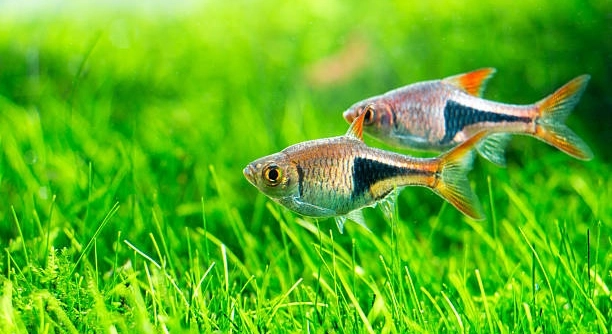
Rasboras are small, colorful fish often kept in home aquariums. As they grow, their body patterns change in noticeable ways. These changes can help identify their age and health.
Rasboras develop seven distinct patterns as they mature, including changes in body coloration, stripe formation, spot size, fin markings, and overall contrast. These pattern shifts occur gradually and are influenced by genetics and environmental factors, serving as indicators of their developmental stages.
Recognizing these pattern changes can improve how you care for your rasboras and appreciate their unique beauty over time.
Early Juvenile Patterns
When rasboras are very young, their patterns are quite simple. They usually have a faint base color, often silver or light yellow. A single dark stripe might start forming along their bodies, but it is usually thin and not very clear. The fins are mostly transparent at this stage. This early pattern helps young rasboras blend into their environment, protecting them from predators. The subtle markings make it easier for them to hide among plants and debris in the tank. As they grow, these patterns become more defined. The colors brighten, and stripes or spots begin to show more contrast. This phase typically lasts a few weeks, depending on the species and water conditions. Recognizing these early patterns can help determine the age and health of the fish. If a young rasbora shows weak or irregular patterns, it may indicate stress or poor water quality.
Early juvenile patterns are usually soft and faint, providing basic camouflage for the young fish.
Young rasboras’ subtle coloration is vital for their survival in natural or aquarium settings. Their faint patterns help them avoid attention from predators, allowing them to grow safely. Observing the gradual shift from this early stage to clearer markings helps track their development. Knowing this stage ensures you create a supportive environment with appropriate tank mates and hiding spots. Maintaining good water conditions supports healthy pattern development. If these early markings appear faded or patchy, it could be a sign of illness or stress, prompting a check on water parameters or diet. Understanding these patterns helps in caring for rasboras properly, allowing their natural colors and markings to shine as they mature.
Stripe Formation and Growth
Stripe formation is one of the most noticeable changes in rasboras. As they grow, their single thin stripe usually thickens and darkens. This stripe may also develop into multiple stripes or break into spots, depending on the species. The change helps to distinguish between young and mature fish.
Stripe growth marks a key phase in the rasbora’s appearance. Over time, the stripe becomes a strong visual feature, often running from the head to the tail. This dark band helps the fish in communication and territorial behavior. It also plays a role in mating displays. Some species show variations where the stripe becomes segmented or forms a pattern of dots. Environmental factors like tank lighting and water clarity can influence how vivid the stripes look. Healthy rasboras show sharp, clear stripes, while dull or broken stripes may suggest stress. Monitoring stripe development offers insight into the fish’s age and well-being. Proper care, including balanced nutrition and stable water conditions, supports strong stripe formation and overall health.
Spot Development
As rasboras mature, spots begin to appear on their bodies. These spots vary in size and shape, depending on the species and individual genetics. They add complexity to the fish’s pattern and become more defined with age.
Spot development often starts as small dots near the stripe or on the fins. Over time, these spots can increase in number and size, sometimes merging into larger patches. This pattern shift enhances the fish’s visual appeal and can signal readiness for breeding. The contrast between spots and the base color becomes sharper, making the pattern stand out more clearly. Proper diet and tank conditions support healthy spot formation, while stress or illness can cause spots to fade or become irregular.
Observing spot patterns helps track the growth stages of rasboras. In some species, spot patterns are unique to individuals, offering a way to identify and monitor them. Maintaining clean water and a balanced diet encourages vibrant, healthy spot development.
Fin Markings
Fin markings become more visible as rasboras age, adding to their distinctive appearance. These markings can include colored edges, spots, or stripes that complement the body patterns.
Fin markings help distinguish mature fish from juveniles. These details are important during mating and social interactions within groups. The colors often intensify with age, enhancing the fish’s overall look. Environmental factors, such as lighting and water quality, impact how vivid fin markings appear. Maintaining optimal tank conditions ensures the fins remain healthy and vibrant. Damaged or faded fins may indicate stress or poor water conditions. Observing fin markings can help gauge the fish’s health and maturity stage. Proper nutrition also plays a role in keeping fin colors bright and clear.
Contrast Changes
As rasboras grow, the contrast between their patterns and body color becomes sharper. This change makes their markings more visible and distinct.
Higher contrast helps rasboras stand out to others of their species. It also signals good health and maturity, important for social and breeding behavior.
Pattern Fading
In some cases, rasboras’ patterns may fade as they age or experience stress. This fading can be temporary or permanent depending on conditions.
Pattern fading often occurs due to poor water quality, illness, or old age. It can make the fish look dull and less vibrant. Monitoring tank conditions and providing proper care can reduce the risk of fading.
Overall Pattern Complexity
Pattern complexity increases with age as spots, stripes, and fin markings develop and combine. Older rasboras typically show the most intricate patterns.
These combined patterns play roles in communication, mating, and camouflage. They reflect the fish’s maturity and health status in the aquarium.
Mating Display Patterns
During breeding, some rasboras develop temporary, intensified patterns. These displays attract mates and help signal readiness.
These enhanced patterns usually fade after the mating period ends.
FAQ
What causes the different patterns to develop in rasboras?
The patterns in rasboras develop mainly due to genetics, which guide how their colors and markings form as they grow. Environmental factors like water quality, diet, and lighting also influence how clear and vibrant these patterns appear. Stress or illness can sometimes affect pattern development, causing fading or irregular markings.
How long does it take for rasboras to develop their full adult patterns?
Rasboras usually take several months to a year to develop their full adult patterns. The exact time varies by species and tank conditions. Young fish start with simple, faint markings that become more distinct and complex as they mature.
Can poor water quality affect rasbora patterns?
Yes, poor water quality can negatively impact rasbora patterns. Dirty or unstable water conditions cause stress, which may result in dull colors, faded spots, or irregular stripes. Keeping water clean and stable helps maintain vibrant patterns.
Are pattern changes a sign of health issues?
Not always, but sudden changes like fading or blotchy patterns can indicate health problems. It is important to check water parameters and observe for other signs of illness if patterns change quickly.
Do male and female rasboras have different patterns?
In some species, males and females show differences in their patterns or colors. Males often have brighter, more vivid markings, especially during breeding season, while females may have softer or less intense patterns.
Can rasboras change their patterns back if they fade?
If fading is caused by stress or poor conditions, improving water quality and diet can help rasboras regain their vibrant patterns. However, if fading is due to aging or permanent damage, the change may not reverse.
How do patterns help rasboras in the wild?
Patterns provide camouflage, helping rasboras avoid predators. They also assist in social interactions like mating and territory defense by signaling maturity and health to other fish.
Should I be concerned if my rasbora’s pattern changes suddenly?
Sudden pattern changes warrant attention. Check water conditions, diet, and signs of illness. Quick action can prevent potential health issues and help restore the fish’s normal appearance.
Can diet affect the brightness of rasbora patterns?
Yes, a balanced diet rich in natural pigments and nutrients enhances color brightness and pattern clarity. Poor nutrition can lead to dull or faded markings.
Do all rasbora species have the same pattern changes as they mature?
No, different species of rasboras show varying patterns and developmental changes. Some develop stripes, others spots, and some may have unique fin markings or color shifts.
Is it normal for rasboras to lose patterns during breeding?
Some rasboras display intensified patterns during breeding, but others may experience temporary fading afterward. This is a normal part of their reproductive behavior.
How can I tell the age of my rasbora based on its pattern?
You can estimate age by observing the complexity and clarity of the patterns. Younger fish have simpler, less defined markings, while older ones show full, bright, and detailed patterns.
Are pattern differences useful for identifying individual rasboras?
In some cases, yes. Unique spot arrangements or stripe breaks can help distinguish individual fish, especially in species with varied patterns.
Does tank lighting affect rasbora pattern visibility?
Lighting impacts how patterns appear. Bright, natural-like lighting enhances colors and contrast, making patterns easier to see. Dim lighting may dull their appearance.
Can stress cause rasboras to lose their patterns?
Stress is a common reason for pattern fading or irregular markings. Causes include poor water conditions, overcrowding, or aggressive tank mates.
How do I encourage healthy pattern development in my rasboras?
Maintain clean water, provide a nutritious diet, avoid overcrowding, and minimize stress. Regular tank maintenance and a peaceful environment support vibrant pattern growth.
What is the most common pattern seen in juvenile rasboras?
Juvenile rasboras typically have a faint base color with a thin, light stripe or minimal markings that gradually develop into more complex patterns.
Do rasboras ever change patterns completely?
Complete pattern changes are rare but can happen during growth stages or due to health issues. Usually, changes are gradual and add to existing markings.
How do pattern changes relate to breeding readiness?
Mature patterns often signal sexual maturity. Bright, well-defined markings attract mates and indicate the fish is ready to breed.
Are there any permanent pattern changes in older rasboras?
Older rasboras may experience slight fading or less contrast, but many maintain their distinctive patterns throughout life with proper care.
Rasboras are fascinating fish that show noticeable changes in their patterns as they grow. These changes happen naturally and reflect their age, health, and sometimes their mood. Watching a rasbora mature can be rewarding because their colors and markings become clearer and more defined over time. Understanding these pattern developments helps in caring for them properly. It also makes it easier to notice when something might be wrong with their health. Patterns in rasboras are more than just decoration; they tell a story about the fish’s life and environment.
The development of patterns in rasboras depends on several factors. Genetics play the main role, deciding what colors and markings will appear as the fish grows. However, environmental conditions such as water quality, diet, and lighting also affect how bright and clear the patterns look. Poor water conditions or stress can cause patterns to fade or change in ways that may indicate health problems. Providing a clean, stable environment and a balanced diet supports the healthy growth of patterns. This is important for both the fish’s well-being and the enjoyment of their beauty in the aquarium.
Keeping track of pattern changes can also help when identifying different stages of rasbora maturity. Juvenile fish usually have simple, faint patterns that gradually develop into more complex and striking designs as they grow. During breeding, some rasboras may show temporary changes in their patterns to attract mates. These natural shifts add interest to keeping rasboras in a home tank. By paying attention to these details, you can better support your fish and enjoy their changing appearance. Proper care ensures that rasboras remain healthy and display their beautiful patterns fully throughout their lives.

Hello,
If you enjoy the content that we create, please consider saying a "Thank You!" by leaving a tip.
Every little bit helps us continue crafting quality advice that supports the health, happiness, and well-being of pets around the world, for pets of all shapes, sizes, and species.
We really appreciate the kindness and support that you show us!