
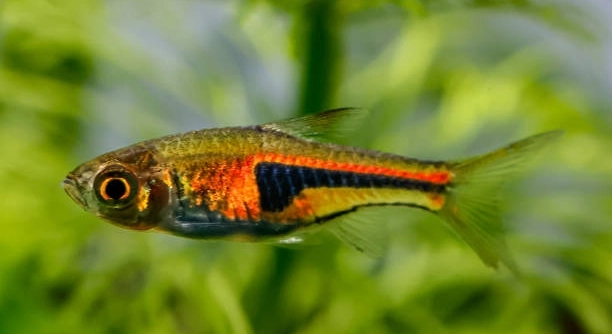
Rasboras are small, colorful fish often kept in home aquariums. Many fish owners notice their pets seem to learn feeding schedules over time. Understanding if rasboras can remember feeding times can improve care routines and fish well-being.
Rasboras demonstrate the ability to form memories related to feeding schedules through associative learning. They can anticipate feeding times based on environmental cues and routine, showing behavioral changes that suggest a learned temporal pattern.
Exploring how these fish remember feeding times reveals important insights for maintaining a healthy aquarium environment. This knowledge helps create consistent and stress-free feeding practices for rasboras.
How Rasboras Learn Feeding Times
Rasboras use cues from their environment to learn when feeding happens. Over days or weeks, they notice changes like light, sounds, or movements near the tank. These signals help them associate certain times with food availability. When feeding happens regularly, their behavior changes; they become more active around feeding time. This kind of learning is called associative learning, where an animal links one event to another. It is a simple but effective way for fish to adapt to their environment. This memory helps rasboras avoid wasting energy searching for food when it is not available. It also reduces stress because they expect food at certain times. This pattern can become so strong that rasboras start swimming toward the feeding area before the food appears.
Regular feeding schedules make it easier for rasboras to form these memories and keep a steady routine.
Creating consistent feeding habits supports the health and natural behavior of rasboras in home tanks.
Signs That Rasboras Remember Feeding Times
Rasboras show clear signs of remembering when feeding will happen. They swim eagerly near the tank surface or gather in specific areas as feeding time approaches. This behavior grows stronger with repeated, timed feedings.
Fish owners often notice that rasboras become more active before feeding, showing anticipation rather than random swimming. This anticipation reduces over time if the feeding schedule changes or becomes irregular. In some cases, rasboras may ignore feeding signals if they are hungry at unexpected times, but this usually decreases when the schedule is stable. Consistent feeding trains the fish’s internal clock and helps maintain their natural rhythms. Understanding these signs can improve how feeding is managed, leading to less stress for the fish and a healthier aquarium environment. This approach benefits both the fish and the owner by promoting better interaction and care.
Factors Influencing Memory in Rasboras
Several factors affect how well rasboras remember feeding times. These include the consistency of feeding, environmental stability, and the age of the fish. Regular schedules and minimal disturbances help strengthen memory formation.
Fish that experience irregular feeding or sudden changes in their environment may struggle to develop strong feeding time memories. Stability allows their brains to make clearer associations between cues and food. Younger rasboras tend to learn faster, while older ones might need more repetition. Stress and poor water quality can also reduce their ability to remember. Creating a calm and consistent habitat improves their learning and overall health. Ensuring proper tank conditions and a steady routine supports rasboras’ natural behavior patterns and memory retention.
Feeding times combined with environmental cues work together to create lasting memories in rasboras. These factors shape how reliably they anticipate meals.
Improving Feeding Time Memory in Rasboras
To help rasboras remember feeding times better, maintain a fixed schedule and limit sudden changes in their tank. Predictable feeding routines reinforce their ability to learn and anticipate.
Consistency is key. Feeding at the same time daily helps rasboras form strong associations. Use gentle cues like tapping the tank lightly or turning on a light before feeding. These signals become linked to meal times, aiding memory. Avoid overfeeding or skipping meals, as irregular patterns confuse the fish and weaken their learning. Keeping the tank clean and stable reduces stress, further supporting memory development. Paying attention to these details leads to a happier, more responsive group of rasboras that adapt well to their environment.
Common Misunderstandings About Rasbora Memory
Some believe fish like rasboras have no real memory. This idea comes from misunderstanding how simple their brains are. In reality, they do remember routines like feeding times.
Memory in fish isn’t like human memory but serves important survival functions. Rasboras remember patterns that help them thrive, such as when and where food appears.
The Role of Environmental Cues in Memory Formation
Environmental cues such as light changes, sound, or movement near the tank help rasboras learn feeding times. These signals create a pattern the fish recognize and associate with food. When these cues occur regularly, rasboras anticipate feeding, showing increased activity. Without cues, memory formation weakens, making the fish less responsive to feeding schedules. Consistent cues alongside feeding reinforce the fish’s internal clock and promote predictable behavior, improving care and interaction.
How Stress Affects Rasbora Memory
Stress can reduce a rasbora’s ability to remember feeding times by affecting their focus and behavior.
FAQ
Can rasboras really remember feeding times?
Yes, rasboras can remember feeding times through associative learning. They pick up on regular cues like light or tank noises that happen before feeding. Over time, they start to expect food around the same time every day, which changes their behavior. This helps them conserve energy and reduces stress by creating a predictable routine.
How long does it take for rasboras to learn a feeding schedule?
Usually, rasboras start showing signs of learning within a week of consistent feeding times. If you feed them at roughly the same time every day and use the same environmental signals, like switching on a light or tapping the tank, they quickly make the connection. Patience is important because irregular schedules or stress can delay this process.
What environmental cues help rasboras remember feeding?
Light changes, sounds like tapping the tank or opening a lid, and even your movements near the aquarium are common cues. These signals help fish associate certain activities with feeding. Repeated exposure to these cues before feeding creates a strong memory link. Without such cues, it’s harder for them to learn or predict feeding times.
Can stress affect a rasbora’s memory of feeding times?
Yes, stress negatively impacts their ability to learn and remember. Poor water quality, sudden changes in tank conditions, or aggressive tank mates can cause stress. When stressed, rasboras may become less responsive and fail to recognize feeding cues. Maintaining a calm, stable environment is crucial for helping them form and retain memories.
Is it necessary to feed rasboras at the exact same time every day?
While exact timing isn’t absolutely necessary, feeding at consistent times helps rasboras build stronger feeding memories. A regular routine allows them to anticipate meals and reduces stress. Varying feeding times too much can confuse the fish and weaken their learned behavior. Aim for a consistent schedule to support their natural rhythms.
What happens if I miss a feeding or change the schedule suddenly?
If you miss a feeding or change the schedule abruptly, rasboras may become less certain about when food is coming. This can cause stress and disrupt their routine. However, if you return to a consistent schedule quickly, they usually adjust. Sudden changes should be avoided to keep the fish calm and confident.
Do older rasboras have a harder time remembering feeding times?
Older rasboras might take longer to learn new routines compared to younger fish, but they still retain the ability to form memories. Age can slow the learning process, so patience and consistency are key when working with older fish. Keeping their environment stable helps maintain their cognitive function.
Can I train my rasboras to respond to specific signals for feeding?
Yes, you can train rasboras to respond to consistent signals like tapping the tank or turning on a light before feeding. Over time, they associate these signals with food, which causes them to become active or gather in feeding areas when the signals occur. This simple training makes feeding easier and more predictable.
How can I reduce stress to help my rasboras remember feeding times better?
Keep water clean and parameters stable, avoid overcrowding, and provide hiding spots. Minimize sudden changes in lighting or tank decor. Feed a balanced diet on a steady schedule. Reducing stress helps the fish stay healthy and improves their ability to learn and remember routines.
Are there signs that show my rasboras have learned feeding times?
Yes, signs include increased activity near feeding areas just before meal time, swimming to the surface or where food is usually given, and gathering together expectantly. These behaviors indicate the fish are anticipating food based on memory rather than random chance. Observing these signs means your feeding routine is working well.
Rasboras show a clear ability to learn and remember feeding times through regular schedules and environmental cues. This learning helps them anticipate meals, which supports their natural behavior and reduces stress in a home aquarium. Consistent feeding routines create a stable environment where rasboras can feel secure and confident. By forming simple memories related to feeding, these small fish adapt well to their surroundings and improve their overall well-being.
Maintaining a calm and predictable tank environment is important for helping rasboras retain their memory of feeding times. Factors such as clean water, stable temperature, and minimal disruptions contribute to their comfort and learning ability. Stressful conditions or irregular feeding can weaken their memory and cause confusion. Providing clear cues like light changes or tapping the tank before feeding also strengthens the connection between signals and food. These practices encourage healthy habits and make caring for rasboras easier and more rewarding.
Understanding how rasboras remember feeding times offers practical benefits for anyone keeping these fish. It highlights the value of routine and consistency in fish care. Feeding at roughly the same times daily, using gentle cues, and minimizing stress all play a role in supporting their natural behaviors. This knowledge can improve the relationship between owner and fish, helping the rasboras thrive in their aquarium home. Keeping these points in mind ensures a healthier, happier environment for the fish over time.

Hello,
If you enjoy the content that we create, please consider saying a "Thank You!" by leaving a tip.
Every little bit helps us continue crafting quality advice that supports the health, happiness, and well-being of pets around the world, for pets of all shapes, sizes, and species.
We really appreciate the kindness and support that you show us!