
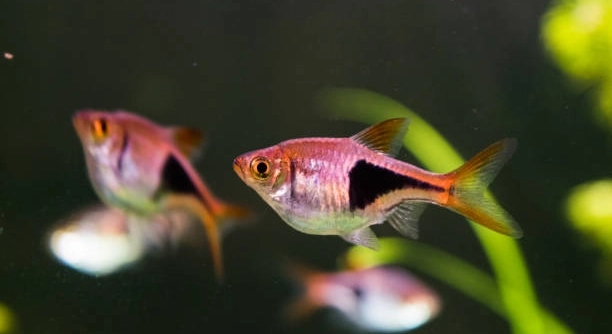
Have you ever watched your Rasboras swim and noticed them schooling alongside other types of fish in your community tank?
Rasboras may school with other species when they share similar size, coloration, and temperament. This behavior often occurs in peaceful community tanks where compatible species form mixed schools for safety, comfort, and social interaction.
Understanding these moments helps you create a more peaceful and enriching tank environment for your Rasboras and their companions.
When Rasboras Feel Unsafe
Rasboras often school with other species when they feel unsafe or exposed in their environment. This behavior is a natural response to perceived threats. In a tank that lacks enough hiding spots or has sudden lighting changes, Rasboras may instinctively join nearby peaceful fish of similar size. Schooling provides protection, helping them feel less vulnerable. Fish like tetras, danios, or other small cyprinids may be seen swimming together with Rasboras during these moments. It’s not about forming lasting bonds but about responding to a shared sense of risk. When conditions improve, Rasboras often return to their usual group.
Keeping the tank calm and predictable helps reduce this stress-related behavior and supports a more stable school.
Make sure your tank includes plants, driftwood, or caves so your Rasboras can feel more secure. Avoid keeping them in tanks with aggressive or large fish, as this can increase the chances of mixed schooling under stress.
When They’re Outnumbered
Rasboras will sometimes join other schools when they don’t have enough of their own kind around them.
If there are only one or two Rasboras in a tank, they may feel uncomfortable or isolated. These fish naturally prefer to be in groups of six or more. When kept in small numbers, they will often look for the next best thing—fish that look or behave similarly. They might join schools of tetras, especially species like neons or cardinals, because of shared behavior and body size. This isn’t ideal, though. While mixed schooling can happen, it’s not a replacement for being with their own kind. Over time, this can lead to stress or reduced activity. Rasboras are at their best when surrounded by their own species. If you notice yours schooling with others more often than not, it might be time to increase their group size. Doing so supports their natural behavior, brings out their colors, and improves their overall well-being.
During Feeding Time
Rasboras sometimes school with other species when food is introduced to the tank. This isn’t social—it’s about getting to the food quickly and not missing out.
When flakes or pellets hit the water, Rasboras often speed up and join any nearby group already swimming toward the food. If the other fish are calm and similar in size, Rasboras feel safe darting in with them. They’ll mirror the movement of tetras, danios, or other peaceful fish during these brief, focused moments. This behavior is usually temporary and fades once feeding is done. If food isn’t distributed evenly, Rasboras may follow the lead of other species that are quicker to reach floating bits. To avoid competition or missed meals, spread the food across the surface and keep an eye on their feeding response. Ensuring Rasboras eat without being pushed aside helps maintain their health and confidence during feeding sessions.
Even if Rasboras eat alongside other fish, they should still be observed to make sure they’re not being outcompeted. Some faster or more dominant species can cause Rasboras to hang back or eat less than they need. Watch for any changes in behavior like hesitation, and adjust feeding locations or timing if needed. Balanced feeding supports peaceful group interactions.
When Light Conditions Change
Sudden lighting changes can make Rasboras feel uneasy, pushing them to group with other fish. It’s a quick way to feel safe when their surroundings shift too fast.
They may also follow other schooling fish toward shaded or dimmer areas of the tank. This behavior usually settles after a short while.
In Community Tanks with Similar Fish
Rasboras will often school with other peaceful species in community tanks when they have similar shape, size, or swimming style. Fish like harlequin rasboras, neon tetras, or ember tetras are common examples. This usually happens when there are not enough Rasboras in the group or when all fish are feeling calm and secure. The schooling can appear synchronized, but it’s more about environmental harmony than forming bonds. These mixed schools are typically loose and temporary. To encourage more natural Rasbora behavior, try to maintain a balanced tank population, avoid overcrowding, and ensure all fish have space to swim without feeling pressured or stressed.
When Introducing New Tankmates
Rasboras sometimes follow or school with new fish during introductions. It’s a way of observing them without direct interaction.
FAQ
Can Rasboras permanently school with other species?
No, Rasboras do not form permanent schools with other species. While they may occasionally swim with tetras, danios, or other peaceful fish, it’s usually a temporary response to a shared environment or stress. Their natural behavior is to school with their own kind. Keeping a proper group of at least six Rasboras encourages healthier, more consistent schooling. When grouped properly, they feel more secure and are less likely to seek comfort from unrelated fish. Mixed schooling should be seen as a short-term adjustment, not a replacement for proper stocking.
Do Rasboras get lonely without a school?
Yes, Rasboras are social fish and can become stressed or withdrawn if kept alone or in pairs. Without a proper group, they often hide more, lose color, or become less active. Schooling is part of their natural instinct. It helps reduce anxiety and supports normal feeding and swimming behavior. Always aim to keep them in groups of at least six. This allows them to interact naturally and remain active and visible in the tank.
Is it normal for Rasboras to swim with tetras or danios?
Yes, it’s normal if they are in a peaceful, mixed-species community tank. When fish are similar in size and temperament, mixed schooling can happen, especially during feeding or sudden changes in the tank. Rasboras may temporarily follow tetras or danios, especially if their own group is small. While this is harmless in the short term, it’s better to maintain a larger school of Rasboras so they can display their natural behavior more consistently.
What triggers Rasboras to join other schools suddenly?
Sudden schooling with other species usually happens because of stress, changes in lighting, new tankmates, or a small Rasbora group. These triggers can make Rasboras feel unsafe or uncertain, so they react by grouping with any nearby peaceful fish. It’s a natural safety instinct. Once the tank environment stabilizes or their own school grows, this behavior usually fades. Watching for the cause can help adjust tank conditions for better comfort and behavior.
Can mixed schooling cause long-term stress?
Yes, if Rasboras are constantly schooling with other species due to a lack of their own kind, they may feel unsettled over time. While peaceful community tanks allow some flexibility, Rasboras do best when surrounded by their own species. Constant mixed schooling is a sign they might be lacking proper social interaction. Long-term, this can affect their activity levels and overall health. It’s always best to provide enough tankmates of the same type.
How do I stop Rasboras from schooling with other species?
Start by increasing the Rasbora group size. Make sure they have at least six, though more is often better. Provide plenty of swimming space, gentle current, and calm tankmates. Check that lighting changes aren’t too harsh and that they’re not being outcompeted for food. These changes often reduce mixed schooling by creating a more secure environment. When Rasboras feel safe and socially fulfilled, they usually stay with their own group naturally.
Is mixed schooling dangerous?
Not usually, but it depends on the tankmates involved. If Rasboras are schooling with peaceful fish like tetras or danios, it’s generally safe. However, if they start grouping with faster, more dominant, or semi-aggressive fish, they might be stressed or chased during feeding. Over time, this stress can lead to health problems. Always monitor tank dynamics and avoid keeping Rasboras with incompatible species. A calm, balanced tank helps keep them comfortable and healthy.
Final Thoughts
Rasboras are peaceful, social fish that thrive when they feel safe and supported in their environment. Their tendency to school with other species is usually a sign of either stress, curiosity, or a lack of their own kind. While it may seem interesting or even cute to watch them swim alongside other fish, this behavior often points to something deeper. Understanding why Rasboras behave this way can help you improve their care. When kept in proper groups with enough space, gentle lighting, and calm tankmates, Rasboras are more likely to stay close to their own species. They become more active, show brighter colors, and behave more naturally when they feel comfortable in their tank.
Mixed schooling isn’t always a bad sign, but it’s something to watch closely. If it happens only occasionally—during feeding, after a lighting change, or when new fish are added—it’s usually nothing to worry about. But if Rasboras are always schooling with other species, it could mean they feel out of place. This often happens when there are too few of them in the tank or when they’re living with more dominant fish. Making simple adjustments like increasing their numbers or changing tank layout can reduce this behavior. Small changes often have a big impact on their comfort and social habits. Rasboras are gentle by nature and do best in peaceful, well-balanced tanks.
Creating a supportive environment for Rasboras doesn’t require anything complicated. Make sure they have a group of six or more, add hiding spots like plants or driftwood, and avoid pairing them with aggressive fish. Pay attention to their feeding habits and how they interact with other species. These small details can tell you a lot about how they’re feeling. When Rasboras are cared for properly, they rarely need to rely on other species for comfort. Instead, they form tight, graceful schools that move smoothly through the tank. This not only benefits their health but also creates a beautiful and relaxing scene for anyone watching. By meeting their basic social needs, you give your Rasboras the chance to behave as they were meant to—peaceful, active, and always together.

Hello,
If you enjoy the content that we create, please consider saying a "Thank You!" by leaving a tip.
Every little bit helps us continue crafting quality advice that supports the health, happiness, and well-being of pets around the world, for pets of all shapes, sizes, and species.
We really appreciate the kindness and support that you show us!