
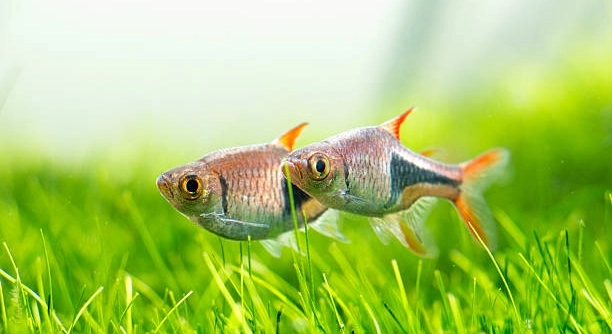
Rasboras are popular small fish known for their peaceful nature and lively swimming. Sometimes, they act skittish, which can worry their owners. Understanding why they behave this way can help create a better environment for these delicate fish.
Skittish behavior in rasboras is commonly caused by sudden changes in water conditions, poor tank setup, overcrowding, presence of predators, insufficient hiding spots, improper diet, and stress from frequent disturbances. Each factor impacts their sense of safety and well-being.
Knowing these causes helps fishkeepers improve their rasboras’ comfort and health. Paying attention to tank conditions and care routines can reduce nervousness and support happier fish.
Sudden Changes in Water Conditions
Rasboras are sensitive to their environment, especially changes in water temperature, pH, and hardness. When these parameters shift quickly, it can make them feel unsafe, causing them to dart around nervously. For example, adding cold water during a water change or switching to a different water source without proper adjustment can trigger this reaction. Even subtle changes, like a rise in ammonia or nitrite levels, affect their behavior. Keeping water stable helps rasboras feel secure and reduces stress. Regular water testing and gradual changes are important for their comfort. If water conditions are kept constant, rasboras will swim calmly and enjoy their tank more.
Maintaining consistent water quality is essential for rasboras’ well-being. Sudden water changes disturb their natural balance and cause skittish behavior.
Monitoring water parameters regularly and performing small, gradual water changes helps keep rasboras calm and healthy. It’s best to use a water conditioner and ensure new water matches the tank’s temperature and chemistry closely.
Poor Tank Setup
A poorly arranged tank can increase rasboras’ stress and skittishness. Lack of plants or hiding spots leaves them feeling exposed and vulnerable. Rasboras naturally seek cover among plants or decorations to hide from perceived threats. Without these, they swim nervously near the surface or tank edges. Additionally, an empty or too brightly lit tank can make them uncomfortable, causing sudden darting or jumping. To create a suitable home, add plenty of live or artificial plants, smooth decorations, and dim lighting. This setup mimics their natural habitat and offers security.
Providing a comfortable environment is key to calm behavior in rasboras.
When setting up a tank for rasboras, include dense planting, hiding spots, and gentle lighting. This reduces fear and encourages natural behavior. Avoid sharp or rough decorations that might injure the fish if they jump or swim quickly. Positioning the tank away from heavy foot traffic or loud noises also helps minimize sudden fright responses. Over time, these small adjustments improve the fish’s confidence and reduce skittishness. A well-set tank supports their health, making them more active and relaxed. This creates a better experience for both the fish and the owner.
Overcrowding in the Tank
Too many fish in one tank can make rasboras nervous. Overcrowding reduces swimming space and increases competition for food and oxygen, which stresses them out.
When the tank is crowded, rasboras may hide more often or swim erratically to avoid bumping into others. Stress weakens their immune system and makes them prone to illness. It’s important to provide enough space for each fish to swim freely and establish its own territory. A general rule is one inch of fish per gallon of water, but this can vary based on species and tank setup. Avoid overstocking and consider species compatibility to keep the tank peaceful. Proper filtration and frequent water changes also help maintain water quality when the fish population is high.
Providing a balanced number of fish improves their behavior and overall health. Rasboras in a well-sized tank swim calmly and interact naturally without constant stress from overcrowding.
Presence of Predators
Rasboras are small and timid, so the presence of larger or aggressive fish causes them to act skittish. They sense danger and try to escape quickly.
In a tank with predators, rasboras often stay near plants or decorations, avoiding open water. Constant stress from being chased or threatened leads to poor health and reduced activity. To keep rasboras safe, avoid housing them with aggressive or much larger fish. Choose peaceful tank mates that match their size and temperament. If you already have predatory fish, consider separating the rasboras into a species-only tank. A calm environment free of threats allows rasboras to show their natural, peaceful behavior without fear. This helps them thrive and stay healthy over time.
Insufficient Hiding Spots
Rasboras need places to hide to feel secure. Without enough cover, they become nervous and skittish.
Adding plants, rocks, or decorations provides safe spots for resting and escaping perceived threats. This reduces stress and promotes natural behavior.
Improper Diet
A poor diet can weaken rasboras, making them more prone to stress and nervous behavior. Balanced nutrition is essential.
Feeding a varied diet of high-quality flakes, pellets, and occasional live or frozen foods supports their health. Avoid overfeeding, which pollutes the tank and harms water quality. Proper feeding routines help keep rasboras energetic and less skittish.
Stress from Frequent Disturbances
Constant noise, tapping on the glass, or sudden movements near the tank upset rasboras. They respond by darting or hiding.
Reducing disturbances helps rasboras feel safe. Place the tank in a quiet spot and limit sudden interactions.
FAQ
Why does my rasbora dart around the tank suddenly?
Sudden darting usually means the fish feels threatened or stressed. This can happen due to changes in water quality, sudden noises, or even seeing their reflection in the glass. Keeping the tank environment calm and stable helps reduce this behavior. Providing plants and hiding spots also makes them feel safer.
How often should I change the water to keep my rasboras calm?
Regular water changes, about 20-30% weekly, help maintain good water quality and reduce stress. Avoid changing too much water at once, as big shifts can shock the fish. Using a water conditioner and matching the temperature of new water to the tank water are important steps.
Can rasboras live with other fish without being skittish?
Yes, but tank mates must be peaceful and similar in size. Aggressive or larger fish cause rasboras to feel scared and hide. Good companions include small tetras, danios, and peaceful bottom dwellers. Always watch how the fish interact and separate them if needed.
What’s the best diet to keep rasboras healthy and less skittish?
A balanced diet including quality flakes, pellets, and occasional live or frozen foods like brine shrimp or daphnia works best. Variety keeps them healthy and active. Overfeeding causes poor water quality, which stresses the fish, so feed small amounts once or twice a day.
How do I know if my rasboras are stressed?
Signs include hiding more than usual, sudden darting, loss of color, and reduced appetite. Stressed fish may also swim erratically or cling to tank decorations. Checking water quality and tank conditions often helps identify the cause and fix it quickly.
Can tank lighting affect rasboras’ behavior?
Yes, bright or flickering lights can make rasboras nervous. They prefer dimmer, natural lighting that mimics their habitat. Using floating plants or dimming the lights helps reduce stress. Avoid sudden changes in lighting to keep them comfortable.
Is it normal for rasboras to jump out of the tank?
Rasboras can jump if startled or if the water quality is poor. A secure tank lid prevents escapes. Sudden noises, aggressive tank mates, or lack of hiding spots often cause jumping. Keeping the tank calm and stable lowers the risk.
How can I reduce stress caused by tank maintenance?
Perform water changes and cleaning gently and slowly. Avoid tapping on the glass or sudden movements near the tank. Use soft equipment and keep the fish’s routine consistent to minimize stress during maintenance.
What temperature is best for rasboras to feel comfortable?
Most rasboras do well in water temperatures between 72°F and 79°F (22°C–26°C). Keeping temperature stable within this range helps avoid stress. Use a reliable heater and thermometer to monitor tank temperature regularly.
Are there any signs that mean I should change my tank setup?
If rasboras constantly hide, jump, or show stress behaviors despite good water quality, it might be time to add more plants, decorations, or adjust lighting. Overcrowding or aggressive tank mates are also reasons to rethink the setup for their comfort and safety.
Rasboras are delicate and peaceful fish that need a calm and stable environment to feel safe. When they act skittish, it usually means something in their tank or care routine is causing stress. This could be sudden changes in water quality, an overcrowded tank, or the presence of more aggressive fish. Even things like poor diet, lack of hiding places, or frequent disturbances can make them nervous. Understanding these causes is important for anyone who wants to keep rasboras healthy and happy. Paying attention to their behavior can give clues about what might need to change in their care.
Creating a comfortable home for rasboras takes some effort but is very rewarding. Regular water testing and gradual water changes help keep their environment stable. Providing plenty of plants and decorations gives them places to hide and feel secure. Avoiding overcrowding and choosing peaceful tank mates reduce stress. Feeding them a balanced diet and not overfeeding helps maintain good water quality and keeps the fish energetic. Also, reducing loud noises and sudden movements around the tank makes a big difference in their comfort level. Small changes can lead to big improvements in how calm and natural rasboras behave.
Overall, keeping rasboras from acting skittish means focusing on their basic needs. Stability, safety, good nutrition, and a peaceful environment are key. When these needs are met, rasboras swim more confidently, show their true colors, and live longer, healthier lives. Watching them settle in and enjoy their home is a satisfying experience. For anyone caring for these little fish, being patient and attentive makes all the difference. With the right care, rasboras can be a joyful and peaceful addition to any aquarium.

Hello,
If you enjoy the content that we create, please consider saying a "Thank You!" by leaving a tip.
Every little bit helps us continue crafting quality advice that supports the health, happiness, and well-being of pets around the world, for pets of all shapes, sizes, and species.
We really appreciate the kindness and support that you show us!