
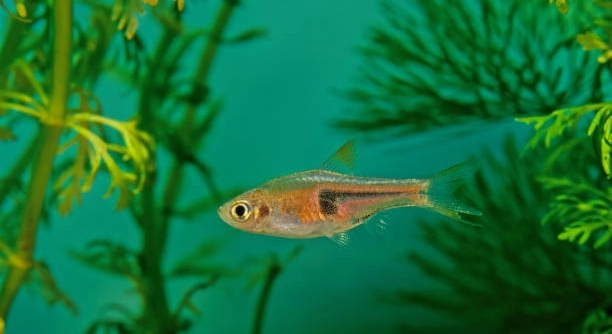
Rasboras are small, active fish often seen in home aquariums. Their swimming patterns sometimes include unusual loops that can catch the eye of many fishkeepers. These loops may seem strange but have specific reasons behind them.
The strange swimming loops of rasboras are caused by natural behaviors such as schooling, territorial display, and environmental exploration. These loops help rasboras communicate, navigate their surroundings, and maintain social bonds within their group.
Understanding these unique swimming habits can improve your aquarium experience and help you better care for your rasboras. Knowing why they swim this way reveals much about their behavior and needs.
Schooling Behavior and Group Dynamics
Rasboras often swim in loops as part of their schooling behavior. Swimming in groups helps them feel safe and protected from predators. When they form loops, it keeps the group tight and coordinated. These loops allow rasboras to check on each other and move smoothly through the water. The looping pattern also helps them avoid obstacles and adjust their speed together. This behavior is natural and important for their survival. It also reflects their social nature. The loops may look strange, but they serve a clear purpose in maintaining group cohesion. Watching these loops can be quite calming, as it shows how the fish interact and communicate silently. This behavior is common among many small schooling fish, not just rasboras, but the loops are more noticeable due to their quick, darting movements.
Schooling loops help rasboras stay organized and safe. The fish rely on these movements to respond to changes in their environment quickly.
Recognizing schooling loops can help aquarists identify if their fish feel comfortable or stressed. A healthy school will swim in close loops, showing good interaction and trust within the group.
Territorial Displays and Communication
Rasboras also use swimming loops as a way to establish and maintain territory. When a fish loops around a specific area, it signals ownership and warns others to keep away. This behavior is most common when males defend their space during breeding or feeding times. Loops in this case tend to be faster and more focused. The movement sends a clear message without the need for aggression. Fish that respect the signal usually keep their distance, helping to reduce fights and stress. These loops are part of their natural communication methods, using motion instead of sound or color changes alone. Aquarists might notice these loops near plants, decorations, or hiding spots. Knowing this helps in arranging tanks with enough space and cover to reduce territorial disputes.
Territorial loops are a form of nonverbal communication among rasboras. They keep peace and order within the aquarium.
Providing enough room and hiding places minimizes tension caused by territorial swimming loops. It promotes a calmer environment where all fish can thrive without constant confrontation.
Environmental Exploration and Curiosity
Rasboras often swim in loops while exploring their surroundings. This behavior helps them understand changes in their environment and locate food or shelter. It’s a natural way for them to stay aware and safe.
Exploring by swimming in loops allows rasboras to inspect different parts of the tank thoroughly. These loops give them time to sense water currents, temperature changes, and the presence of other fish or objects. This pattern also helps them avoid sudden threats. The loops can vary in size and speed depending on what they are investigating. Sometimes, this movement appears playful but serves a practical purpose in gathering information.
The curious looping also encourages activity and mental stimulation. Fish that explore tend to stay healthier and more engaged. This behavior shows they are comfortable in their habitat and confident enough to investigate. An unstimulating environment may reduce such loops and make fish less active.
Feeding Behavior and Looping Patterns
Feeding time often triggers unique looping movements. Rasboras loop around food sources to gather and compete for bits of food. This action helps them share space while feeding without causing too much conflict.
Loops during feeding are usually quick and focused, guiding fish to where food is settling. These movements help rasboras find food more efficiently and avoid overcrowding in one spot. The loops also allow shy fish to sneak in and grab food unnoticed by more dominant tankmates. Feeding loops show the balance between competition and cooperation in the group.
Observing feeding loops gives clues about the fish’s health and diet satisfaction. If fish don’t loop or chase food, it may signal stress or illness. Offering food in varied ways can encourage natural looping and active feeding behavior, improving overall well-being.
Stress and Discomfort Indicators
Rasboras may swim in tight or erratic loops when feeling stressed or uncomfortable. This behavior signals that something in their environment may need attention.
Common causes include poor water quality, overcrowding, or sudden changes in tank conditions. Recognizing these loops early helps prevent health issues.
Mating Rituals and Courtship Loops
During mating season, male rasboras perform looping swims to attract females. These loops showcase their fitness and readiness to breed. The movements are often slower and more deliberate compared to other loops.
Males loop around females or near specific spots to display their colors and strength. This behavior increases the chance of successful spawning by signaling interest and encouraging the female’s response.
Navigation and Orientation
Looping helps rasboras maintain their sense of direction. In complex tank setups, loops assist them in mapping their space and avoiding obstacles.
Understanding this can improve tank design for better fish comfort.
FAQ
Why do rasboras swim in loops instead of straight lines?
Rasboras swim in loops as part of their natural behavior to stay connected with their group and explore their surroundings safely. Looping helps them adjust their speed and direction while maintaining social bonds and avoiding threats. This movement is more effective in crowded or complex environments than swimming in straight lines.
Is looping a sign of stress or illness in rasboras?
Not always. While erratic or very tight loops can indicate stress or discomfort, normal looping often relates to social or environmental behaviors like schooling or exploration. If looping is paired with other signs like loss of appetite or hiding, then stress or illness might be the cause.
How can I reduce stress-related looping in my rasboras?
Make sure your tank has stable water conditions, enough space, and hiding spots. Avoid overcrowding and sudden changes in light or temperature. Keeping a calm environment helps reduce stress and abnormal swimming behaviors.
Do all rasbora species exhibit looping behavior?
Most rasbora species show some form of looping, though the frequency and style may vary. These loops are natural for their schooling and social habits, so expect some differences depending on the species and tank setup.
Can looping be part of their feeding behavior?
Yes, looping often happens during feeding as rasboras swim around to locate food and avoid crowding. This helps both dominant and shy fish access food without conflict.
What does looping during mating mean?
Looping during mating is part of courtship rituals. Males swim in loops to attract females and show their fitness. This behavior helps communicate readiness and encourages spawning.
Should I be concerned if my rasboras loop a lot?
If the looping looks smooth and consistent, it is normal. Concern arises when loops become frantic, tight, or paired with other distress signs like lethargy. Regular observation helps you know what is typical for your fish.
How does tank setup influence looping?
Tanks with plenty of swimming space, plants, and hiding spots encourage natural looping and reduce stress. Overcrowded or barren tanks may cause more erratic loops due to discomfort or confusion.
Is looping a way for rasboras to navigate their tank?
Yes, looping helps them map their environment and avoid obstacles. This behavior is important in tanks with decorations or uneven layouts.
Can looping behavior change with age or health?
Younger, healthy rasboras tend to loop more actively as they explore and socialize. Older or unwell fish may loop less or swim erratically. Monitoring changes in looping can signal health issues.
How can I encourage healthy looping behavior?
Provide a stable environment with clean water, balanced diet, and enough space. Adding plants and decorations for exploration supports natural swimming patterns and reduces boredom.
Are looping patterns unique to individual fish?
There can be small differences based on personality and health, but looping is generally a group behavior. Some fish may loop more or less depending on their role in the school or mood.
Does lighting affect looping behavior?
Bright or sudden changes in lighting can stress rasboras and alter their swimming. Soft, consistent lighting promotes calm behavior and natural looping.
Can looping help detect tank problems?
Yes, unusual looping or frantic swimming may point to water quality issues, disease, or tank disturbances. Early recognition helps address problems before they worsen.
How important is observation of swimming patterns?
Watching swimming patterns like looping is an easy way to gauge fish health and happiness. Regular observation allows timely action to maintain a healthy aquarium.
Final Thoughts
Rasboras’ looping swimming patterns are a natural and important part of their behavior. These loops serve many purposes, such as helping them stay connected with their group, exploring their environment, and communicating with each other. While the loops might look strange at first, they reflect how these fish interact and adapt to their surroundings. Understanding these patterns gives us better insight into what rasboras need to feel safe and comfortable in an aquarium setting.
Paying attention to looping behavior can help fishkeepers spot early signs of stress or health issues. Normal loops are smooth and purposeful, while unusual or frantic loops might mean something is wrong. Changes in water quality, overcrowding, or lack of hiding places can cause discomfort that shows up as strange swimming. By creating a stable and spacious tank with good water conditions and plenty of plants or decorations, it’s easier to support healthy looping behaviors. This care helps rasboras feel secure and thrive.
In the end, recognizing the meaning behind rasboras’ swimming loops can improve how we care for them. These movements are not just random but part of their natural habits and social life. Observing their loops regularly encourages better tank management and a closer connection with the fish. Knowing why rasboras swim this way allows for a more peaceful aquarium where the fish are active, healthy, and happy. It’s a small detail that can make a big difference in their well-being.

Hello,
If you enjoy the content that we create, please consider saying a "Thank You!" by leaving a tip.
Every little bit helps us continue crafting quality advice that supports the health, happiness, and well-being of pets around the world, for pets of all shapes, sizes, and species.
We really appreciate the kindness and support that you show us!