
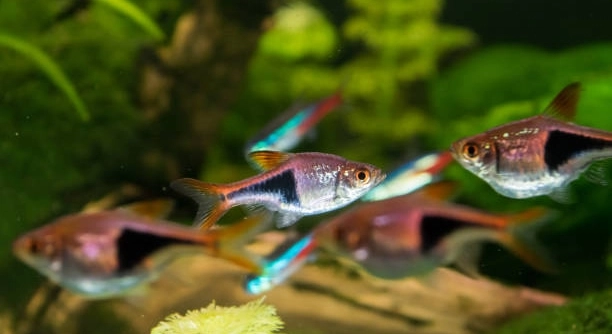
Rasboras are small, peaceful fish often found in home aquariums. Many owners notice these fish resting together, creating a calm and gentle environment. Their behavior can tell us a lot about their social nature and comfort levels.
Rasboras do prefer to rest together as they are schooling fish by nature. Group resting helps reduce stress and offers protection, promoting a sense of safety and well-being in their environment. This social behavior is typical and beneficial for their health.
Learning more about how Rasboras interact can improve how you care for them. Observing their resting habits reveals important insights into their needs and behaviors.
Why Rasboras Rest Together
Rasboras naturally feel safer in groups, which is why you often see them resting close to one another. Being small fish, they rely on numbers to protect themselves from potential threats. When resting together, they share body heat and reduce stress, making them feel calm. This behavior also helps them maintain social bonds within the group. If a Rasbora is kept alone, it may feel lonely or anxious, leading to unhealthy behavior or weakened immune response. Observing their resting habits can help owners understand if the tank environment is suitable. A well-planted tank with enough hiding spots will encourage them to feel secure enough to relax in groups. Group resting is a sign that your fish are comfortable and healthy.
Their natural tendency to school makes resting together a key part of their daily routine, helping maintain their overall well-being.
Watching Rasboras rest side by side shows how much they depend on each other for security and comfort. Their peaceful group behavior makes them pleasant to watch and care for in an aquarium setting.
Resting Behavior and Tank Setup
Tank conditions influence how Rasboras rest.
Rasboras prefer dim lighting and calm water to feel relaxed enough for resting. Bright lights or strong currents can make them restless or stressed, causing them to hide or swim more actively instead of resting. A planted aquarium with gentle water flow simulates their natural environment and encourages group resting. Open spaces combined with hiding spots allow Rasboras to choose where they feel safest. Consistent water quality and temperature also support their comfort. When tank conditions are right, Rasboras will display natural behaviors such as swimming calmly in schools and resting together. Maintaining these conditions helps reduce stress and illness. Knowing how tank setup affects resting behavior allows owners to provide a better home and observe healthier, happier fish over time.
Group Size and Resting Habits
Rasboras tend to rest better in groups of five or more. Smaller groups may feel insecure and display less resting behavior.
A group of five or more allows Rasboras to spread out while still staying close enough for safety. This number supports their natural schooling instincts, helping reduce stress and promoting more frequent resting. In smaller groups or when kept alone, they may become skittish or overly active, avoiding rest due to anxiety. Larger groups create a peaceful atmosphere where fish feel supported by their peers, which encourages more natural, relaxed behaviors.
Grouping Rasboras properly also helps balance social interactions. It prevents dominance issues and keeps the fish comfortable, contributing to their overall health and well-being. Watching a well-sized group rest together is a sign of a healthy and harmonious aquarium.
Signs Rasboras Are Resting Together
Resting Rasboras often hover near plants or decorations in close proximity to each other.
When resting, Rasboras slow their movements and gather in small clusters, often near shaded or sheltered spots. Their fins may be less active, and they show less interest in exploring or feeding. This stillness signals they feel safe enough to relax together. In contrast, stressed or lonely Rasboras tend to swim quickly or hide alone. Group resting shows they trust their environment and companions. Regular observation helps spot changes in resting patterns, which can indicate tank stress or health issues. Noticing these signs allows timely care adjustments, helping maintain a calm and balanced aquarium for your Rasboras.
Ideal Resting Spots for Rasboras
Rasboras prefer resting near plants, rocks, or decorations that provide shelter. These spots offer security and help them feel less exposed.
Shaded areas and gentle water flow near these spots encourage Rasboras to gather and rest calmly as a group, mimicking their natural habitat.
How Lighting Affects Resting
Bright lighting can make Rasboras uncomfortable and less likely to rest. They feel safer under dim or moderate lighting conditions. Lower light levels reduce stress and encourage more natural resting behaviors. Adjusting aquarium lighting to a softer, consistent level helps Rasboras feel secure and promotes their well-being.
Resting and Feeding Times
Rasboras often rest after feeding. Quiet periods following meals allow them to digest and relax.
Providing a stable feeding schedule helps regulate their activity and resting patterns.
Monitoring Resting Behavior
Changes in resting habits can signal health or environmental issues. Observing these changes helps maintain their comfort.
FAQ
Do Rasboras always rest together, or do they sometimes rest alone?
Rasboras mostly prefer to rest in groups because they feel safer together. However, there are times when a fish might rest alone, especially if it is sick or stressed. Usually, healthy Rasboras stick close to their school while resting to maintain safety and reduce anxiety.
How can I tell if my Rasboras are resting or if something is wrong?
Resting Rasboras usually hover calmly in one place, with slow fin movements and little interest in swimming or feeding. If a Rasbora is lying on the bottom, gasping, or separated from the group for long periods, it may be ill or stressed. Monitoring behavior and tank conditions is important for their health.
Is it necessary to keep a certain number of Rasboras for them to rest comfortably?
Yes, keeping at least five Rasboras is ideal. Smaller groups may cause stress and prevent natural resting behavior. Larger groups encourage schooling and help fish feel more secure, which promotes calm resting.
Can the tank setup affect how Rasboras rest together?
Tank setup plays a big role in resting behavior. A well-planted tank with hiding spots and gentle water flow creates a comfortable environment. Bright lights or strong currents make Rasboras uneasy and less likely to rest together. Good water quality and temperature stability also support peaceful resting.
Do Rasboras need special lighting to rest properly?
Rasboras prefer dim or moderate lighting for resting. Too much light can cause stress and disrupt their natural behavior. Using adjustable lighting or floating plants to soften the light helps Rasboras feel secure and encourages them to rest calmly.
How often do Rasboras rest during the day?
Rasboras don’t have strict resting schedules like land animals. They rest intermittently throughout the day, often in short periods. After feeding or during quiet times, they gather to rest. Watching their routine over several days helps understand their resting patterns.
What should I do if my Rasboras aren’t resting together?
If Rasboras avoid resting in groups, check the tank conditions first. Ensure the group size is sufficient, lighting is comfortable, and water quality is good. Add plants or decorations for shelter if needed. Stress or illness can also cause changes, so watch for other signs and act accordingly.
Can Rasboras rest while swimming slowly, or do they need to be still?
Rasboras often rest by swimming slowly in a loose group. They don’t always need to be completely still. This slow movement helps them stay alert while relaxing. Sudden or rapid swimming usually means they are stressed or alert, not resting.
Are there any risks if Rasboras don’t rest properly?
Lack of proper rest can lead to stress, weakened immune systems, and illness in Rasboras. Rest helps them recover energy and stay healthy. If resting behavior changes suddenly, it’s a good idea to check water conditions and overall tank environment.
Do different Rasbora species have different resting habits?
Most Rasbora species share similar schooling and resting behaviors. However, some species may prefer slightly different tank setups or resting spots based on their natural habitats. Learning about your specific Rasbora species helps provide the best care for their resting needs.
How important is social interaction for Rasboras during resting?
Social interaction is very important. Resting together strengthens group bonds and reduces fear. It creates a safer atmosphere that lowers stress. Without social contact, Rasboras may feel vulnerable, which affects their health and willingness to rest.
Can Rasboras rest at night?
Yes, Rasboras do rest at night. They are less active during dark hours, often gathering in sheltered spots or among plants. Nighttime rest is vital for their recovery and energy balance. Proper day and night lighting cycles help support this natural pattern.
Is it normal for Rasboras to rest at the bottom of the tank?
Usually, Rasboras rest near plants or decorations, not at the bottom. If they are resting on the bottom, it might indicate stress, illness, or poor water conditions. Healthy Rasboras tend to stay mid-level or near cover while resting.
Does tank size affect resting behavior?
Tank size can influence resting habits. A cramped tank limits swimming space and hiding spots, causing stress. A properly sized tank with enough room and plants allows Rasboras to form natural groups and rest comfortably. Small tanks often reduce their ability to rest well.
How do I encourage Rasboras to rest together if they seem restless?
Improve tank conditions by adding plants and decorations for shelter, lowering light intensity, and ensuring water quality is optimal. Keep at least five Rasboras together and avoid sudden changes in the tank. Calm environments encourage natural resting behavior.
What role does water temperature play in Rasbora resting habits?
Water temperature affects metabolism and activity. Too cold or too warm water can stress Rasboras, making them restless or lethargic. Maintaining stable, species-appropriate temperatures helps Rasboras feel comfortable and promotes regular resting behavior.
Rasboras are naturally social fish that feel safer and more comfortable when they rest together. Their preference for group resting is tied to their schooling instinct, which helps protect them from threats and reduces stress. In a home aquarium, providing the right environment where Rasboras can gather and rest as a group supports their health and well-being. Watching them rest calmly side by side is a sign that they feel secure and at ease in their surroundings. This behavior is important because resting helps fish recover energy and maintain good health.
Creating a suitable tank environment is key to encouraging Rasboras to rest together. Factors such as tank size, lighting, water quality, and the presence of plants or decorations all play a role. Dim lighting and gentle water flow make Rasboras feel less exposed and more willing to relax. Plants and hiding spots offer shelter where they can gather safely. It’s also important to keep a proper group size, ideally five or more fish, to allow natural schooling behavior. When these conditions are met, Rasboras will show their typical resting patterns, appearing peaceful and content in the aquarium.
Monitoring resting behavior can give useful insight into how well Rasboras are adapting to their environment. If they stop resting together or seem restless, it may indicate stress, illness, or unsuitable tank conditions. Paying attention to these changes can help prevent problems early by adjusting water parameters, improving tank setup, or checking for health issues. Overall, understanding Rasboras’ resting habits and meeting their needs supports their happiness and longevity in captivity. Providing a calm, secure home where they can rest comfortably is one of the best ways to care for these gentle, social fish.

Hello,
If you enjoy the content that we create, please consider saying a "Thank You!" by leaving a tip.
Every little bit helps us continue crafting quality advice that supports the health, happiness, and well-being of pets around the world, for pets of all shapes, sizes, and species.
We really appreciate the kindness and support that you show us!