
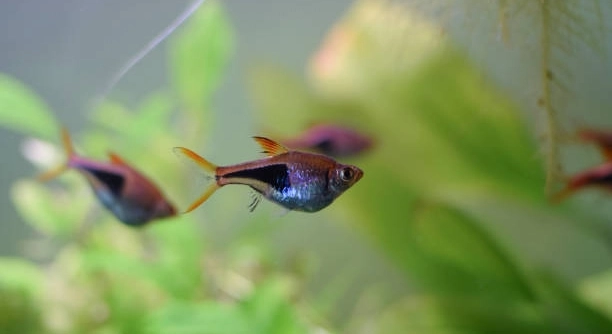
Have you ever noticed your rasbora becoming more reserved over time, even though their tank conditions haven’t changed much at all?
Rasboras may seem shyer over time due to changes in social dynamics, environmental stress, or inconsistent tank conditions. These factors can affect their confidence and behavior, especially in community tanks with more dominant or aggressive species.
Understanding their behavior helps you create a better environment and ensure their long-term comfort, safety, and overall well-being in your aquarium.
Common Reasons Behind Rasbora Shyness
Rasboras are known for their peaceful nature, but changes in their environment can cause noticeable shifts in behavior. One of the most common triggers is an imbalance in the group size. These fish thrive in larger schools, and when the group becomes too small, they may feel insecure and begin to hide more often. Another factor could be tank mates—if they share space with aggressive or overly active fish, rasboras may become timid over time. Poor lighting or sudden changes in water parameters can also influence how they behave. Even subtle disruptions in their daily routine, like frequent tank cleaning or loud sounds near the aquarium, can make them more withdrawn. Each of these factors can contribute to stress, which often shows up as shyness or reduced activity levels. Paying close attention to these signs can help you identify what needs to change in your tank setup.
Sometimes it’s not one big issue, but a mix of small changes that make your rasboras feel unsettled.
By maintaining a stable group size and reducing external stressors, your rasboras are more likely to stay active and confident in their space.
Environmental and Social Stress
Environmental stress can build up slowly. Bright lighting, limited hiding spots, or inconsistent water temperatures make it harder for rasboras to feel safe. A well-balanced tank helps prevent unnecessary stress.
Social stress plays a major role in rasbora behavior. These fish rely on the safety of their group, and when their school is too small, it creates insecurity. If they feel outnumbered by larger or faster-moving species, they may become reserved and stay near the bottom or behind plants. Even fish that are not openly aggressive can cause stress if they swim too quickly or dominate feeding times. On the environmental side, water quality should stay stable—fluctuations in temperature, pH, or hardness are common stressors. Soft lighting, plenty of plants, and regular water checks help create a calm setting. When social and environmental factors are balanced, rasboras are more relaxed, interactive, and visible throughout the tank. This helps them feel secure and improves their quality of life.
How Tank Setup Affects Confidence
A crowded or overly bare tank can make rasboras feel exposed and anxious. Without enough hiding spaces or visual barriers, they tend to stay in the corners or near the bottom, avoiding open areas altogether.
Plants, driftwood, and décor create a natural setting that helps rasboras feel secure. Tall plants in the background and bushy midground plants give them places to retreat when they feel uneasy. Avoid bright lighting or use floating plants to soften it. Rasboras prefer gentle currents, so placing the filter outlet where it doesn’t create strong flow helps them swim comfortably. Also, avoid mirrors or overly reflective surfaces, which can confuse or stress them. A soft substrate and dark background reduce reflections and help create a calm space. When the tank mimics a natural habitat, rasboras tend to swim more openly and interact with one another more often.
Routine also plays a role. Keep lighting and feeding on a schedule to give your rasboras structure. Sudden changes in their surroundings—like rearranging plants or adding new tank mates—can make them more withdrawn. Even switching food brands or feeding times too often might unsettle them. A consistent environment gives them a sense of control and helps build confidence. When things stay predictable, rasboras are more likely to feel safe and explore their surroundings without hesitation. Keeping the setup familiar, clean, and calm makes a big difference in their behavior over time.
Role of Tank Mates in Behavior
Some fish are naturally fast swimmers or overly curious, which can make rasboras nervous. If they’re always being chased away during feeding, they may retreat more often and avoid open swimming spaces.
It’s important to choose calm, compatible tank mates that match the rasboras’ peaceful temperament. Avoid pairing them with fin-nippers or larger, assertive fish that dominate the tank. Even if aggression isn’t direct, the constant movement or competition for food can lead to long-term stress. Good companions include small tetras, corydoras, or peaceful gouramis. Feeding is another key point—make sure rasboras get their share during mealtime. Use sinking pellets or scatter food across the tank to reduce competition. Spreading out the food gives everyone a fair chance. Watch for changes in behavior after introducing new species. If your rasboras start hiding more, it could be linked to their social dynamics. A peaceful mix encourages more natural and confident behavior.
Feeding Habits and Shyness
Rasboras may act more timid if they’re not eating enough during feeding times. When food is too scarce or dominated by faster tank mates, they can become withdrawn and less active throughout the day.
Switching up feeding spots or using slow-sinking food can help them access meals more easily.
Health Issues That Influence Behavior
Illness or injury can make rasboras appear more shy or isolated. They may hide, stop schooling, or hover near the bottom if they’re not feeling well. Common causes include poor water quality, parasites, or internal infections. Watch for signs like pale color, clamped fins, or unusual swimming. Even mild discomfort can affect their behavior. Quarantining new fish, keeping the tank clean, and doing regular checks helps prevent most problems. If you suspect something’s wrong, act quickly. Early care often leads to quicker recovery and helps reduce stress for the entire group.
Age and Behavioral Changes
Older rasboras often slow down and become less social. This can make them seem shy, even if the environment remains stable.
FAQ
Why do my rasboras suddenly hide all the time?
Sudden hiding is often linked to stress or changes in their environment. This could include new tank mates, a recent move, or a shift in water conditions. Even something as small as a loud noise near the tank or a sudden change in lighting can make rasboras retreat. If they feel exposed or unsafe, hiding becomes their natural response. Start by checking water parameters and observing interactions with other fish. Adding more plants or decorations for shelter can also help them feel secure again.
Can rasboras become shy if kept alone or in small groups?
Yes, rasboras are schooling fish and need the comfort of a group. When kept alone or in a group smaller than six, they may become nervous or inactive. They rely on each other for safety and will display more natural, active behavior when they’re surrounded by their kind. A group of at least six to eight is recommended, but more is often better. A proper school helps them feel confident and reduces stress-related behaviors like hiding or darting.
Is it normal for rasboras to be shy after being added to a new tank?
Yes, it’s completely normal. When first introduced to a new tank, rasboras need time to adjust to the surroundings, water chemistry, and other tank mates. During this period, they may hide, avoid open spaces, or swim erratically. This adjustment can take several days or even up to two weeks. Make sure the lighting is soft, the tank mates are peaceful, and hiding spots are available. Once they feel safe, they usually become more social and active.
How does lighting affect rasbora behavior?
Bright lighting can make rasboras feel vulnerable. In the wild, they swim under tree cover or in shaded waters, so a strong aquarium light can leave them feeling too exposed. This can cause them to hide or stay near darker corners of the tank. Floating plants, tall plants, or dimmer lighting can help create a more natural and comfortable setting. When the lighting is adjusted properly, rasboras are more likely to swim freely and display their best colors.
Do rasboras get bullied by other fish?
While rasboras are peaceful, they can sometimes be bullied by more active or aggressive tank mates. Fish that chase, nip, or dominate feeding time may cause them to retreat and appear shy. Even non-aggressive fish that are overly active can stress them out. Choosing compatible tank mates is essential. Calm, similarly sized fish are the safest bet. Always observe new interactions carefully when adding fish to the tank to make sure rasboras aren’t being pushed into hiding.
Can water changes affect rasbora behavior?
Yes, large or sudden water changes can disrupt the balance they’re used to. If the temperature, pH, or hardness shifts too quickly, rasboras might become anxious or hide. Always match the new water to the existing tank conditions as closely as possible. Smaller, more frequent water changes are usually easier for fish to handle. Stable water conditions help rasboras stay calm and confident in their environment.
What should I do if my rasbora isn’t schooling anymore?
If a rasbora is avoiding the group, it could be a sign of stress or illness. Start by checking the water quality and observing its behavior closely. If it’s swimming awkwardly, has clamped fins, or appears pale, isolate it and monitor for signs of sickness. If water parameters are fine and the rasbora looks healthy, consider whether something in the tank is disrupting the group dynamic. A larger school or rehoming a more dominant tank mate can sometimes fix the issue.
Does temperature affect how active rasboras are?
Yes, temperature influences metabolism and energy levels. Cooler temperatures may slow them down, while warmer water (within their safe range) can make them more active. However, avoid fluctuating temperatures. Sudden drops or spikes can stress them and cause them to hide. The ideal range is around 72–78°F (22–26°C). Keeping the temperature steady within that range helps maintain stable behavior and energy levels. Always use a reliable heater and thermometer to avoid unexpected changes.
Final Thoughts
Rasboras are naturally peaceful and active when they feel safe in their environment. Over time, if their behavior changes and they become more shy or withdrawn, it usually means something in their surroundings has shifted. It could be their group size, the type of tank mates they live with, or even small things like lighting and noise near the tank. These fish rely heavily on a sense of safety, and when that’s missing, their behavior shows it. Observing their daily habits, feeding patterns, and group interactions is the first step in understanding what might be wrong.
Creating a comfortable space for rasboras doesn’t require anything too complicated. A good-sized school, soft lighting, live plants, and calm tank mates all help them feel at ease. It’s also important to be consistent. That means regular water changes, a steady feeding routine, and avoiding sudden changes in décor or tank layout. Even simple things like keeping loud noises away from the aquarium can make a noticeable difference. When their space feels calm and predictable, rasboras tend to be more confident and active. This also supports their overall health and helps prevent stress-related issues.
Shyness is not always a sign of something serious, but it should not be ignored either. It’s a gentle sign that your rasbora may need some extra attention or a few adjustments to their environment. With a little patience and care, most rasboras return to their usual active selves once conditions are right again. Paying attention to their comfort helps you enjoy a more natural and peaceful aquarium. In the end, a safe, quiet, and well-maintained tank allows these fish to thrive—and watching them swim and interact confidently is always rewarding.

Hello,
If you enjoy the content that we create, please consider saying a "Thank You!" by leaving a tip.
Every little bit helps us continue crafting quality advice that supports the health, happiness, and well-being of pets around the world, for pets of all shapes, sizes, and species.
We really appreciate the kindness and support that you show us!