
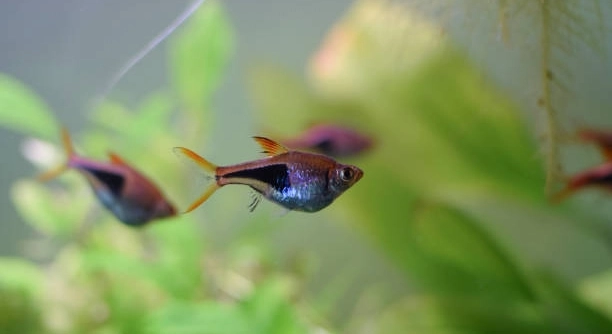
Do you ever find yourself watching your rasboras and noticing how peacefully they move among each other in the tank?
Rasboras avoid conflict through a combination of schooling behavior, selective territory use, visual signaling, and subtle body movements. These techniques help maintain harmony within the group, reduce stress, and promote a stable social environment in their aquatic habitat.
From subtle movements to clever positioning, these small fish have mastered the art of keeping the peace in their watery world.
Schooling for Safety
Rasboras rely on schooling as their primary way to avoid conflict. By swimming closely together, they create a sense of unity and security, making it harder for disagreements to escalate. In a school, each fish mirrors the movement of the others, reducing misunderstandings over territory or food. This collective movement also helps them blend in, lowering the risk of becoming a target for aggression from other species in a community tank. When a rasbora feels uneasy, it instinctively moves back toward the group, where safety and structure are stronger. This natural behavior isn’t just about protection from predators; it also serves as a social guideline, teaching younger fish how to behave. By following the group’s rhythm, rasboras keep stress levels low and maintain a balanced tank environment. For aquarists, supporting this behavior with adequate space and a suitable number of companions is key to preventing unnecessary tension.
Schooling provides both physical safety and social stability, making it one of the most effective strategies rasboras use to avoid unnecessary conflict.
In nature and in aquariums, this synchronized swimming reduces competition and gives each fish the comfort of belonging, which is essential for peaceful coexistence. Without it, individual stress levels can quickly rise.
Using Body Language
Rasboras often communicate through subtle body movements and fin positions, which help signal their intentions and avoid misunderstandings.
A relaxed rasbora will keep its fins spread naturally and swim with smooth, even strokes. If it wants to assert mild dominance without starting a fight, it may slightly flare its fins or change its swimming angle toward another fish. These signals help define personal space without resorting to biting or chasing. In a school, this form of communication is especially useful, as it allows each fish to “speak” without breaking the flow of group movement. Even minor shifts in speed can signal whether a fish is comfortable or agitated. Aquarists who pay attention to these signs can better understand when something in the tank is disrupting harmony. Providing consistent lighting, a steady feeding schedule, and enough plants or décor can make it easier for rasboras to express themselves calmly, keeping interactions smooth and non-aggressive.
Selective Territory Use
Rasboras often avoid unnecessary disputes by not claiming large, exclusive territories. Instead, they share open swimming spaces and use plants or décor only for short periods of rest or retreat.
In a well-arranged tank, rasboras spread out their activity across different zones, reducing the chances of constant encounters in the same spot. They may pass through another fish’s resting place but quickly move on, signaling they have no interest in staying. This roaming style helps them avoid becoming territorial targets. Aquarists can encourage this by adding varied decorations, plants, and hiding areas to give the fish multiple pathways and resting spots.
By not anchoring themselves to a single location, rasboras limit potential conflicts over “ownership” of space. This flexible behavior keeps interactions brief and non-threatening, which is especially important in a community tank where several species share the same water.
Visual Signaling
Rasboras often use their vibrant colors and patterns to communicate and avoid direct confrontation. A shift in brightness can signal mood changes or stress, alerting others to keep their distance when needed.
When conditions are calm, their natural colors remain bright and even, creating a visual sign of safety within the group. If a rasbora feels threatened, it may dull its colors or change posture, making itself less noticeable. This simple shift can prevent unwanted attention from tank mates. For aquarists, maintaining stable water quality and proper nutrition supports consistent coloration, which in turn strengthens this form of communication. Clear visual cues help the group stay synchronized and prevent minor disagreements from turning into aggression. Over time, these subtle signals become part of the rasbora’s peaceful rhythm, keeping the tank calm and balanced.
Calm Feeding Habits
Rasboras reduce feeding competition by spreading out and eating at a steady pace. They rarely rush aggressively toward food, which helps prevent bumping or chasing among tank mates.
They often stay in small sub-groups while eating, allowing each fish to access food without crowding. This keeps stress low during feeding.
Strategic Positioning
Rasboras sometimes adjust their swimming depth to avoid direct encounters with more dominant fish. By staying in slightly different layers of the tank, they reduce eye contact and physical proximity, both of which can trigger unwanted aggression in other species.
Short Displays
Occasionally, rasboras may engage in brief fin flaring or quick movements to assert boundaries without starting a prolonged conflict. These short displays resolve tension quickly and allow the group to return to calm schooling behavior almost immediately afterward.
FAQ
How do rasboras manage to stay peaceful in a crowded tank?
Rasboras use schooling behavior to keep the group together, which creates a sense of safety and order. They swim in coordinated patterns that reduce competition for space and food. Their subtle body language and shared movement help avoid misunderstandings, so conflicts rarely escalate even when the tank is busy. Having plenty of hiding spots and plants also helps them feel secure, making it easier to stay calm around other fish.
Why do rasboras sometimes flare their fins?
Fin flaring is a way for rasboras to show mild dominance or set personal boundaries without resorting to aggression. This brief display communicates to others that a certain space is being claimed temporarily. It’s a quick and non-threatening way to prevent conflicts over territory or food, especially within the school where many fish swim closely together.
What role does water quality play in rasbora behavior?
Good water quality is crucial because poor conditions cause stress, which can lead to aggression and conflict. Stable temperature, clean water, and balanced pH help keep rasboras healthy and calm. When water quality drops, fish become irritable and more likely to fight. Regular maintenance and water changes support their natural peaceful behavior.
Can rasboras live with other fish peacefully?
Yes, rasboras are generally peaceful and do well in community tanks with other non-aggressive species. Their schooling nature and conflict-avoidance behaviors make them good tank mates. It’s important to avoid overly aggressive or territorial fish that might disrupt their calm environment. Proper tank size and hiding places further reduce stress for all inhabitants.
How does tank decoration help reduce conflict among rasboras?
Plants, rocks, and décor create multiple zones where rasboras can rest or hide briefly, helping them avoid constant close encounters. These elements also allow fish to choose different swimming paths, reducing territorial disputes. The variety in the environment encourages natural behaviors and peaceful coexistence by providing visual barriers and safe retreats.
What should I look for to tell if rasboras are stressed or aggressive?
Signs include rapid swimming, chasing, hiding excessively, or faded colors. Raised fins or constant fin flaring can also indicate tension. If you notice these behaviors, check water quality, tank size, and social dynamics. Adjusting conditions or adding more fish to increase the school size often helps reduce stress and aggression.
Do rasboras fight over food?
Rasboras usually feed calmly without rushing or crowding. They spread out and eat steadily, which lowers the chance of conflict. Overfeeding or using large food portions can cause competition, so it’s best to provide small amounts more frequently. Feeding in different tank areas also helps reduce competition during mealtime.
How important is group size for rasboras?
Group size matters a lot. Rasboras feel safer and act more naturally in schools of at least six or more. Smaller groups can lead to stress and increased aggression because fish feel vulnerable or lonely. A larger group encourages schooling behavior and reduces the chance of conflicts by distributing social pressure evenly.
Can rasboras recognize each other?
While rasboras don’t recognize individual fish like mammals do, they respond to group signals and familiar swimming patterns. This group recognition helps maintain harmony because each fish knows how to behave within the school. Familiarity with tank mates lowers aggression and promotes stable social interactions over time.
What can I do if conflicts start to happen in my rasbora tank?
Start by checking water parameters and tank size, then increase hiding spots and plants to create more personal space. Consider adding more rasboras to strengthen schooling behavior. If aggression persists, separate the most aggressive individuals or reevaluate tank mates. Patience and small adjustments often restore peace quickly.
Rasboras use many smart ways to avoid conflicts in their tank environment. Their natural behaviors like schooling, subtle body language, and flexible use of space all help keep peace among the group. These fish rely on clear signals and group movements to reduce tension and stress. When they swim together in tight groups, they feel safer and less likely to challenge each other. Their ability to share space without fighting is a key reason why they are popular in community tanks. Watching these little fish move calmly as a group shows how well they use simple tricks to avoid trouble.
A healthy environment plays an important role in keeping rasboras peaceful. Clean water, stable temperature, and good nutrition help them stay calm and balanced. When the tank conditions are poor, rasboras can become stressed and more likely to act aggressively. Providing enough hiding spots, plants, and decorations also gives them places to rest and avoid one another if needed. These details make it easier for the fish to express their natural behaviors without conflict. It is important for anyone keeping rasboras to pay attention to these needs to support their well-being and reduce chances of fights.
Overall, understanding how rasboras avoid conflict can help aquarists create a peaceful tank environment. By giving them enough space, a stable home, and the right companions, these fish can thrive together without stress. Their quiet ways of signaling and moving show how small changes in behavior can keep a whole group calm. For anyone who enjoys watching rasboras, learning about these tricks is helpful for keeping the tank balanced and peaceful. Simple care and respect for their nature allow these fish to live happily and avoid unnecessary conflicts.

Hello,
If you enjoy the content that we create, please consider saying a "Thank You!" by leaving a tip.
Every little bit helps us continue crafting quality advice that supports the health, happiness, and well-being of pets around the world, for pets of all shapes, sizes, and species.
We really appreciate the kindness and support that you show us!