
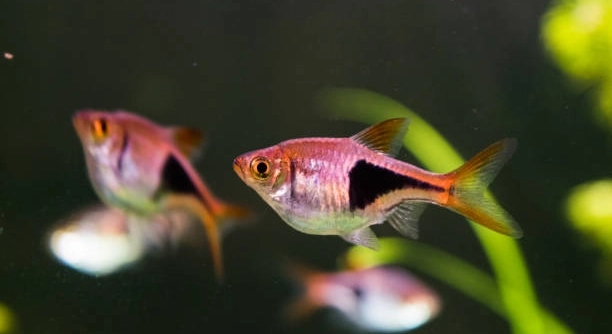
Have you ever watched your Rasbora swim and wondered if they notice when something in their tank has changed?
Rasboras are capable of recognizing changes in their environment through visual cues and behavior patterns. Their sensitivity to alterations in scenery, such as plant arrangements or lighting shifts, can influence their movement and social interactions.
Subtle shifts in their surroundings may affect their comfort, stress levels, and overall behavior in ways that can be easy to miss.
How Rasboras React to Scenery Changes
Rasboras are peaceful, schooling fish that thrive in calm, well-structured tanks. Changes in their environment, even small ones, can lead to noticeable shifts in behavior. If you rearrange plants, rocks, or decorations, Rasboras may swim more cautiously or explore the new layout together. They may hover in different areas, showing interest or mild stress. Lighting changes can also affect their activity, as these fish are sensitive to brightness. A sudden increase in light might cause them to hide, while dimmed conditions can make them more active. Tank mates, water flow, and shadows also shape how they respond. Since Rasboras rely on visual cues and feel most secure in familiar surroundings, too much change at once can cause confusion or restlessness. Making slow, small adjustments helps them adapt without distress. Always observe them closely after rearranging anything, and look for signs like erratic swimming or clustering, which may indicate discomfort.
Visual changes influence Rasboras quickly, and their body language often reflects how they feel.
Understanding their sensitivity helps create a stable tank. Watching their reactions can guide how and when to update the scenery. Careful adjustments support their well-being and help them feel secure in their environment without causing unnecessary stress or disorientation.
Signs That Your Rasboras Notice
A sudden shift in behavior often suggests your Rasboras are reacting to something new or different in their surroundings.
When Rasboras notice changes in scenery, they tend to group more tightly or swim more cautiously at first. They may also pause near newly placed items, as if inspecting them. This initial curiosity or hesitance is normal and usually fades once they feel safe. More active schooling, hiding behind plants, or changing their usual swimming paths can also be signs. If the change is too extreme—like removing many decorations at once—they may become anxious or lose color. That’s why it’s best to update one thing at a time and give them time to adjust. Adding floating plants or rearranging items in sections helps create variety without overwhelming them. Over time, they may even enjoy exploring the new layout, especially if it includes hiding spaces or gentle movement. Creating a balance between familiarity and novelty helps your Rasboras stay calm and curious.
Environmental Factors That Influence Awareness
Lighting, tank layout, and background color can all affect how quickly Rasboras notice changes. Their response often depends on how drastic the adjustment is and how much it alters their sense of safety.
Rasboras rely heavily on sight. Clear, steady lighting helps them feel more stable, while flickering lights or sharp brightness can cause them to hide or behave erratically. Backgrounds that shift from dark to light tones may also influence their comfort level. A sudden tank rearrangement—like removing hiding places—can trigger stress. Maintaining a familiar structure while slowly introducing changes lets them process the update without panic. Simple steps like keeping their favorite plants in place or keeping the light intensity consistent help. These subtle environmental factors have more influence than we often realize. Watching their reaction to each change can give helpful clues about what they prefer and what might be overwhelming for them.
The current in the water, the sound of the filter, and temperature shifts can all influence how alert Rasboras feel. Cooler water may slow their movements, while warmer water can make them more active and aware. A stronger current may push them to swim more or group differently. Even small noises from equipment or changes in surrounding room light can trigger a reaction. If your Rasboras seem more timid or clustered than usual, it might not just be the decor—they could be reacting to something as subtle as a reflection or surface movement. It helps to monitor not just what’s in the tank, but also what’s happening around it. Consistent surroundings, quiet areas, and soft lighting keep them relaxed and responsive without being overstimulated.
How to Keep Them Comfortable During Changes
Making changes slowly allows Rasboras to stay calm. Rearranging one section of the tank at a time helps them adjust without feeling overwhelmed. Give them time between updates so they don’t experience too much stress at once.
Start with minor changes like shifting a single plant or rock. Observe their reaction, especially how they swim or where they rest. If they act normal, continue with another update a few days later. It’s helpful to avoid doing water changes and scenery updates on the same day, as too many variables at once can cause anxiety. Using decorations that mimic their natural habitat—such as fine-leaved plants and soft lighting—keeps them more at ease. If something new is added, try placing it near their usual spots so they explore it gradually. Pay attention to their grouping and movement patterns. Calm behavior and smooth swimming usually mean they’re adjusting well without stress.
Recognizing Familiar Objects
Rasboras can identify familiar shapes and objects in their tank. They often return to certain spots that feel safe or consistent.
This recognition helps them feel secure and reduces stress. When items are moved or removed, they may search or hesitate around the area.
Adjusting to New Decorations
Introducing new decorations can be challenging for Rasboras. Sudden additions might cause them to hide more or alter their swimming patterns.
To ease this, add new items gradually and observe their reactions closely. Sometimes placing new decorations near familiar objects encourages exploration without fear.
Impact of Tank Lighting
Lighting changes can affect Rasboras’ activity. Bright or fluctuating lights might make them shy or less active, while dimmer lights encourage natural behavior.
Keeping consistent lighting conditions supports their comfort and helps maintain regular activity levels.
Importance of Consistency
Maintaining a stable environment with minimal sudden changes supports Rasboras’ well-being. Predictable surroundings allow them to thrive and show natural behaviors.
FAQ
Do Rasboras get stressed when the tank scenery changes?
Yes, Rasboras can experience stress when their tank environment changes suddenly. These fish feel most comfortable in familiar surroundings, so abrupt rearrangements or removal of plants and hiding spots may cause anxiety. Stress signs include hiding, erratic swimming, or reduced activity.
How long does it take for Rasboras to adjust to new scenery?
Adjustment time varies but usually takes several days to a week. Small, gradual changes allow Rasboras to adapt faster, while major changes may require more time. Observing their behavior daily can help gauge when they’ve settled into the new environment.
Can lighting affect Rasboras’ reaction to changes?
Lighting has a strong impact on how Rasboras perceive their tank. Sudden increases or flickering lights may cause them to hide or become less active. Consistent, moderate lighting helps maintain their calm and supports natural behaviors.
Is it better to change the tank scenery all at once or gradually?
Gradual changes are better. Moving one or two decorations at a time reduces stress and helps Rasboras become familiar with their surroundings. Sudden, large changes can confuse them and lead to prolonged anxiety.
Do Rasboras recognize their owners or surroundings outside the tank?
Rasboras mostly respond to movement and shadows outside the tank but don’t form strong recognition of owners like some other fish. Their primary focus remains on their immediate environment inside the tank.
What signs show that Rasboras are uncomfortable with the tank setup?
Signs include hiding excessively, swimming erratically, loss of color, or staying in one corner for long periods. These behaviors suggest discomfort, often triggered by changes in scenery, water conditions, or lighting.
Can changing the tank background help Rasboras feel more secure?
Yes, a stable background color or image reduces visual distractions and helps Rasboras feel safer. Sudden changes in background can cause temporary stress. Using a neutral or natural background works best.
Do Rasboras prefer natural or artificial decorations?
Rasboras tend to do better with natural decorations like live plants and smooth stones, which mimic their natural habitat. Artificial items can work if they provide hiding spots and do not introduce sharp edges or harmful substances.
How does water quality affect Rasboras’ behavior after scenery changes?
Poor water quality can increase stress and make it harder for Rasboras to adapt to new scenery. Maintaining stable water parameters supports their health and reduces anxiety during environmental changes.
Should feeding routines change when tank scenery is rearranged?
Feeding routines should remain consistent. Sudden changes in feeding time or type of food, combined with scenery changes, can add stress. Keeping feeding predictable helps Rasboras feel more secure overall.
Can Rasboras get used to frequent changes in their tank?
While some adaptation is possible, frequent major changes generally increase stress and reduce overall well-being. A stable environment with occasional, slow adjustments is best for their health and behavior.
Is it normal for Rasboras to explore new decorations slowly?
Yes, cautious exploration is a normal response. Rasboras often inspect new items carefully before fully integrating them into their swimming area. This behavior shows their awareness and need for security.
Do Rasboras communicate discomfort to other fish when the scenery changes?
Rasboras may cluster together more tightly or change swimming patterns when uncomfortable, signaling unease to their tank mates. Schooling fish rely on group behavior to react to environmental stressors.
How can I help Rasboras feel safe after changing the tank setup?
Introduce changes slowly, maintain consistent lighting and water conditions, and keep some familiar decorations in place. Watching their behavior allows you to adjust the environment to reduce stress.
What is the best way to rearrange plants without stressing Rasboras?
Move only a few plants at a time and avoid removing all hiding places simultaneously. Placing new plants near familiar ones helps Rasboras adjust gradually to the new layout.
These answers aim to help create a peaceful and healthy environment for Rasboras, ensuring their comfort during any tank changes.
Final Thoughts
Rasboras are sensitive fish that rely heavily on their environment for comfort and security. They recognize changes in their tank through visual cues and shifts in their surroundings. Even small changes can affect their behavior, causing them to swim differently or hide more. This sensitivity is part of how they survive and stay safe in their natural habitat. Understanding this helps when caring for them in an aquarium. It’s important to keep their environment stable and familiar as much as possible to reduce stress and keep them healthy.
When changes to the tank are necessary, it is best to make them slowly and carefully. Gradual adjustments allow Rasboras to become accustomed to new decorations, lighting, or layout without feeling overwhelmed. Watching their behavior closely during these changes is important. Signs like increased hiding, clustering, or unusual swimming patterns suggest the fish may be uncomfortable. By spacing out changes and keeping some familiar elements in place, you help Rasboras adapt naturally. This thoughtful approach supports their well-being and makes the tank a peaceful home.
Maintaining consistent water conditions, stable lighting, and a familiar tank layout creates an environment where Rasboras can thrive. Their reactions to scenery changes are a reminder that fish are aware of their surroundings and need stability to feel secure. When you provide a calm and predictable space, your Rasboras are more likely to stay active, healthy, and social. Taking time to observe and respond to their needs ensures that changes enhance their habitat rather than disrupt it. This awareness benefits both the fish and the person caring for them.

Hello,
If you enjoy the content that we create, please consider saying a "Thank You!" by leaving a tip.
Every little bit helps us continue crafting quality advice that supports the health, happiness, and well-being of pets around the world, for pets of all shapes, sizes, and species.
We really appreciate the kindness and support that you show us!