
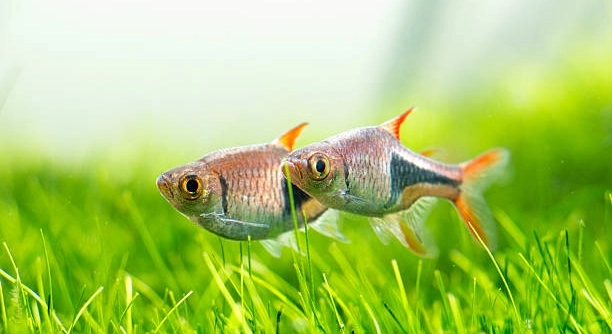
Have you ever noticed your rasboras acting a little differently after one of their tankmates is suddenly gone?
Rasboras can become stressed or withdrawn when they lose a tankmate, especially if they were part of a tight-knit school. This change in social dynamics may affect their behavior, appetite, and overall well-being.
Understanding how social loss affects rasboras can help you support them better and maintain a balanced tank environment.
How Rasboras React to Losing a Tankmate
Rasboras are peaceful schooling fish that rely on social groups for comfort and security. When one of their tankmates dies or is removed, they may react with stress, confusion, or a drop in energy. You might notice them hiding more often, swimming less, or showing less interest in food. These behaviors usually mean the fish is feeling unsettled or unsafe. Rasboras are especially sensitive to changes in their group size because they’re used to relying on each other for cues and confidence. Even losing one tankmate can shift the balance and impact the group dynamic. It’s important to watch for signs of distress and make sure their environment stays calm and consistent. Sometimes, adding more rasboras to rebuild the group can help restore their normal behavior. Giving them a stable routine and quiet surroundings can also help reduce stress and support their overall health after losing a tankmate.
When a rasbora becomes withdrawn or anxious, it’s usually responding to the sudden change in its school.
If you keep a small group of rasboras, the loss of even one can have a stronger emotional effect. Fish are often more aware of their environment than people assume. Social fish like rasboras depend on numbers for safety and a sense of calm. If the group drops below five or six, the remaining fish might show signs of anxiety. They might dart around the tank, freeze in place, or stop swimming in sync. Some rasboras may isolate themselves while others swim erratically. These reactions aren’t just behavioral—they also reflect stress inside the fish’s body. Stress can weaken their immune systems and leave them more prone to illness. Keeping their surroundings quiet, clean, and free of sudden changes can help. Rebuilding the school with a few more rasboras and avoiding aggressive tankmates will also help restore balance. Tank health and group size go hand in hand for rasboras.
Helping Rasboras Adjust to the Change
The best way to help your rasboras is by paying close attention to their behavior in the days following a tankmate’s loss.
Offer a calm and consistent environment during this time. Limit loud noises, avoid rearranging the tank, and try to maintain regular feeding and lighting schedules. If the group has dropped below five, consider adding a few healthy rasboras of similar size and species. Always quarantine new fish first to prevent illness. A larger group helps rebuild the sense of security and encourages natural schooling behavior. You can also add gentle current, floating plants, and hiding spots to help them feel protected. If your rasboras are still acting withdrawn or show signs of illness, it’s a good idea to monitor water quality and double-check that no other tankmates are causing stress. In some cases, separation or a temporary hospital tank might be needed. Give your rasboras time, patience, and a stable space to regain their calm.
Signs Your Rasbora Is Struggling After a Loss
You might see changes like less movement, poor appetite, or strange swimming patterns. Some rasboras will stay near the bottom or isolate themselves. These are signs your fish may be stressed and having trouble adjusting.
When a rasbora is stressed, it often shows in how it moves and behaves. It may stop schooling with others or spend more time hiding in corners. You might notice it avoiding food, hovering in one spot, or darting quickly around the tank. Some rasboras also become more pale when they’re anxious. These changes can happen gradually or start right after the loss of a tankmate. Watch their behavior closely for several days. A calm, steady tank environment will help them feel safe again. If the signs don’t improve, it’s worth checking if other issues—like water quality or aggression—are making things worse.
These signs don’t always mean something serious, but they shouldn’t be ignored either. Sometimes, rasboras just need time to adjust. But if the stress goes on for too long, it can affect their health in more serious ways. Ongoing stress weakens their immune systems, making them more likely to get sick or develop infections. If you’re unsure whether the behavior is temporary or not, start by checking basic tank conditions like temperature, ammonia levels, and overall cleanliness. If everything looks fine and the fish is still acting off, consider adding new schoolmates or enriching the tank with soft plants and hiding spots. These changes can give the rasbora a sense of safety and help it recover faster.
When to Step In and What to Do
If your rasbora continues to isolate or ignore food after several days, it may be time to take small steps to help.
Start by reviewing your tank setup and current group size. Rasboras do best in groups of six or more. If the school is too small, they can become anxious and insecure. Add new rasboras only after proper quarantine. Choose peaceful tankmates and avoid placing them with larger or more aggressive fish. Check water parameters and make sure the tank is quiet, with no sudden changes in light or movement. You can also gently rearrange plants or add new ones to create shelter and comfort. If one rasbora still isn’t doing well, consider separating it for observation. A smaller, calm space might help it relax and feel safe again. These simple steps can make a big difference in helping your rasbora recover from social loss and settle back into a peaceful routine.
How to Prevent Future Stress in Your Rasboras
Keep your rasbora group size at six or more to reduce stress. A larger group helps them feel secure and encourages natural schooling behavior.
Maintain stable water conditions and avoid sudden changes in temperature, lighting, or tank layout. Consistency helps rasboras feel calm and settled.
Choosing the Right Tankmates
Avoid pairing rasboras with aggressive or overly active fish. Peaceful species like small tetras, corydoras, and kuhli loaches are better choices. These types of fish don’t disturb the rasboras and help maintain a calm environment. Always watch new tankmates closely at first to make sure they get along well.
Creating a Safe Tank Environment
Add soft plants, shaded areas, and hiding spots to give your rasboras places to rest and feel safe. This lowers their stress and keeps them comfortable.
FAQ
Can rasboras feel sad when a tankmate dies?
Rasboras don’t feel sadness in the human sense, but they do show stress and behavioral changes when a tankmate is lost. They rely on their group to feel safe, so when one is removed, it can affect their mood and behavior. This may look like hiding, swimming less, or even refusing food. These responses are more about anxiety or confusion than sadness, but it still means your rasbora is reacting to the change. You can help by keeping things calm, checking water quality, and, when appropriate, adding new tankmates to restore the group size.
How many rasboras should be kept together?
It’s best to keep at least six rasboras together. They are schooling fish, and being in a group makes them feel secure. Smaller groups may cause stress, leading to hiding or nervous swimming. If your tank allows, eight to ten rasboras is even better. The more stable the group, the more natural and relaxed their behavior will be. When they’re comfortable, they’ll school together, explore the tank more, and show better color. Always make sure your tank has enough space and proper filtration for the group size you choose.
How long does it take for a rasbora to adjust after losing a tankmate?
Every rasbora reacts differently, but most will begin to adjust within a week or two if the tank is stable and peaceful. If the group size is very small, it might take longer or stress could remain until new tankmates are added. Keep the tank quiet and clean, and avoid making other changes during this time. Watch for signs of improvement like regular schooling, normal swimming, and eating well. If your rasbora continues to act withdrawn or shows signs of illness, consider separating it for closer observation or asking an aquatic specialist for advice.
Should I replace the lost rasbora right away?
You don’t need to rush, but adding another rasbora or two can help if your group has dropped below six. Make sure your water parameters are stable and always quarantine any new fish before introducing them. The new fish should be of similar size and temperament to your current group. Adding too many at once or adding stressed fish can cause more problems than they solve. Once added, watch the group for a few days to make sure they’re swimming together peacefully and showing no signs of aggression or illness.
Can stress from losing a tankmate cause illness in rasboras?
Yes, stress lowers a fish’s immune defenses and makes them more vulnerable to illness. You may see symptoms like faded colors, fin damage, or strange swimming. Stress can also lead to a lack of appetite and make rasboras more sensitive to small changes in their environment. If you suspect your fish is getting sick, check the water quality right away. Clean water, proper nutrition, and a calm tank are the first steps in recovery. If needed, isolate the affected fish and treat them with mild medication, but only after confirming the symptoms.
What if my rasbora doesn’t go back to normal?
Some rasboras take longer than others to bounce back. If the tank is stable and the group size is good, try adding more plants or decorations to help them feel secure. Reducing tank light or covering part of the tank can also help. If the behavior doesn’t improve after two to three weeks, check for other issues like bullying or poor water quality. Sometimes a fish may never return to its previous behavior, especially if it’s older or had a strong bond with the lost tankmate. Just continue to give it proper care and a peaceful setting.
Do rasboras remember other fish?
Rasboras don’t remember other fish the way people do, but they are socially aware. They recognize the behavior, movement, and even patterns of their schoolmates. When one goes missing, they notice the shift. This can change their routine and movement within the tank. They may seem unsettled or hesitate to swim in open areas, especially if the group has become too small. Though they may not form memories in a personal sense, the impact of a missing tankmate is still felt through their reactions and behavior.
Is it okay to leave a rasbora alone in a tank?
No, rasboras should not be left alone. Being solitary can cause ongoing stress, health problems, and unnatural behavior. If only one rasbora remains, it’s best to either add more rasboras or move it to a tank with a suitable school. Fish that are used to being in groups can suffer when left by themselves, even if the tank conditions are good. Always try to maintain a small group to meet their social needs.
Final Thoughts
Rasboras are peaceful, social fish that do best in groups. When they lose a tankmate, it can affect their behavior and stress levels. You may see signs like hiding, less swimming, or a lack of appetite. These changes are not just random. They are often a response to feeling unsafe or lonely in the tank. Rasboras rely on each other to feel secure, and even one missing fish can shift the balance of the group. Watching your rasboras closely after a loss is important. It helps you understand how they are reacting and whether they need support, such as a calmer environment or more schoolmates.
Keeping your rasboras healthy after losing a tankmate means paying attention to small details. A stable tank setup, clean water, and consistent feeding all make a difference. Group size also plays a big role. Try to keep at least six rasboras together. If you notice signs of stress lasting more than a few days, it might be time to add a few more fish, create more hiding spaces, or adjust lighting to make the space feel safer. Adding floating plants or soft decorations can give them comfort. Simple changes like these can improve their mood and support their overall health.
It’s easy to overlook how sensitive fish can be to changes in their environment, especially social fish like rasboras. But understanding their behavior helps you respond with care and make good choices for their well-being. Every tank has its own rhythm, and when one part changes, it can affect the rest. Helping rasboras adjust after losing a tankmate may take time, but with a bit of patience, they usually return to their normal behavior. Staying observant and providing gentle support can go a long way. In the end, a calm, steady environment and a balanced group will help your rasboras stay healthy and feel at ease in their space.

Hello,
If you enjoy the content that we create, please consider saying a "Thank You!" by leaving a tip.
Every little bit helps us continue crafting quality advice that supports the health, happiness, and well-being of pets around the world, for pets of all shapes, sizes, and species.
We really appreciate the kindness and support that you show us!