
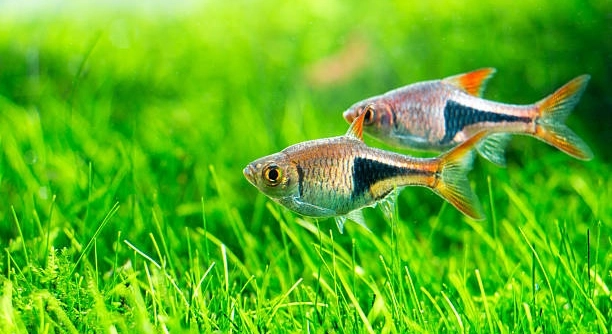
Rasboras are small, peaceful fish popular in home aquariums. When placed in stressful tank environments, they develop certain habits that help them cope. Understanding these behaviors can improve how we care for them.
In stressful tanks, rasboras exhibit habits such as hiding frequently, reduced swimming activity, schooling tightly, increased surface breathing, fin clamping, color fading, and decreased feeding. These behaviors indicate their response to environmental stressors and help maintain survival.
Recognizing these habits allows aquarists to create better conditions, ensuring healthier and more comfortable lives for their rasboras.
Frequent Hiding Behavior
When rasboras feel stressed, they tend to hide more often than usual. This behavior is a way for them to avoid perceived threats and reduce their exposure to stressful stimuli. In tanks with too much noise, sudden movements, or poor water quality, these fish may retreat behind plants, decorations, or rocks. Frequent hiding is a sign that the environment may not be ideal for them. It helps the fish conserve energy and avoid conflict with other tank inhabitants. However, excessive hiding can also mean they are not comfortable enough to explore or feed properly. Observing where and how often rasboras hide can give clues about the tank’s condition. Adjusting lighting, water parameters, or tank mates may help reduce this behavior and improve the fish’s well-being.
Hiding is a natural response, but when it becomes excessive, it signals a need for changes in tank care.
Reducing stress factors can encourage rasboras to swim freely and display their natural behaviors again. Providing plenty of hiding spots while maintaining clean water and gentle tank mates creates a balanced environment where they feel safe and active.
Tight Schooling as a Stress Response
Rasboras often swim close together in tight groups when stressed. This tight schooling reduces individual exposure to threats and creates a sense of security. In cramped or noisy tanks, this habit becomes more noticeable. The fish rely on group movement for comfort and protection. While schooling is normal behavior, unusually tight formations indicate discomfort or fear. The fish may also react to sudden changes in lighting or aggressive tank mates by grouping more closely. Observing this can help identify stressors that need to be addressed to improve the tank environment. Loose schooling usually returns once conditions stabilize and stress decreases. Ensuring adequate space and calm surroundings allows rasboras to display more relaxed and natural swimming patterns. It also promotes better overall health and feeding habits.
Reduced Swimming Activity
Rasboras often swim less when stressed. They conserve energy and avoid drawing attention in an uncomfortable environment.
This decrease in activity helps protect them from perceived dangers. Stress factors such as poor water quality, sudden noise, or overcrowding can cause this behavior. When swimming slows, feeding habits may also decline, affecting overall health. Reduced movement limits oxygen intake and exercise, weakening the fish over time. Monitoring their swimming patterns can reveal hidden stress issues in the tank. Adjusting environmental conditions often restores normal activity and improves vitality.
Encouraging more swimming requires a calm, stable environment with good water flow and proper tank mates. Providing plants and open swimming areas helps rasboras feel secure and active again.
Increased Surface Breathing
Rasboras may breathe near the water surface more when oxygen levels are low or water quality declines. This behavior signals potential problems that need prompt attention. Surface breathing indicates the fish are trying to access higher oxygen concentration near the air-water interface. Factors like overcrowding, poor aeration, or high temperatures reduce dissolved oxygen. Addressing these issues quickly improves fish health and comfort. Increasing aeration and performing regular water changes help restore oxygen balance. Ensuring a clean, well-maintained tank prevents prolonged stress and respiratory difficulties. Keeping water conditions stable supports rasboras’ natural breathing patterns and overall well-being.
Fin Clamping
Fin clamping happens when rasboras hold their fins tightly against their bodies. This is a clear sign of discomfort or stress in the tank.
It often occurs due to poor water quality, sudden changes, or aggressive tank mates. Watching for this behavior helps catch issues early.
Color Fading
Stress causes rasboras to lose their vibrant colors. Dull or faded hues show the fish are not feeling well or are under constant pressure. This color change often results from poor water conditions, lack of hiding spots, or incompatible tank mates. Restoring proper tank care and reducing stressors usually brings back their natural colors over time.
Decreased Feeding
When rasboras eat less, it often signals stress or illness. Reduced appetite can quickly affect their health if not addressed.
Behavioral Changes
Sudden shifts in behavior, like erratic swimming or increased aggression, indicate stress. Monitoring these changes is crucial to maintaining a healthy tank environment.
FAQ
Why do rasboras hide so much in my tank?
Rasboras hide frequently when they feel stressed or threatened. Common causes include poor water quality, aggressive tank mates, sudden loud noises, or overly bright lighting. Hiding helps them feel safe and avoid perceived danger. Providing plenty of plants and hiding spots, along with stable water conditions, can reduce their need to hide. It’s important to observe if hiding becomes excessive, as this may signal underlying issues in the tank environment.
What causes rasboras to school tightly together?
Tight schooling is a stress response. Rasboras group closely to feel more secure against threats or changes in their environment. Overcrowding, aggressive neighbors, or sudden disturbances can increase this behavior. While schooling is normal, when it becomes unusually tight, it shows discomfort. Offering more space, calm tank mates, and stable conditions often helps the fish relax and swim more naturally.
How can I tell if my rasboras are stressed?
Signs of stress include frequent hiding, clamped fins, faded colors, reduced swimming activity, and decreased appetite. You may also notice increased surface breathing or erratic movements. Monitoring these behaviors helps catch problems early. Stress often results from poor water quality, improper tank conditions, or incompatible tank mates. Regular testing of water parameters and observing fish behavior can prevent long-term health issues.
Why do rasboras breathe near the water surface?
Surface breathing happens when oxygen levels in the tank drop too low. This often occurs in overcrowded tanks, poor aeration, or high water temperatures. Rasboras try to access oxygen-rich water near the surface. Improving aeration, performing water changes, and reducing overcrowding usually resolves this. Maintaining proper oxygen levels is crucial for their health and comfort.
What does fin clamping mean?
Fin clamping is when rasboras hold their fins tightly against their bodies. This behavior signals stress or discomfort, often caused by poor water quality, aggressive tank mates, or sudden environmental changes. Watching for this sign helps identify when conditions need improving. Fixing water issues and ensuring peaceful tank mates usually reduces fin clamping.
Can stress cause color fading in rasboras?
Yes, stress frequently causes color fading. When rasboras feel unsafe or uncomfortable, their vibrant colors dull or fade. This can result from poor water conditions, lack of hiding places, or bullying from other fish. Improving tank care and reducing stressors helps restore their natural colors. Bright, healthy fish indicate a well-maintained environment.
Why are my rasboras eating less?
Decreased feeding is a common sign of stress or illness. When stressed, rasboras lose interest in food, which can weaken their immune systems. Poor water quality, overcrowding, or incompatible tank mates often cause this. Ensuring a clean tank and peaceful community encourages normal eating habits. Sometimes, offering varied foods can stimulate appetite.
How long does it take for stressed rasboras to recover?
Recovery time varies depending on the severity of stress and the changes made. Minor stress can improve within a few days after adjusting tank conditions. More serious issues may take several weeks. Consistent water quality management, stable environments, and proper nutrition speed up recovery. Patience and careful observation are key.
Are there specific tank conditions that help reduce stress in rasboras?
Yes, stable water parameters with proper temperature, pH, and oxygen levels are essential. A tank with plenty of plants and hiding spots creates a secure environment. Avoid overcrowding and aggressive tank mates. Gentle water flow and soft lighting also reduce stress. Regular water changes maintain cleanliness and overall fish health.
Is it normal for rasboras to show these stress behaviors sometimes?
Occasional stress behaviors can happen due to short-term changes, like tank maintenance or new additions. If these behaviors persist or worsen, it indicates ongoing problems. Addressing stress early prevents health issues and supports happier, more active fish. Monitoring daily habits helps maintain a balanced tank environment.
Final Thoughts
Rasboras are delicate fish that show clear signs when they feel stressed in their tanks. Recognizing these habits helps ensure they live in a healthy and comfortable environment. Habits like hiding often, clamping fins, swimming less, and color fading are not random. They reflect how the fish are reacting to their surroundings. Paying attention to these signs allows for early detection of problems in the tank. This way, adjustments can be made before the stress causes serious health issues or even death. Taking small steps to improve the environment can have a big impact on the well-being of these fish.
Maintaining good water quality is one of the most important factors in reducing stress for rasboras. Regular testing and water changes prevent the buildup of harmful substances that upset fish health. Along with clean water, providing enough space and hiding spots gives the fish security. Overcrowding and aggressive tank mates are common causes of stress that can easily be avoided. Also, keeping the tank conditions stable, such as consistent temperature and lighting, helps rasboras feel safe. These efforts reduce the chances of seeing negative habits linked to stress, like tight schooling or surface breathing.
Finally, understanding these habits benefits anyone caring for rasboras. Stress is a natural response, but long-term stress harms the fish and reduces their lifespan. Observing behavior closely helps spot issues early. Creating a calm, balanced tank environment encourages rasboras to behave naturally and thrive. This not only improves their health but also makes the aquarium more enjoyable to watch. Overall, careful care and attention to their stress habits lead to happier, healthier rasboras and a more successful aquarium experience.

Hello,
If you enjoy the content that we create, please consider saying a "Thank You!" by leaving a tip.
Every little bit helps us continue crafting quality advice that supports the health, happiness, and well-being of pets around the world, for pets of all shapes, sizes, and species.
We really appreciate the kindness and support that you show us!