
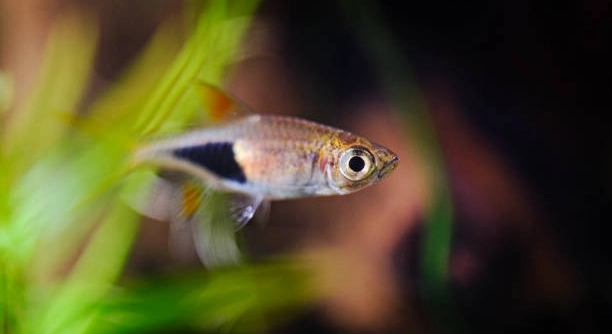
Overcrowding is a common issue in home aquariums, especially with small fish like rasboras. Many fish owners may not realize how quickly their tank can become too crowded. This can affect the overall health and behavior of the fish.
When rasboras are overcrowded, it leads to increased stress, poor water quality, and higher competition for resources. These conditions cause weakened immune systems, more aggression, stunted growth, and a greater risk of disease outbreaks in the aquarium.
Managing the number of fish in a tank is essential for maintaining a healthy environment and happy rasboras. This article explains the risks of overcrowding and how to avoid them.
Signs of Overcrowding in Rasbora Tanks
Overcrowding in a rasbora tank can show up in several ways. You might notice the fish swimming erratically or hiding more than usual. Rasboras are naturally social but need enough space to thrive. When their environment becomes cramped, stress levels rise, which weakens their immune systems. This makes them more prone to illnesses and infections. Additionally, overcrowded tanks tend to have poor water quality because the filtration system struggles to keep up with the waste produced by too many fish. Oxygen levels can drop, leading to lethargy and gasping at the water surface. Aggressive behavior can also increase as competition for food and territory grows. Keeping an eye on these signs can help catch overcrowding issues early and prevent serious harm to the fish.
Recognizing overcrowding signs quickly can help you act before serious health problems arise in your rasboras.
Providing a balanced environment with enough space and proper filtration reduces stress and keeps your rasboras active and healthy. When the tank is well maintained, the fish display bright colors and natural behaviors like schooling and exploring. Monitoring fish behavior and tank conditions regularly ensures a healthy aquarium. Simple steps like reducing the number of fish or upgrading tank size can improve their quality of life significantly. Taking time to observe and adjust will make a noticeable difference in your rasboras’ well-being.
How to Prevent Overcrowding in Your Rasbora Aquarium
Maintaining the right number of rasboras is key to preventing overcrowding and its consequences.
A good rule of thumb is one inch of fish per gallon of water, but this varies by species and tank setup. For example, smaller rasbora species need slightly less space than larger ones. Besides tank size, proper filtration and regular water changes play critical roles in maintaining water quality. It’s important to avoid adding too many fish at once. Introducing new fish gradually helps the filtration system adjust. Also, providing hiding spots and plants can reduce territorial disputes. Regularly measuring water parameters like ammonia, nitrite, and nitrate levels helps detect problems early. Keeping the tank clean and well maintained is essential for a balanced environment. Taking these steps helps create a comfortable space for your rasboras to grow and thrive without the risks linked to overcrowding.
Effects of Poor Water Quality on Rasboras
Poor water quality is a direct result of overcrowding. Waste builds up quickly, increasing harmful substances like ammonia and nitrites. These toxins cause stress and illness in rasboras.
When the tank is overcrowded, the filtration system cannot keep up with waste removal. This causes ammonia and nitrite levels to spike, which damages fish gills and weakens their immune systems. Elevated toxins can lead to diseases such as fin rot and ich. Additionally, overcrowding reduces oxygen levels, making it difficult for rasboras to breathe properly. Poor water quality also encourages harmful bacteria and algae growth, further degrading the environment. Maintaining clean water is crucial to avoid these negative effects and keep the fish healthy.
Regular water testing and maintenance are necessary to control toxin levels. Overcrowded tanks require more frequent water changes and better filtration to protect your rasboras from water-related health problems.
Behavioral Changes Caused by Overcrowding
Overcrowding can cause noticeable changes in how rasboras behave. They may become aggressive or overly timid.
In a crowded tank, rasboras often compete for food and space, which increases aggression among them. This can lead to chasing, nipping, and stress-related injuries. Some fish may retreat and hide more often, showing signs of fear and anxiety. Over time, stressed fish lose their natural schooling behavior and may isolate themselves, which negatively affects their well-being. Behavioral changes also indicate the fish are struggling with environmental pressures. Addressing overcrowding early helps restore calm and normal social interaction in the tank.
Reducing fish numbers or upgrading to a larger tank can improve behavior and reduce stress. Observing these changes is important to maintain a peaceful and healthy aquarium.
Nutrient Imbalance in Overcrowded Tanks
Overcrowding often leads to nutrient imbalances in the aquarium. Excess waste increases nutrient levels, which can harm water quality.
High nutrient levels promote algae growth that can suffocate plants and reduce oxygen, making the tank environment unhealthy for rasboras.
Impact on Rasbora Growth
Overcrowded conditions limit the space and resources needed for healthy growth. Rasboras may grow slower or become stunted due to constant stress and competition. Proper space and water quality are essential for their development. When overcrowded, growth problems often appear quickly.
Preventing Disease Outbreaks
Diseases spread faster in crowded tanks due to close contact and weakened immunity. Keeping proper stocking levels lowers this risk and supports fish health.
Importance of Regular Monitoring
Consistent observation of tank conditions and fish behavior helps catch overcrowding issues early. Regular checks allow for timely intervention and a healthier aquarium.
FAQ
What is the ideal tank size for rasboras?
The ideal tank size depends on the number and species of rasboras. Generally, a minimum of 10 gallons is recommended for a small group of six to eight fish. Larger tanks provide better swimming space and help maintain stable water conditions, reducing the risk of overcrowding and stress.
How many rasboras can I keep in a 10-gallon tank?
A good rule is about one inch of fish per gallon. For rasboras, this usually means 6 to 8 fish in a 10-gallon tank. Overcrowding beyond this number increases waste and stress, which can harm the fish and the tank’s ecosystem.
What happens if rasboras are overcrowded?
Overcrowding causes poor water quality, stress, increased aggression, and weakened immune systems. These problems lead to disease outbreaks and stunted growth. Rasboras may also change their behavior, becoming more timid or aggressive.
How often should I clean the tank if it is overcrowded?
If overcrowding occurs, more frequent water changes are necessary—often 30% to 50% weekly. This helps control ammonia and nitrate levels. However, the best solution is to reduce the number of fish or upgrade to a larger tank rather than relying solely on cleaning.
Can overcrowding cause diseases in rasboras?
Yes. Stress from overcrowding weakens their immune system, making them more vulnerable to diseases like fin rot, ich, and bacterial infections. Close contact between fish also helps diseases spread faster.
What signs show my rasboras are stressed due to overcrowding?
Signs include erratic swimming, hiding, loss of color, fin damage, and reduced appetite. Stressed fish may also isolate themselves or act aggressively toward tank mates.
How can I improve conditions if my tank is overcrowded?
You can reduce the number of fish or move some to another tank. Upgrading to a larger aquarium with better filtration is also effective. Regular water changes and monitoring water parameters help but won’t fix overcrowding alone.
Is it okay to add more fish gradually to avoid overcrowding?
Adding fish slowly allows the filtration system to adjust and helps avoid sudden spikes in waste. However, it’s still important to stay within the tank’s capacity limits to prevent overcrowding.
What filtration system works best for rasbora tanks?
A filter that provides both mechanical and biological filtration is ideal. It should be rated for a tank slightly larger than your aquarium size to handle waste efficiently. Good water flow and oxygenation are important for rasboras.
Can plants help reduce the effects of overcrowding?
Live plants can absorb some waste nutrients and provide hiding spots, which reduce stress and aggression. However, plants alone cannot solve overcrowding problems but can improve water quality and tank comfort.
How often should I test water parameters in a rasbora tank?
Testing water weekly is recommended, especially if the tank is crowded. Key parameters include ammonia, nitrite, nitrate, and pH. Keeping these stable ensures a healthy environment for the fish.
What are the best rasbora species for small tanks?
Smaller species like Chili Rasboras or Galaxy Rasboras are good for small tanks because they stay small and require less space. Always research the adult size and schooling needs before adding any species.
Can overcrowding cause aggression in rasboras?
Yes, overcrowding increases competition for food and territory, which can lead to chasing, nipping, and stress-related aggression among rasboras that are normally peaceful.
What should I do if I notice aggression in my rasbora tank?
Check the stocking levels and tank size first. If overcrowding is the cause, reduce the number of fish or increase tank size. Adding plants and decorations can provide hiding spaces to reduce conflict.
Is it safe to mix rasboras with other fish in a crowded tank?
Mixing species in an overcrowded tank increases stress and aggression risk. Always ensure there is enough space and compatible species before mixing fish to avoid problems.
How long can rasboras live in a properly maintained tank?
With good care, rasboras typically live 3 to 5 years. Proper tank size, water quality, and avoiding overcrowding help them live healthy, full lives.
Does overcrowding affect rasbora breeding?
Yes, overcrowding reduces breeding success because stress inhibits spawning behaviors. Providing enough space and a calm environment is necessary for breeding rasboras.
Can I use chemical treatments to fix overcrowding problems?
Chemical treatments do not solve overcrowding. They may temporarily reduce symptoms but won’t address the root cause. The best approach is to manage stocking levels and maintain water quality.
How can I safely remove excess fish from an overcrowded tank?
Prepare a separate, properly cycled tank for the extra fish. Move them gently using a net and monitor their behavior and health during transfer to reduce stress and injury.
Are there long-term effects of overcrowding on rasboras?
Long-term overcrowding leads to chronic stress, reduced lifespan, permanent health issues, and poor growth. It also damages the tank ecosystem, making it harder to maintain stable conditions.
What are common mistakes that lead to overcrowding?
Common mistakes include adding too many fish too quickly, not accounting for adult size, and underestimating filtration capacity. Planning and research before stocking help avoid these errors.
How do I balance a community tank with rasboras?
Choose peaceful fish with similar space needs and activity levels. Maintain proper stocking density and provide enough hiding places and open swimming areas. Regular maintenance is key to balance.
Can overcrowding cause oxygen depletion in the tank?
Yes, too many fish use more oxygen, which can lead to low oxygen levels. Poor oxygenation stresses rasboras and can cause gasping or lethargy.
What role does diet play in overcrowded tanks?
Overcrowded tanks have more competition for food, which can lead to uneven feeding. Feeding smaller amounts multiple times a day ensures all rasboras get adequate nutrition.
How do I know if my filtration system is adequate?
If water tests show high ammonia or nitrites, or if water is cloudy and smells bad, the filter may be undersized or clogged. Upgrading or cleaning the filter helps maintain good water quality.
Is quarantining new fish important to prevent disease in overcrowded tanks?
Yes, quarantining new fish prevents introducing diseases into a crowded tank where infections spread easily. Quarantine for at least two weeks before adding fish to the main aquarium.
Can overcrowding cause changes in water temperature?
Overcrowding can slightly increase water temperature due to waste and biological activity, but the main risk is poor oxygen levels. Proper filtration and aeration help stabilize temperature and oxygen.
What is the best way to increase tank size for rasboras?
Upgrading to a larger tank with better filtration and more swimming space reduces overcrowding risks. Plan for the adult size of fish and their social behavior when choosing the new tank.
Overcrowding is a common problem that can seriously affect the health and happiness of rasboras in an aquarium. When too many fish live in a limited space, water quality declines quickly, causing stress and illness. It is important to keep the number of fish suitable for the tank size to maintain a stable and safe environment. Taking simple steps like monitoring fish behavior and water conditions can help prevent overcrowding before it causes harm. Ensuring enough space for each fish supports their natural behaviors and overall well-being.
Proper tank management goes beyond just counting fish. Good filtration, regular water changes, and testing water parameters are essential for maintaining a healthy aquarium. Overcrowding makes these tasks more difficult, as waste builds up faster and toxins rise. Stress caused by overcrowding weakens the immune system of rasboras, making them more vulnerable to diseases. Aggression and abnormal behavior often result from limited space, which disrupts the peaceful environment these fish need. Creating a balanced habitat with proper stocking levels improves the lifespan and appearance of the fish.
Preventing overcrowding is easier than fixing its consequences. Planning the right tank size and stocking density is the first step to a successful rasbora aquarium. Gradually adding fish and observing their behavior ensures the tank remains comfortable for all inhabitants. Providing live plants and hiding places can reduce stress, but they cannot replace the need for adequate space. Regular maintenance and monitoring help detect problems early. Maintaining a healthy, well-balanced tank is the best way to enjoy vibrant, active rasboras for years.

Hello,
If you enjoy the content that we create, please consider saying a "Thank You!" by leaving a tip.
Every little bit helps us continue crafting quality advice that supports the health, happiness, and well-being of pets around the world, for pets of all shapes, sizes, and species.
We really appreciate the kindness and support that you show us!