
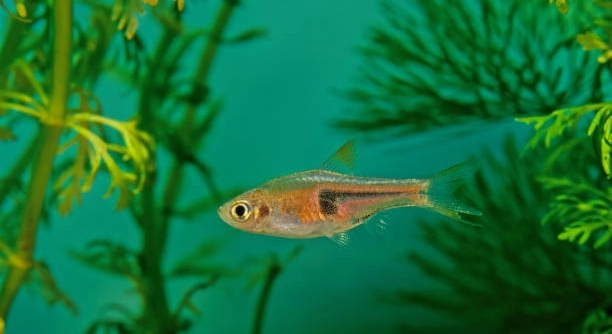
Rasboras are small, active fish often seen flicking their tails or fins. This behavior catches the attention of many aquarium enthusiasts who observe their subtle movements with interest. Understanding these flicks can reveal important aspects of their communication.
Rasboras flick their fins or tails as a form of communication to signal stress, establish territory, or interact socially with other fish. These flicks serve as nonverbal cues that help maintain social order and environmental awareness within their group.
Recognizing the meaning behind these flicks helps in better caring for rasboras and improving their aquarium environment for healthier social interactions.
Why Rasboras Flick Their Fins and Tails
Rasboras use flicking as a way to communicate within their environment. When they flick their fins or tails, they might be signaling discomfort or alerting other fish nearby. This action can also indicate that they feel threatened or stressed due to changes in their surroundings. In some cases, flicking helps rasboras maintain their position in a group, showing their presence without aggressive behavior. Additionally, flicking may serve as a warning to others to keep distance, especially when establishing territory. This subtle movement is a form of nonverbal communication that plays an important role in their social interactions. Paying attention to flicking can help you understand how your rasboras feel, and if their environment needs adjustment. Proper tank conditions and compatible tank mates reduce stress, which often lowers the frequency of flicking behaviors.
Recognizing flicking as communication is essential for maintaining a calm and balanced aquarium environment.
Watching these signals closely allows you to respond appropriately to your rasboras’ needs and improve their overall well-being.
How Environment Influences Flicking Behavior
Environmental factors greatly impact how often rasboras flick. Changes such as water quality, temperature, or overcrowding can cause increased flicking. Poor water conditions, including high ammonia or nitrite levels, stress the fish and may result in more flicking as a distress signal. Similarly, if the tank is too small or lacks hiding spots, rasboras feel exposed and may flick more often to warn others or show unease. Noise and sudden movements outside the tank also trigger flicking behavior. Maintaining stable water parameters, providing enough space, and adding plants or decorations can help reduce stress-related flicking. It is important to monitor tank conditions regularly and adjust them as needed to keep your rasboras comfortable and less prone to flicking from stress.
Observing changes in flicking frequency can serve as an early indicator of environmental problems.
Keeping the tank stable and comfortable helps rasboras stay calm and interact more naturally.
Social Interaction Through Flicking
Flicking is an important part of how rasboras interact socially. It helps them communicate without aggression. These subtle movements keep the group balanced and aware of each other’s presence.
Rasboras flick to signal their position or mood within the school. When one fish flicks, others often respond with similar movements, maintaining group cohesion. This behavior reduces conflict by setting boundaries and showing readiness to move or change positions. Flicking can also be a way to invite play or show curiosity toward nearby fish. Observing these patterns helps in understanding the social dynamics of the group.
When new fish are introduced, flicking may increase as the group adjusts. Over time, this behavior tends to settle as the fish establish roles and comfort levels within the tank. Watching flicking closely can reveal how well your rasboras are adapting socially.
Flicking as a Stress Signal
Stress causes rasboras to flick more frequently. Factors such as poor water conditions, overcrowding, or sudden changes trigger this response. Flicking signals discomfort and helps the fish alert others to potential danger.
Stress-induced flicking may appear as rapid or exaggerated movements. This behavior shows the fish are on high alert, which can lead to health problems if prolonged. Addressing the cause of stress quickly is important. Testing water parameters, reducing tank population, and minimizing disturbances help lower flicking caused by stress. Ensuring proper diet and tank maintenance supports their well-being and reduces these signals.
Monitoring flicking frequency is a useful tool for early stress detection. By recognizing signs early, you can make changes to improve your rasboras’ environment and promote healthier behavior.
Flicking and Feeding Behavior
Rasboras sometimes flick their fins when they are about to eat or searching for food. This movement helps them explore their environment and find feeding spots.
Flicking during feeding can also signal excitement or readiness among group members. It encourages synchronized feeding and helps maintain social harmony.
Flicking to Establish Territory
Rasboras use flicking to mark their territory, especially in smaller tanks. This behavior warns others to keep their distance and avoid conflict.
Territorial flicking prevents fights by clearly showing boundaries. It helps maintain peace within the community and reduces aggressive encounters.
Flicking During Breeding
Flicking increases during breeding periods as a way to attract mates or show readiness. It is part of the courtship ritual.
Observing flicking patterns during breeding helps identify healthy, active fish ready for reproduction.
What does it mean when my rasbora flicks its tail rapidly?
Rapid tail flicking usually signals stress or alertness. Your rasbora might feel threatened by sudden changes in the tank, overcrowding, or poor water quality. It is a way to warn other fish or prepare to flee. Checking water conditions and tank setup often reduces this behavior.
Is flicking always a sign of stress?
Not always. Flicking can also be a normal part of social communication, feeding, or courtship. Occasional flicks are natural and help fish stay aware of their environment. However, if flicking is frequent and rapid, it likely points to stress or discomfort.
Can flicking indicate aggression among rasboras?
Flicking itself is usually a subtle signal rather than outright aggression. It helps set boundaries and avoid fights by warning other fish. True aggression is often accompanied by chasing or biting, not just flicking. Understanding these cues helps prevent conflicts in the tank.
How can I tell if flicking means my rasbora is sick?
Unusual or constant flicking combined with other symptoms like loss of appetite, lethargy, or discoloration may indicate illness. Stress from sickness often shows in increased flicking as the fish reacts to discomfort. Prompt water tests and observation are key to early detection.
Does flicking happen more in certain tank conditions?
Yes. Flicking tends to increase in overcrowded tanks, poor water quality, or when the environment changes suddenly. Providing stable conditions, proper tank size, and hiding spots reduces flicking caused by stress. Monitoring these factors helps keep flicking at normal levels.
Can flicking be a sign of breeding behavior?
During breeding, flicking can increase as males show readiness and attract females. It is part of the courtship display and helps communicate intent without aggression. Watching for other breeding signs alongside flicking gives a clearer picture of reproductive activity.
Should I separate a flicking rasbora from others?
Separation is only necessary if flicking is linked to aggressive behavior or injury risk. Normally, flicking helps maintain social order, and isolation can cause more stress. Observe the situation carefully before deciding, and focus on improving tank conditions first.
Does flicking help rasboras avoid predators?
In the wild, flicking can alert the group to danger or sudden movements. In an aquarium, it may serve a similar function by keeping fish alert to threats. Although flicking is less about escape and more about communication, it still plays a role in safety.
How often should I expect my rasbora to flick?
There is no fixed frequency, but flicking is usually occasional and gentle during calm times. Increased flicking signals changes in mood or environment. Regular observation helps you notice when flicking patterns shift, indicating something that may require attention.
Can flicking behavior vary between rasbora species?
Yes, different species may flick more or less depending on their temperament and social structure. Some rasboras are more active and expressive, while others are calmer. Knowing the specific species’ behavior helps in interpreting flicking accurately and adjusting care accordingly.
Rasboras use flicking as a form of communication that plays several roles in their behavior. Whether signaling stress, social interaction, or readiness to feed, flicking is an important way these small fish express themselves. Understanding these subtle movements allows owners to better interpret how their fish feel and respond accordingly. It is a key behavior that reflects the overall health and comfort of the rasboras in their environment. Observing flicking closely can provide early clues about changes in their mood or conditions in the tank.
Creating a suitable environment is essential to keeping flicking behavior within a normal range. Stable water parameters, adequate space, and proper tank mates help reduce stress, which often causes excessive flicking. Adding plants and hiding spots can also help rasboras feel secure, which decreases the need for flicking as a warning signal. Watching for changes in flicking patterns after adjustments in the tank can show whether the fish are adapting well. Maintaining a clean and calm tank supports healthier social interactions and reduces flicking caused by discomfort or aggression.
It is important to remember that flicking is not always a problem. In many cases, it is simply a natural part of how rasboras live and interact. Recognizing when flicking is normal and when it signals stress or illness can make a big difference in fish care. Paying attention to other signs alongside flicking, such as changes in appetite or behavior, helps provide a clearer understanding of their needs. Overall, flicking offers valuable insight into the daily life of rasboras and helps ensure they remain healthy and comfortable in captivity.

Hello,
If you enjoy the content that we create, please consider saying a "Thank You!" by leaving a tip.
Every little bit helps us continue crafting quality advice that supports the health, happiness, and well-being of pets around the world, for pets of all shapes, sizes, and species.
We really appreciate the kindness and support that you show us!