
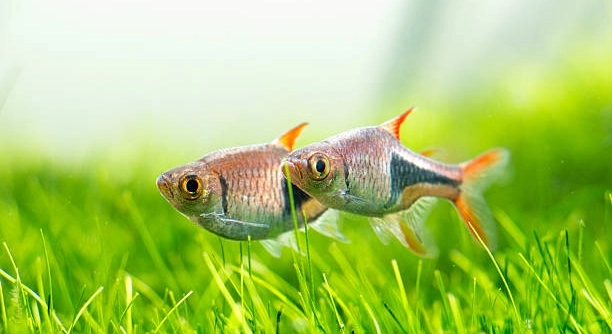
Are your rasboras acting restless or showing signs of stress? These small, social fish thrive best in groups, and sometimes their behavior can indicate they need more companions. Proper group size is essential for their well-being and happiness.
Rasboras display stress and discomfort when kept in groups that are too small. Signs such as increased aggression, hiding, and lack of activity suggest that the group size is insufficient for their social needs, which impacts their overall health.
Recognizing these signs early helps ensure your rasboras remain healthy and active in a properly sized group environment.
Restlessness and Increased Aggression
Rasboras are naturally peaceful and social fish. When they are kept in too small a group, their behavior changes noticeably. You might see them swimming frantically or chasing each other aggressively. This restlessness is a clear sign they feel uneasy without enough companions. Inadequate group size can cause stress, which lowers their immune system and makes them more vulnerable to illness. They may also start to hide more often or refuse to eat, signaling discomfort. To maintain a healthy environment, it’s important to monitor these behaviors regularly. Increasing the group size usually reduces aggression and promotes calm swimming patterns. Providing enough space and hiding spots also helps alleviate stress. Observing your rasboras’ interactions gives insight into whether their social needs are met or if changes are necessary to improve their well-being.
Stress and aggression affect overall health, making it essential to address these signs promptly.
Adding more rasboras typically restores peaceful behavior and balance within the tank.
Recognizing restlessness and aggression early is crucial for preventing long-term health issues. Rasboras thrive when their social needs are met through a sufficient group size. Ensuring a proper number of companions promotes natural behavior and reduces harmful stress. This improves their immune response and keeps them more active. If aggression persists after adding fish, check for tank overcrowding or environmental problems. Regular observation combined with maintaining water quality can help sustain a peaceful community tank. A healthy group creates a lively and enjoyable aquarium for both fish and observer.
Lack of Activity and Hiding Behavior
Rasboras tend to become less active and hide more if their group size is too small.
When isolated or in insufficient groups, they feel insecure and retreat often.
Rasboras are schooling fish that rely on group presence for safety. Without enough companions, they may become withdrawn, spending time hiding behind plants or decorations. This behavior shows a lack of confidence and increased stress. Reduced activity affects their feeding and overall fitness. In contrast, a well-sized group encourages natural schooling behavior, making them swim actively and explore the tank. Providing at least six rasboras is recommended to meet their social needs. Smaller groups do not fulfill this requirement and cause loneliness. Ensuring the tank has plenty of hiding places helps, but it cannot replace the need for a proper group size. Observing your fish’s activity and adjusting the group size improves their comfort and health significantly.
Changes in Color and Appearance
Rasboras may lose their vibrant colors when stressed or feeling isolated. Dull coloration often indicates that the group size is too small, affecting their well-being.
Color intensity in rasboras reflects their health and mood. When kept in small groups, their stress levels rise, which can cause their colors to fade. This loss of brightness signals that they are not thriving. Proper social interaction helps maintain vivid colors by reducing stress. When more companions are added, colors usually return as the fish feel safer and more comfortable.
Fading color can also be a sign of poor water quality or illness. It is important to check water parameters and ensure the tank is well-maintained. However, social needs are equally important for color health. Increasing the group size combined with good tank conditions will help your rasboras regain their natural, vibrant look.
Changes in Feeding Behavior
Rasboras may stop eating or eat less when kept in too small a group. This reduction in appetite is linked to stress and insecurity.
A proper group size creates a sense of safety, which encourages regular feeding. When alone or in small groups, rasboras become anxious and may hide during feeding times. This behavior can lead to malnutrition and weaken their immune system. Increasing the number of rasboras often restores normal feeding habits, as the group dynamic provides comfort.
Feeding behavior is a strong indicator of a rasbora’s well-being. Monitoring their eating habits can help identify social issues early. Consistent, healthy feeding supports growth and vitality. Make sure to offer a balanced diet while maintaining a suitable group size to promote their overall health and happiness in the aquarium.
Increased Hiding Spots Usage
Rasboras tend to use hiding spots more frequently when they feel insecure in too small a group. This behavior indicates discomfort and stress.
Regular hiding reduces their activity and can lead to poor health. Increasing the group size helps them feel safer and more confident in the tank environment.
Erratic Swimming Patterns
Erratic or nervous swimming is a clear sign that rasboras are stressed. This often happens when the group is too small and they lack the security provided by a larger school.
Their movements become unpredictable, with sudden darting or frantic swimming. Adding more companions usually calms them, restoring natural, smooth swimming behavior.
Lack of Social Interaction
Rasboras rely heavily on social interaction for mental and physical health. A small group limits their ability to engage in natural schooling behavior, affecting their well-being.
Loss of Brightness
Loss of brightness in rasboras is often a direct result of stress due to insufficient group size.
How many rasboras should I keep together?
Rasboras are schooling fish and need to be kept in groups of at least six. Smaller groups cause stress and behavioral problems. Keeping six or more ensures they feel secure and display natural behavior. Larger groups improve their activity levels and social interactions, contributing to their overall health.
What happens if my rasboras are kept in too small a group?
When kept in small groups, rasboras show signs of stress such as aggression, hiding, and erratic swimming. Their colors fade, and they may stop eating properly. Over time, this stress weakens their immune system, making them vulnerable to illness and shortening their lifespan.
Can rasboras live alone or in pairs?
Rasboras should not be kept alone or in pairs because they rely on the safety of the group. Alone, they become anxious and may hide or act aggressively. Pairs are also insufficient to meet their social needs. A group of at least six is necessary to keep them comfortable.
How do I know if my rasbora group is too small?
Signs include increased aggression, restlessness, hiding, dull colors, and reduced feeding. If you observe these behaviors, your group is likely too small. Adding more rasboras usually helps improve their mood and activity. It is also important to maintain good water quality to avoid confusing these signs with illness.
Will adding more rasboras suddenly cause problems in the tank?
Adding new fish should be done gradually to avoid stress and water quality issues. Quarantine new rasboras before introducing them. Ensure your tank size and filtration system can support the increased population. Proper acclimation reduces aggression and helps the group settle quickly.
Do different species of rasboras need different group sizes?
Most rasbora species thrive in groups of six or more. However, some species, like the galaxy rasbora, may prefer even larger groups. It is best to research the specific species you have. Generally, the social nature of rasboras requires a minimum group size to prevent stress.
What tank size is best for a group of rasboras?
A minimum of 20 gallons is recommended for six rasboras. Larger tanks allow for bigger groups and more swimming space. Providing plants and hiding spots improves their comfort. Overcrowding can cause aggression and stress, so tank size must match the number of fish.
Can other fish species live with rasboras in the same tank?
Rasboras are peaceful and do well with other small, non-aggressive fish. Suitable tank mates include tetras, danios, and small catfish. Avoid larger or aggressive species that may bully or eat rasboras. Compatibility helps reduce stress and promotes a balanced aquarium community.
How often should I check the group size of my rasboras?
Regularly monitoring the group size and behavior is important. If fish die or are removed, replace them promptly to maintain a healthy group. Observing changes in behavior or activity can alert you to social stress. Keeping a stable group helps sustain their well-being.
What should I do if my rasboras are still stressed after adding more fish?
If stress continues, check for water quality problems, tank size, and hiding spots. Sometimes aggression results from overcrowding or poor conditions rather than group size. Make sure parameters like temperature, pH, and ammonia levels are within ideal ranges. Adjusting the environment often resolves ongoing stress.
When keeping rasboras, paying attention to their social needs is essential. These fish are naturally schooling and require the presence of a proper-sized group to stay healthy and active. A group that is too small can cause stress, which leads to several behavior and health problems. From aggression to hiding and loss of color, these signs point to the need for a bigger group. Ensuring your rasboras have enough companions helps them feel secure and encourages natural behaviors, such as schooling and active swimming. This improves their overall quality of life in the aquarium.
Maintaining the right group size also supports the physical health of your rasboras. Stress caused by isolation or small groups weakens their immune systems and makes them prone to disease. Regular feeding and bright coloration are signs of healthy, comfortable fish. If your rasboras start showing signs of distress, adding more fish to the group often brings quick improvement. Along with group size, other factors like tank size, water quality, and sufficient hiding spaces also influence their well-being. Together, these conditions create a stable environment that helps rasboras thrive.
Understanding the social needs of rasboras is key to successful fishkeeping. Watching for changes in behavior, activity, and appearance allows you to respond before problems worsen. Increasing the group size when necessary is one of the simplest and most effective ways to improve your rasboras’ health and happiness. Keeping them in proper groups promotes natural schooling behavior, reduces stress, and supports a peaceful aquarium community. A well-maintained tank with an appropriate group size ensures your rasboras live longer and more comfortably.

Hello,
If you enjoy the content that we create, please consider saying a "Thank You!" by leaving a tip.
Every little bit helps us continue crafting quality advice that supports the health, happiness, and well-being of pets around the world, for pets of all shapes, sizes, and species.
We really appreciate the kindness and support that you show us!