
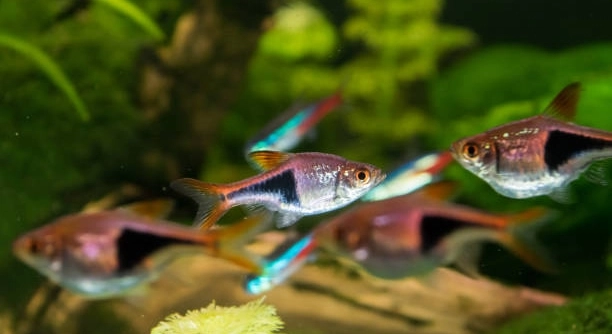
Rasboras are small, peaceful fish often kept in home aquariums. They show interesting behavior patterns and live in groups, making them a favorite among fish enthusiasts. Observing their reactions to daily human activities raises questions about their awareness.
Research indicates that Rasboras can recognize consistent human routines, especially feeding times. They respond to visual and environmental cues linked to these routines, demonstrating learned behavior rather than instinct alone. This recognition supports their adaptability in captive environments.
Exploring how Rasboras respond to human presence can improve aquarium care and deepen understanding of fish behavior in general.
How Rasbora Learn to Recognize Human Routines
Rasboras are capable of learning through repetition and consistency. When humans approach the aquarium at the same times each day, these fish begin to associate specific cues with feeding or interaction. They notice movements, shadows, or sounds that signal it’s time to eat. Over time, Rasboras start to swim closer to the glass or become more active when they detect these familiar signs. This behavior shows they are not simply reacting instinctively but are forming a basic understanding of their environment. This learning process is similar to other animals that rely on routine to anticipate events. While their memory span may be limited, it is enough for them to adapt to daily patterns. Recognizing routines can reduce stress for Rasboras, as they learn what to expect. This knowledge allows aquarium owners to maintain a stable environment, improving the fish’s overall well-being.
Rasboras’ ability to remember routines depends on consistent timing and signals from their caretaker.
The learning process in Rasboras highlights their ability to adapt within a controlled setting. While they do not have complex cognitive skills, their reaction to repeated human activities proves a basic form of memory and anticipation. This adaptive behavior encourages aquarium owners to maintain regular feeding schedules and interaction times. Keeping a routine benefits both the fish and the owner by creating a predictable environment. This predictability helps the fish feel more secure, which can improve their health and longevity. Recognizing the signs Rasboras respond to, such as hand movements or tapping on the tank, allows caretakers to strengthen their bond with the fish. Although Rasboras may not understand humans as individuals, their recognition of consistent patterns shows a simple form of communication and awareness in their behavior.
Signs Rasboras Recognize Human Presence
Rasboras often react to subtle changes around their tank, especially movements and sounds. They become more active or gather near the glass when someone approaches.
Their responses include increased swimming speed, excitement near feeding times, and attention to familiar cues such as tapping or shadows.
Understanding these signs helps caretakers interact more effectively. For example, tapping gently on the tank may get their attention, but sudden loud noises could stress them. Recognizing human presence through routine actions is part of their survival strategy. This awareness allows them to prepare for feeding or other events, reducing uncertainty. While they do not form complex attachments, their behavioral responses show a simple recognition of regular human interactions. Aquarium owners who pay attention to these reactions can create a calmer environment by avoiding unexpected disturbances and reinforcing positive cues. This results in healthier, more responsive Rasboras that thrive under consistent care.
How Routine Affects Rasbora Behavior
Rasboras quickly adjust to daily routines, showing changes in activity around feeding times. They become alert when familiar signals occur, like approaching the tank or sounds linked to feeding.
This adjustment helps reduce stress in Rasboras. When routines are consistent, the fish can predict what will happen next, which keeps them calmer. Inconsistent timing or sudden changes can confuse them, leading to erratic swimming or hiding. Maintaining a steady schedule also encourages healthy eating habits. Over time, the fish learn to anticipate food, responding eagerly when cues are present. This pattern creates a more interactive and enjoyable aquarium experience.
Routines also affect social behavior among Rasboras. When feeding times are regular, they gather together, showing more natural schooling behavior. This regularity fosters a balanced environment where the fish feel secure and connected to their surroundings, further supporting their well-being.
Recognizing Human Interaction Beyond Feeding
Rasboras respond to more than just feeding times; they notice gentle movements and presence near the tank. They can distinguish regular activity from sudden disturbances.
Beyond food, Rasboras become familiar with caretaker habits such as cleaning or water changes. These activities trigger specific behaviors, like curiosity or caution. Fish often watch the movement of hands or equipment, learning to associate them with safety or disturbance. This awareness helps them adapt, minimizing stress during routine tank maintenance. The fish also become conditioned to human presence, sometimes swimming closer when a caretaker is near. This simple recognition shows how they can distinguish between everyday interaction and unpredictable events. Understanding these responses allows for gentler handling and a more peaceful aquarium environment.
How Rasboras Respond to Changes in Routine
Rasboras notice when their usual schedule is disrupted. They may become restless or hide more often if feeding or interaction times vary significantly.
Sudden changes can cause stress. Keeping a predictable routine helps Rasboras feel safe and comfortable in their environment, promoting healthier behavior overall.
Training Rasboras to Recognize Specific Cues
With patience, Rasboras can learn to respond to particular signals, like a tapping sound or light changes. Repeated exposure helps them connect these cues to feeding or other events, increasing their responsiveness.
The Role of Environment in Routine Recognition
A stable environment supports routine recognition. Consistent lighting, temperature, and minimal disturbances reinforce the fish’s ability to learn and anticipate human actions.
Impact of Routine on Rasbora Health
Maintaining a steady routine benefits Rasbora health by reducing stress and encouraging regular feeding and activity patterns.
FAQ
Can Rasboras really recognize their owner?
Rasboras do not recognize owners the way pets like dogs or cats do. Instead, they respond to consistent cues such as feeding times, hand movements, or sounds associated with their care. Their behavior shows recognition of routine patterns, not individual humans.
How long does it take for Rasboras to learn a routine?
It varies, but generally, Rasboras start to respond to repeated signals within a few days to a week. Consistency is key. Feeding at the same time every day and using the same cues helps them adapt more quickly.
What signs show that Rasboras have learned a routine?
Common signs include increased activity when a caretaker approaches, swimming near the glass, and appearing more alert during feeding times. They may also follow familiar sounds or movements connected to feeding or interaction.
Can changing the feeding time confuse Rasboras?
Yes, sudden changes in feeding schedules can cause stress. Rasboras thrive on predictability, so keeping feeding times consistent is important to avoid erratic behavior or hiding.
Do Rasboras respond differently to different people?
Not usually. Rasboras respond mainly to routine signals rather than individual people. However, they might react differently if someone’s movements or sounds vary greatly, but this is about patterns, not personal recognition.
Is tapping on the tank a good way to get Rasboras’ attention?
Gentle tapping can signal feeding time and get their attention, but loud or frequent tapping can stress the fish. Use this method sparingly and observe how your fish react to avoid causing distress.
Can Rasboras be trained to come when called?
They can learn to associate certain signals like tapping or light changes with feeding, which may look like “coming when called.” This is a learned response to cues rather than true obedience or recognition.
What happens if the routine is disrupted for a few days?
Rasboras may become less active or more cautious if their routine is interrupted. They can adapt back quickly once the routine resumes, but prolonged changes can increase stress and affect health.
How can I help Rasboras adjust to new routines?
Introduce changes gradually when possible. Maintain other aspects of their environment stable, like lighting and temperature, to help reduce stress. Repeating new cues consistently helps the fish learn the updated routine.
Do all Rasboras respond the same way to routines?
Individual responses may vary slightly, but most Rasboras show similar patterns of learning and reacting to routines. Factors like tank size, number of fish, and environment can influence behavior.
Can stress from disrupted routines affect Rasbora health?
Yes, stress weakens the immune system and can lead to illness or poor appetite. Keeping routines consistent supports both mental and physical health for Rasboras.
Is it better to have a fixed feeding schedule or feed on demand?
A fixed schedule is better. Regular feeding times create predictability that Rasboras respond to positively. Feeding on demand or irregular times can cause stress and disrupt natural behavior patterns.
How do environmental factors affect routine recognition?
Stable water conditions, lighting, and minimal loud noises help Rasboras focus on routine cues. Changes in environment may distract or stress them, making it harder to learn or follow routines.
Can Rasboras tell the difference between feeding and cleaning time?
Yes, they learn to associate different cues with different activities. For example, the sight of a net or water changes may cause cautious behavior, while hand movements for feeding signal excitement.
What role does social behavior play in routine recognition?
Rasboras often follow each other’s lead. When one fish reacts to a routine cue, others quickly join in. This schooling behavior helps the group respond efficiently to feeding or interaction signals.
Can routine help reduce aggression among Rasboras?
Consistent routines lower stress, which in turn can reduce aggressive or territorial behavior. When fish know what to expect, they are calmer and less likely to compete aggressively for food or space.
Are there any routines Rasboras do not recognize?
Rasboras mainly recognize routines related to feeding and regular human interaction. Random or infrequent events are unlikely to be learned or anticipated by the fish.
How can I tell if my Rasboras are stressed due to routine changes?
Signs include hiding, erratic swimming, loss of appetite, and dull coloration. Watching their behavior closely after changes can help identify stress and adjust care accordingly.
Is it beneficial to vary feeding cues to keep Rasboras interested?
While consistency is most important, minor variations like changing feeding locations or types of food can enrich the environment. These changes should be gradual and predictable to avoid stress.
Can Rasboras learn to recognize their reflection in the tank?
Rasboras may notice reflections but do not recognize themselves. They might react as if seeing another fish, which can sometimes cause curiosity or slight agitation depending on the individual.
This FAQ aims to cover common concerns about Rasboras’ ability to recognize human routines and respond to care. Understanding their behavior helps create a calm, predictable environment that benefits both the fish and their caretakers.
Rasboras are small fish that show a clear ability to recognize daily routines. They respond well to consistent feeding times and familiar signals, such as hand movements or gentle tapping near their tank. This recognition is not about identifying individual humans but rather about learning patterns that happen regularly. By noticing these cues, Rasboras adjust their behavior, becoming more active and alert when it is time to eat or when they expect interaction. This simple form of learning helps them feel more comfortable and secure in their environment.
Keeping a steady routine is important for the well-being of Rasboras. When their schedule changes suddenly or unpredictably, they may become stressed or show signs of discomfort, such as hiding or erratic swimming. Stress can weaken their immune system and affect their overall health. On the other hand, a reliable routine encourages healthy behavior, including regular eating and natural social interactions with other fish. This consistency also benefits aquarium caretakers by making the fish easier to observe and care for. Rasboras thrive when their environment is calm and predictable, which reduces stress and supports their long-term health.
In addition to feeding routines, Rasboras recognize other human-related activities, such as cleaning or water changes. They react differently depending on the situation, showing curiosity or caution as needed. Understanding these responses allows caretakers to handle the tank with care, minimizing stress during maintenance. The ability of Rasboras to learn and adapt to routines demonstrates their intelligence on a simple level and highlights the importance of thoughtful, consistent care. Providing a stable environment with clear, repeated signals helps Rasboras live healthier, happier lives in home aquariums.

Hello,
If you enjoy the content that we create, please consider saying a "Thank You!" by leaving a tip.
Every little bit helps us continue crafting quality advice that supports the health, happiness, and well-being of pets around the world, for pets of all shapes, sizes, and species.
We really appreciate the kindness and support that you show us!