
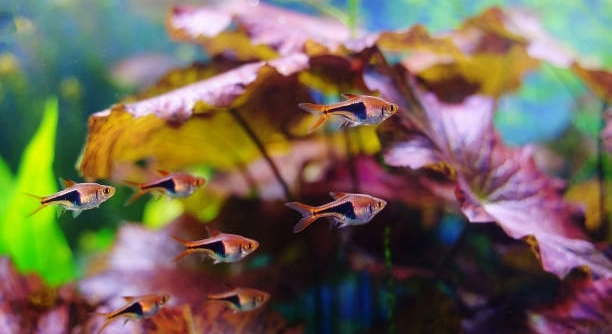
Rasboras are popular aquarium fish known for their peaceful nature and vibrant colors. Many fish owners wonder why these little swimmers seem to spend more time near the glass walls than among the plants. Understanding their behavior can help create a better environment for them.
Rasboras often prefer glass walls over plants because the clear surfaces offer better visibility and security. The open view allows them to monitor their surroundings and avoid potential threats more easily than hiding among dense foliage. This behavior is linked to their natural instincts in the wild.
This article will explore the reasons behind their preferences and how aquarium setup influences their comfort and activity.
Understanding Rasbora Behavior Around Glass Walls
Rasboras are naturally cautious fish. In the wild, they live in open waters where clear sightlines help them spot predators early. Glass walls in an aquarium mimic this clear environment, making it easier for them to stay alert. Plants, on the other hand, can create dark, cluttered spaces that reduce visibility. Although plants provide shelter, dense foliage might make rasboras feel trapped or vulnerable because they cannot see what’s coming. In captivity, these fish adapt by seeking places where they can watch their surroundings carefully. This means they often swim near the tank walls or glass corners, places that give them a broad view. Understanding this behavior helps in creating a tank layout that balances both safety and natural comfort for your rasboras.
Clear glass walls give rasboras a sense of security by allowing them to monitor their environment effectively.
Balancing plants with open spaces can create a healthy, stress-free habitat for your rasboras. Thoughtful placement of plants ensures they can retreat if needed but still have clear sightlines. Using taller plants near the back and sides of the tank while keeping the middle open lets them swim freely. This setup mirrors their natural surroundings, where they use open water for movement but have plants nearby for quick hiding. Watching your rasboras take advantage of these areas will show how much the right environment affects their behavior and well-being.
Creating an Aquarium Environment Rasboras Prefer
Rasboras benefit from a mix of open spaces and gentle plant coverage.
Providing clear sightlines along the glass with scattered plants allows them to feel both safe and stimulated. A well-arranged tank respects their need for visibility without removing the natural elements they enjoy. Using hardy, low-maintenance plants like java fern or anubias near the edges keeps the tank tidy while offering some cover. Floating plants can soften lighting without blocking their view. These choices encourage active swimming and reduce stress, which can lead to better health and vibrant colors. Watching rasboras interact with a thoughtfully arranged tank helps you appreciate their natural preferences and behavior.
The Role of Light and Reflection
Light plays a key role in where rasboras choose to spend their time. Bright areas near the glass walls often attract them more than shaded, plant-covered zones. Reflections on the glass can also catch their attention, providing stimulation and interaction.
Rasboras are drawn to light because it makes the aquarium feel more open and safe. In darker, heavily planted areas, they may feel hidden but also trapped. Bright light near glass helps them see any movements outside the tank, giving a sense of control. This preference for light also helps with their feeding, as they spot food particles better in well-lit zones.
Reflection on glass walls can create the illusion of other fish, which stimulates rasboras to explore and interact. This visual activity keeps them active and engaged. However, too much reflection might cause stress, so balancing light intensity is important for their well-being.
Choosing the Right Plants for Rasboras
Not all plants suit rasboras’ needs equally well. Choosing plants that don’t block sightlines too much keeps the fish comfortable and active.
Plants like anubias, java fern, and hornwort provide gentle cover without overcrowding the tank. They create pockets of shelter while leaving open swimming space. Fast-growing plants help maintain water quality, supporting healthy fish. Placing plants mostly along tank edges preserves clear central areas near glass walls. This setup matches the natural balance rasboras prefer between open water and protective vegetation. Maintaining moderate plant density reduces hiding spots but keeps the tank lively and natural. The right plants contribute to a happy, stress-free environment for your rasboras.
How Tank Size Affects Rasbora Behavior
Smaller tanks can make rasboras feel cramped, pushing them toward the glass walls for more space. Larger tanks offer more freedom to explore plants and open water.
In bigger tanks, rasboras can create their own safe zones between plants and glass. They use the space to swim comfortably while staying alert to their surroundings.
Importance of Water Flow
Rasboras prefer gentle water flow that mimics their natural habitats. Strong currents near plants can make them avoid those areas, favoring calmer spots by the glass instead.
Using Decorations Wisely
Simple decorations that don’t block views encourage rasboras to stay active. Avoid clutter that hides them or disrupts their line of sight along the glass.
FAQ
Why do rasboras stay near the glass more than plants?
Rasboras often feel safer near glass walls because they offer clear sightlines. This helps them see any potential threats early and react quickly. Plants can block their view, making them feel trapped or vulnerable. So, they choose glass walls to keep a better watch on their surroundings.
Can too many plants stress rasboras?
Yes, an overcrowded tank with thick plants can stress rasboras. Dense plants limit their swimming space and block their view. They might feel cornered or unable to escape if threatened. It’s important to keep plant density moderate, allowing open areas near glass where they can swim freely and feel secure.
How much light do rasboras need in their tank?
Rasboras need moderate lighting that mimics their natural environment. Bright light near the glass walls encourages activity and exploration, while shaded areas among plants provide resting spots. Too much direct light can cause stress, and too little can make them hide more. Finding a balance keeps them comfortable.
Do reflections on the glass affect rasboras?
Reflections can stimulate rasboras by creating the appearance of other fish, which encourages social behavior and activity. However, too much reflection may confuse or stress them, especially if it looks like a rival. Adjusting lighting and tank placement can help control reflections for their comfort.
What kinds of plants are best for rasbora tanks?
Low-maintenance plants like java fern, anubias, and hornwort work well. These plants grow slowly, don’t overcrowd the tank, and allow light and visibility. Placing them mostly along the tank edges keeps the center open for swimming and clear sightlines near the glass.
Is tank size important for rasbora comfort?
Tank size plays a big role. Smaller tanks limit space, causing rasboras to cluster near the glass. Larger tanks offer more room to explore, balance open water and plants, and reduce stress. Aim for at least 10 gallons for a small group, but bigger is better.
How does water flow affect rasbora behavior?
Rasboras prefer gentle water flow similar to their natural streams. Strong currents can make plants sway too much, pushing them away. Calm areas near the glass become preferred spots where they can swim easily without fighting the flow.
Can decorations replace plants in a rasbora tank?
Decorations can add hiding spots but shouldn’t block sightlines. Simple structures like smooth rocks or caves placed carefully near edges can complement plants. Avoid overcrowding or large decorations that create blind spots and make rasboras feel unsafe.
How do I encourage rasboras to use plants more?
Create gradual transitions between open water and planted areas. Avoid thick clusters and use taller plants near the back and sides. Adding floating plants softens light and makes the tank feel natural. Over time, rasboras may feel comfortable exploring plants as shelter.
Do rasboras need social groups to feel safe?
Yes, rasboras are schooling fish and feel safer in groups of six or more. Being with others reduces stress and encourages natural behavior. A group helps them balance between open spaces and plants, improving their confidence to explore the tank fully.
Rasboras are small, active fish that need a balanced environment to thrive. They naturally prefer clear sightlines, which explains why they often stay near the glass walls in aquariums. This behavior helps them watch for potential dangers and feel safe. While plants provide shelter and a natural look, too many or dense plants can make them feel trapped or hidden. A well-planned tank should include open spaces near the glass and moderate plant coverage, allowing rasboras to swim freely while still having places to hide if needed.
Lighting and water flow also affect where rasboras spend their time. They like moderate light that brightens areas near the glass without overwhelming the tank. Reflections on the glass can catch their attention, giving them visual stimulation, but too much reflection can cause stress. Gentle water flow is best since strong currents can push plants around and discourage rasboras from exploring those areas. By balancing light, flow, and plants, you create an environment where rasboras feel secure and active.
Tank size is another important factor. Small tanks can make rasboras feel crowded, pushing them closer to the glass walls for space and safety. Larger tanks give them room to explore and establish a balance between open water and planted zones. Keeping a group of rasboras helps them feel more confident and natural. Thoughtful decoration choices that don’t block sightlines also contribute to their comfort. Understanding these factors helps provide a healthy and happy home for your rasboras, supporting their natural behavior and well-being.

Hello,
If you enjoy the content that we create, please consider saying a "Thank You!" by leaving a tip.
Every little bit helps us continue crafting quality advice that supports the health, happiness, and well-being of pets around the world, for pets of all shapes, sizes, and species.
We really appreciate the kindness and support that you show us!