
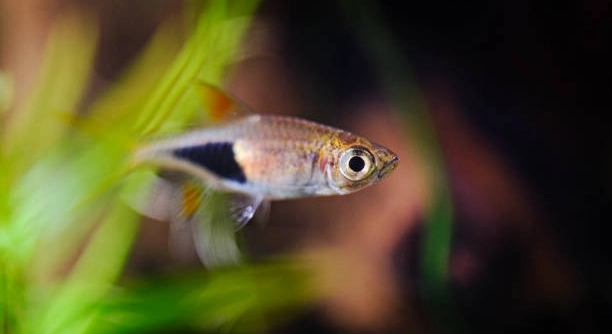
Do you ever notice how Rasboras behave in their tanks and wonder if they develop habits over time? These small, lively fish often catch the attention of hobbyists with their consistent swimming patterns and group dynamics. Understanding their behavior can help create a better environment for them.
Rasboras do show signs of habit by repeating certain behaviors such as schooling in specific areas, following daily routines, and reacting predictably to feeding times. These habits are influenced by their environment and social interactions within the tank.
Learning about Rasbora habits can improve their care and enhance your enjoyment of watching them thrive in your aquarium.
Understanding Rasbora Behavior Patterns
Rasboras are known for their active and social nature. They often swim together in groups, which is a natural instinct for safety and comfort. Watching them, you might notice they prefer certain spots in the tank where they gather frequently. These spots usually offer the right balance of light, cover, and space. Over time, Rasboras tend to follow a daily routine, especially around feeding times. They become more active and move towards the feeding area as they recognize when food is about to be given. These behaviors are not random but are shaped by their environment and interactions. They also react to changes like tank rearrangements or new additions, which can disrupt their established habits. Recognizing these patterns can help you better understand how Rasboras adapt and settle into their home. Paying attention to their habits makes caring for them more rewarding and ensures their well-being.
Rasboras thrive best when their environment is stable. Sudden changes can stress them and disrupt their routines.
Creating a peaceful habitat with consistent lighting, regular feeding, and stable water conditions encourages Rasboras to develop positive habits. It is important to observe their behavior regularly to spot any changes early. If they start hiding more or become less active, it could mean their comfort is affected. Keeping a consistent schedule helps them feel secure, which supports their natural behavior patterns. Simple steps like adding plants or hiding spots also provide a sense of safety. When Rasboras feel safe and comfortable, they show more of their natural schooling and swimming habits, which is enjoyable to watch. Your attentiveness to their habits directly contributes to their happiness and health in the aquarium.
How Environment Shapes Rasbora Habits
The tank setup plays a major role in how Rasboras behave. Proper water temperature, clean water, and enough space allow them to form habits naturally. Stress from overcrowding or poor water quality can disrupt their behavior. Rasboras are sensitive to light changes, so maintaining a consistent day-night cycle is important. Adding plants and decorations that mimic their natural habitat encourages natural routines like exploring and schooling. When the environment is right, they become predictable in their movements and social interactions. Habits like grouping in certain areas or reacting to feeding cues become clear signs that your tank is supporting their needs.
Adjusting your tank environment to support these factors can help reinforce good habits in Rasboras, leading to a healthier and more stable aquarium.
Signs of Habit in Rasbora Behavior
Rasboras often show habit through repetitive swimming routes and predictable group movement. Their feeding response also becomes reliable, signaling a routine pattern. These signs reveal their comfort level and adaptability to their environment.
When Rasboras feel secure, they develop specific behaviors such as schooling in the same tank area and following regular swimming paths. Over time, they may react quickly to feeding times, gathering near the surface or feeding spot. These habits help them conserve energy and maintain social bonds. Changes in these behaviors can indicate stress or discomfort, so watching for consistency is important. Their habits provide insight into how well the tank conditions suit them.
Some Rasboras may even become attached to certain tank mates or areas, showing preference that reflects their social habits. This consistency in behavior is a good sign that they are thriving and comfortable.
Factors That Influence Rasbora Habits
Tank size, water quality, and lighting all impact Rasbora habits. Adequate space allows natural schooling and exploration, while clean water supports health and activity levels. Stable lighting helps regulate daily routines.
If the tank is too small or crowded, Rasboras may become stressed and stop showing normal habits. Poor water quality leads to illness and lethargy, interrupting their regular behavior. Consistent lighting encourages a natural day-night cycle, which Rasboras rely on to establish habits like feeding and resting. Proper care of these factors ensures Rasboras can develop and maintain predictable behavior patterns. The right environment encourages their natural instincts and supports their overall well-being.
Common Rasbora Habits
Rasboras often form strong schooling habits, swimming tightly together for safety. They also develop feeding habits, quickly recognizing feeding times and locations. These patterns are clear signs of their daily routine.
Their movement can become predictable, as they favor certain swimming routes and tank areas. This consistency helps them feel secure and reduces stress, making the tank a stable home.
Impact of Feeding Schedules on Habit Formation
Regular feeding schedules play a crucial role in shaping Rasbora habits. When fed consistently, Rasboras quickly learn to expect food at certain times and gather in anticipation. This routine builds trust and comfort with their environment. Skipping or varying feeding times can cause confusion and stress, disrupting established habits. Maintaining a steady schedule helps reinforce their natural behaviors and promotes a healthy, active lifestyle.
Changes in Rasbora Behavior
Sudden changes in tank conditions or routine can disrupt Rasbora habits. They may become shy, hide more, or show less schooling behavior when stressed or uncomfortable.
Do Rasboras recognize their owners?
Rasboras are small fish with limited interaction with humans compared to pets like dogs or cats. However, they can become familiar with the presence of their owner, especially around feeding times. They may swim toward the front of the tank when someone approaches, associating that person with food. This recognition is more about habit than affection. It shows that Rasboras can learn routines and cues from their environment.
How long does it take for Rasboras to develop habits?
Rasboras can start showing signs of habit within a few days to a week if their environment remains consistent. Daily feeding at the same time and keeping the tank stable helps speed up this process. The more consistent the conditions, the quicker they adapt and form habits. Some behaviors, like schooling in a certain area or swimming routes, develop naturally over several weeks as they grow comfortable.
Can Rasboras change their habits if the tank environment changes?
Yes, Rasboras can adapt their habits if the tank environment changes, but it takes time. Changes such as moving decorations, altering water conditions, or adding new tank mates may disrupt their routines. Initially, they might hide more or swim differently as they adjust. With patience and stability restored, they usually establish new habits that fit the changed environment.
What signs show that Rasboras are stressed or unhappy?
Stressed Rasboras may stop schooling, hide frequently, or swim erratically. They might also lose interest in food or appear lethargic. Changes in color or clamped fins are other signs. Stress often comes from poor water quality, overcrowding, or sudden changes. Recognizing these signs early helps prevent health problems and encourages prompt action to improve their environment.
How important is a stable light cycle for Rasbora habits?
A stable light cycle is very important for Rasbora behavior. It helps regulate their daily activities like feeding, swimming, and resting. Consistent lighting mimics their natural environment, reducing stress and promoting healthy habits. Sudden or irregular lighting can confuse Rasboras, causing disrupted routines or increased hiding.
Do Rasboras need companions to develop normal habits?
Rasboras are schooling fish, so having companions is essential for their natural behavior. They feel safer and more comfortable in groups, which supports their social habits like synchronized swimming and feeding. Without companions, Rasboras may become stressed, shy, or less active. A group of at least six is recommended to encourage healthy habits.
Can Rasboras learn to respond to signals other than feeding time?
Rasboras can learn to respond to consistent signals in their environment, such as light changes or movements near the tank, especially if those signals are regularly linked to feeding or other activities. This learning is based on routine and repetition, helping them feel more secure and predictable in their behavior.
What can disrupt Rasbora habits the most?
The biggest disruptions come from unstable water conditions, overcrowding, sudden changes in tank setup, or irregular feeding schedules. These factors cause stress, which breaks down their established routines. Maintaining stable conditions and consistent care helps avoid disruptions and keeps their habits steady.
How do you help Rasboras form new habits after a tank move?
After moving a tank, give Rasboras time to adjust by keeping water conditions and lighting consistent. Avoid sudden changes and provide familiar hiding spots or plants. Maintain regular feeding times to encourage comfort. Patience is key, as they may take days or weeks to settle and develop new routines.
Are Rasbora habits different between species?
Yes, some Rasbora species show variations in habits due to differences in size, temperament, and natural habitat. For example, Harlequin Rasboras may be more active and bold, while other species might be shy and prefer dense vegetation. Knowing the species helps understand specific habit patterns and care needs.
Rasboras are small fish that often show clear habits when kept in a consistent and caring environment. Watching their daily routines can be interesting because they tend to swim in groups and follow specific patterns. These habits help them feel safe and comfortable in their tank. When Rasboras develop regular behaviors, it is a sign they are adjusting well to their home. Keeping their environment stable with regular feeding times and proper water conditions supports these habits. This, in turn, helps Rasboras stay healthy and active.
It is important to remember that changes in the tank can affect Rasbora habits. Moving decorations, changing water, or adding new fish can cause stress and disrupt their routines. When this happens, Rasboras might hide more or act differently until they get used to the change. Being patient during these times is key. Giving them a quiet, stable space to adjust helps them form new habits more easily. Watching their behavior closely can also give clues about their comfort and health. If habits suddenly change or they become less active, it may be a sign to check the tank conditions or feeding schedule.
Overall, understanding Rasbora habits makes caring for them easier and more rewarding. Their predictable behaviors show that they are comfortable and thriving. Keeping a steady environment, feeding them at the same times, and providing enough space encourages their natural instincts. Even small changes in their tank can affect their habits, so regular care and attention are important. By supporting their habits, you help ensure Rasboras live a happy, healthy life in your aquarium.

Hello,
If you enjoy the content that we create, please consider saying a "Thank You!" by leaving a tip.
Every little bit helps us continue crafting quality advice that supports the health, happiness, and well-being of pets around the world, for pets of all shapes, sizes, and species.
We really appreciate the kindness and support that you show us!