
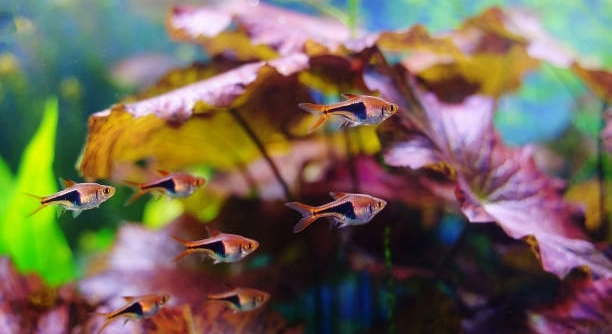
Rasboras are small, active fish often seen in home aquariums. They sometimes appear to “hover” in the water, staying still for moments instead of swimming around. This behavior can be interesting to observe and understand.
When rasboras hover, they are often resting, sensing their environment, or regulating their buoyancy. This stillness allows them to conserve energy while staying alert to changes around them. It is a normal behavior that helps maintain their health and well-being.
Observing these subtle actions offers insight into their natural habits and care needs, making them more enjoyable and easier to care for in your aquarium.
Why Rasboras Hover in Certain Spots
Rasboras often choose specific areas in the tank to hover quietly. These spots usually have moderate water flow and good access to oxygen. Hovering in these areas helps them rest while staying safe from strong currents that might tire them out. Sometimes they stay near plants or decorations, which offer shelter and a feeling of security. It also allows them to watch their surroundings carefully. This behavior is natural and common among small schooling fish like rasboras. You might notice that they prefer hovering near the middle or upper parts of the tank where they can quickly swim away if needed. Their choice of location is linked to comfort and safety, ensuring they conserve energy while remaining alert. These quiet moments help them recover from swimming and prepare for activity.
Hovering spots help rasboras balance energy use and safety, making it a normal part of their daily behavior.
Watching where rasboras hover can reveal their preferences for comfort and safety. It also shows how they interact with their environment and other fish. When you see them resting in certain spots, it’s often because those areas offer the best conditions for relaxation and observation.
How Buoyancy Control Affects Hovering
Buoyancy control plays a big role in why rasboras hover in the water. These fish use their swim bladders, small internal organs, to adjust their position without much effort. By changing the amount of gas in the swim bladder, they can float, sink, or stay in place with ease. This system helps them hover steadily without constantly swimming. When a rasbora hovers, it is often fine-tuning its buoyancy to stay comfortable and conserve energy. This is especially useful when they want to rest but still be ready to move quickly. Buoyancy control also helps rasboras avoid drifting into unsafe areas or strong currents. It’s an essential skill that supports their survival and comfort in the tank. Understanding this can help aquarium owners provide better care by maintaining stable water conditions that support buoyancy health.
Resting Behavior and Energy Conservation
Rasboras hover to rest and save energy. This behavior lets them pause without using much effort, especially after swimming around actively.
When rasboras hover, they reduce muscle activity and slow down their movements. This helps conserve energy for important activities like finding food or escaping threats. Since these fish are small and active, energy conservation is vital. Hovering acts as a break, allowing their bodies to recover without becoming vulnerable. In a tank, this resting behavior is a sign that the fish feel safe and comfortable in their environment. Proper tank conditions, such as clean water and stable temperatures, support this natural resting pattern.
Hovering also helps rasboras maintain alertness. Even when resting, they stay aware of nearby changes, ready to swim away quickly if danger appears. This balance between rest and vigilance is important for their survival in both wild and aquarium settings.
Social Interaction While Hovering
Rasboras often hover near other fish in their school. This behavior helps maintain group cohesion and communication.
Schooling fish like rasboras rely on close contact to feel secure and avoid predators. Hovering together allows them to stay connected visually and physically without much movement. This reduces energy use while maintaining the group’s structure. It also helps them coordinate movements quickly when needed. When a few fish start hovering, others often follow, creating a calm, synchronized moment within the group. This social behavior strengthens their bonds and reduces stress. Recognizing these patterns can improve how you arrange tank mates and decorations to support healthy social dynamics. Providing enough space and hiding spots encourages natural group behavior and makes hovering a shared, safe activity.
Environmental Factors Influencing Hovering
Water temperature and quality affect how often rasboras hover. They may rest more when conditions are less than ideal.
Proper tank conditions reduce stress, allowing rasboras to swim actively. Poor water quality or temperature changes can make them hover longer as a response to discomfort or low energy levels.
Signs of Stress in Hovering Behavior
Rasboras that hover excessively or appear lethargic might be stressed. Stress can come from overcrowding, poor water quality, or sudden changes in the tank environment.
Recognizing stress through hovering behavior is important. Addressing these issues early helps keep rasboras healthy and active. Regular water testing and proper tank maintenance can prevent prolonged stress and improve their well-being.
Feeding and Hovering
Rasboras often hover near feeding times to watch for food and conserve energy before darting to eat.
Tank Setup Tips for Healthy Hovering
Provide plants and hiding spots to encourage natural hovering and resting places for rasboras.
Why do rasboras hover instead of swimming constantly?
Rasboras hover to rest and save energy between bursts of swimming. Constant movement uses a lot of energy, so hovering lets them recover while staying alert. This behavior is natural and helps them balance activity with periods of calm. Hovering also allows them to monitor their environment for food or danger without tiring themselves out.
Is hovering a sign of illness in rasboras?
Not always. Hovering is normal, but if a rasbora stays still for too long, floats awkwardly, or struggles to swim, it could indicate illness or stress. Poor water quality, parasites, or swim bladder problems can cause abnormal hovering. Watch for other symptoms like loss of appetite or discoloration, and test water parameters to rule out environmental causes.
How can I tell if my rasboras are stressed when they hover?
Stressed rasboras may hover more than usual, stay at the surface or bottom, or hide excessively. Rapid gill movement or clamped fins often accompany stress. Overcrowding, sudden changes in water temperature, or poor water quality are common triggers. Keeping a consistent environment and proper tank conditions helps reduce stress and encourages natural hovering.
Do rasboras hover more in certain tank setups?
Yes. Tanks with slow or moderate water flow encourage more hovering because rasboras can hold their position easily. If the current is too strong, they may swim continuously to stay in place. Dense plants or decorations provide resting spots where they feel secure, increasing hovering behavior. Open tanks with strong currents tend to reduce hovering.
Can feeding times affect how often rasboras hover?
Rasboras often hover quietly just before feeding, conserving energy and watching for food. After eating, they may hover more to digest and rest. A well-fed rasbora will balance active swimming with hovering, while hungry fish might swim actively more often searching for food. Feeding a consistent diet on schedule supports this natural pattern.
Is it normal for rasboras to hover near other fish?
Yes. Rasboras are schooling fish that stay close together for safety. Hovering near other tank mates helps maintain the group’s cohesion and reduces stress. This social hovering lets them rest while still keeping an eye on their companions. It’s a sign of comfort and natural behavior in a peaceful community tank.
What should I do if my rasboras hover at the surface a lot?
Hovering at the surface may indicate low oxygen levels or poor water quality. Check the tank’s aeration and perform water tests. Increasing surface agitation or adding an air stone can help raise oxygen levels. If water parameters are stable, surface hovering might also occur when they are feeding or exploring, but persistent surface resting should be addressed.
How can I create a tank environment that supports healthy hovering behavior?
Provide moderate water flow and stable water conditions. Add plants and decorations for shelter and resting spots. Maintain proper temperature and clean water through regular testing and changes. Avoid overcrowding to reduce stress. A calm, well-maintained tank helps rasboras hover naturally, conserve energy, and feel safe.
Can aging affect how much rasboras hover?
Older rasboras may hover more as their energy levels decrease. This is a normal part of aging but should be monitored. If increased hovering comes with other signs of illness or weakness, it may need attention. Keeping an aging fish comfortable with good tank care supports its health and natural behaviors.
Does lighting affect rasbora hovering habits?
Lighting can influence activity levels. Bright or harsh light may cause rasboras to seek shelter and hover more in shaded areas. Soft, natural lighting encourages normal swimming and resting balance. Adjusting light intensity and providing shaded spots helps maintain comfortable conditions for healthy hovering.
Rasboras are small, lively fish that bring a lot of charm to any aquarium. Their hovering behavior is a natural and important part of how they live. When they hover, they are often resting, conserving energy, or staying alert to their surroundings. This quiet time helps them recover from swimming and keeps them ready to respond to changes in their environment. Understanding why rasboras hover can help aquarium owners provide better care and create a tank that supports these natural habits.
It is important to remember that hovering is usually normal and not a cause for concern. However, if a rasbora hovers too much or shows signs of distress, it could indicate issues like stress, illness, or poor water conditions. Regular tank maintenance, such as cleaning, checking water quality, and maintaining stable temperatures, will keep rasboras healthy and comfortable. Also, providing plants and decorations gives them safe places to rest and hover naturally. Watching their behavior closely allows owners to spot any changes early and take action to keep their fish well.
Overall, observing rasboras hover offers a glimpse into their needs and personality. This behavior shows how they balance activity with rest and social interaction. By offering a calm and stable environment, it is possible to help rasboras thrive and enjoy their home. Taking the time to learn about their habits and preferences creates a more rewarding experience for both the fish and their caretakers. The simple act of hovering holds meaning, showing that these little fish are healthy, secure, and adapting well to life in the aquarium.

Hello,
If you enjoy the content that we create, please consider saying a "Thank You!" by leaving a tip.
Every little bit helps us continue crafting quality advice that supports the health, happiness, and well-being of pets around the world, for pets of all shapes, sizes, and species.
We really appreciate the kindness and support that you show us!