
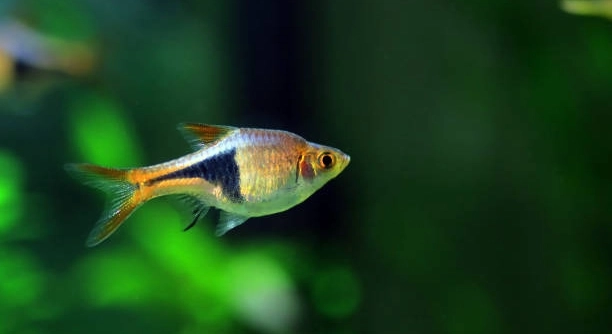
Do your Rasboras often seem to swim away from the current, choosing still areas of the tank instead of active ones?
Rasboras avoid water flow when the current is too strong, inconsistent, or creates stress. Their natural habitats are calm streams and ponds, so high movement in tanks can cause discomfort or fatigue, leading them to seek calmer spots.
This behavior may seem minor, but it gives insight into their environment needs and comfort levels. Understanding these signs helps you create a tank that supports both their health and natural instincts.
Rasboras Prefer Gentle Waters
Rasboras come from calm streams, pools, and slow-moving rivers in Southeast Asia. These areas have soft currents that allow the fish to swim easily without using too much energy. In a home aquarium, replicating this kind of flow is important. If the water movement is too strong, Rasboras may spend most of their time hiding behind decorations or sticking to the bottom corners of the tank. This is their way of avoiding the constant push from the current. Over time, strong flow can cause stress, make them feel unsafe, or even affect their health. Some Rasboras will also stop schooling and swim alone if the current is uncomfortable. Using a gentle filter or adding flow blockers like plants or rocks can help. These small changes allow Rasboras to move freely and display more natural behavior, such as peaceful schooling and open swimming.
Most Rasboras thrive best in slow or moderate water flow, where they can move easily and rest when needed.
When tank flow is adjusted to suit them, Rasboras become more active and social. You’ll see them swimming together in small groups, exploring their environment with ease. Their colors may also appear more vivid, and they tend to eat more consistently.
Stress Can Trigger Avoidance
Rasboras are easily disturbed by sharp or rapid water movement. This can trigger hiding and a drop in activity levels.
Strong or inconsistent water flow can overstimulate Rasboras and leave them feeling overwhelmed. In the wild, they have plenty of control over their environment and can move to calmer spots. But in a tank, if the current is always pushing them, they lose that option. This constant pressure wears them down. You might notice their fins clamped tightly or see them staying motionless under leaves or rocks. These behaviors are common signs of discomfort. Stress doesn’t just affect behavior—it can lower their immune response and make them more prone to illness. It can also interfere with feeding and cause weight loss over time. Using spray bars or sponge filters can spread out the current, making the flow softer. By reducing these pressure points in the tank, you help Rasboras stay healthy, active, and relaxed.
Tank Design Matters
Aquarium layout affects how water flows and where Rasboras feel comfortable. Decorations and plants can either block or channel current, changing how the fish respond. A poor layout may cause them to gather only in certain areas, avoiding the rest of the tank.
Tall plants, driftwood, and rocks can help redirect strong flow and create safe spots. Rasboras tend to relax more in tanks with dense planting, especially in corners or mid-level areas where the current slows. A balanced layout spreads out the water movement while still keeping filtration effective. Avoid placing the filter output in the center of the tank, as this can send constant pressure toward all areas. Instead, angle it toward the glass or use flow diverters. Rasboras will begin exploring more space when the current isn’t too forceful. You’ll notice them forming small groups and gliding gently across open areas with less stress.
Creating different flow zones gives Rasboras more control over where they swim. This is helpful if you keep different fish species with different needs. Slower flow areas help Rasboras rest and hide, while stronger flow zones serve more active fish. This balance also makes your tank look more natural and helps all fish feel secure in their own space.
Behavior Changes are a Signal
When Rasboras avoid the flow, they often stay low in the tank or group tightly in corners. This behavior is usually a response to discomfort rather than a sign of shyness. Some Rasboras may even stop eating or lose color when stressed by water movement.
Changes in swimming behavior are among the first signs that your Rasboras are unhappy. If they stop schooling, move only when necessary, or dart quickly between still areas, it usually means the current is too strong. In some cases, they may become more territorial, which is not typical for this species. You might see one or two guarding quiet corners and pushing others away. That’s often a sign they’re trying to protect the only comfortable spot. These behaviors can be corrected by changing the filter settings or adding current breaks. Once the flow is reduced, Rasboras often return to their calm, peaceful habits.
Feeding Habits Are Affected
When water flow is too strong, Rasboras may struggle to reach food before it gets carried away. This can lead to uneven feeding, with stronger fish eating more and weaker ones missing out on nutrition.
A softer flow helps food settle slowly, giving all Rasboras a fair chance to eat. Watching them eat calmly near mid-level areas is a good sign the tank flow is balanced.
Filter Type Makes a Difference
Sponge filters, adjustable hang-on-back filters, or canister filters with flow control are better suited for Rasboras. These types allow gentle movement and don’t push the fish around constantly. Avoid high-powered internal filters without flow adjusters, especially in small tanks. Spray bars or baffle mods also help lower the impact of stronger filters. A slower flow keeps Rasboras calm and healthy.
Tank Mates Influence Flow Use
Active fish like Danios or Barbs may stir up the flow, causing Rasboras to stay in sheltered spots. This can change their normal swimming behavior.
FAQ
Why do Rasboras avoid strong water flow?
Rasboras come from calm waters where the current is gentle. Strong flow in an aquarium forces them to swim harder, which tires them out and causes stress. This makes them seek spots with less movement to feel safe and rest. Over time, strong currents can lead to poor health and reduce their activity.
How can I reduce water flow in my Rasbora tank?
Use a filter with adjustable flow or add flow blockers like plants, rocks, or driftwood near the filter output. You can also use spray bars or sponge filters, which spread the flow more evenly. Positioning the filter output to face the tank glass or a corner helps reduce direct current. These simple steps create calmer zones for Rasboras.
Can strong water flow cause illness in Rasboras?
Yes, constant stress from strong currents weakens their immune system. This makes Rasboras more vulnerable to infections and diseases. Stress can also reduce their appetite and affect growth. Providing a gentle flow helps keep them healthy and active.
Do Rasboras need hiding spots to avoid strong currents?
Yes, dense plants and decorations create natural shelters where Rasboras can rest out of strong currents. These spots reduce stress and mimic their natural environment. Even if you reduce flow, hiding places help fish feel secure and behave normally.
Will tank mates affect how Rasboras handle water flow?
Active or aggressive fish may increase water movement by swimming fast or chasing others. This can push Rasboras into low-flow zones more often. Choosing peaceful, slow-moving tank mates helps maintain a calm environment and encourages Rasboras to swim freely.
How do I know if my Rasboras are stressed from water flow?
Look for clamped fins, hiding more than usual, loss of color, or refusal to eat. Rasboras that stay only in corners or at the bottom avoiding open water likely dislike the current. These signs show they need adjustments in tank flow or better shelter.
Is it okay for Rasboras to avoid water flow sometimes?
Yes, it’s normal for Rasboras to choose calm areas occasionally. Avoidance becomes a problem only if it happens constantly and they never explore the tank. Making sure the flow isn’t too strong helps them balance movement and rest.
Can tank size affect how water flow impacts Rasboras?
Smaller tanks often have stronger currents because water circulates faster in less space. Larger tanks allow more gentle flow zones. Adjusting filter power or adding decorations is especially important in small tanks to prevent excessive currents.
What filter types work best for Rasboras?
Sponge filters, adjustable hang-on-back filters, and canister filters with flow control are ideal. These allow you to soften water movement, creating a more natural environment. Avoid strong internal filters without flow adjustment, especially in small tanks.
How does water flow affect Rasbora breeding?
Strong currents can disturb eggs and fry by sweeping them away or making it hard for adults to protect their young. Gentle flow zones help Rasboras breed successfully by providing safe, calm areas for spawning and raising fry.
Rasboras are peaceful fish that prefer calm waters with gentle currents. Their natural habitats have slow-moving or still water, so when kept in an aquarium with strong flow, they tend to avoid it. This behavior is important to notice because it shows how comfortable the fish feel in their environment. When Rasboras avoid water flow, they are trying to protect themselves from stress and fatigue. Creating a tank with the right water movement can help them stay healthy and active. It also allows them to behave naturally, which is rewarding to observe.
Adjusting water flow in a Rasbora tank is simple but makes a big difference. Using filters with adjustable flow or adding plants and decorations to break the current helps create calm areas. These changes reduce stress and let the fish explore the whole tank instead of hiding. Paying attention to where Rasboras spend most of their time can guide how to improve the setup. If they avoid certain spots due to strong currents, moving or modifying the filter output can help. It is also important to consider the other fish in the tank. Some active species can stir the water and cause more flow than Rasboras like. Choosing peaceful tank mates and managing their activity can improve overall comfort.
Finally, understanding the needs of Rasboras helps provide a better home for them. Avoiding strong currents, offering hiding spots, and maintaining balanced flow creates a healthy environment. When Rasboras feel safe and relaxed, they show better colors, swim openly, and eat well. Observing their behavior closely is the best way to spot any problems early. Making small adjustments based on what the fish show leads to long-term well-being. A well-planned tank not only benefits Rasboras but also makes caring for them easier and more enjoyable.

Hello,
If you enjoy the content that we create, please consider saying a "Thank You!" by leaving a tip.
Every little bit helps us continue crafting quality advice that supports the health, happiness, and well-being of pets around the world, for pets of all shapes, sizes, and species.
We really appreciate the kindness and support that you show us!