
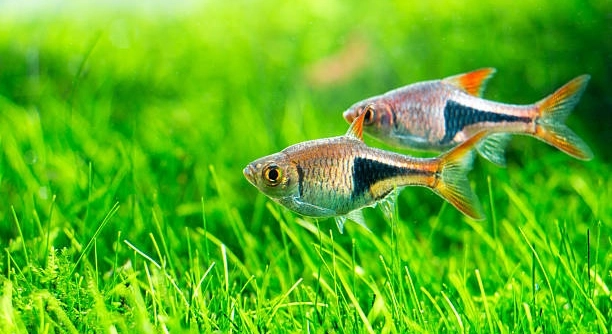
Changes in an aquascape can alter the environment of the fish living in it. Rasboras are popular freshwater fish often kept in planted tanks. Their reaction to these changes can affect their behavior and well-being.
Rasboras do react to aquascape changes, often showing stress or altered behavior when their surroundings are disturbed. Stability in their environment is important for maintaining natural activity levels and overall health.
Understanding how rasboras respond to these changes can help aquarium keepers create a better habitat. This knowledge supports healthier fish and a more balanced aquatic environment.
How Rasboras Sense Changes in Their Environment
Rasboras are sensitive to shifts in their tank setup because they rely on consistent surroundings for comfort. When aquascapes are rearranged, water parameters like temperature, pH, and flow can be affected. These fish notice changes in plant placement, hiding spots, and light levels, which can make them feel exposed or insecure. Since rasboras are schooling fish, any disruption can also impact their group behavior. They may become hesitant to swim openly or hide more often until the environment feels stable again. Sudden movements or decorations added without care can cause stress, leading to changes in feeding habits or activity levels. Keeping alterations gradual helps rasboras adjust without unnecessary stress. Watching their reactions during these times is important to ensure they remain healthy and comfortable. Tank owners often find that minimal adjustments over time are better than dramatic overhauls, which can disturb the tank’s balance and the fish’s sense of security.
Stress from changes may result in less activity and appetite loss in rasboras.
A calm and stable environment encourages natural behavior in rasboras. Providing familiar plants, smooth decorations, and gentle water flow allows them to feel safe. When changes are needed, making them slowly and observing fish behavior helps maintain their health. Adjustments done carefully can even enrich their habitat without causing fear. Being attentive to how rasboras respond lets you create an aquascape that supports their needs while keeping the tank visually pleasing. This balance between beauty and function is key to a thriving aquarium where rasboras feel at ease.
Signs Rasboras Show When Uncomfortable
Rasboras display clear signs when they are uneasy about changes. They may cluster tightly or stay hidden for long periods. Reduced movement, faded coloration, and loss of appetite are common reactions. In some cases, they might flash or scratch against objects, indicating irritation or stress. These behaviors signal that the fish need time to adjust or that the changes are too sudden. Monitoring these signs can help aquarium owners take steps to restore comfort. Simple actions like adding more plants or rearranging decorations gently can calm the fish. Keeping stress low is crucial because prolonged discomfort affects their immune system, making them vulnerable to illness. Responding quickly to these signs ensures rasboras regain their natural energy and schooling behavior, contributing to a healthy, balanced tank environment.
Managing Aquascape Changes for Rasboras
When making changes to an aquascape, it is best to do so slowly. Sudden rearrangements can stress rasboras and disrupt their routine. Gradual adjustments give them time to adapt.
A slow transition helps maintain water stability, which is vital for rasboras. Changing plants or decorations one at a time allows the fish to get used to new surroundings without feeling threatened. This approach also makes it easier to spot any negative reactions early. For example, moving a hiding spot gradually can reduce stress because the fish still feel safe. Avoid changing lighting or water flow all at once, as these factors influence their comfort and behavior. Patience during these steps results in a healthier, calmer environment where rasboras thrive.
It also helps to observe the fish closely during changes. If stress signs appear, reversing some adjustments or adding familiar elements can soothe them. Keeping a routine feeding schedule supports stability, reassuring the fish even when their space shifts.
Creating a Stable Environment for Rasboras
Consistency is key for rasboras to feel secure. Stable water conditions and a familiar layout reduce stress and promote natural behavior.
Keeping water parameters like temperature, pH, and hardness steady is crucial. Fluctuations can cause discomfort and illness. Providing plenty of plants and hiding places makes rasboras feel protected. When adding new decorations, use soft materials and avoid sharp edges. Lighting should mimic natural cycles to support their daily rhythms. Regular maintenance like water changes keeps the tank healthy without sudden disruptions. The goal is to create an environment where rasboras can swim freely, school naturally, and feed without fear. Stability makes them more resilient to occasional changes and supports their overall well-being.
Common Mistakes When Changing Aquascapes
Rushing changes is a frequent mistake that upsets rasboras. Sudden shifts in water quality or layout cause unnecessary stress.
Another error is removing too many hiding spots at once. Rasboras rely on cover to feel safe and secure in their environment.
Preparing Your Tank Before Changes
Testing water parameters before making adjustments is essential. Ensuring stable temperature, pH, and hardness prevents shock to the fish. Removing debris and performing partial water changes help maintain a clean, healthy tank during transitions. Planning changes in small steps allows the environment to stay balanced and supports rasboras’ comfort throughout.
Benefits of Aquascape Stability
Stable aquascapes reduce stress and encourage natural behaviors in rasboras. Consistency in environment promotes schooling, feeding, and breeding activity, which leads to healthier fish overall.
FAQ
How quickly do rasboras adjust to changes in their aquascape?
Rasboras usually take a few days to a couple of weeks to adjust, depending on how drastic the changes are. Small, gradual adjustments cause less stress and speed up adaptation. Sudden, large changes can extend adjustment time and increase signs of discomfort.
What are the first signs that rasboras are stressed by aquascape changes?
Common signs include hiding more than usual, reduced swimming activity, loss of appetite, and faded colors. They may also cluster tightly or flash against tank surfaces. These behaviors usually indicate that the fish are feeling insecure or overwhelmed.
Can frequent aquascape changes harm rasboras?
Yes, frequent or abrupt changes can weaken rasboras’ immune systems. Stress from constant disruption makes them more vulnerable to diseases and lowers their lifespan. It’s best to limit changes and keep the tank environment as stable as possible.
Are there specific plants or decorations that help rasboras feel secure?
Dense plants like Java moss or floating plants provide good cover and shelter. Smooth rocks and driftwood create hiding spots without sharp edges that could harm the fish. Providing plenty of cover encourages natural behavior and reduces stress.
Is it okay to move rasboras during aquascape changes?
Minimizing handling is ideal. If you must move them, do so gently and avoid sudden temperature changes. Moving them too often or roughly adds extra stress and can harm their health. It’s best to keep them in their established tank while adjusting the environment slowly.
How does lighting affect rasboras during aquascape changes?
Lighting plays an important role in their comfort. Sudden increases or decreases in light intensity can startle them. Keeping a consistent light cycle helps maintain their daily rhythms. Using dim lighting during changes can ease stress.
Should water parameters be adjusted when changing the aquascape?
Water parameters should stay as stable as possible. Changing plants or decorations should not cause fluctuations in pH, temperature, or hardness. Testing water regularly before and after changes ensures conditions remain safe for rasboras.
Can aquascape changes improve rasboras’ health?
Yes, when done carefully, changes can enhance their environment. Adding new plants or hiding places can reduce boredom and improve water quality. The key is to introduce changes gradually to avoid stress.
What’s the best way to monitor rasboras after an aquascape change?
Watch for behavior changes, feeding habits, and appearance daily. Look for signs of stress or illness. Keeping a close eye allows you to respond quickly if they seem uncomfortable or sick.
How long should I wait between aquascape changes?
Waiting several weeks between changes is recommended. This gives rasboras time to fully adjust and regain normal behavior. Frequent alterations disrupt their routine and cause ongoing stress.
Is it necessary to quarantine rasboras after aquascape changes?
Generally, quarantine is not needed unless new fish or plants are introduced. Focus on maintaining water quality and stability in the existing tank. Quarantine is useful to prevent disease when adding new tank inhabitants, not for aquascape adjustments.
What if rasboras never seem to settle after a change?
If they remain stressed for weeks, check water parameters, tank mates, and tank conditions. Sometimes other factors like poor water quality or aggressive fish cause ongoing discomfort. Adjusting those can help rasboras feel secure again.
Do rasboras behave differently in planted versus bare tanks?
Rasboras prefer planted tanks because plants offer shelter and a natural feel. In bare tanks, they may feel exposed and stressed, which affects their activity and color. A planted environment supports their well-being and encourages schooling behavior.
How often should I clean the tank when changing the aquascape?
Cleaning should be regular but gentle. Avoid deep cleans right after rearranging because it can cause more stress. Partial water changes and removing debris maintain water quality without disturbing the fish too much.
Can adding new tank mates during an aquascape change cause issues?
Yes, adding new fish at the same time as aquascape changes increases stress levels. It’s better to introduce new tank mates well after the environment has stabilized. This allows rasboras to adjust without extra pressure.
What’s the best way to keep rasboras healthy during aquascape changes?
Maintain stable water conditions, make gradual changes, provide hiding spots, and watch their behavior closely. Feeding a balanced diet supports their immune system. Reducing stress with careful planning is the best way to keep them healthy.
If you need more questions answered or want to explore specific topics about rasboras and aquascape changes, just let me know!
Final Thoughts
Rasboras are sensitive fish that rely heavily on a stable environment to stay healthy and comfortable. Changes in an aquascape can affect their behavior and stress levels, so it is important to approach any modifications carefully. Gradual adjustments allow rasboras to adapt without feeling threatened, helping them maintain their natural activity and feeding habits. Rushing or making sudden, large changes often causes unnecessary stress, which can lead to health problems. Keeping the environment consistent with familiar plants, decorations, and water conditions supports their well-being and encourages normal schooling behavior.
Observing rasboras closely during and after changes is essential to ensure they are coping well. Signs like hiding, reduced movement, faded colors, or loss of appetite indicate that the fish may be stressed and need time or additional support. In such cases, reversing some changes or adding extra hiding spots can help calm them. Stable water parameters like temperature, pH, and hardness must be maintained throughout the process to avoid further discomfort. Regular maintenance, including partial water changes and gentle cleaning, keeps the tank environment healthy without disrupting the fish’s routine. A well-planned aquascape benefits both the fish and the aquarium’s overall balance.
Finally, creating a pleasant environment for rasboras involves more than just aesthetics. Their comfort depends on factors like adequate shelter, consistent lighting, and water stability. Introducing changes gradually and paying attention to their reactions helps reduce stress and supports their long-term health. With patience and care, aquarists can enjoy a beautiful aquascape while providing rasboras with a safe and comfortable home. This balance leads to happier fish and a more vibrant tank that benefits everyone involved.

Hello,
If you enjoy the content that we create, please consider saying a "Thank You!" by leaving a tip.
Every little bit helps us continue crafting quality advice that supports the health, happiness, and well-being of pets around the world, for pets of all shapes, sizes, and species.
We really appreciate the kindness and support that you show us!