
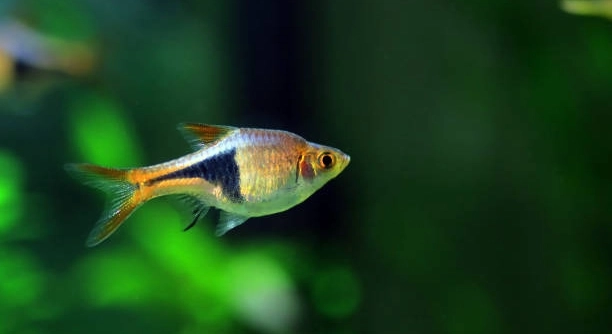
Do your rasboras seem to move together in perfect harmony, making you wonder if they’re showing signs of pack behavior?
Rasboras may display pack instinct during specific moments such as feeding, when under stress, exploring new environments, or sensing danger. These behaviors help them feel safer, stay organized, and interact more naturally within their group.
Understanding these patterns can improve how you care for your rasboras and create a safer, more natural tank environment for them.
Feeding Time Frenzy
When rasboras sense food, their behavior often shifts immediately. You may notice them darting quickly across the tank in a tight group. This reaction mimics natural shoaling, where swimming together helps them locate food and stay protected from threats. Even in peaceful aquariums, rasboras still respond instinctively when food is introduced. The shared excitement and synchronized movements reflect a pack-like instinct that prioritizes safety and efficiency. Over time, these moments can become predictable, happening as soon as they associate you or the feeding area with food. Their fast, grouped swimming serves more than one purpose—it increases their chances of getting food and reduces stress through safety in numbers. Even though rasboras are small and peaceful, this behavior highlights their natural instinct to rely on group action. Watching for these movements during feeding can help you better understand their natural rhythms and strengthen your awareness of their daily patterns.
This feeding behavior is a key moment when their instinct to move as one becomes obvious, even in calm tank settings.
Offering food in more than one spot can reduce competition and support healthier, more balanced feeding for your rasboras. This approach works especially well in larger groups.
Reaction to Stress or Fear
You might see your rasboras group tightly and swim faster when startled by a sudden movement, loud noise, or unfamiliar object.
In the wild, rasboras use pack swimming as a defense mechanism against larger predators. Even in an aquarium, that behavior remains strong. When they feel threatened, their natural response is to bunch up tightly and swim quickly, often to one side of the tank. It’s not random panic—it’s instinctual. Being part of a group reduces the chance of any one fish being targeted. You’ll notice this more often during tank maintenance, sudden lighting changes, or unexpected vibrations. This doesn’t mean your fish are constantly stressed. It simply shows they respond with built-in group behaviors when they sense something unusual. Over time, they may adjust to regular activity, but their pack instinct remains. Understanding this can help you minimize unnecessary stress. Avoid tapping the glass, introduce changes slowly, and give your rasboras time to settle after any disruption.
Exploring New Spaces Together
When introduced to a new tank or layout, rasboras often explore as a group. Their movements become more cautious and synchronized, helping them feel safer while adapting to unfamiliar surroundings.
This group behavior helps reduce stress during transitions. Rasboras feel more secure when they’re not alone, especially in new environments. Whether you’re adding them to a new tank or just rearranging decorations, they tend to stick close, moving slowly and scanning the space together. You might see them circling plants or hiding spots in tight formation, then pausing to observe before continuing. This teamwork allows them to assess safety more efficiently. Even subtle changes like a new background or filter flow can trigger a brief group exploration. Letting them explore at their own pace without interference supports a smoother adjustment. They often return to regular swimming once they feel confident that nothing poses a threat in their environment.
This response also reinforces the importance of keeping them in groups. A single rasbora may become more anxious and hide for longer. Keeping at least six together encourages natural pack behavior and helps each fish feel secure during changes. Watching their shared reaction also gives you clues about how they’re handling any new surroundings or setup adjustments.
Guarding the Edges of Their Group
When swimming near the edges of their group, some rasboras take on a cautious, scanning role. These edge positions shift often but serve as a safety tactic to spot threats early and redirect the group.
In nature, staying close to a group helps rasboras survive by making it harder for predators to isolate one fish. When in a tank, this behavior shows up as rasboras take turns moving along the outer edge of the group, often pausing or changing speed while others follow. It may look random, but it’s purposeful. Fish near the edge often react first to motion outside the tank or slight water changes. If one spots something alarming, the whole group may shift direction or tighten formation. This is an active, protective instinct rather than passive behavior. Providing visual barriers or calm zones in your tank setup can support this pattern without adding stress, allowing the fish to rely on natural group roles.
Morning Activity Bursts
Rasboras often begin their day with sudden bursts of group swimming. This early movement helps activate their bodies and re-establish group coordination after rest. The behavior usually settles once they feel safe and alert again.
Lighting changes can also trigger this reaction. A gradual increase in light is less disruptive and helps them adjust.
Responding to Tank Mates
Rasboras adjust their swimming patterns when housed with active or larger fish. If they feel uneasy, they often group more tightly and move together. This shared response creates a sense of control and helps them avoid possible threats. Their movements may become faster or more reactive based on who shares the space.
Spawning Behavior Signals
During breeding activity, rasboras may display increased pack movement. Males might chase females in synchronized motions, while the group becomes more active overall. This creates a shift in their usual swimming rhythm, often making them more visible and animated than usual.
FAQ
Do rasboras always swim in a group?
Yes, rasboras naturally prefer to swim in groups. In the wild, shoaling protects them from predators and helps them navigate more safely. In a tank, this behavior continues. When kept in groups of six or more, rasboras display more natural movements and seem less stressed. If housed alone or in very small numbers, they may become skittish, hide often, or appear inactive. A visible reduction in group movement can be a sign that one or more fish are feeling unwell or stressed. Consistent group swimming is a key indicator of comfort and health.
Why do my rasboras suddenly swim fast in a tight group?
This is usually a stress or fear response. Loud noises, sudden movements, new decorations, or changes in lighting can trigger this. Rasboras rely on one another to feel safe, and when they sense a threat, they group up and swim quickly in unison. This helps reduce risk and confusion. It may only last a few seconds or continue until the environment feels calm again. Avoiding rapid tank changes and maintaining a steady routine helps reduce these startle responses. The more predictable their environment, the less often they show high-alert group swimming.
Is group behavior a sign that rasboras are healthy?
Most of the time, yes. When rasboras swim together smoothly and show curiosity without frantic movements, it’s a sign they feel secure and well. Inconsistent group behavior, such as one fish constantly lagging behind or staying separate, might signal stress or illness. A healthy group usually shifts direction and pace together, showing coordination and awareness of one another. Changes in how they swim can be one of the first visual signs something is wrong. Observing how your rasboras move together daily can help you spot issues early.
What should I do if one rasbora separates from the group?
Start by observing for signs of illness or injury. A rasbora swimming alone may be tired, unwell, or recovering from stress. Look for rapid breathing, clamped fins, or fading color. Also check the water quality and temperature, as changes can affect behavior quickly. If the fish appears healthy but still stays apart, it might be feeling outnumbered or bullied. Increasing the group size or adjusting the tank layout with more plants and hiding areas may help the fish feel more comfortable.
Can different rasbora species school together?
Sometimes, but not always. Similar-sized rasboras with calm temperaments may loosely school together, especially in tanks where they are the only species. However, most rasboras prefer the company of their own kind. Mixing species might result in separate groups forming, especially if body shape or swim style differs. While they may still swim near each other occasionally, they usually won’t move in a tight formation unless they’re of the same species. If you want active group swimming, it’s best to keep six or more of one type.
Do rasboras get along with other fish?
Yes, rasboras are peaceful and do well with other small, non-aggressive species. They’re often kept with tetras, corydoras, and small livebearers. The key is to avoid housing them with larger or aggressive fish that may intimidate or outcompete them. When they feel secure, rasboras swim freely and show more relaxed group behavior. If they feel threatened, they tend to stay hidden or move quickly together to one area of the tank. Careful tankmate selection helps maintain their calm, social nature.
Will rasboras school less in a planted tank?
Not necessarily. A well-planted tank offers hiding spots and makes rasboras feel safer, which often leads to more natural schooling. However, they may spread out slightly when they feel extremely secure. As long as they regroup quickly during feeding, changes, or stress, their behavior is healthy. Dense plants also reduce stress and give them space to explore without panicking. Light group spreading in a calm tank is normal. The key is watching for signs of distress, such as darting or hiding constantly, which might signal an issue.
Final Thoughts
Rasboras are peaceful, social fish that feel safest when they move together. Their pack behavior is more than just a visual pattern—it plays a real role in how they respond to their surroundings. Whether it’s feeding time, stress, or a new layout in the tank, these fish rely on group instinct to stay calm and make decisions. Watching their movements closely helps you understand what makes them feel safe or uneasy. If you see them swimming in a scattered way or hiding more than usual, it could mean something in their environment needs adjusting. Keeping a steady routine, avoiding sudden changes, and housing them in proper group sizes can make a noticeable difference in their behavior.
While rasboras don’t form packs in the same way as larger animals do, they still follow certain group-based habits that serve a purpose. Their instinct to stay together is built into how they avoid danger, find food, and explore new areas. These patterns show up in both wild and home tank settings, which makes their behavior easier to predict if you know what to look for. Creating a tank that allows for smooth, uninterrupted group swimming supports their health and comfort. Adding plenty of plants, giving them space to swim, and limiting stress factors like loud sounds or sudden lighting changes all help strengthen their natural behavior.
Overall, rasboras do best when their need for group interaction is respected. Even small things, like keeping the group size right or using calm lighting, can help them feel more secure. Their group instincts are not just fascinating to observe—they’re also a sign of how well your tank setup is working for them. Paying attention to how your rasboras behave as a group can guide you in making the best care choices. This way, their pack instincts are supported, not challenged, and your tank becomes a more peaceful, balanced space for them to thrive.

Hello,
If you enjoy the content that we create, please consider saying a "Thank You!" by leaving a tip.
Every little bit helps us continue crafting quality advice that supports the health, happiness, and well-being of pets around the world, for pets of all shapes, sizes, and species.
We really appreciate the kindness and support that you show us!